Cost Pressure Promotes Fleet Asset Renewal Reform
Intro
Fleet operators are under continuous cost pressure: new heavy truck prices keep climbing, spare parts for ageing vehicles grow more costly, and unplanned downtime from breakdowns carries steep revenue losses. For a long time, asset renewal was a simple binary choice: either keep running old, high-risk trucks until failure, or make large lump-sum purchases of brand-new vehicles. Both models create financial strain.
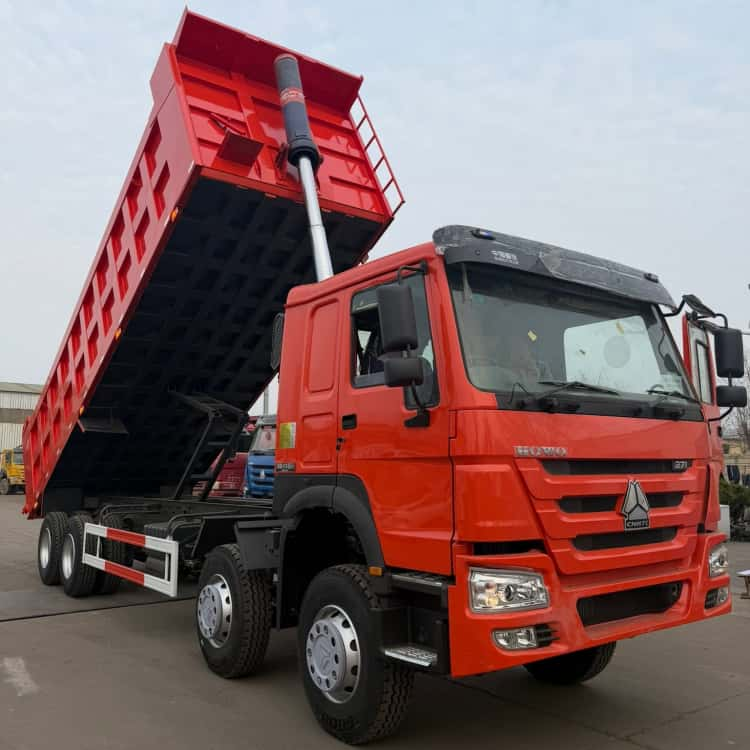
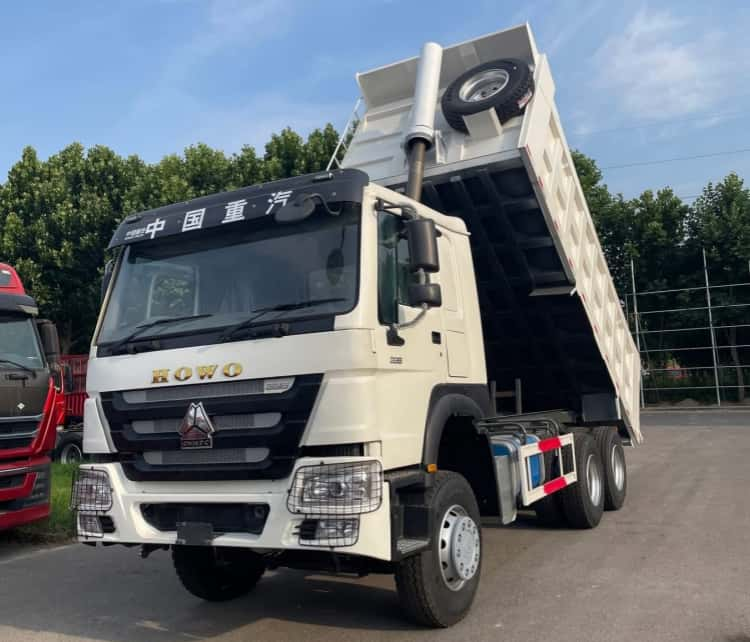
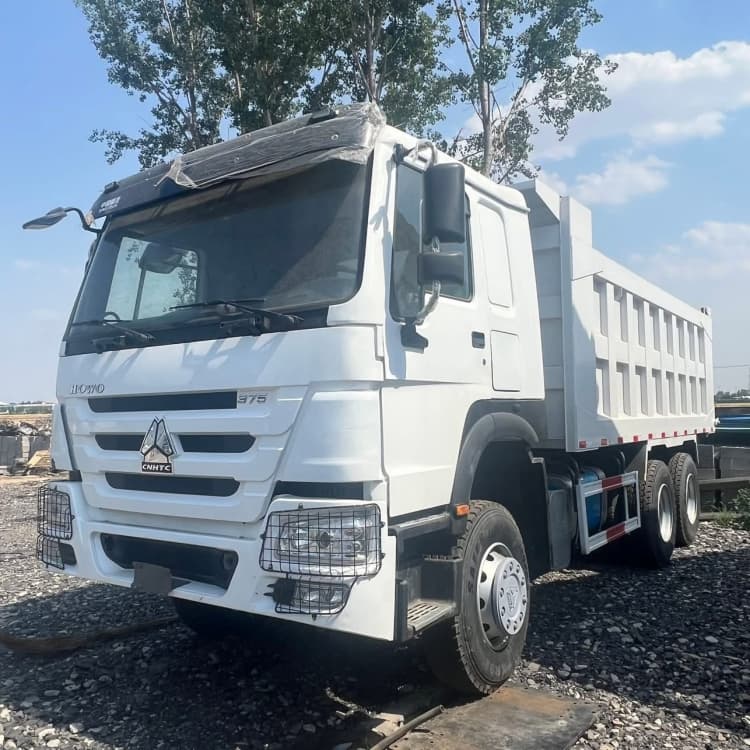
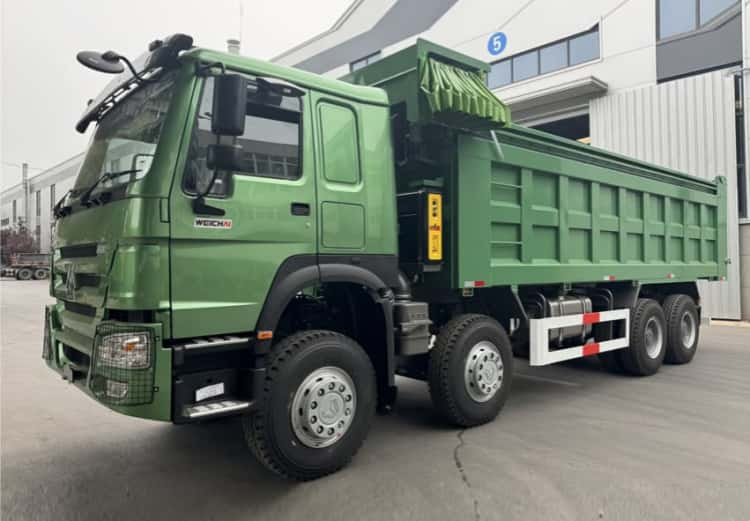
This pressure is driving a fundamental reform of fleet asset renewal logic, shifting from “replace with new” to “reset assets through standardized truck remanufacturing”. REMAN ROAD’s auditable standardized truck remanufacturing provides a reliable middle path for this transformation. This article explores how cost pressure reshapes fleet renewal decisions and the value of certified standardized truck remanufacturing in this transition.
Escalating new truck capital outlay squeezes cash flow
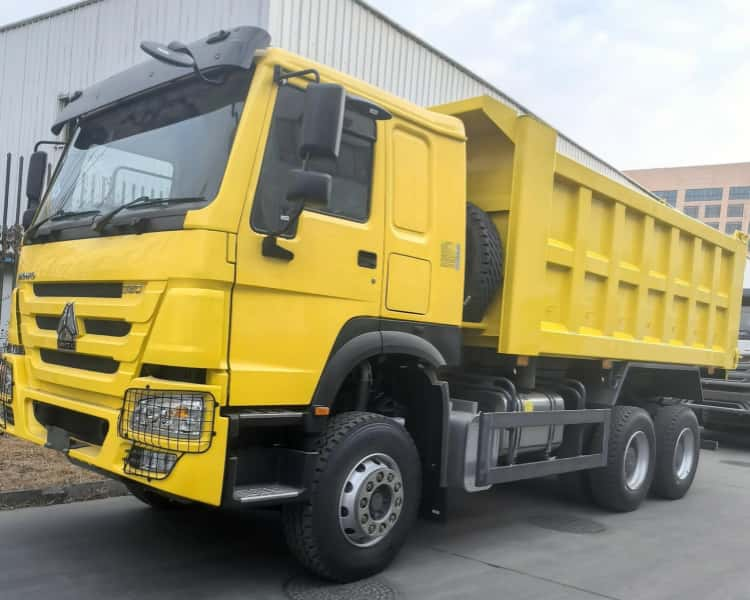
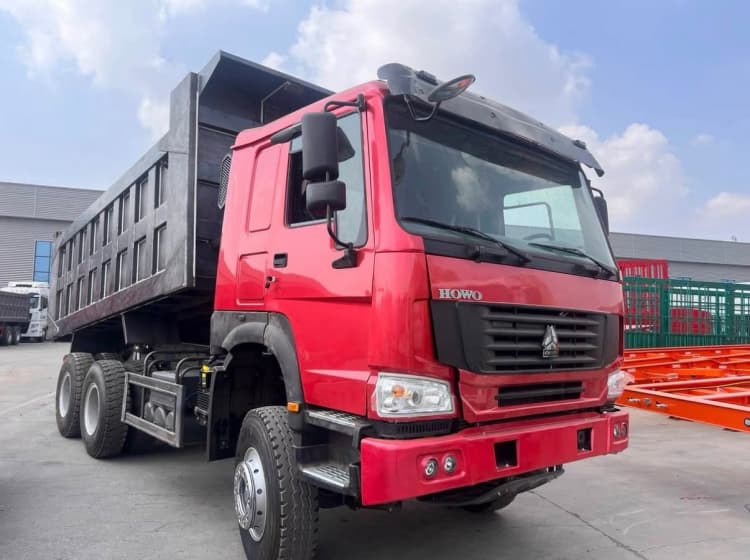
Buying new heavy trucks requires massive upfront capital or long-term high-value financing. For contractors and mid-sized fleets, tying large funds into fixed assets limits liquidity and reduces flexibility for project investment. When project cycles are short or seasonal, new trucks often sit idle, accelerating depreciation waste.
REMAN ROAD standardised reman trucks have a far lower acquisition cost. Fleets can refresh haul capacity without locking up working capital, and scale asset volume up and down according to project schedules. This improves cash flow and reduces the financial burden of renewal.
High downtime cost forces fleets to prioritise predictable reliability
Aging, unrebuilt used trucks may seem cheap on paper, but hidden fatigue and undocumented wear frequently trigger sudden breakdowns. On mining and construction sites, downtime can halt the whole production chain, bringing far greater losses than the truck itself.
Standardized truck remanufacturing resets the vehicle to a verified baseline. NDT screening, bench testing and full-load road simulation eliminate latent failure risks. The predictable uptime helps fleets avoid the cascading financial losses caused by unplanned shutdowns, which is critical for cost control.
Spare parts and maintenance inflation raises the cost of running worn cores
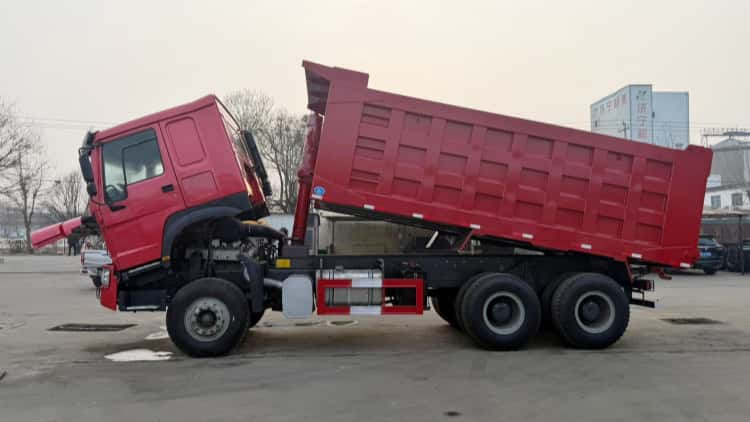
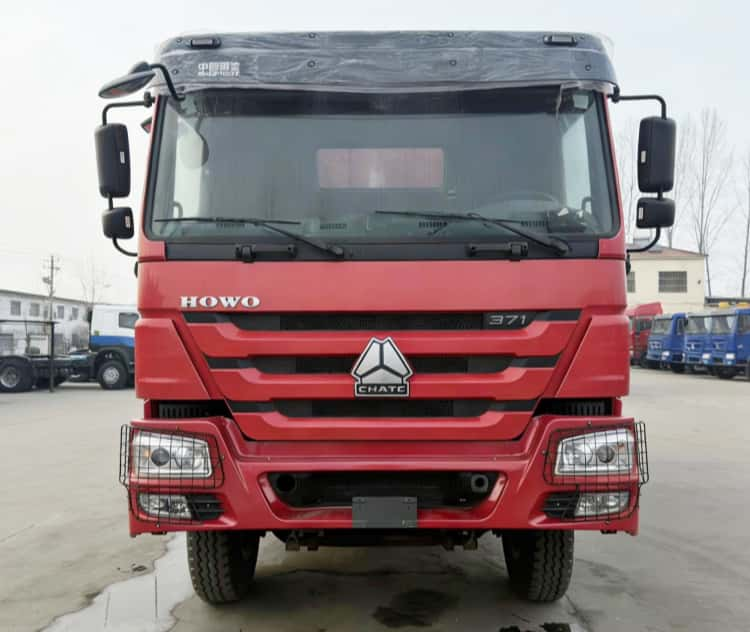
Older trucks with years of ad-hoc repairs often have mismatched components and degraded calibration. Their maintenance frequency and parts consumption gradually rise, while many legacy parts face supply shortages.
REMAN ROAD rebuilds follow unified bill of materials and OEM calibration standards. Standardised assemblies and traceable baseline data reduce diagnostic difficulty and cut long-term maintenance expenses. The fleet’s maintenance plan becomes stable rather than reactive.
Finance teams shift focus from purchase price to full-lifecycle TCO
Under cost pressure, procurement decisions are no longer driven only by upfront price. Finance departments are now required to model depreciation, fuel consumption, repair frequency, downtime risk and residual value together.
Certified standardized truck remanufacturing’s traceability system provides consistent test data and wear benchmarks. This enables accurate TCO modelling and depreciation forecasting. Compared with ordinary used trucks with unknown history, REMAN ROAD standardised reman trucks reduce the contingency budget reserved for unexpected failures.
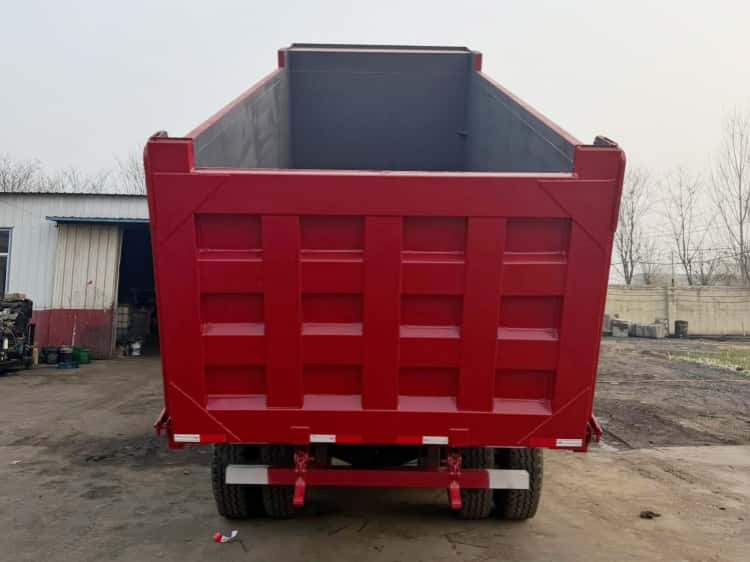
Renewal reform evolves into the dual-supply fleet model
The reformed asset strategy does not reject new trucks entirely. New chassis are still reserved for core long-term routes requiring the latest emission and safety hardware. Certified standardized truck remanufacturing becomes the main tool for phased renewal, replacement of failed units and peak capacity supplementation.
This mixed portfolio optimises the whole fleet’s cost structure. It avoids the old extremes of “run to scrap” or “full new replacement”, forming a balanced, cost-resilient renewal mechanism.
Important guardrail
Cost optimisation cannot override duty limits. Even standardised reman trucks will develop accelerated wear if overloaded or assigned to mismatched heavy-duty cycles. Sustainable cost savings rely on proper duty-class allocation and regular scheduled inspection.
Final Takeaway
Rising capital, maintenance and downtime costs are forcing fleets to abandon outdated asset renewal patterns. For fleet managers, the key takeaway is simple: REMAN ROAD standardized truck remanufacturing delivers reliable, auditable performance at a lower entry cost, helping fleets reform asset renewal logic, stabilise full-lifecycle TCO and build a more cost-resilient fleet structure.