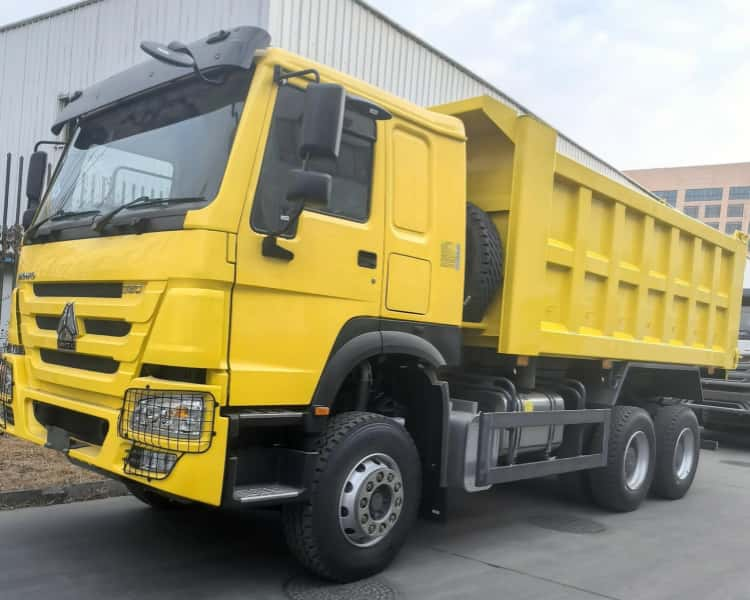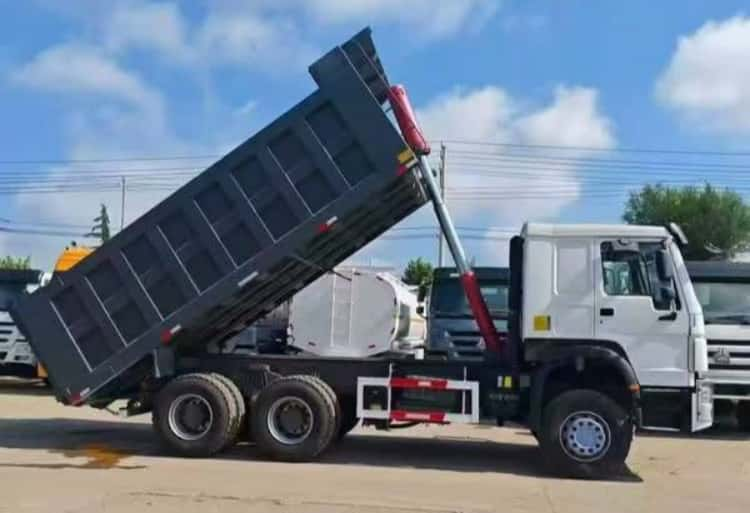
Pain Points and Solutions of Traditional Used Trucks Transactions
Intro
Traditional used trucks trading has long been built on information asymmetry. Buyers often cannot independently verify the true working condition before purchase, while sellers struggle to prove the value of well-maintained units. Even after negotiation and payment, hidden faults, missing service records and inconsistent quality often lead to disputes, downtime and unexpected losses. These recurring pain points have limited wider adoption of pre-owned heavy assets, and they cannot be solved by simple pre-purchase visual checks.
REMAN ROAD’s certified truck reman framework addresses these pain points systematically. Every truck undergoes full teardown, component screening, non-destructive inspection, OEM bench calibration, full-load road simulation and third-party audit, with all evidence stored in the traceability system. This article sorts out the key pain points in conventional used trucks deals and the corresponding solutions delivered by certified truck remanufacturing.
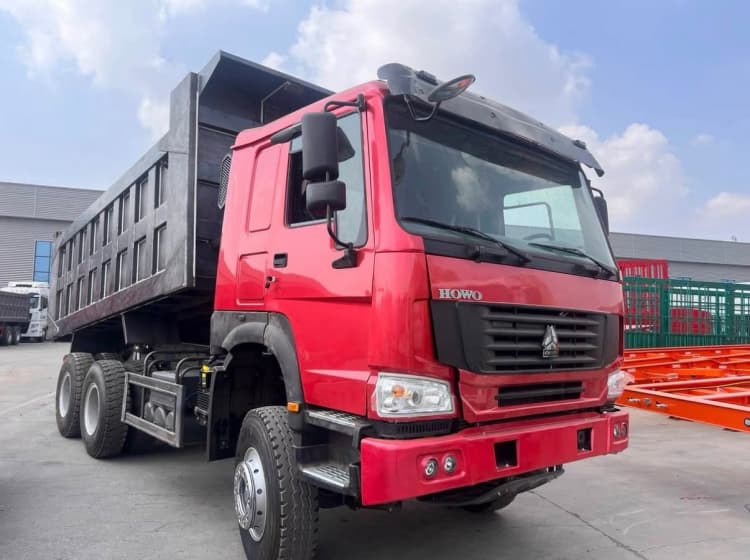
Pain point 1: Invisible mechanical defects and hidden fatigue risk
Visual inspection and short test drives cannot detect microcracks, corrosion pitting and internal wear on load-bearing components. Odometer tampering and cleared fault codes further mask accumulated damage. Many trucks break down shortly after delivery, creating costly downtime.
Solution: REMAN ROAD certified truck remanufacturing applies targeted fatigue hotspot mapping and multi-method NDT on critical frame, axle and suspension parts. Any component exceeding the scrap threshold is eliminated before assembly. Bench and full-load testing expose latent failures under simulated working stress.
Pain point 2: No unified evaluation standard, quality assessment is subjective
Judgement depends on individual inspectors or dealers. There are no numeric pass/fail thresholds for wear, deformation or residual service life. Pricing is based on age, mileage and appearance rather than actual mechanical condition.
Solution: The three-bucket component grading system sets fixed engineering acceptance criteria. All reman trucks of the same model and duty class follow identical test tolerances, making quality assessment objective and comparable.
Pain point 3: Fragmented, unreliable vehicle history records
Repair logs are scattered, incomplete or forged. After cross-border transfer or site rotation, technical evidence disappears. This creates barriers for tender pre-qualification, insurance review and resale.
Solution: The standardised traceability system binds NDT reports, bench data, component serial numbers and audit sign-off to one VIN. Records are timestamped and immutable, and the complete file can be transferred to the next owner.
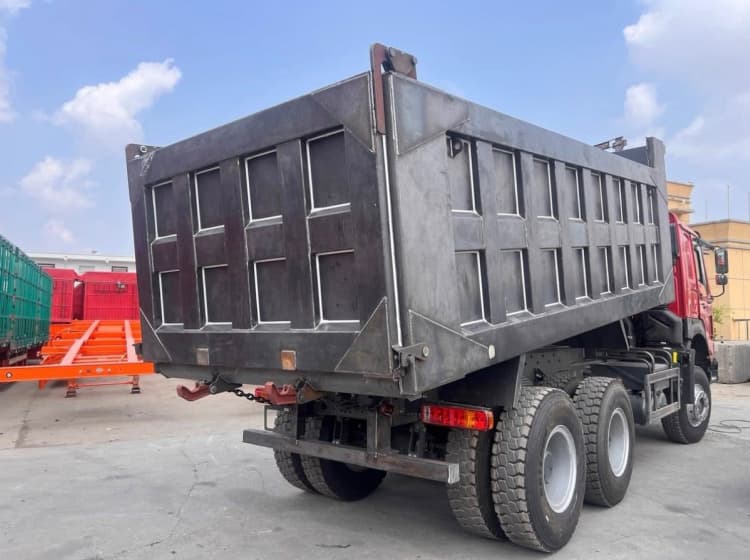
Pain point 4: Unpredictable residual value and financing difficulties
Because risk cannot be quantified, residual value fluctuates wildly. Finance and leasing companies are reluctant to offer favourable terms, and buyers face steep write-downs if hidden faults emerge.
Solution: Certified truck reman’s verifiable pedigree reduces uncertainty. Test baselines and traceability files support stable depreciation forecasting and help buyers access more reliable financing options.
Pain point 5: Disputes after transaction with no defensible evidence
When faults occur post-sale, buyers and sellers often argue over whether the defect existed before delivery. There is no neutral, auditable proof to settle disagreements.
Solution: Third-party audit and timestamped test records serve as independent evidence of the vehicle’s certified condition at release. It clearly separates pre-certification quality issues from damage caused by post-delivery misuse.
Important guardrail
Certified truck remanufacturing eliminates the uncertainty at the point of sale. It cannot prevent new fatigue and wear from developing after delivery. Operators still need to assign trucks to matching duty classes and follow scheduled maintenance.
Final Takeaway
Traditional used trucks transaction pain points all originate from lack of objective standards and traceable evidence. For fleet buyers and traders, the key takeaway is simple: REMAN ROAD certified truck remanufacturing removes hidden defects via standardised inspection and load testing, provides complete VIN traceability, and turns risky, opaque second-hand trading into a predictable, auditable asset transaction.