Low-Carbon Transformation Trend of Global Heavy Transport Industry
Intro
Heavy-duty truck transport accounts for a large share of global transport carbon emissions. Governments, financiers and large cargo owners are pushing the sector away from a linear “mine, manufacture, discard” model. Electrification, hydrogen power and cleaner fuels capture most attention, yet these technologies face infrastructure, cost and payload constraints, especially for off-highway mining and remote construction fleets.
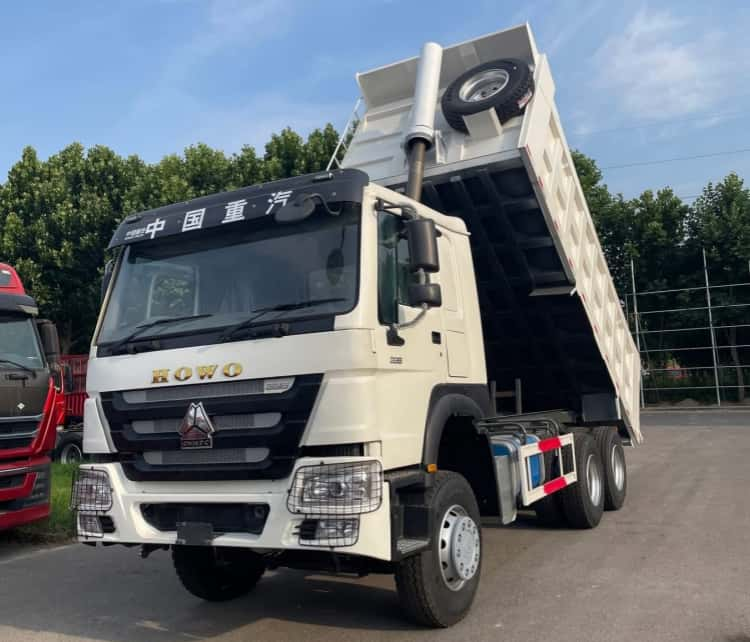
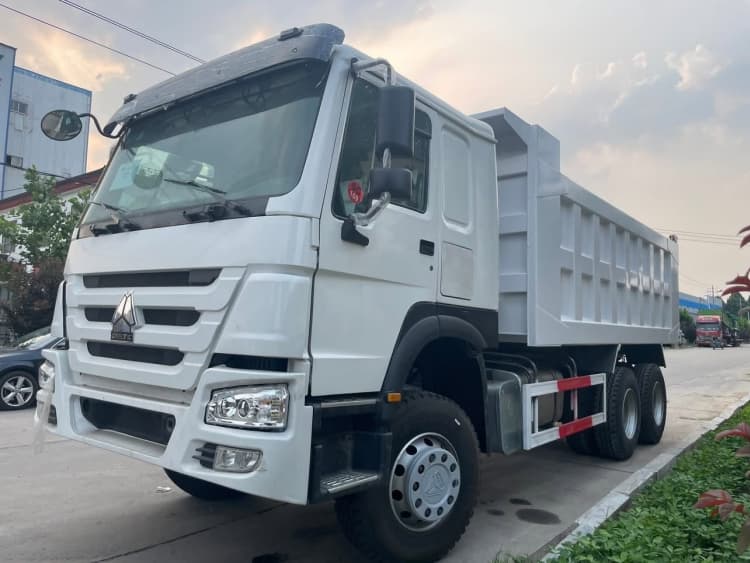
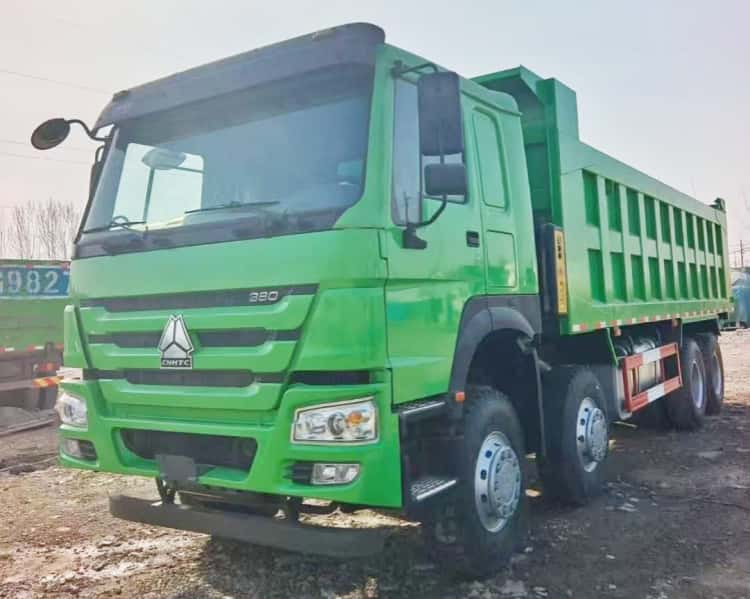
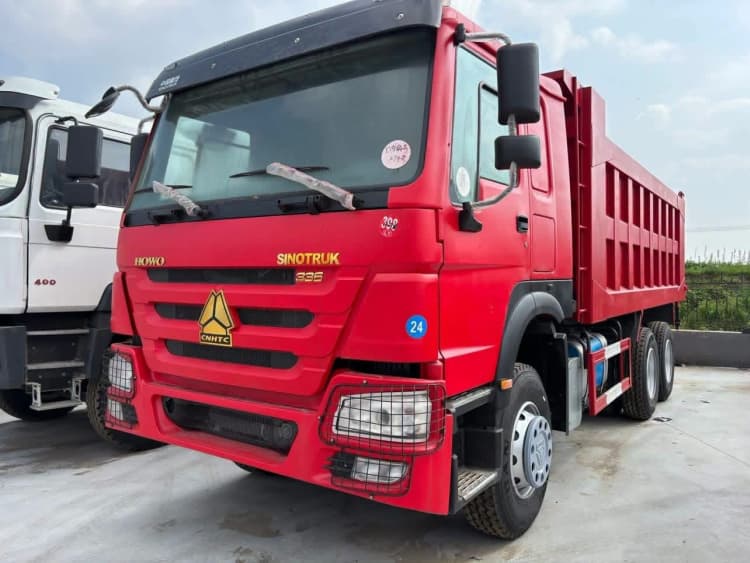
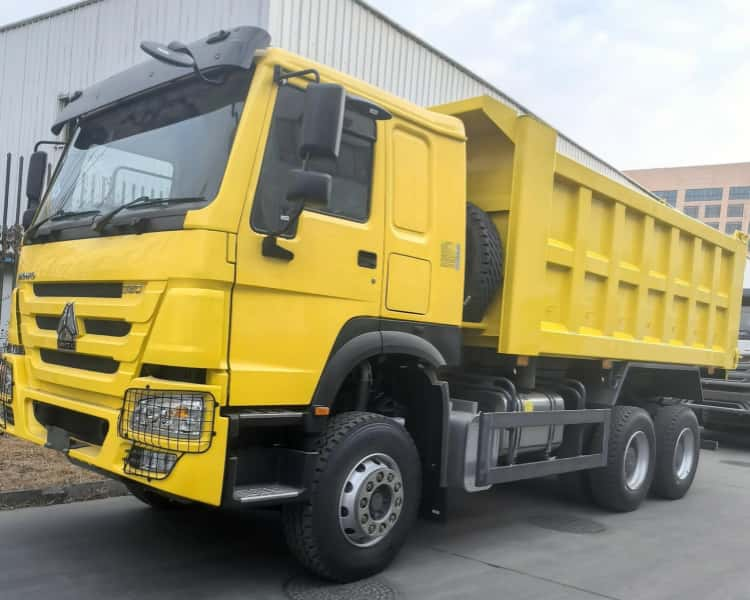
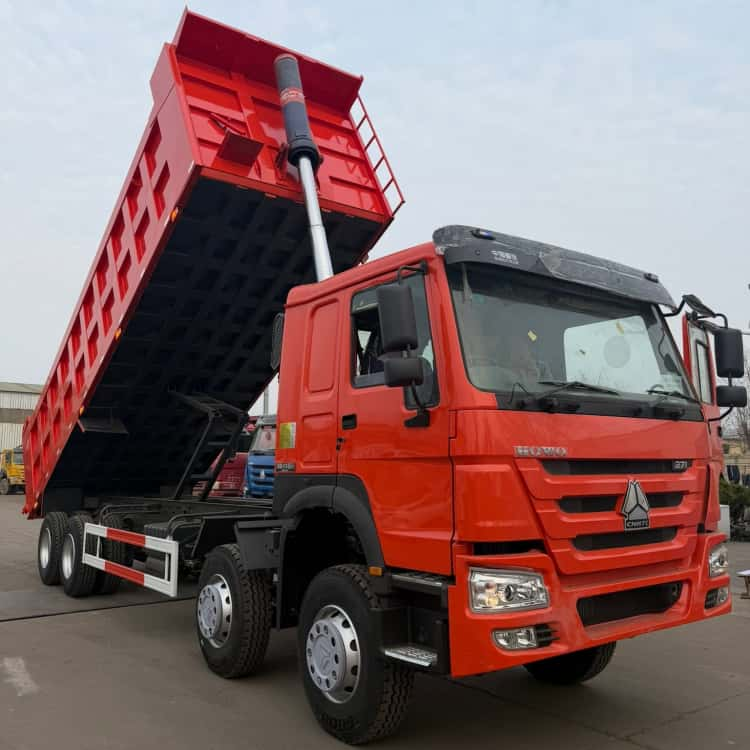
Standard truck remanufacturing has emerged as a vital parallel low-carbon strategy. REMAN ROAD standard truck remanufacturing resets heavy trucks through full teardown, NDT screening, OEM bench testing, full-load road simulation and third-party audit, with all carbon-saving evidence locked into its VIN traceability system. This article outlines the core low-carbon transformation trends sweeping global heavy transport and the unique value of industrial remanufactured trucks.
Dual carbon reduction tracks: operational emission + embodied carbon
Most low-carbon policies historically focus on tailpipe emissions, encouraging new-energy and low-emission powertrains. But the embodied carbon generated during steel smelting, casting and new truck assembly is often overlooked. Building a new heavy truck consumes enormous energy and virgin resources.
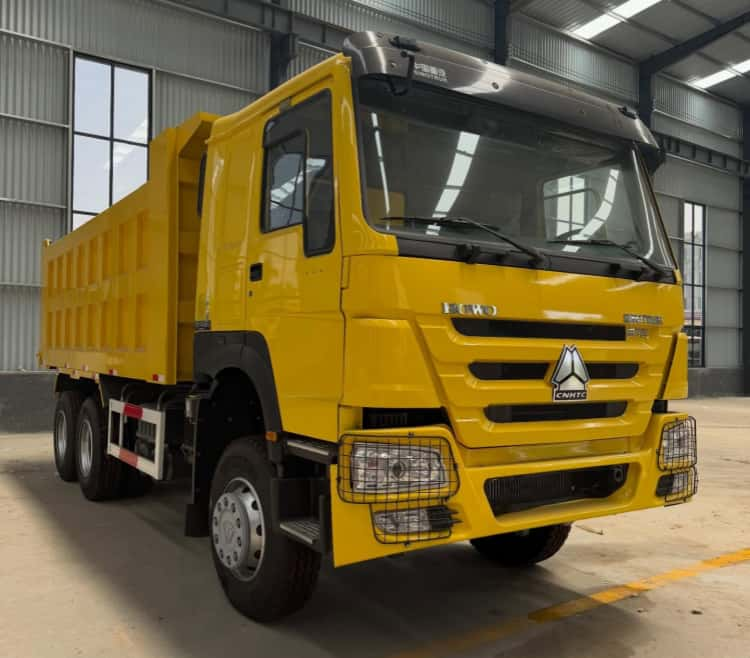
REMAN ROAD standard truck remanufacturing retains structurally sound frame, axle and major drivetrain cores, only replacing worn components. This delivers immediate, measurable cuts in embodied carbon. Fleets can combine low-emission new trucks for core routes and industrial remanufactured trucks for project fleets, reducing carbon footprint on both operational and manufacturing fronts.
Regulatory and tender requirements push for auditable carbon data
Carbon reporting rules, EPR frameworks and green tender standards are expanding worldwide. Buyers no longer accept vague sustainability claims; they require timestamped, verifiable records of resource reuse and emission savings.
Generic used trucks cannot provide this proof. REMAN ROAD standard truck remanufacturing’s traceability system logs which assemblies are retained, repaired or recycled, generating quantitative carbon saving data for ESG disclosures, client audits and financing reviews. This makes certified reman an attractive option for contractors bidding on green infrastructure and mining projects.
Regional differentiation creates segmented low-carbon roadmaps
Developed markets prioritise electrification, hydrogen and strict carbon accounting, while many emerging markets across Africa, Central Asia and Southeast Asia face limited charging and refuelling infrastructure. New low-carbon trucks are also unaffordable and slow to deliver.
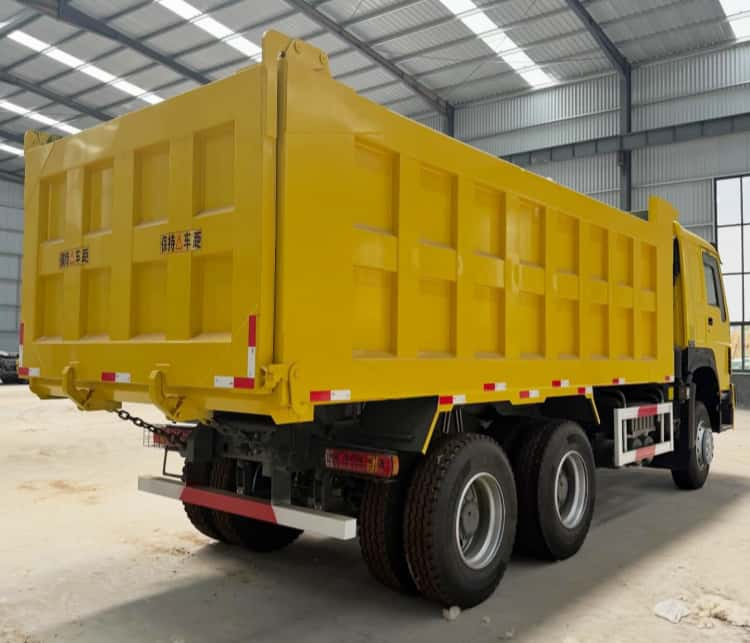
In these regions, standardised reman is a pragmatic low-carbon solution. REMAN ROAD duty-classified industrial remanufactured trucks deliver stable uptime, lower capital outlay and documented circular benefits, enabling local fleets to cut emissions without waiting for new-energy infrastructure maturity.
Hybrid low-carbon fleet model becomes mainstream
The industry is gradually abandoning the idea that decarbonisation means replacing all assets with new electric or hydrogen trucks. The optimal portfolio is hybrid: new low-emission vehicles for permanent core haul routes, and certified reman trucks for temporary, seasonal and peak-demand capacity.
This structure spreads capital expenditure, reduces supply chain risk and balances decarbonisation targets with operational reality. REMAN ROAD’s unified QC and maintenance standards simplify management within mixed fleets.
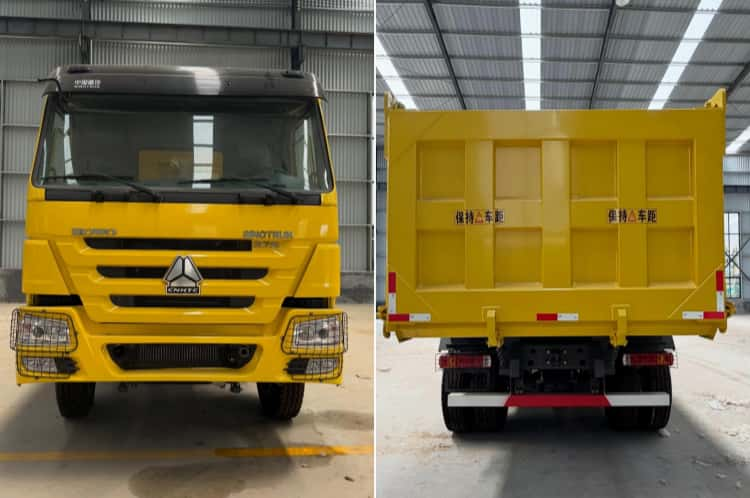
Data-driven lifecycle carbon management
The low-carbon shift is becoming data-centric. Aggregated traceability data tracks fuel consumption, component lifecycles and carbon savings across thousands of vehicles. This helps fleets optimise duty assignment, reduce idle time and refine maintenance plans to lower ongoing emissions.
Over time, this data also helps reman providers refine inspection thresholds, prioritise high-impact component reuse and continuously improve the carbon efficiency of the reman workflow.
Important guardrail
Standard truck remanufacturing reduces embodied carbon, but it cannot eliminate tailpipe emissions from legacy powertrains. It is a complementary, not replacement, decarbonisation tool. For routes with strict in-use emission limits, new low-emission vehicles remain necessary.
Final Takeaway
Global heavy transport low-carbon transformation is multi-layered, combining clean power and circular asset strategies. For fleet sustainability managers, the key takeaway is simple: REMAN ROAD industrial remanufactured trucks cut embodied carbon through controlled core reuse, provide auditable ESG evidence and support flexible hybrid fleet planning, serving as a practical pillar of the heavy transport industry’s low-carbon transition.