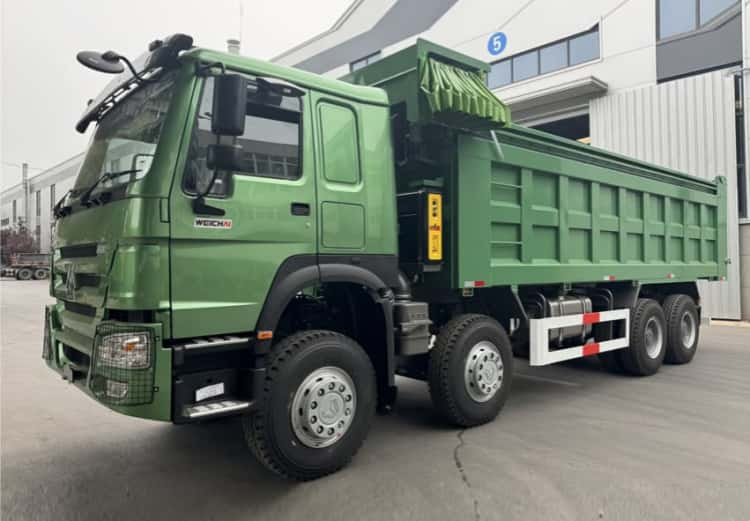
Global New Truck Supply Chain Crisis and Reman Market Opportunities
Intro
Global heavy truck supply chains remain vulnerable to cascading disruptions. Semiconductor shortages, volatile steel and aluminium pricing, factory shutdowns, shipping delays and cross-border trade barriers all combine to push new truck lead times out many months, while purchase prices keep climbing. For mining and civil contractors with time-bound project windows, waiting for new chassis can mean missed contracts and idle site operations. Generic used trucks offer faster delivery but carry unquantified fatigue and breakdown risk.
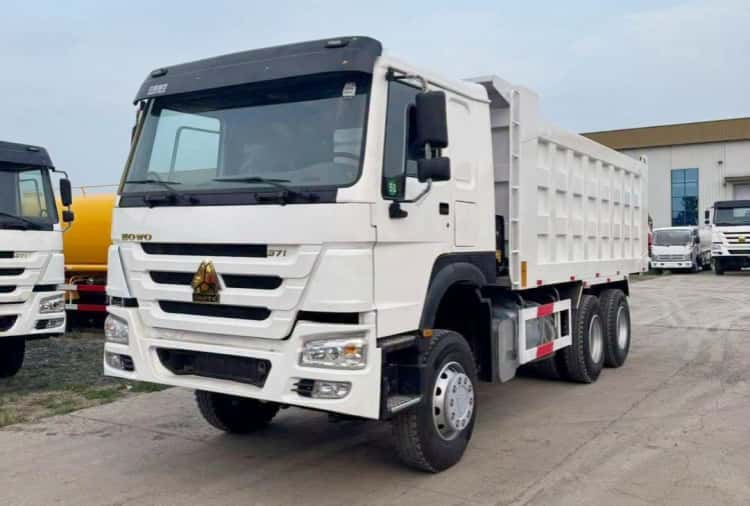
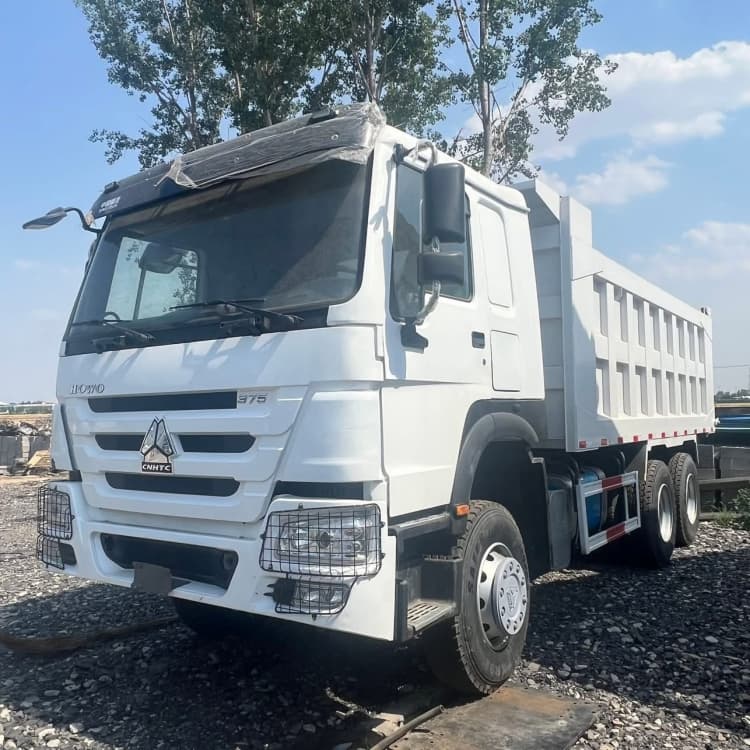
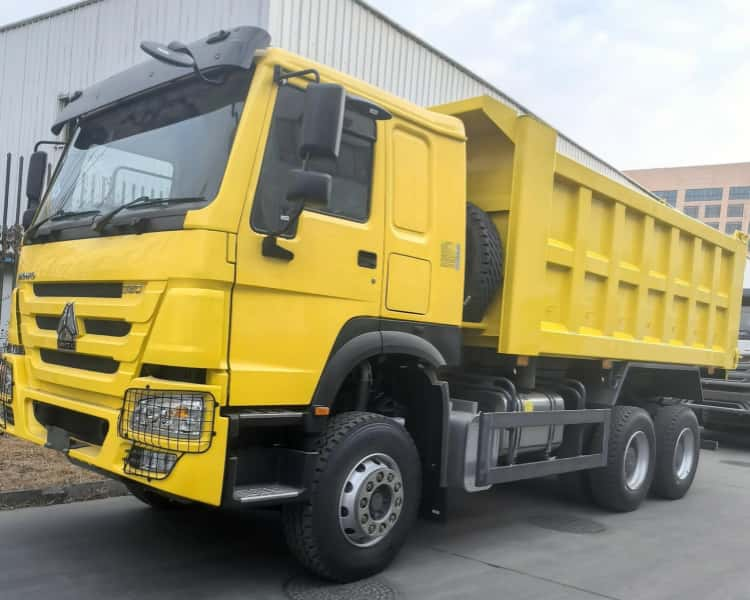
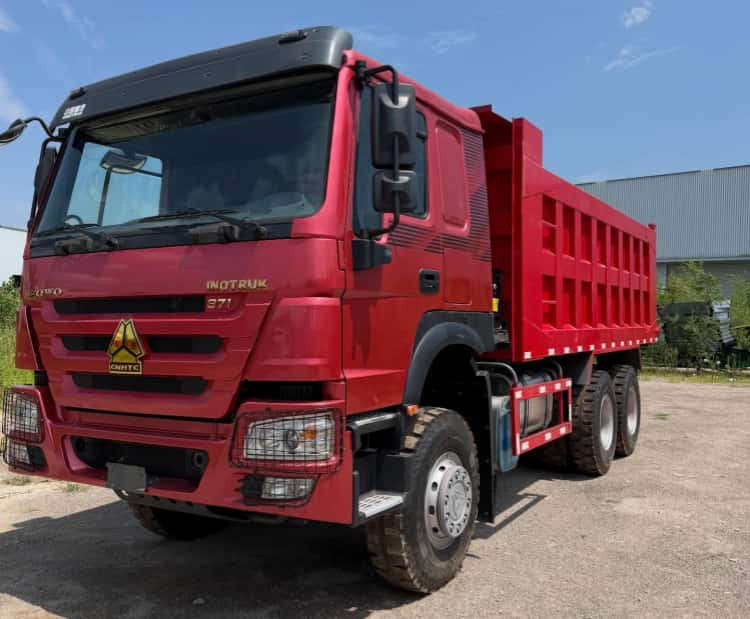
REMAN ROAD industrial remanufacturing emerges as a resilient alternative in this constrained environment. Built from screened core chassis and validated through NDT, OEM bench testing, full-load road simulation and third-party audit, reliable reman trucks help fleets escape the new-vehicle supply crunch. This article breaks down how the global supply crisis creates durable opportunities for reman market.
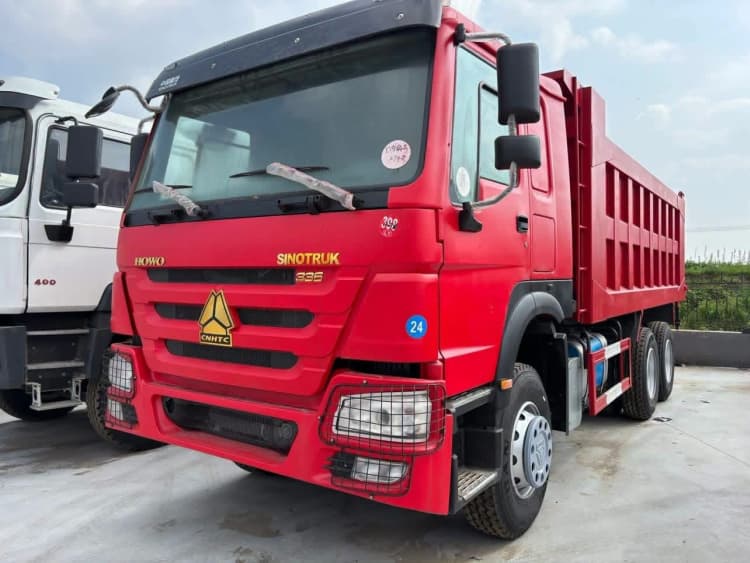
Industrial remanufacturing avoids the long manufacturing lead time bottleneck
New truck production depends on a complex global network of foundries, electronics suppliers and assembly plants. When one link fails, the whole order backlog grows. Remanufacturing operates on a reverse supply chain: qualified cores are sourced locally or regionally, rebuilt and certified in controlled workshops.
Pre-certified REMAN ROAD reliable reman trucks are ready for rapid deployment. Instead of waiting for OEM production schedules, fleets can scale haul capacity to match seasonal campaigns, sudden project awards or replacement cycles. This speed is the most immediate advantage when new truck supply cannot keep pace with operational demand.
It reduces exposure to raw material and commodity price swings
New heavy trucks consume large volumes of high-grade steel, castings, forgings and specialised electronic components. Prices for these inputs fluctuate sharply, making capital budgeting unpredictable.
Industrial remanufacturing retains sound frame, axle and powertrain cores, only replacing worn or failed components. This cuts reliance on virgin raw materials. REMAN ROAD’s fixed, standardised bill of materials also stabilises cost forecasting, shielding fleet budgets from the extreme price volatility that plagues new truck procurement.
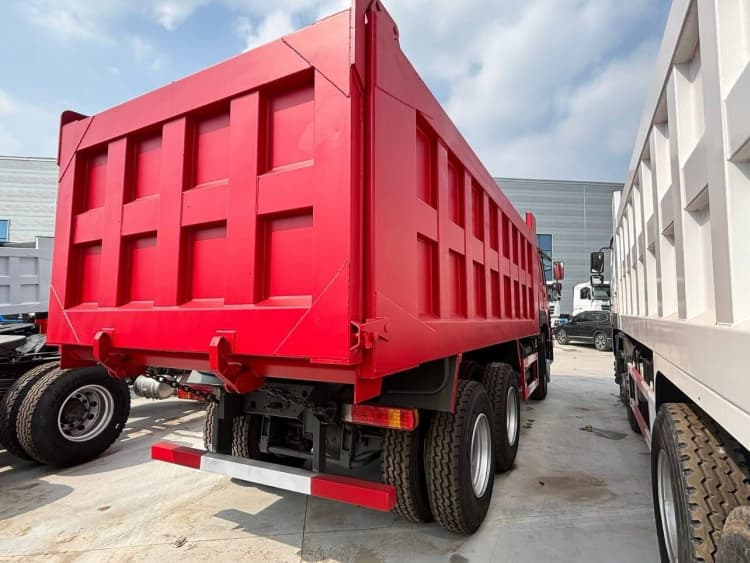
Industrial remanufacturing serves underserved emerging markets
Many Africa, Central Asia and Southeast Asian haul markets struggle to secure affordable new trucks, while demand for reliable heavy haulage keeps rising. Cheap, uninspected used imports dominate these markets, but their hidden faults create crippling downtime.
REMAN ROAD reliable reman trucks with complete traceability fill this gap. They are priced below new vehicles, built for rough off-highway cycles and supported by documented test records. For cross-border traders and local fleet owners, certified reman creates a trusted middle tier that was missing in the market.
Supply instability pushes buyers to prioritise TCO over new-asset status
Before the supply crisis, many large fleets defaulted to purchasing new trucks for warranty and peace of mind. Extended lead times and inflated pricing have forced finance and procurement teams to re-evaluate priorities.
Fleets now compare uptime, maintenance predictability, residual value and audit compliance, not just whether the truck is brand new. REMAN ROAD’s consistent QC, traceability and predictable wear curves make TCO modelling reliable. This shift in buyer mindset opens long-term market space for industrial remanufacturing, rather than one-off emergency purchases.
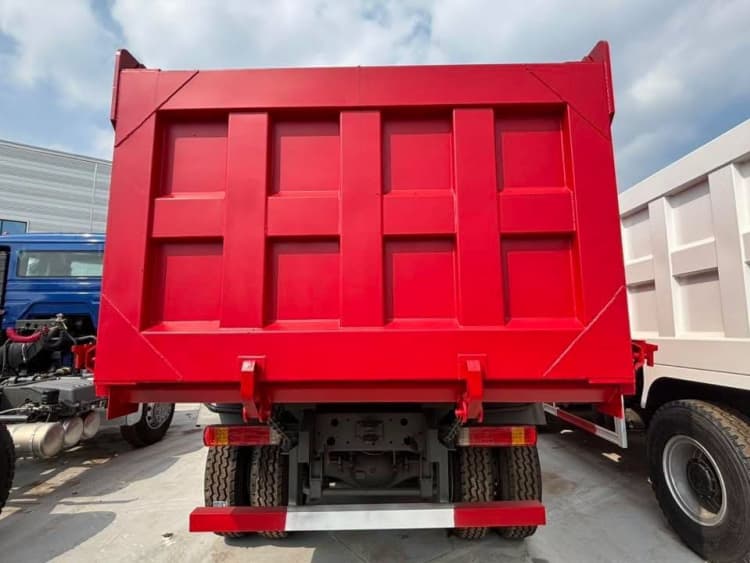
Complementary supply chain resilience for mixed fleets
Most fleets will not abandon new trucks entirely. New assets remain necessary for the latest emission hardware and advanced safety systems. But reman acts as a flexible buffer.
When new truck deliveries slip, reliable reman trucks can cover the capacity gap without disrupting haul schedules. Standardised service workflows and shared parts lists also simplify mixed-fleet management. This hybrid procurement strategy is becoming a standard risk-mitigation play for global haulage operators.
Important guardrail
Reman market growth depends on maintaining consistent quality standards. Poorly executed, undocumented refurbishment will damage market confidence. REMAN ROAD’s full audit trail and third-party validation separate genuine industrial remanufacturing from low-cost patched alternatives, which is critical to capturing the supply-crisis opportunity sustainably.
Final Takeaway
Prolonged supply bottlenecks for new heavy trucks have rewritten fleet procurement rules. For global buyers, the key takeaway is simple: REMAN ROAD reliable reman trucks bypass OEM manufacturing and raw material bottlenecks, deliver fast, auditable capacity and stable TCO, turning the global new truck supply crisis into a lasting market opportunity for standardised industrial remanufatcuring.