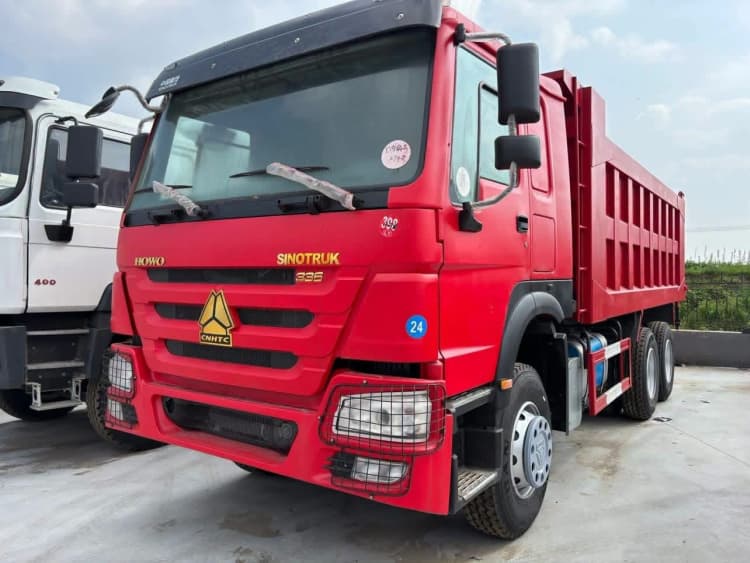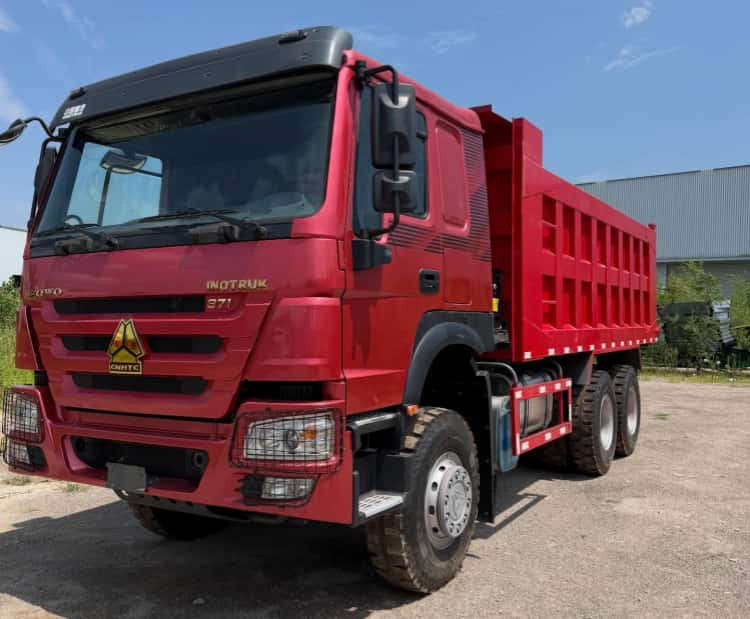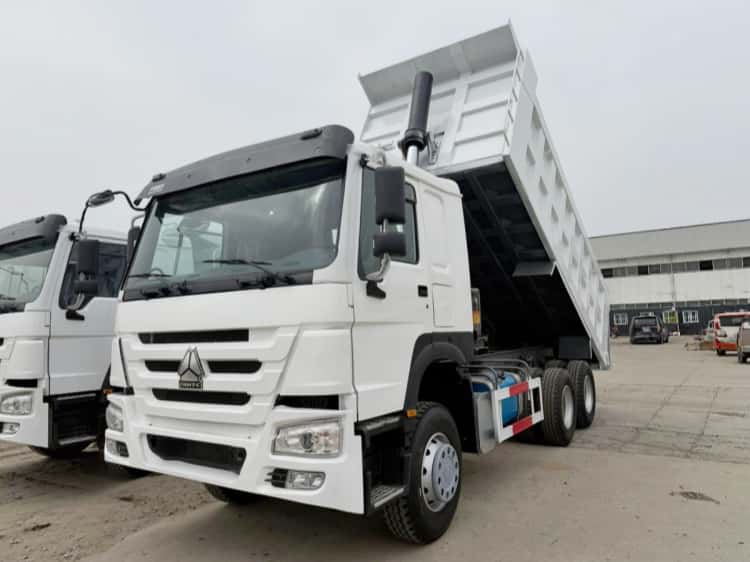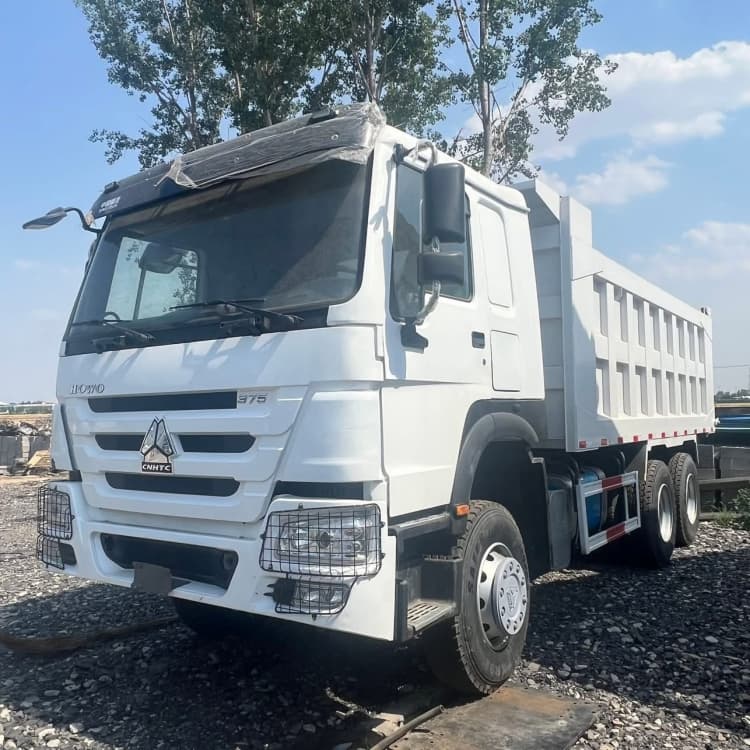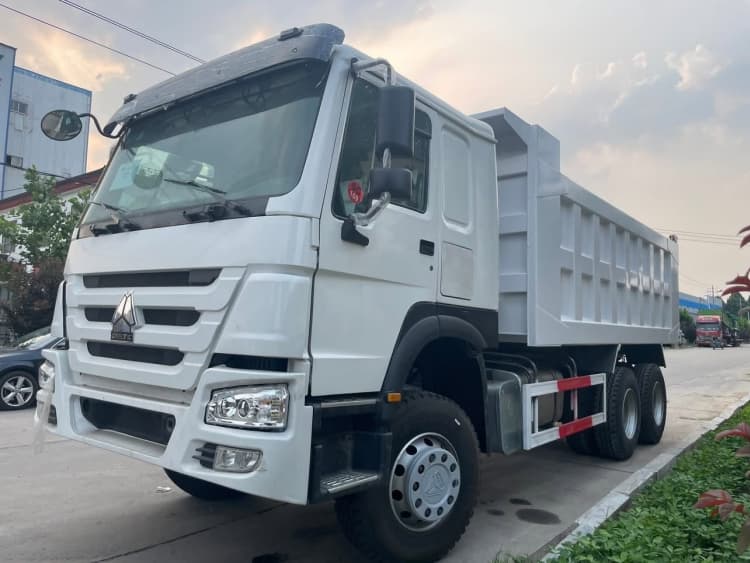
Global Circular Economy Policy Boosts Remanufacturing Industry
Intro
Governments worldwide are rolling out binding circular economy regulations, moving beyond voluntary green initiatives into enforceable standards. Extended producer responsibility, end-of-life vehicle directives, carbon accounting mandates and sustainable public procurement policies all favour lifecycle extension rather than raw material intensive new manufacturing. For heavy truck fleets, these rules are no longer distant sustainability targets; they directly affect tender eligibility, carbon reporting, taxation and asset disposal obligations.
REMAN ROAD genuine remanufacturing fits neatly into this policy landscape. Its full disassembly, NDT screening, standardised testing and traceability framework provide verifiable circularity evidence, separating genuine high value remanufacturing from simple cosmetic repair. This article explores how global circular policy tailwinds are accelerating the growth of the remanufacturing industry for heavy-duty trucks.
Extended Producer Responsibility (EPR) rules push for reuse over scrap
Many regional EPR schemes require OEMs and fleet owners to manage end-of-life chassis and component waste, with mandatory recycling and reuse targets. Sending worn trucks directly to scrap increases compliance costs and waste penalties.
Genuine remanufacturing keeps qualified frames, axles and powertrain assemblies in active service, satisfying reuse quotas. REMAN ROAD’s traceability system records which core assemblies are retained, repaired or replaced, generating clear documentation for regulators and auditors. This helps operators avoid fines and meet legal circularity obligations.
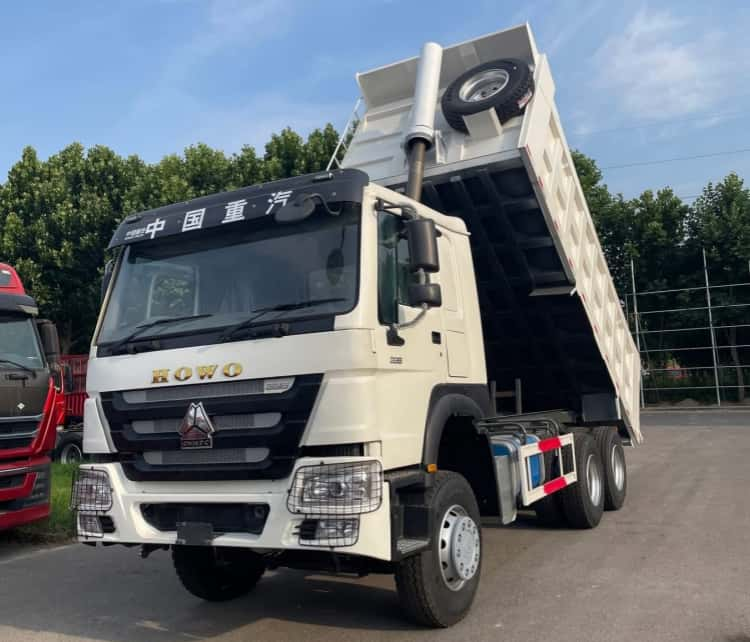
Low-carbon procurement standards open tender opportunities
An increasing number of mine operators, government infrastructure clients and large prime contractors add ESG and embodied carbon criteria into tender evaluation. Suppliers must demonstrate carbon reduction measures to qualify for haulage contracts.
Building a new heavy truck consumes massive volumes of virgin steel, alloy and energy. Certified high value remanufacturing drastically cuts embodied emissions. REMAN ROAD packages test records and lifecycle data into auditable carbon evidence, which fleets can submit to satisfy buyer sustainability requirements. This creates a commercial edge that generic used trucks cannot offer.
Harmonised circular standards reduce cross-border market barriers
Historically, remanufacturing faced inconsistent recognition across countries. Some markets treated reman parts as second-hand goods with restrictive import rules. Today, circular economy policy agendas are aligning definitions of remanufacturing, distinguishing it from repair, refurbishment and scrap recovery.
REMAN ROAD genuine remanufacturing follows consistent, OEM-aligned process and acceptance criteria. Its unified traceability file supports cross-border compliance, making certified reman trucks easier to trade between regions such as Africa, Central Asia and Southeast Asia, where reliable heavy haul assets are in high demand.
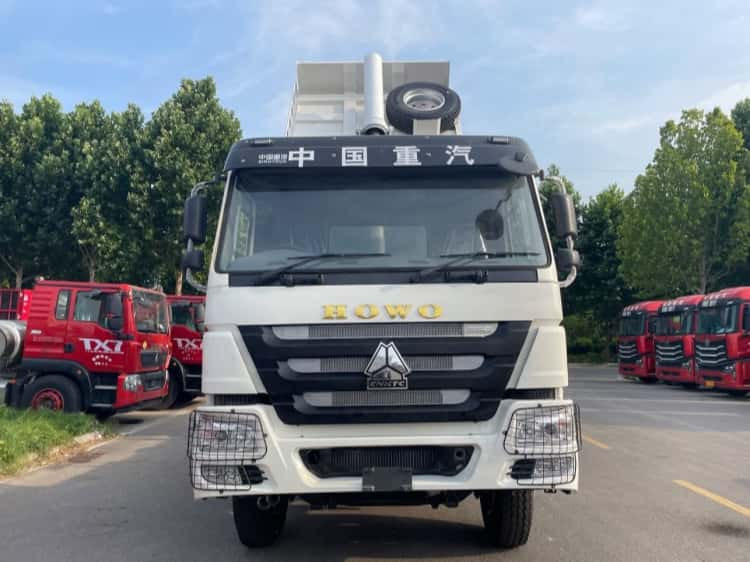
Policy incentives lower the financial barrier for reman adoption
Multiple jurisdictions offer preferential financing, tax adjustments or equipment subsidies for circular assets. These schemes reward investments that extend equipment service life and cut resource waste.
Fleets choosing REMAN ROAD certified high value remanufacturing may qualify for these sustainability incentives, further improving TCO compared with purchasing new trucks or uncertified used stock. Policy support also encourages banks and leasing firms to develop reman-friendly financing models, as traceability reduces asset-value uncertainty.
Policy drives market differentiation between reman and superficial refurbishment
One unintended risk of circular policy is greenwashing. Low-quality cosmetic refurbishment claims sustainability benefits without eliminating hidden fatigue or validating performance. Regulators are tightening verification requirements to filter out these claims.
This regulatory crackdown benefits industrial genuine remanufacturing players like REMAN ROAD. The mandatory NDT, bench testing, full-load simulation and third-party audit workflow creates defensible proof of genuine circular value. Buyers and auditors can quickly tell verified reman apart from patchwork repairs.
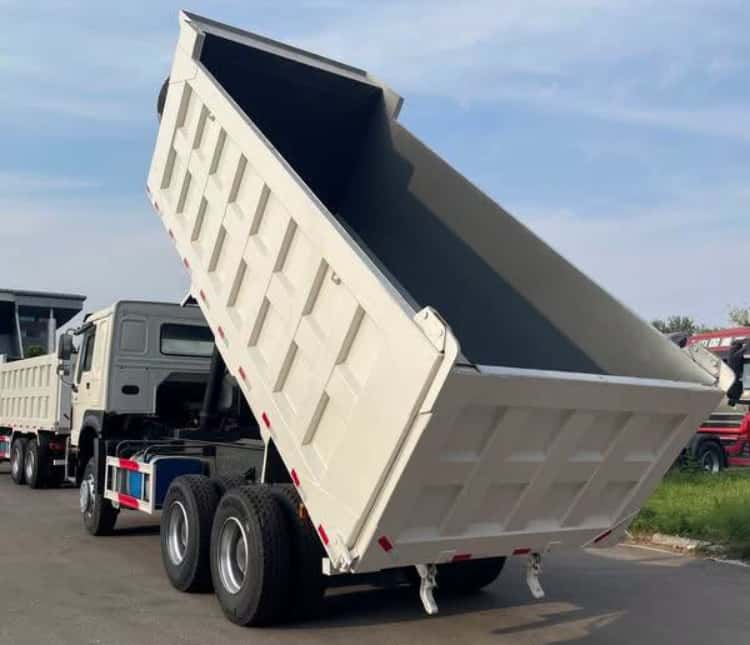
Important guardrail
Circular policy creates favourable conditions, but it does not automatically guarantee market acceptance. Reman providers must maintain strict quality control and transparent documentation. Poorly validated reman trucks risk attracting regulatory scrutiny and damaging the reputation of the whole sector.
Final Takeaway
Global circular economy regulation is shifting industrial priorities from “buy new” to “extend and reset asset life”. For fleet operators, the key takeaway is simple: REMAN ROAD certified high value remanufacturing delivers traceable resource and carbon savings, aligns with EPR, low-carbon tender and cross-border circular rules, and lets fleets turn policy compliance into a competitive commercial advantage.