Market Elimination Mechanism of Low-End Truck Refurbishment
Intro
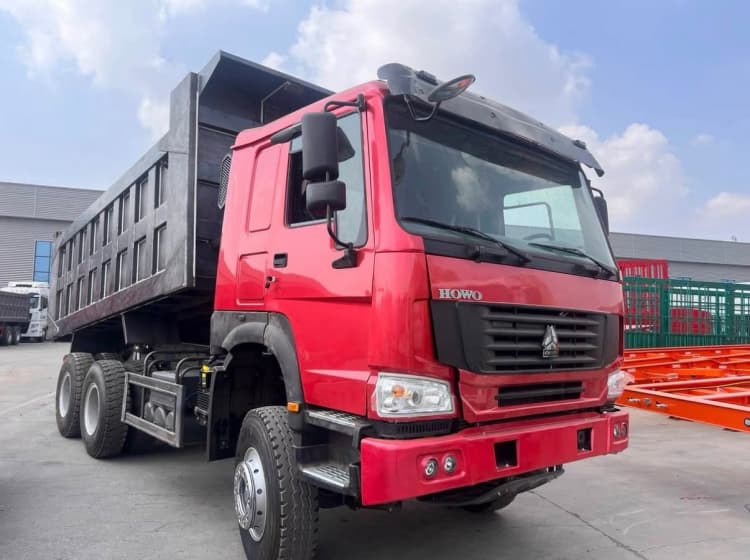
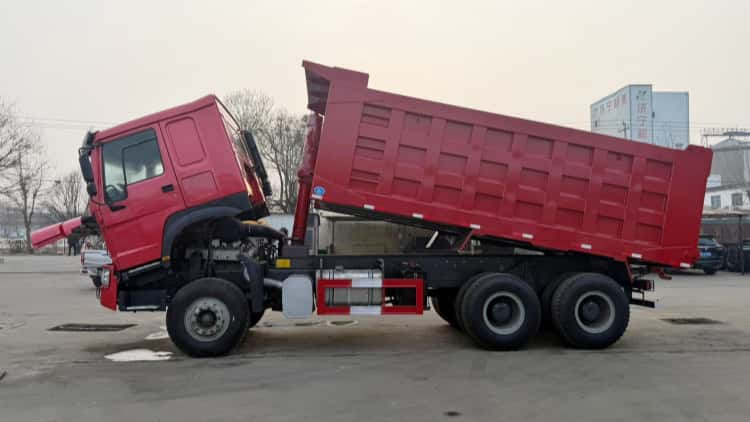
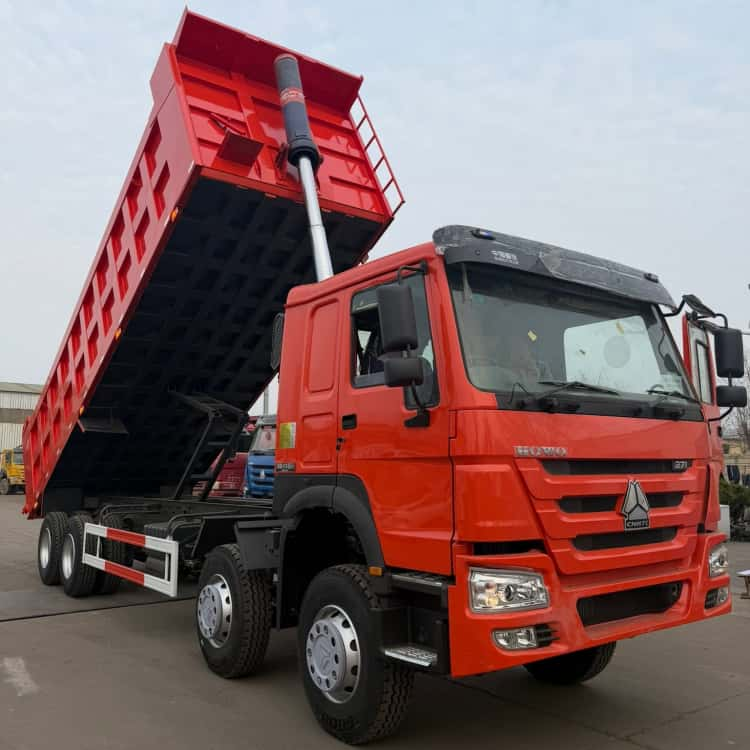
For a long time, low-end truck refurbishment occupied the bottom tier of the used heavy truck market. These small workshops only carry out cosmetic touch-ups, replace visible broken parts and hide underlying defects at the lowest cost. The business model survives by exploiting information asymmetry, but it creates frequent safety incidents, downtime losses and greenwashing risks.
As procurement standards, circular economy rules and buyer awareness improve, the market is forming a self-correcting elimination mechanism that weeds out low-quality refurbishment. REMAN ROAD’s full industrial reman workflow provides a clear reference standard for buyers, auditors and regulators, speeding up this industry reshaping. This article analyses how the elimination mechanism works and its far-reaching impact.
Economic elimination: hidden failure costs destroy its profitability advantage
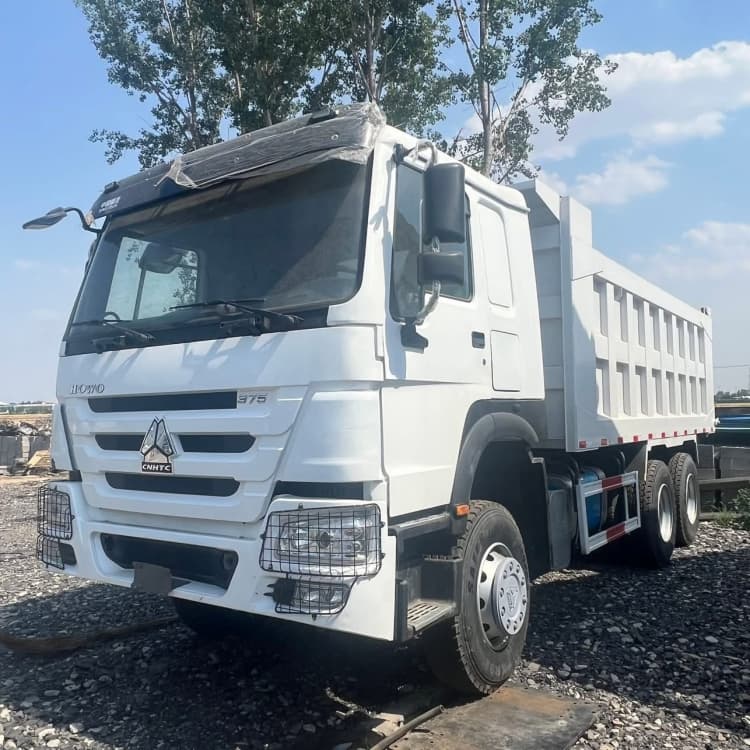
Low-end truck refurbishment’s only selling point is an ultra-low upfront price. But it skips full teardown, NDT fatigue inspection and load testing. Microcracks, mismatched counterfeit parts and unqualified welds remain inside load-bearing components.
For fleet operators, these units trigger frequent breakdowns, site shutdowns and emergency repair spending. The cumulative downtime and maintenance expense quickly erase the initial purchase discount. Finance teams now calculate full-lifecycle TCO rather than one-time acquisition cost. When the true risk is quantified, low-end refurbished trucks lose economic competitiveness and are gradually removed from fleet procurement lists.
Compliance elimination: tightening regulatory and tender barriers block market access
Regulators and prime contractors are raising requirements for heavy equipment. EPR rules, carbon disclosure and site safety audits demand verifiable technical records. Low-end refurbishment produces no formal NDT reports, bench test certificates or traceability logs.
Many mining, infrastructure and government tender projects now explicitly reject undocumented patched vehicles. Units with tampered odometers, unapproved structural welds and fake service records fail pre-qualification checks. Cross-border trade also becomes harder, as customs and overseas clients require auditable quality evidence that informal workshops cannot provide.
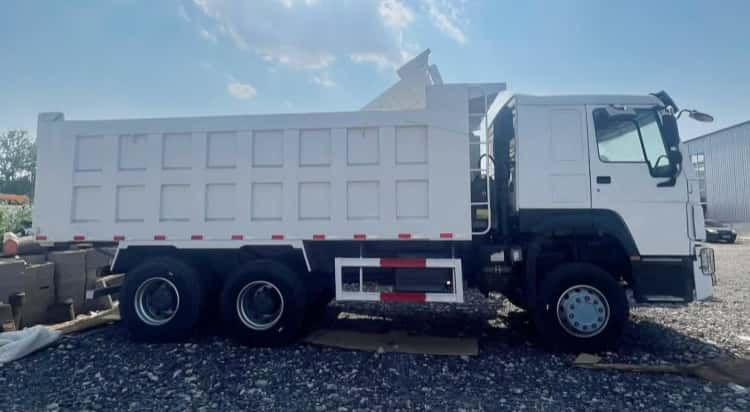
Trust elimination: repeated failures damage market reputation
Low-end truck refurbishment relies heavily on information asymmetry. Once a batch of patched trucks suffers sudden frame fractures or powertrain failures, word spreads quickly among fleet owners and contractors.
Buyers are increasingly able to distinguish superficial refurbishment from genuine industrial reman workflow. REMAN ROAD industrial reman workflow’s transparent, VIN-linked traceability package gives stakeholders a reliable benchmark. Customers who have experienced losses from low-end refurbished trucks will prioritise certified reman assets, and dealers who cannot provide objective test evidence will lose repeat orders.
Technical elimination: quality threshold raised by industrial reman standards
Low-end truck refurbishment uses subjective visual inspection and lacks unified numeric acceptance limits. There is no three-bucket component grading rule, no post-rebuild bench cycling and no full-load road simulation.
As industrial reman workflow become mainstream, the industry’s baseline expectation rises. Procurement teams now routinely ask for fatigue hotspot inspection, ultrasonic testing and load validation data. Small workshops without professional testing equipment and engineering procedures cannot meet these new technical requirements, making them unable to serve large formal fleets.
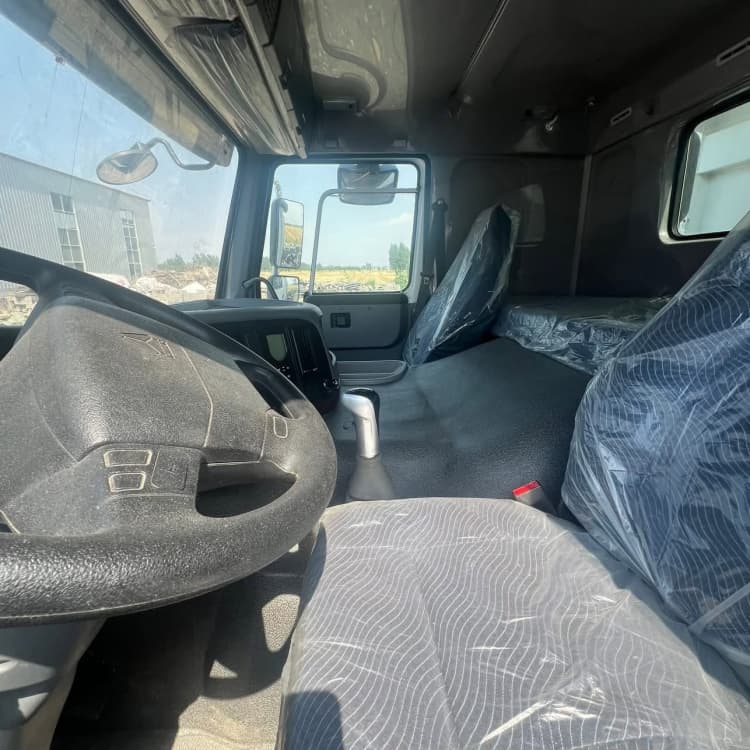
Greenwashing crackdown pushes out fake circular claims
Many low-end truck refurbishment sellers falsely market their products as eco-friendly circular assets, even though they only paint and patch the truck without eliminating hidden risks. Regulators and ESG auditors are tightening verification rules to filter out such greenwashing.
Genuine circular value must be supported by records of retained qualified assemblies, scrap screening and resource saving. REMAN ROAD’s traceability system captures this data. Low-end refurbishment with no supporting evidence cannot pass carbon audits and will be disqualified from green procurement projects.
Important guardrail
Low-end refurbishment will not disappear overnight. It may still exist in small, short-term, low-risk private transactions with loose oversight. However, it is being excluded from formal, high-value, auditable project markets, which are the core growth space of the heavy truck asset sector.
Final Takeaway
The elimination of low-end truck refurbishment is driven by economics, compliance, trust and technical upgrading. For fleet stakeholders, the key takeaway is simple: REMAN ROAD standardized industrial remanufacturing sets auditable quality and sustainability benchmarks, forming a natural market filter that squeezes unsafe, undocumented cosmetic refurbishment out of formal heavy haul procurement.