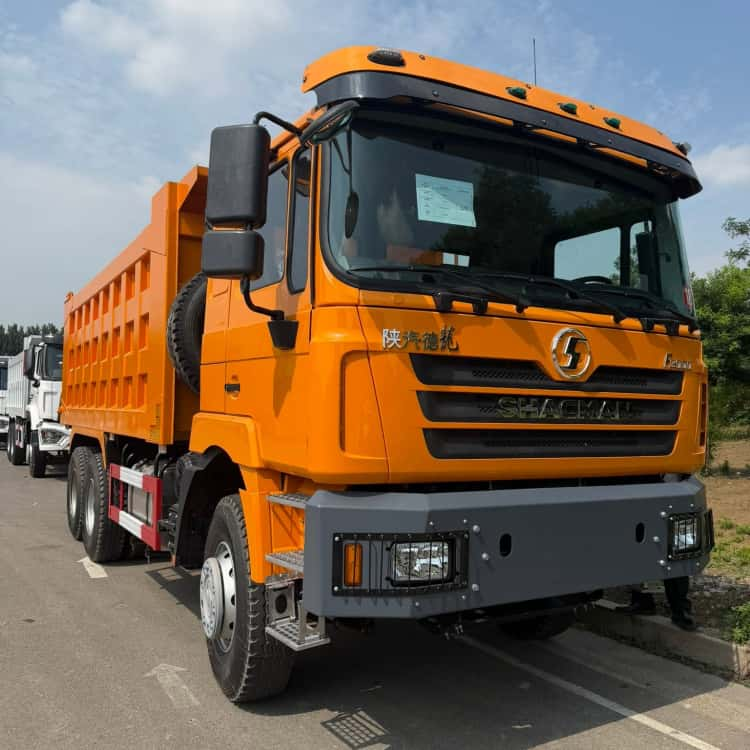
New Heavy Truck vs Reman Heavy Truck: Full Life Cycle Cost Comparison
Introduce
Fleet procurement decisions are still dominated by one question: buy new, or buy reman heavy truck? The upfront price gap is obvious, but a proper TCO analysis extends far beyond the invoice. It must account for capital depreciation, fuel consumption, maintenance intervals, downtime risk, residual value at disposal, and increasingly, carbon and compliance costs.
Under the REMAN ROAD framework, certified whole-vehicle remanufacturing is not a budget alternative — it is a distinct asset class with its own cost structure. This article builds a transparent side-by-side life cycle comparison so fleet managers can judge which option fits their operating scenario.
The comparison baseline we use
To make the numbers fair, we compare two equivalent heavy-duty long-haul tractors of the same model family:
- Asset A: A brand-new truck purchased from an authorised dealer.
- Asset B: A REMAN ROAD certified reman heavy truck, restored to OEM design specification with third-party verification. Both trucks are assumed to operate 120,000 km per year over a 5-year ownership window, on the same long-haul routes, with the same driver pool and maintenance team. All figures are indicative for structured comparison, not quotes.
Acquisition cost (CAPEX)
This is where the gap is most visible.
- New truck: Full manufacturer list price plus registration, tax and dealer margin. No negotiation flexibility on the base model.
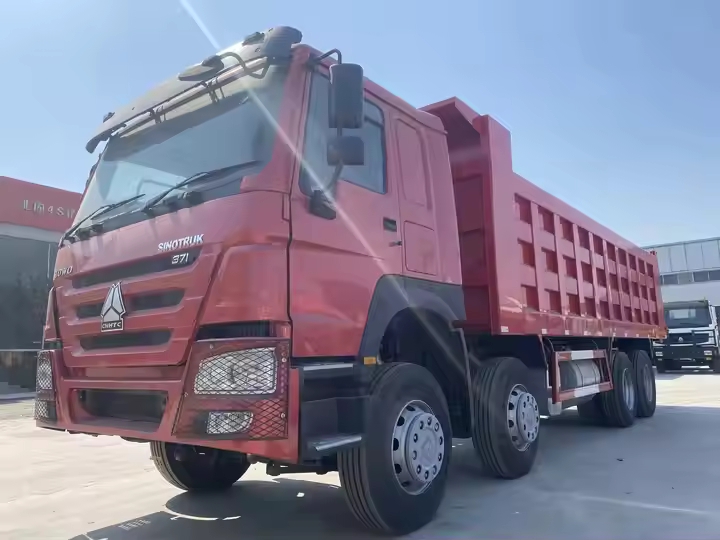
- Certified reman heavy truck: Typically lands at 55%–70% of the equivalent new truck price, depending on model age, core quality and certification tier.
- The direct cash saving at purchase is substantial. For a heavy tractor priced around USD 60,000 new, a reman heavy truck for sale may sit in the USD 30,000–40,000 range.
- However, lower CAPEX is not the whole story. A cheap informal rebuild can be even cheaper, but it carries hidden cost risk that certified reman specifically eliminates.
Capital depreciation
Depreciation is the single largest cost line for most fleets, and it behaves very differently between the two assets.
- New truck: Depreciation is steepest in the first 2–3 years. A new heavy truck can lose 25%–35% of its value the moment it leaves the dealership. By year 5, its book value may be 40%–50% of purchase price.
- Certified reman truck: The steep new-vehicle depreciation curve has already been absorbed by the first owner. The reman heavy truck for sale starts its second lifecycle at a much lower base. Its depreciation over the next 5 years is flatter, because the asset was already depreciated during its first life.
- Practical implication: the absolute depreciation loss over the ownership window is often lower for the reman heavy truck, even if its percentage depreciation looks higher on paper.
Fuel and operational efficiency
This is the area where many buyers assume new trucks win automatically.
- New truck: Latest engine generation, improved aerodynamics, low-friction components and the most current emission calibration typically deliver the best fuel economy.
- Certified reman heavy truck under REMAN ROAD standard: Restored to the OEM calibration and performance envelope of that specific model generation. Its fuel consumption matches the factory specification of a new truck of the same vintage. It will not beat a brand-new next-generation truck, but it will match or exceed the fuel behaviour of a well-maintained original truck of that model.
- Informal rebuild: May show worse fuel economy due to uncalibrated injectors, degraded after-treatment or aerodynamic damage — this is where cost risk hides.
- The TCO gap depends on model generation. If the reman heavy truck is 5–7 years behind the latest new model, fuel economy may be 5%–12% lower. This penalty must be offset against the CAPEX saving.
Maintenance and repair costs
Maintenance predictability is where certified reman earns its keep.
- New truck: Under warranty for the first 2–3 years, maintenance costs are low and predictable. After warranty, normal wear begins. Service intervals follow the OEM schedule exactly.
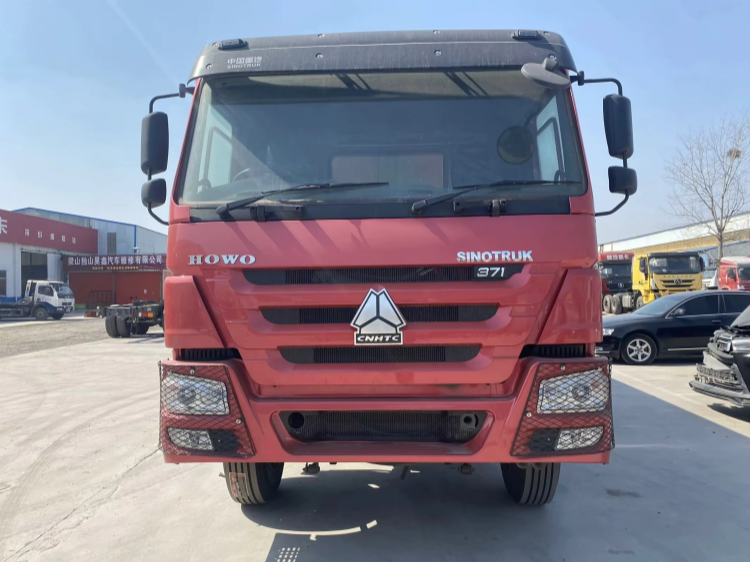
- Certified reman heavy truck: All major assemblies have been restored, graded or replaced. Components that were near end-of-life have already been retired. For the first 2–3 years of its second lifecycle, maintenance cost can be surprisingly low — comparable to a new truck under warranty.
- Spare parts availability: OEM-level reman heavy truck uses the same part numbers as the original model. No custom or cross-brand components mean maintenance procurement stays standard.
- Informal rebuild: Maintenance costs spike unpredictably. Mixed components, undocumented modifications and absent grading records create a rolling repair burden.
Downtime and reliability risk
Downtime is often the most underestimated TCO factor.
- New truck: Very low early-life failure risk. Warranty coverage means breakdown costs are absorbed by the manufacturer.
- REMAN ROAD Certified reman heavy truck: Because structural NDT and full-vehicle validation are mandatory, hidden fatigue is eliminated. The failure profile in the second lifecycle resembles a new truck rather than an aging one. REMAN ROAD certification includes warranty terms tied to the reset baseline.
- Informal rebuild: High hidden failure risk. A roadside breakdown on a long-haul route costs far more than the repair itself — driver time, cargo delay, penalties and opportunity cost can dwarf the parts bill.
- For fleets operating time-sensitive routes, the reliability premium of certified reman heavy truck is a direct TCO advantage.
Residual value at disposal
What the truck is worth after 5 years of operation also differs.
- New truck: After 5 years, it becomes a 5-year-old used truck with normal market value. Depreciation has already flattened.
- REMAN ROAD Certified reman heavy truck: After 5 more years, it becomes a truck that has completed two lifecycles. Its residual value depends on whether a second remanufacturing cycle is feasible under REMAN ROAD rules. If the core still passes screening, it can enter another regeneration, preserving value. If not, it enters regulated recycling.
- The key difference: a certified reman heavy truck comes with a full traceability file. A used truck buyer can verify its service history, which supports a higher resale value compared to an unpapered informal rebuild.
Carbon and compliance costs (the new TCO line item)
This cost category is growing rapidly and is often ignored in traditional TCO spreadsheets.
- New truck: Carries the full embodied carbon of original manufacturing. Scope 3 reporting for the fleet must account for this. Future carbon border or procurement rules may penalise high-embodied-capital assets.
- Certified reman haevy truck: Retains the embedded material value of the original core. Avoided embodied carbon is auditable through the REMAN ROAD traceability package. For fleets reporting under CSRD, GHG Protocol or tender ESG requirements, this is a quantifiable benefit.
- Compliance alignment: Reman heavy truck aligned with ELV and EPR frameworks face lower regulatory risk as heavy vehicle waste rules tighten after 2031.
- While carbon costs are not yet directly priced in most fleets, they are becoming procurement scoring factors in large contracts.
When each option wins?
- Choose new truck when: you need the latest emission standard, the most fuel-efficient generation, full manufacturer warranty, and your operating routes are extremely sensitive to fuel cost per kilometre.
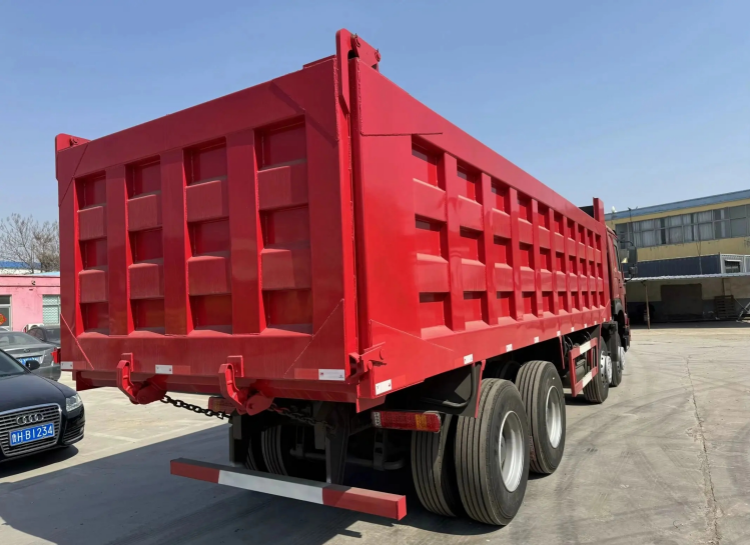
- Choose REMAN ROAD certified reman heavy truck when: you want to lower upfront capital deployment, build a mixed-age fleet, qualify for ESG-linked procurement, or operate in regions where new-truck lead times are long. The TCO advantage is strongest over 3–5 year ownership windows where depreciation savings and predictable maintenance outweigh the fuel gap.
- Avoid informal rebuild when: you care about auditable reliability. Its low purchase price is often erased within 18–24 months by downtime and repair surprises.
Closing Summary
The new-vs-reman TCO comparison is not about which truck is cheaper on day one. It is about which asset delivers lower total cost across five years of operation. A REMAN ROAD certified reman heavy truck trades a small fuel-economy gap against a large CAPEX saving, flatter depreciation, predictable maintenance and auditable carbon benefits.
For many fleets, the second lifecycle math wins — provided the remanufacturing is standardised, third-party verified and restored to OEM specification. Informal rebuilds, by contrast, create the illusion of low cost while shifting the real expense into unpredictable downtime.