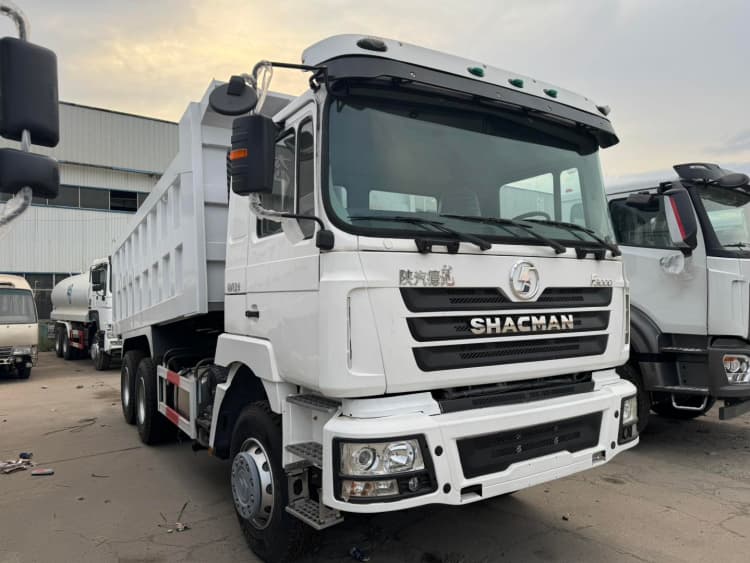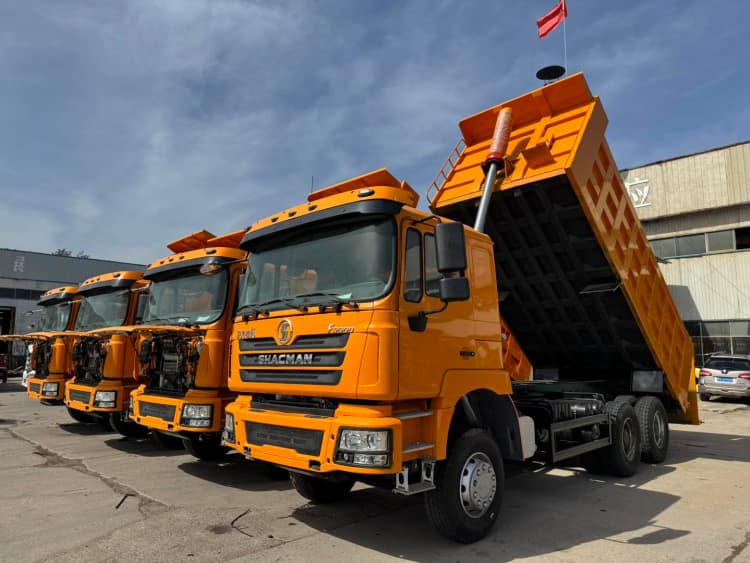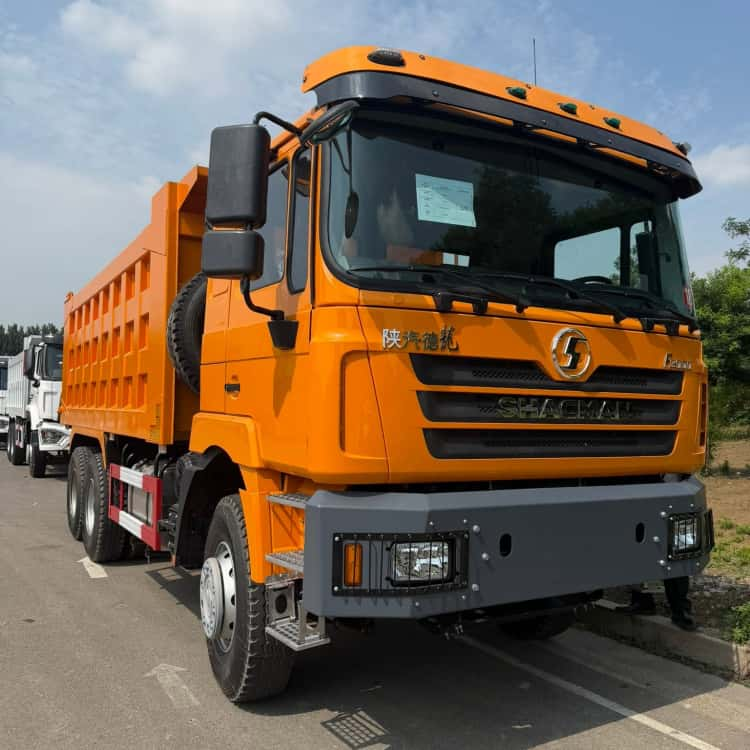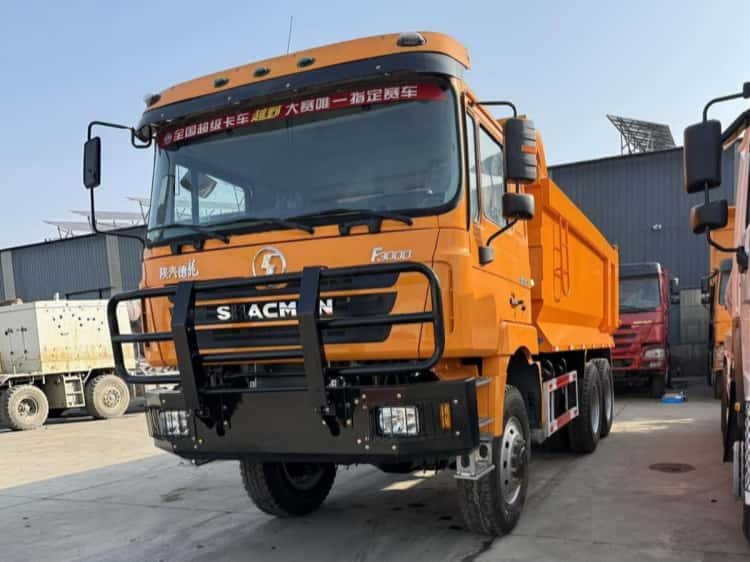
How Reman Heavy Trucks Reduce Fleet Operating Costs?
Introduce
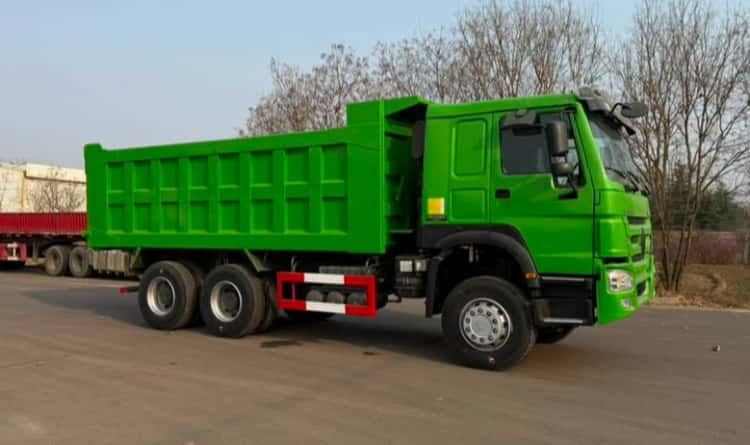
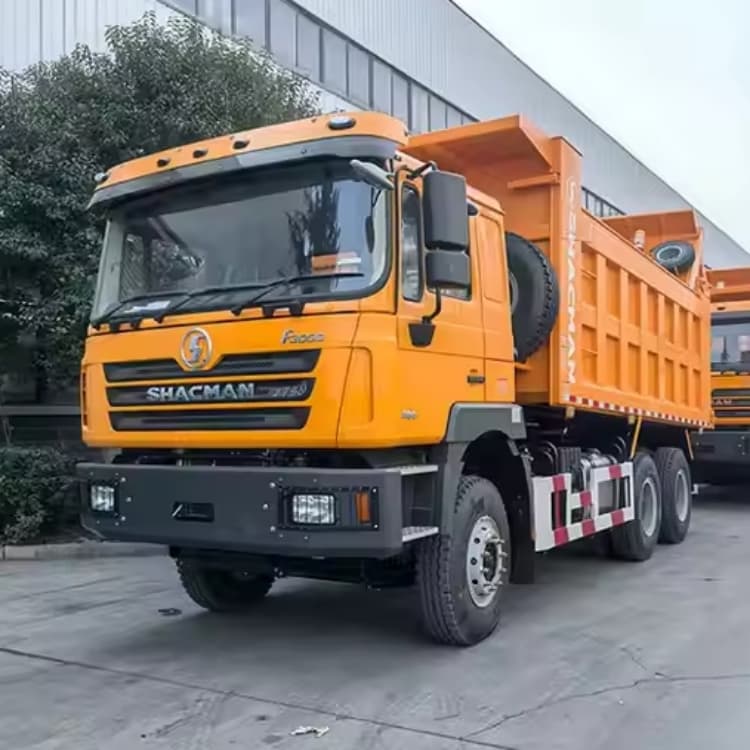
Fleet operating costs are a composite of capital outlay, maintenance expenditure, downtime losses, depreciation, insurance and compliance overheads. Many operators mistakenly assume reman heavy trucks for sale only deliver savings on the initial purchase price.
Under the REMAN ROAD standard, certified reman heavy trucks create sustained operating-cost reduction across the full service cycle, rather than just a one-time discount at checkout. This article breaks down the practical cost levers and distinguishes genuine savings from the false low-price appeal of unregulated refurbishment.
Lower upfront capital expenditure and improved cash flow
The most immediate financial benefit sits in capital budgeting.
- REMAN ROAD certified reman heavy trucks for sale typically costs 55%–70% of the equivalent new vehicle. This cuts the lump-sum CAPEX required to expand or renew the fleet.
- Reduced capital spending frees cash for other priorities: spare-parts inventory, driver welfare, site infrastructure or additional fleet expansion.
- For fleets using financed procurement, the principal amount, monthly instalments and total interest burden all decrease accordingly.
- This advantage does not force operators to compromise on vehicle performance. Certified reman restores the truck back to its original OEM performance and safety envelope.
Flatter depreciation curve reduces book-value loss
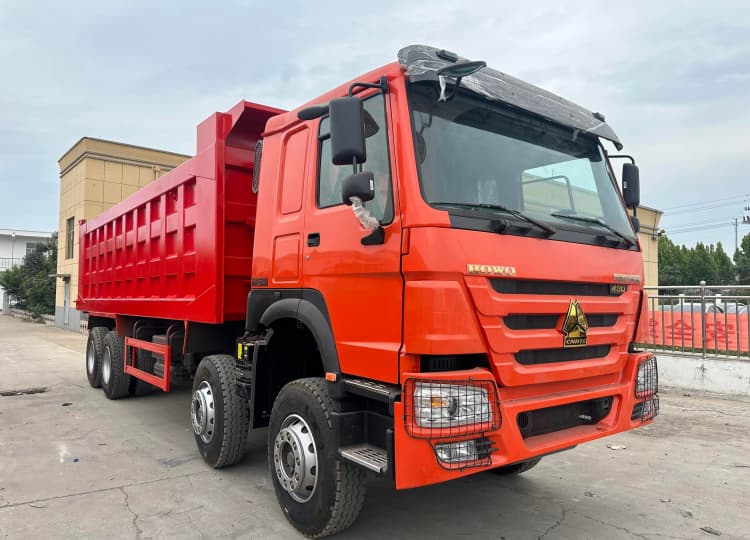
Depreciation is usually the largest single cost item for heavy fleets.
- New heavy trucks suffer sharp depreciation in their first two to three years, losing a large share of value immediately after leaving the dealer lot.
- The steep first-life depreciation has already been absorbed by the original owner of the reman core. Certified reman heavy trucks enters its second lifecycle at a lower valuation base.
- Over a standard 3–5 year holding period, the total depreciation write-down is generally much smaller than that of a new truck held for the same period.
- Thanks to complete VIN-linked traceability records, certified reman heavy trucks also hold clearer residual value compared with undocumented rebuilt units when resold or recycled.
Predictable maintenance cycles and fewer surprise repair bills
Unplanned maintenance is a silent driver of fleet overspend.
- During REMAN ROAD production, every component is fully disassembled, inspected against OEM tolerances, graded, restored or replaced. Near-end-of-life parts are eliminated before delivery.
- In the first 2–3 years of its second lifecycle, a properly reman heavy trucks enjoys stable maintenance patterns similar to a new unit under factory warranty. Wear parts follow defined service intervals.
- The workflow retains original OEM part numbers and system architecture. No mismatched, custom-modified assemblies are introduced. Maintenance teams can use standard diagnostic tools and widely available spare parts.
- This contrasts sharply with informal refurbishment, where only obvious faults are patched. Hidden wear accumulates and triggers cascading, costly breakdowns.
Reduced downtime and avoided disruption penalties
Downtime loss often exceeds the cost of spare parts and labour for repairs.
- REMAN ROAD mandates pre-rebuild NDT structural inspection, bench testing and full vehicle road validation before release. Critical failure risks such as frame fatigue, brake system defects and powertrain imbalance are ruled out.
- Lower unplanned downtime means fewer missed delivery schedules, fewer cargo liquidated damages and less idle driver cost. For mining and long-haul fleets operating on tight contract schedules, this saving is highly material.
- When maintenance is needed, standardised component design shortens diagnostic time. Service technicians are familiar with the vehicle’s configuration.
- A consistent warranty framework tied to the reman standard gives the fleet recourse if a covered assembly fails prematurely.
Stable fuel consumption eliminates hidden efficiency losses
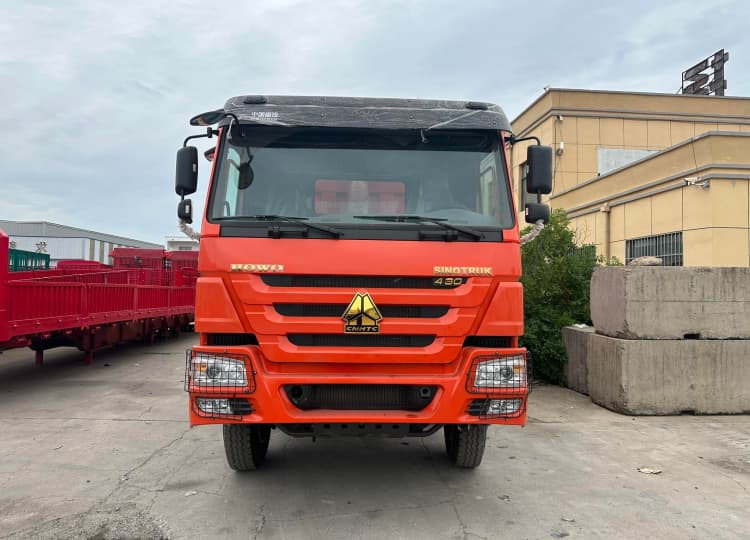
Poor fuel economy from botched rebuilds erases all upfront savings.
- Certified reman follows OEM calibration standards for the engine, fuel system and aftertreatment. Fuel consumption matches the factory specification for that model generation.
- There is no hidden penalty from misadjusted injectors, compromised aerodynamics, binding brakes or degraded exhaust treatment systems common in low-quality rebuilds.
- While the fuel efficiency of an older reman model may not match the latest-generation new truck, it removes the risk of drifting, rising fuel burn that plagues unstandardised restoration.
- Fleet finance teams can build stable fuel budgets, without unexpected monthly fuel-cost inflation across the fleet.
Optimised insurance and risk-related expenses
Safety and traceability translate directly to insurance benefits.
- NDT structural checks, full-system validation and documented safety margins reduce the frequency of serious safety incidents. Insurers recognise this controlled risk profile.
- Complete, auditable vehicle history linked to the VIN provides insurers with clear proof of condition, unlike unknown-history rebuilt trucks which are often priced at higher risk tiers.
- Lower incident frequency also cuts indirect costs: accident administration, investigation work, excess payments and reputational risk on customer contracts.
ESG and tender-linked commercial advantages
These benefits may not appear on a traditional maintenance spreadsheet, but they improve overall fleet economics.
- Certified reman generates auditable avoided embodied carbon and waste diversion data. This helps fleets qualify for ESG-linked financing, green tender bonus points and sustainable contract eligibility.
- Many global EPC, mining and logistics tenders now reward suppliers with verified circular assets. REMAN ROAD documentation can help the fleet win contracts that would otherwise be unavailable.
- Proper classification also avoids greenwashing penalties and audit disputes that can lead to payment withholding or tender disqualification.
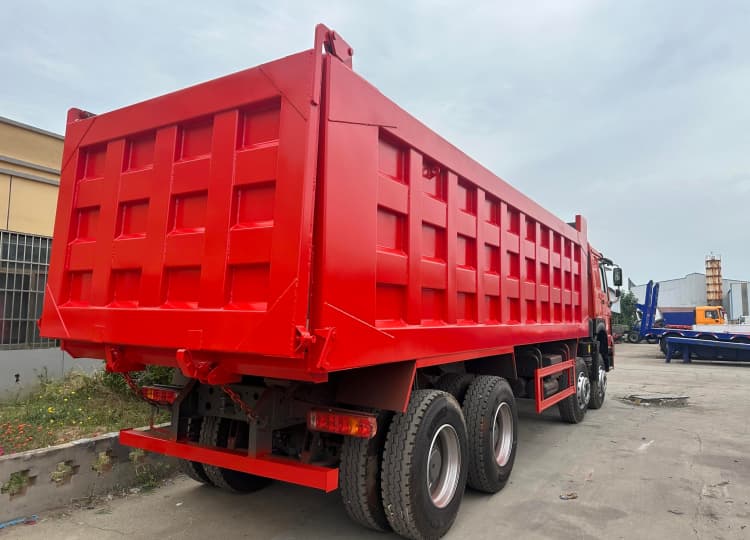
Clear boundaries: where reman heavy trucks will not cut costs?
It is important to manage realistic expectations.
- If you require the very latest low-emission engine generation for regulatory reasons, reman units of older platforms may not be suitable.
- Savings depend entirely on adherence to a formal standard. Cheap, undocumented rebuilds create false savings and usually become more expensive over time.
- Certified reman still requires scheduled servicing, consumable replacement and normal operational care. It is not a “maintenance-free” asset.
Closing Summary
Certified reman heavy trucks for sale reduce fleet operating costs through multiple mutually reinforcing channels: lower initial capital outlay, gentler depreciation, predictable maintenance schedules, reduced unplanned downtime, stable fuel consumption and improved risk positioning.
The REMAN ROAD standard ensures these savings are reliable, rather than the temporary illusion of low pricing offered by informal refurbishment. For most mid-to-long fleet holding cycles, the cumulative operational savings turn reman from a budget alternative into a financially competitive strategic asset.