Asset Residual Value: Do Remanufactured Heavy Truck Preserve Value Better?
Intro
Residual value is often overlooked when fleets purchase heavy trucks, yet it directly shapes total cost of ownership. Many operators assume remanufactured heavy truck will depreciate rapidly and lose value faster than standard used trucks. The reality is nuanced: properly certified remanufactured heavy truck can preserve asset value far better than unprocessed second-hand trucks, thanks to traceable documentation and controlled performance standards.
What Drives Residual Value for Heavy Trucks?
Resale value for heavy commercial vehicles depends on four core factors: verified mechanical condition, service history, formal certification and consistent performance.
- Ordinary used trucks usually come with incomplete records. Buyers cannot confirm whether past failures were fully fixed or just patched. Uncertainty forces second buyers to discount heavily.
- Certified remanufactured heavy truck carry a formal remanufacturing workflow record, test reports and warranty terms. This creates trust for future buyers and supports a more stable valuation.
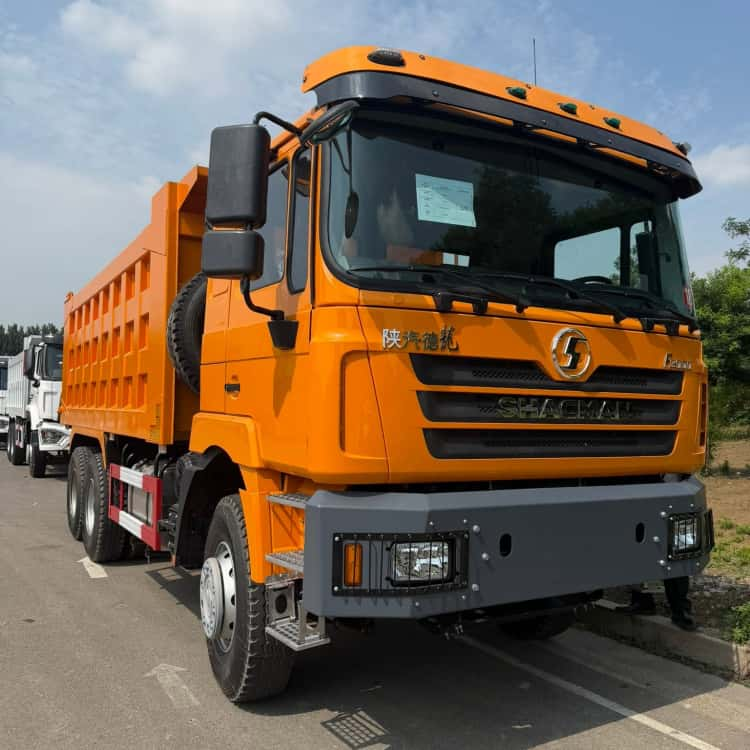
Depreciation Curve Comparison
- Brand-new heavy trucks: Sharp initial depreciation in the first 2–3 years, highest starting value.
- Ordinary used trucks: Value drops unevenly. A hidden breakdown can permanently slash its market price overnight.
- Certified remanufactured heavy trucks: After reman delivery, depreciation becomes slower and more linear. The asset gets a new performance baseline, which supports a stronger resale floor.
A key difference: uncertified repaired trucks carry “unknown risk” depreciation. Certified remanufactured heavy trucks carry documented, auditable condition, which reduces risk discounting in secondary markets.
How REMAN ROAD Certification Protects Resale Value?
- Full process traceability Every disassembly, inspection, machining and component replacement is logged. The full report transfers to the next owner.
- Fixed performance benchmarks End-of-line testing confirms power, fuel consumption and leak-free operation. Future buyers do not need to guess the truck’s true condition.
- Transferable warranty Many certified reman packages include transferable warranty coverage. This is one of the strongest value anchors in resale negotiations.
- Uniform quality standard Buyers recognise the REMAN ROAD brand standard, instead of treating every truck as a unique gamble. This improves market liquidity.
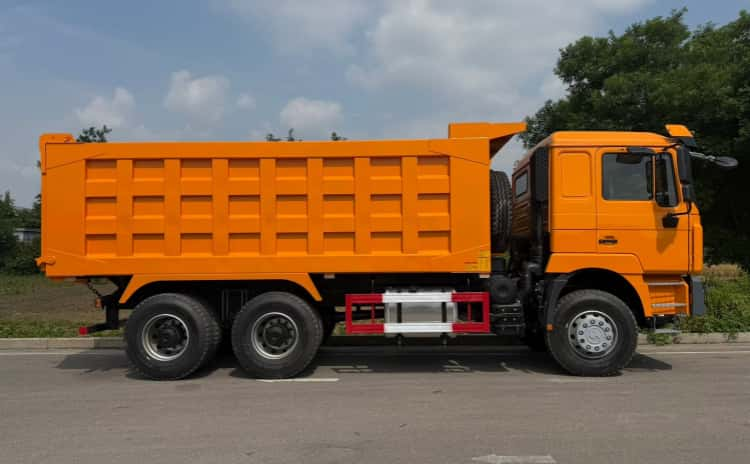
Common Risk That Hurts Remanufactured Heavy Truck Residual Value
Not all remanufactured heavy trucks hold value well. Poorly executed partial rebuilds will hurt residual value badly:
- No formal test documentation
- Mixed cheap aftermarket parts without traceability
- Skipped critical inspection steps
- No clear certification label or standard compliance
These units are treated the same as patched used trucks by the market, with no residual value advantage.
Practical TCO Viewpoint
When calculating TCO, residual value acts as a credit at the end of ownership. If two trucks have similar upfront purchase cost, but the certified remanufactured heavy trucks retains 10–18% more residual value at disposal, the real operating cost gap widens significantly. This matters for fleets that rotate assets regularly, sell trucks after fixed mileage cycles or plan asset refinancing.
Market Limitations
Remanufactured heavy trucks will not match the residual value of late-model brand-new trucks. The base chassis year and original VIN still remain, and some buyers will always prioritise factory-new vehicles. Residual value also varies by region: markets with established reman standards and repair networks reward certified remanufactured heavy trucks more strongly.
Final Takeaway
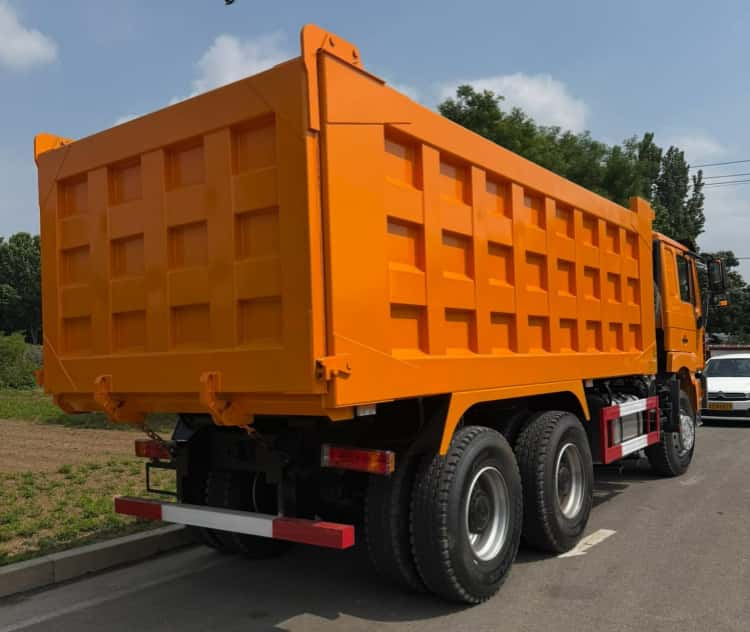
Remanufactured heavy trucks do not automatically preserve value better. Only fully standardised, documented and certified remanufactured trucks outperform ordinary used trucks on residual value. The value advantage comes from reduced uncertainty for future buyers. For fleets managing assets on a rotation plan, this stable residual profile is a meaningful financial benefit that complements fuel savings and uptime gains.