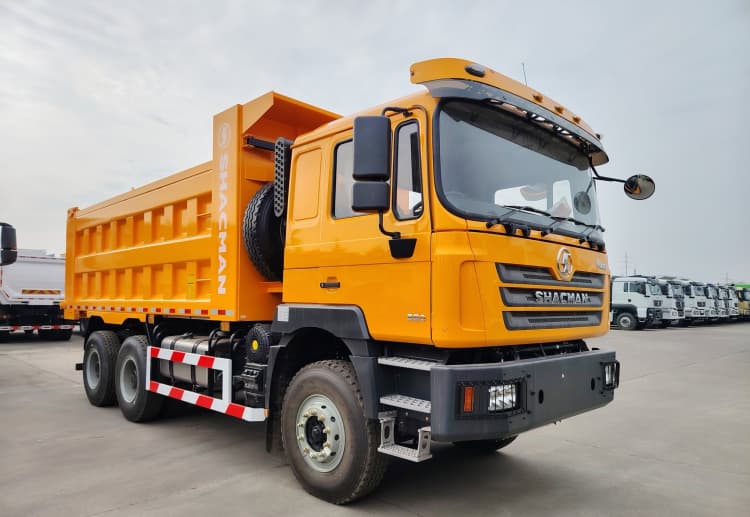
Fuel Economy Performance of OEM-Level Heavy Duty Reman Trucks
Intro
For fleet owners and owner-operators, fuel cost dominates the lifetime operating budget of heavy-duty trucks. Many buyers still assume heavy duty reman trucks for sale consume far more diesel than brand-new units, while cheap repaired used trucks suffer from drifting fuel curves and hidden waste. OEM-level heavy duty reman trucks for sale, built against original factory performance benchmarks, deliver stable, predictable fuel economy — this is one of their most overlooked TCO advantages.
What Makes OEM-Level Remanufacturing Different from Basic Repairs?
A simple overhaul or partial component rebuild only fixes obvious failures. It does not reset the whole powertrain back to factory clearance and calibration standards. Wear accumulates silently: leaking injectors, degraded turbo seals, piston ring blow-by, increased internal friction and out-of-spec ECU maps all gradually push fuel consumption higher, often by 8–15% on worn, casually repaired trucks.
OEM-Level remanufacturing follows controlled, repeatable workflows:
- Critical engine parts are fully inspected, machined, coated or replaced to match original OEM tolerances
- Fuel injectors, high-pressure fuel pumps and turbochargers are flow-tested and calibrated
- Cylinder compression, valve timing and crankshaft balance are restored
- Drivetrain (gearbox, differential, bearings) friction losses are eliminated
- ECU and fuel maps are recalibrated to factory-approved settings, not makeshift tuning
The result: combustion returns to the original design efficiency. Unburnt fuel, black exhaust smoke and random fuel spikes are largely eliminated.
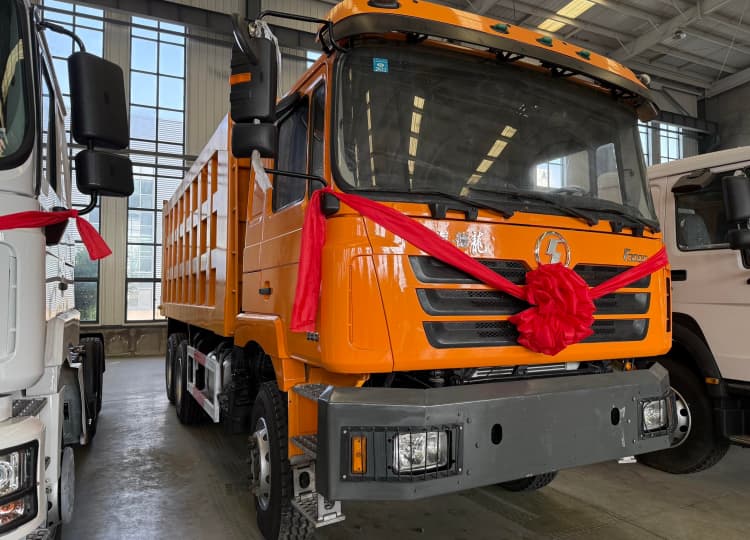
Real-World Fuel Economy Benchmark
Fuel consumption always shifts with payload, route gradient, tyre condition, speed and driver behaviour. Still, consistent testing under matched operating conditions shows clear gaps:
- Poorly maintained used heavy trucks: highest fuel variance, frequent consumption spikes
- OEM-level reman trucks: fuel figures stay within 1–3% of the original new-vehicle factory rating, far more stable than casually rebuilt units
- Brand-new heavy trucks: best headline efficiency, but paired with much higher acquisition cost and steep depreciation
For mixed highway and off-highway cycles (construction, mining, regional haul), properly certified reman fleets often deliver a 6–10% fuel saving versus non-standard repaired trucks of the same base model and engine type. The saving compounds rapidly for high-mileage fleets.
Key Systems That Lock in Consistent Fuel Efficiency
- Fuel injection system Precision reman injectors maintain stable spray patterns and injection timing. Drift in injection pressure is the top cause of invisible fuel waste in ageing diesel engines.
- Engine sealing and compression integrity Restored cylinder liners, piston rings and valve seats stop blow-by. Stable compression ratio means complete, efficient combustion at every load point.
- Turbo and air intake system Reman turbos with balanced rotating assemblies deliver correct boost response. Air leaks from cracked hoses or loose clamps are eliminated during inspection.
- Drivetrain and rolling resistance Gearbox, axle and bearing wear create parasitic drag. OEM reman resets these clearances, while standardised tyre inspection and alignment reduce rolling resistance.
- Exhaust & aftertreatment Where applicable, remanufactured SCR/DPF systems run correctly, preventing derate events that force inefficient engine operation.
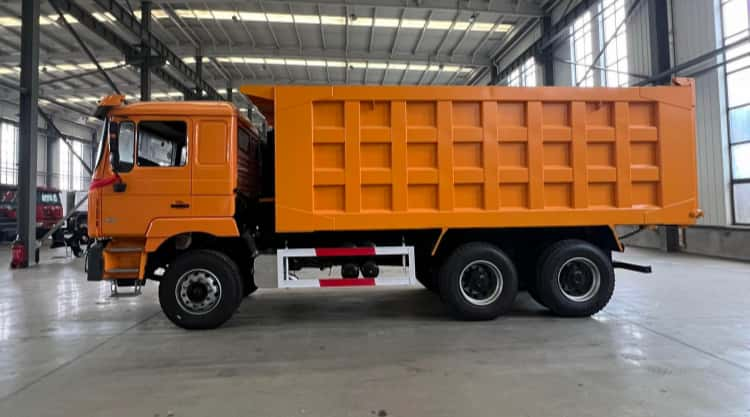
Fuel Economy as a TCO Decision Point
Buyers often compare only upfront purchase price. Fuel is a recurring expense that runs year after year. Heavy duty reman trucks for sale with unstable fuel performance can erase its price discount within 12–24 months.
OEM-level heavy duty reman trucks for sale removes that risk:
- Predictable fuel budgeting for fleet planning
- Less variance between individual trucks in the same fleet
- Lower emissions alongside lower fuel burn
- Extended retention of fuel performance over the reman service life
Unlike cheap refurbished trucks that start drifting upward in fuel use soon after delivery, certified heavy duty reman trucks for sale retain their calibrated economy for hundreds of thousands of kilometres, supported by standardised inspection and warranty coverage.
Limitations to Understand
Reman trucks cannot outperform the original OEM design specification. If the base engine platform is inherently less efficient than a brand-new late-generation model, the reman version will not close that generational technology gap. The core value is restoring the engine’s original designed efficiency at a fraction of the new-truck investment.
Fuel performance also depends on post-delivery care: regular filter service, correct tyre pressure and route-appropriate driver habits remain essential.
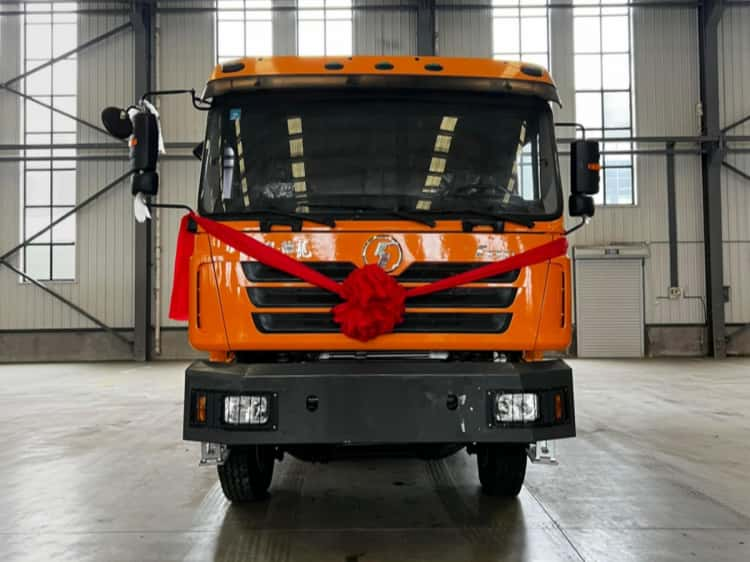
Final Takeaway
OEM-level heavy duty reman trucks are not “old trucks patched up to run”. They are powertrain and chassis assets reset to factory performance standards, with fuel economy tightly controlled and verified during end-of-line testing. For operators balancing capital budget, uptime and long-term fuel spend, stable, near-new fuel efficiency is a core reason reman fleets make strong commercial sense.