Sustainable Development Advantages of OEM-Level Remanufacturing
Introduce
Sustainability in heavy transport is often simplified into raw carbon reduction or waste diversion. However, genuine sustainable development balances environmental protection, operational safety, predictable economic returns and orderly industrial governance. OEM-level remanufacturing means whole-vehicle lifecycle reset strictly aligned with original OEM design specifications, tolerance thresholds, calibration logic and safety envelopes — not just matching surface performance. Within the REMAN ROAD system, this tier of reman sets itself apart from generic rebuilds and low-standard restoration. It creates durable, multi-dimensional sustainability benefits rather than one-off green gains.
Preserve the original engineering design intent of the vehicle
The core foundation of OEM-level remanufacturing sustainability lies in respecting the original design logic.
- Every heavy truck is engineered as an interconnected system: frame strength, powertrain matching, brake response, suspension geometry and after-treatment systems are calibrated as a whole by the OEM.
- Non-OEM rebuilds frequently alter component matching, adjust power curves or substitute incompatible assemblies to cut costs. These modifications break the original system balance, introducing hidden safety risks and accelerating uneven wear.
- OEM-level remanufacturing follows official service drawings, torque standards and assembly sequences. Restoration returns the vehicle to the state the manufacturer intended, instead of creating a custom hybrid build.
- This design fidelity ensures the asset’s safety reserve, load capacity and emission performance remain stable throughout its second lifecycle. Sustainability cannot exist if safety margins are compromised.
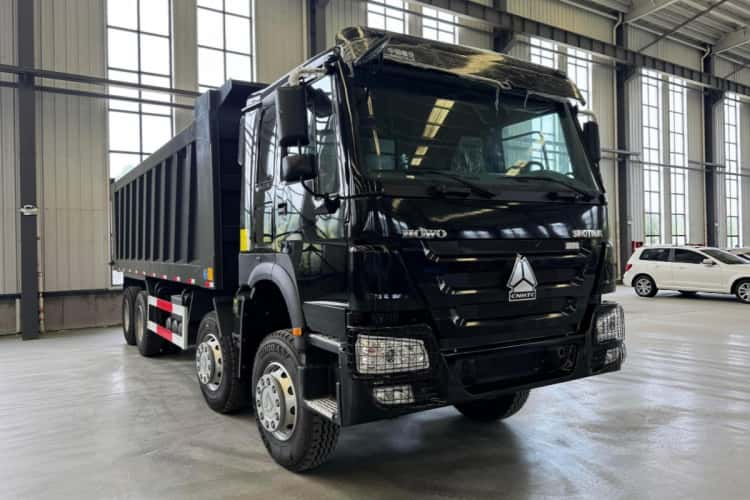
Higher and more credible embodied carbon savings
Circular carbon benefits only hold when the retained core can reliably deliver its full second service life.
- OEM-aligned workflows start with strict core screening and NDT structural verification. Only assets that meet OEM residual strength requirements enter regeneration.
- Full disassembly, component grading and replacement rules are referenced directly to OEM tolerance limits. Parts are restored or retired according to official criteria, rather than subjective workshop judgement.
- Because the finished truck matches new OEM performance benchmarks, the counterfactual for avoided embodied carbon is clear and defensible: replacing a new truck purchase.
- Unlike informal rebuilds that may fail prematurely, OEM-level remanufacturing delivers a predictable service life. Carbon amortisation assumptions in LCA and Scope 3 accounting remain stable and acceptable to third-party auditors.
Stabilise emissions performance and support long-term air quality goals
For heavy-duty vehicles, exhaust emissions are a critical sustainable development factor beyond carbon.
- OEM-level remanufacturing includes full recalibration of engine ECUs, SCR, DPF and exhaust after-treatment systems to factory emission maps.
- Informal restoration often overlooks after-treatment calibration, leading to elevated NOx, particulate emissions or frequent breakdown of emission control parts.
- When reman units maintain OEM emission compliance over their second lifecycle, fleets avoid non-compliance fines and reduce local air pollution. This is especially valuable for urban logistics, port haulage and mining zones with strict emission supervision.
- REMAN ROAD requires emission bench and road testing as a final validation gate, locking in this environmental advantage.
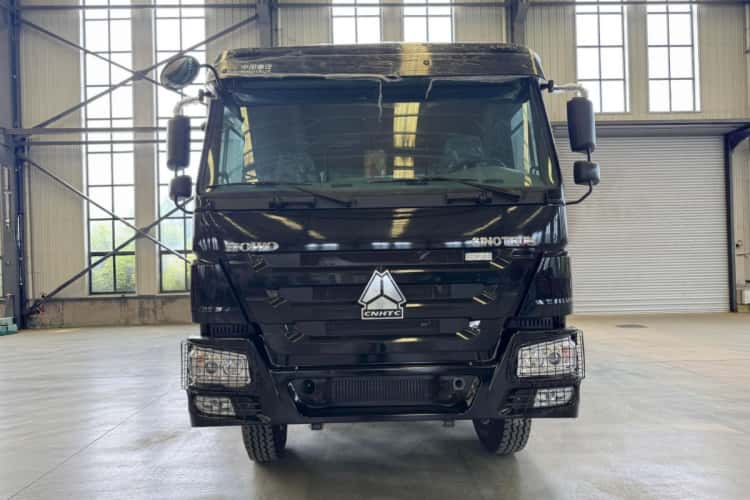
Standardised spare part compatibility and reduced downstream waste
A hidden sustainability burden of modified rebuilds is fragmented spare part compatibility.
- Trucks restored outside OEM specs often use non-standard, cross-brand assemblies. Once they enter service, compatible replacement parts are hard to source. Many of these modified units become premature waste when specialised components are no longer available.
- OEM-level remanufacturing retains original part numbers and system interfaces. The vehicle shares the same maintenance supply chain as new trucks of that model.
- Maintenance teams can use standard service manuals, diagnostic tools and genuine or qualified equivalent spare parts. Fewer custom-made ad-hoc parts are produced, cutting associated industrial waste.
- Extended serviceability delays end-of-life disposal and stabilises the reverse supply chain for the whole fleet.
Unified safety baseline and reduced social risk
Sustainable development includes social dimensions: protecting drivers, road users and field maintenance crews.
- Heavy truck failures caused by mismatched rebuilt systems carry severe consequences such as brake failure, frame fracture or steering malfunction. These create safety incidents, insurance losses and social hazards.
- OEM-level remanufacturing uses the manufacturer’s original safety calculation envelope. Load limits, stress points and restraint performance are unchanged.
- Third-party verification under REMAN ROAD records structural inspection, load testing and system validation. This creates traceable liability documentation.
- For fleet operators, consistent safety performance lowers accident rates, cuts insurance premiums and reduces downtime. Sustainable operation cannot be separated from occupational and public safety.
Harmonise with OEM circular strategies and EPR obligations
Many heavy vehicle OEMs are building their own circular roadmaps and extended producer responsibility (EPR) schemes.
- OEM-level remanufacturing is naturally compatible with OEM disassembly manuals, spare part hierarchies, component take-back programmes and ELV compliance requirements.
- It helps OEMs meet reuse and reman targets set by regulators, without relaxing engineering standards.
- When independent reman factories adopt OEM-aligned standards, they become complementary partners instead of disruptive low-quality competitors. This fosters a healthier industrial ecosystem, rather than a race-to-the-bottom rebuild market.
- For cross-border trade, OEM specification alignment reduces disputes over roadworthiness certification and technical admissibility.
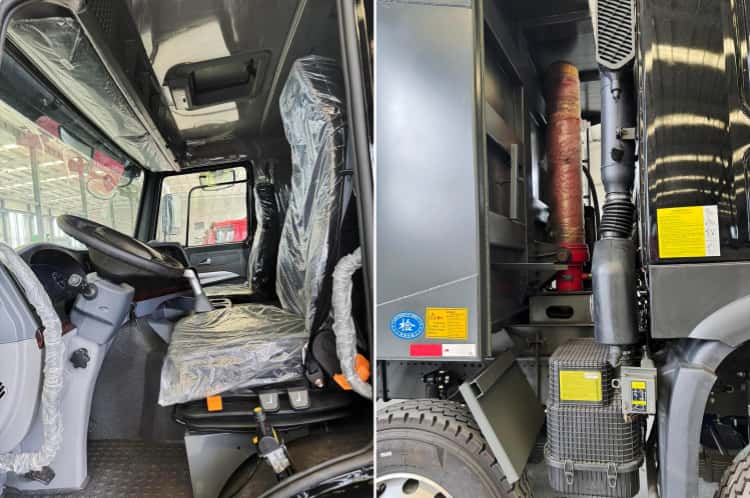
Optimise fleet TCO and deliver economic sustainability
True sustainability requires economic viability; a circular solution that is financially unsustainable cannot scale.
- OEM-level reman units have predictable maintenance cycles, diagnostic procedures and component lifespans, same as new vehicles. Fleet maintenance schedules, spare part stocking and downtime forecasting become reliable.
- While its upfront cost is higher than cheap refurbishment, its longer, stable second lifecycle lowers long-run total cost of ownership.
- It gives fleets a balanced procurement option between high-priced new trucks and high-risk informal rebuilt units. Stable returns encourage fleets to scale circular procurement, creating steady demand for qualified cores. This matures the whole reverse supply chain.
Clear boundary to avoid greenwashing and support global market alignment
One systemic advantage is terminological and technical consistency.
- OEM alignment provides an objective benchmark to separate genuine reman from cosmetic refurbishment, partial overhaul and modified rebuilds.
- Buyers, auditors, insurers and regulators can reference the same OEM engineering baseline when reviewing ESG claims, warranty terms and quality records.
- Combined with the REMAN ROAD framework, OEM-level remanufacturing creates a shared global technical language for cross-border reman trade. This reduces regional definition gaps that slow circular asset circulation.
Key Caveat
OEM-level remanufacturing does not mean only OEM-owned reman facilities can deliver it. Independent reman factories may also achieve this standard, as long as they follow OEM drawings, tolerance rules, calibration protocols and pass required third-party verification. The standard is defined by engineering alignment, not factory ownership.
Closing Summary
OEM-level remanufacturing anchors sustainable development on original vehicle engineering logic. It delivers auditable embodied carbon savings, stable exhaust emission performance, consistent road safety, compatible spare part ecosystems and viable long-term TCO for fleets. It aligns smoothly with EPR, ELV and global ESG disclosure rules, while setting a clear dividing line between standard lifecycle reset and low-standard modification. Under REMAN ROAD, it represents a balanced circular pathway that integrates environmental, social and economic sustainability for the global heavy vehicle industry.