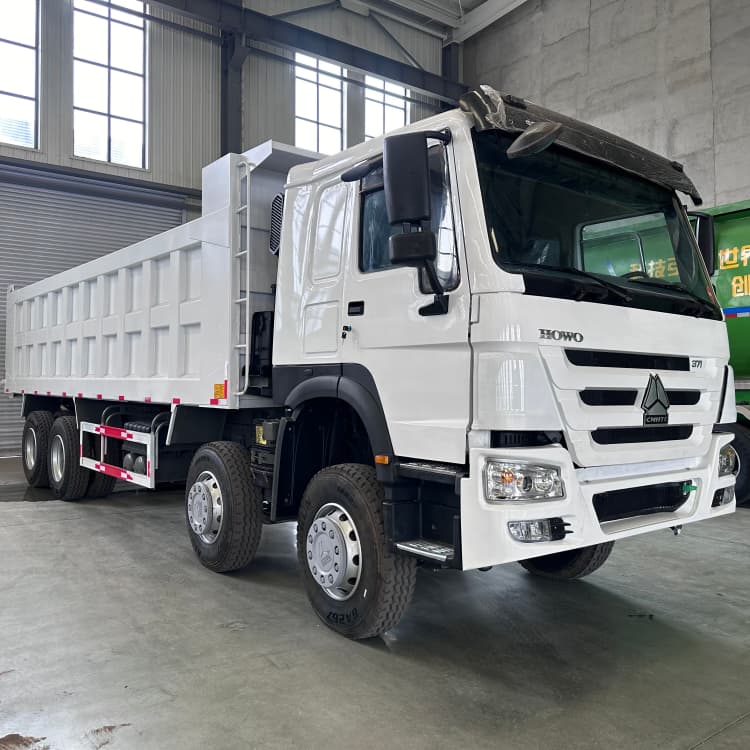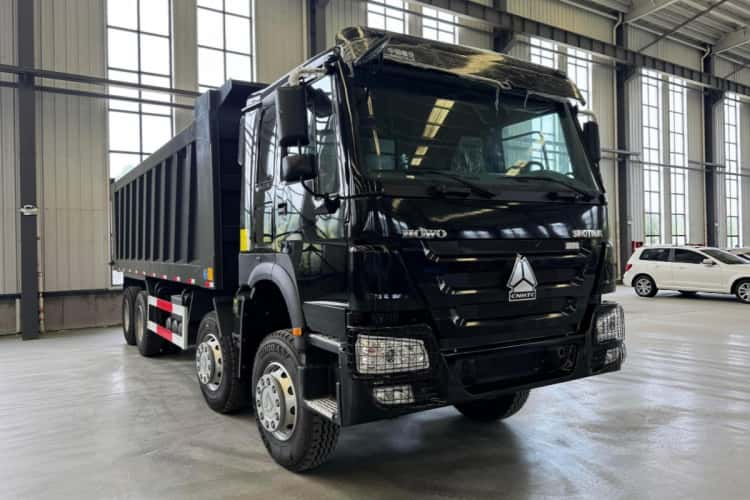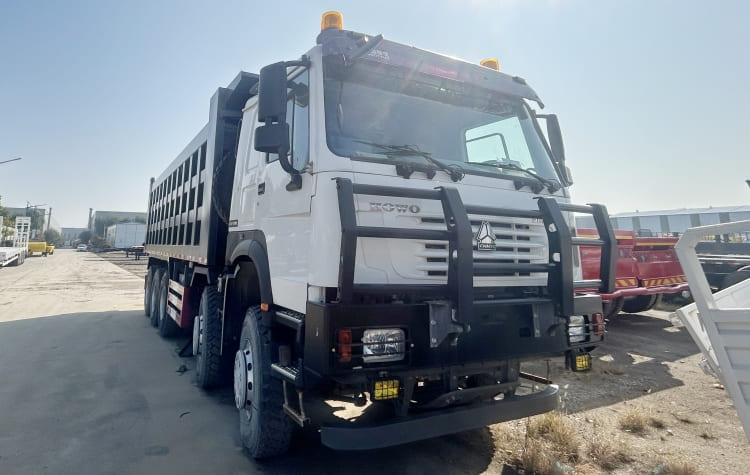
ESG Environmental Value: Reduce Industrial Waste Through Standard Remanufacturing
Introduce
Waste generation from heavy-duty vehicle retirement is a persistent challenge for the global heavy transport industry. When a truck reaches the end of its first lifecycle, the default linear pathway is scrap recycling: cutting the chassis into raw steel, melting castings and discarding most assembled subsystems. While metal recycling has its place, it discards the huge embedded industrial value already invested in the vehicle.
Under the REMAN ROAD framework, standard remanufacturing offers a higher-value circular route. It reduces industrial waste at source by retaining qualified core assets and avoiding repeated raw material production. This article focuses on its measurable environmental value for fleet ESG reporting.
The difference between scrap recycling and reman waste reduction
Many people equate recycling with the most sustainable option, but the two pathways operate at different value levels.
- Scrap recycling breaks down finished engineered structures back into basic raw materials. It requires re-smelting, re-forging, re-machining and re-coating, all of which consume energy and generate secondary waste.
- Standard remanufacturing preserves the finished chassis, cab structure and mature system architecture of a qualified core. These high-value engineered components do not need to be recreated from ore or scrap metal.
- Waste reduction here means avoiding the generation of manufacturing waste that would otherwise come from producing a replacement new truck. It is not merely cleaning up waste that already exists.
Standard remanufacturing sits higher in the waste hierarchy than melting for scrap. It prioritises reuse of functional engineered assets over material recovery.
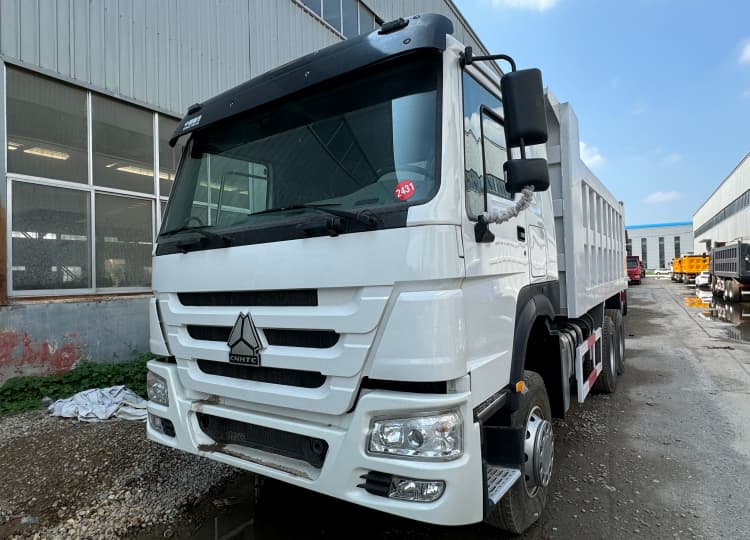
What industrial waste is avoided through whole-vehicle reman?
The waste savings span multiple upstream industrial processes tied to heavy truck manufacturing.
- Metallurgical waste: slag, dust and process water waste generated during iron and steel smelting, casting and forging of frame rails, axle housings and engine blocks.
- Machining waste: metal chips, cutting fluid waste and abrasive waste produced when raw blanks are milled, bored and finished into precision components.
- Coating and surface-treatment waste: paint sludge, solvent emissions and waste from anti-corrosion treatment on new chassis and parts.
- Packaging and logistics waste associated with raw material supply and new component delivery.
Standardized reman trucks retains the existing engineered structure. All these upstream waste streams are partially avoided for every core successfully regenerated.
Waste diversion: keeping qualified heavy assets out of landfill and low-grade disposal
Even in markets with mature metal recycling infrastructure, many retired heavy vehicles end up in informal dismantling yards.
- Informal dismantling often separates high-value parts while abandoning contaminated frames, wiring harnesses, rubber components and residual fluids. These fractions frequently become uncontrolled solid or hazardous waste.
- REMAN ROAD’s gated reman workflow enforces controlled handling of the entire core. Hazardous fluids are drained and treated properly. Components that fail grading are routed into formal recycling streams rather than dumped.
- For a core that passes pre-rebuild screening, the whole vehicle is retained as one integrated asset, instead of being split into a messy stream of mixed waste fractions.
This creates a formal, traceable diversion pathway for heavy assets, supporting waste reduction KPIs in ESG reports.
Why standardisation matters for credible ESG waste claims?
Not every rebuild project delivers genuine waste reduction benefits.
- Informal rebuilds frequently discard still-serviceable parts out of convenience, replacing them with new stock. This increases rather than reduces component waste.
- Without clear core eligibility rules, operators may salvage parts from borderline cores and abandon the rest of the chassis, which only delivers partial waste savings.
- Standard remanufacturing under REMAN ROAD defines clear rules: retain the whole qualified core, grade every component systematically, scrap only parts that exceed recoverable tolerance, and document disposition for traceability.
Every component’s outcome — restored for reuse, replaced, or sent to regulated recycling — is recorded against the VIN. This makes waste-reduction claims auditable, rather than generic green marketing.
Secondary environmental gains linked to waste reduction
Cutting industrial waste through reman triggers cascading environmental benefits.
- Lower raw material demand reduces mining pressure, habitat disruption and associated ecosystem impacts.
- Less smelting and machining means lower scope 3 carbon emissions for fleet owners.
- Controlled component grading reduces the flood of low-quality used parts entering grey markets, many of which fail quickly and become premature waste.
- When fleets adopt reman at scale, they build a predictable reverse supply chain for cores, encouraging less disposal-focused end-of-life practices across the industry.
These benefits only accrue when reman is performed as a whole-vehicle lifecycle reset, not as random part swapping.
Limitations and honest ESG boundaries
It is important to state the limits of reman’s waste-reduction impact.
- Vehicle reman cannot eliminate waste entirely. Some worn seals, bearings and consumable components will still require replacement and proper disposal.
- Not every truck can enter reman workflow. Cores with irreversible structural damage must still go to scrap recycling. Reman is an additional pathway, not a full replacement for metal recovery.
- Waste reduction metrics should be calculated against a clear baseline: comparing standardized reman trucks against the alternative of purchasing a new truck, not against doing nothing.
Responsible ESG reporting clearly separates standard remanufacturing, overhaul, refurbishment and scrap recycling, and does not inflate environmental credits.
What this means for fleet ESG strategy?
For fleet sustainability teams, standard remanufacturing provides a practical, reportable action item.
- It delivers tangible waste diversion and embedded material savings that can be included in ESG disclosures, tender documentation and sustainability communications.
- Third-party verified reman evidence gives auditable proof, which is critical for large fleets, multinational operators and customers requiring sustainable supply chains.
- It balances operational and sustainability goals: fleets gain a fully functional, OEM-spec heavy asset while cutting industrial waste at the source.
Closing Summary
The core environmental value of standardised remanufacturing lies in source reduction of industrial waste. By regenerating eligible whole-vehicle cores under the REMAN ROAD system, standard remanufacturing avoids the massive waste generated by raw material extraction, smelting and component manufacturing for replacement vehicles. It diverts qualified heavy assets from scrap or informal disposal, grades components systematically and maintains traceable records to back ESG claims. In the circular economy hierarchy, this turns retired heavy trucks from a waste burden into reusable engineered assets.