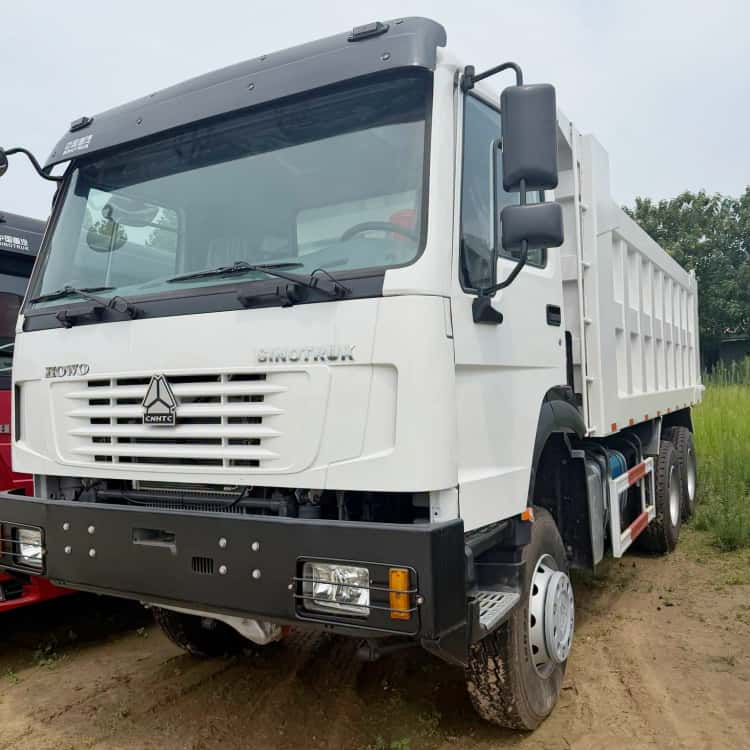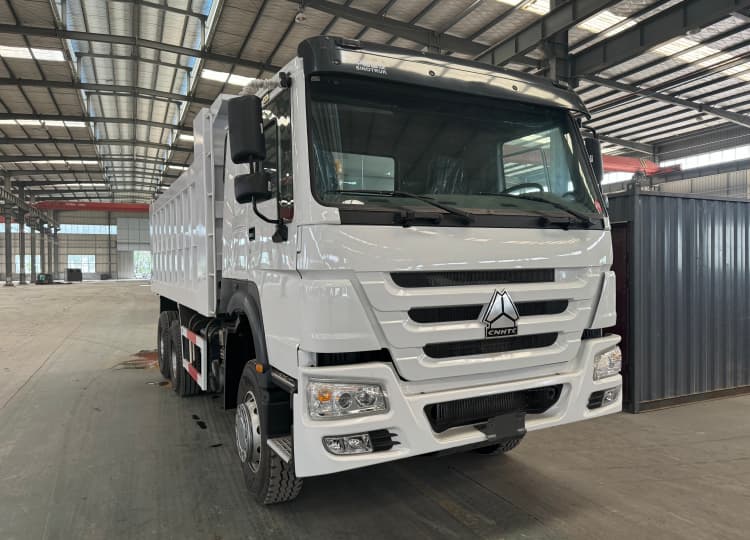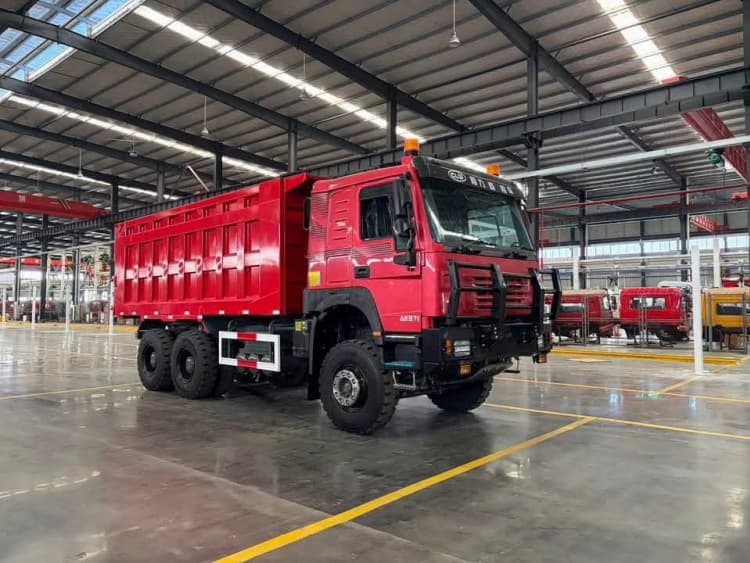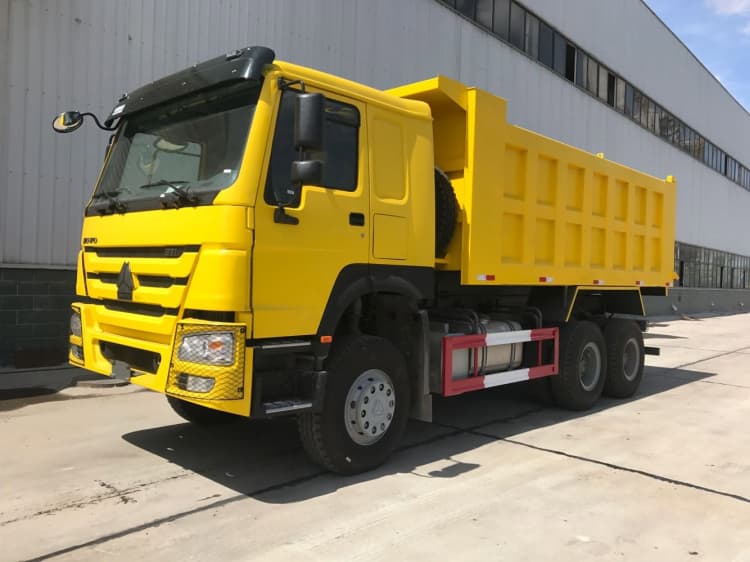
Quality Control System of OEM-Level Remanufacturing
Intro
Many casual rebuild operations only check finished vehicles for obvious leaks and basic functionality. True OEM-level remanufacturing relies on a layered, gate-based quality control system, where every stage must pass defined acceptance standards before moving to the next workflow. No downstream step can compensate for defects allowed through earlier gates.
REMAN ROAD OEM-level remanufacturing adopts this gated QC framework, mirroring the rigor of original equipment manufacturing. Standards are numeric, documented and auditable, not based on visual judgement or technician preference. This article breaks down the core structure of its OEM-level remanufacturing quality control system.
Incoming core inspection and grading as the first quality gate
Quality starts before disassembly. Each incoming heavy-duty chassis undergoes initial evaluation against duty-class criteria. Frame, axle and suspension hotspots are screened, and service history is reviewed. Cores that exceed fatigue, corrosion or deformation thresholds are rejected immediately and will not enter the reman line.
The three-bucket component grading system activates after full teardown and precision cleaning. Every part is sorted into reusable, repairable or scrap, guided by OEM dimensional tolerances, NDT limits and wear allowances. This gate prevents fatigued or degraded hardware from entering the rebuild pool.

In-process inspection locks quality during assembly
During reassembly, in-process QC checkpoints are embedded at key stages. Technicians verify torque sequences, seal installation, hose routing and connector fit. QC inspectors spot-check critical joints, weld repairs and component substitutions. Any non-conformity triggers a stop-work notification.
All approved substitutions must have form-fit-function validation and engineering sign-off. No makeshift field modifications are permitted. This remanufacturing step eliminates the cumulative errors that often occur in loosely managed rebuild workshops.
Independent assembly validation via OEM bench testing
Critical assemblies including engines, gearboxes, brake circuits and hydraulic pumps are sent to bench rigs calibrated to OEM standards. Testing covers load cycles, pressure, flow, temperature, torque and leakage. Results are compared against factory tolerance bands.
Assemblies failing the bench test are reworked or scrapped; they cannot proceed to chassis integration. Bench reports are linked to component serial numbers and the vehicle VIN, forming objective performance evidence.
System-level verification with full-load road simulation
Once fully assembled, the truck completes duty-matched full-load road simulation. This validates how all systems work together under realistic stress: powertrain thermal behaviour, brake balance, transmission shift logic, hoist performance and fuel consumption.
This remanufacturing step catches integration issues that isolated bench tests cannot reveal, such as thermal crosstalk or vibration-induced leaks. Test parameters are recorded and stored in the traceability file.
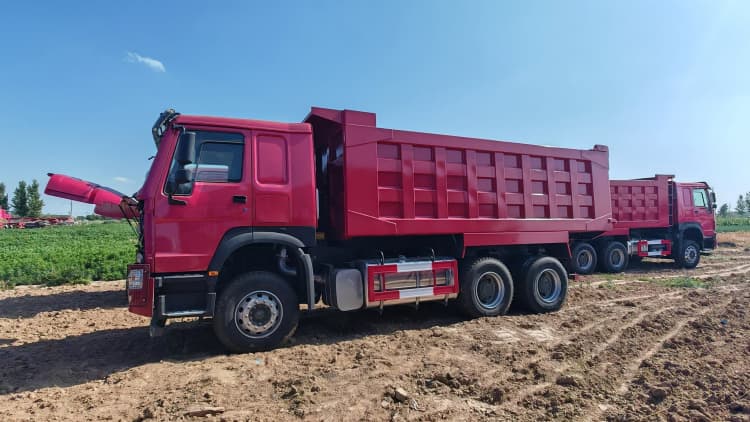
Final third-party audit before certification release
The final remanufacturing quality gate is independent third-party audit, separate from the production team. Auditors review the full traceability package: NDT records, grading sheets, bench data, road simulation logs and repair documentation.
Auditors conduct random physical spot checks on the vehicle. Only after the audit passes is the REMAN ROAD certification issued. A failed audit blocks release and requires corrective action with re-verification.
Closed-loop traceability and continuous quality improvement
All QC records are permanently stored in the standardised traceability system. If a reman truck later develops a fault, the team can trace the entire QC history, identify weak points and update inspection thresholds. This creates a closed improvement loop, refining standards across the whole production line.
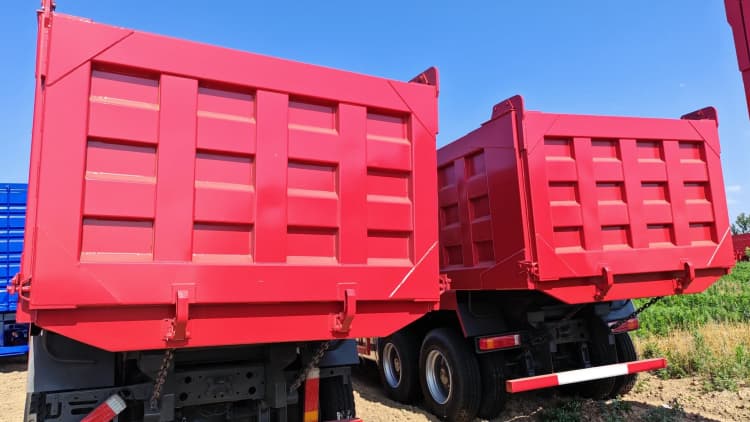
Important guardrail
OEM-level remanufacturing quality & control establishes a verified baseline at certification. It does not prevent new wear and fatigue from developing after delivery. Overloading, operation outside assigned duty class and neglected maintenance will degrade performance regardless of rigorous factory-style quality control.
Final Takeaway
Basic inspection cannot deliver OEM-equivalent consistency. For fleet operators, the key takeaway is simple: REMAN ROAD’s OEM-level remanufacturing quality & control system uses sequential gated checks from core intake, component grading, bench validation, loaded road testing to independent audit, with full traceability, to lock in repeatable, auditable reman quality.