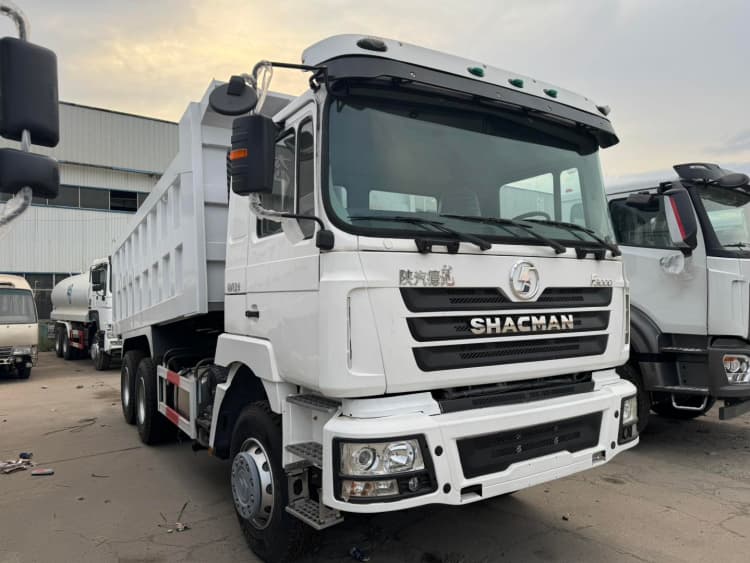
Fleet Asset Renewal Strategy: Remanufacture or Replace?
Intro
Fleet managers face a recurring, high-stakes decision when trucks reach the end of their original service window: buy replacement vehicles, or send eligible units through formal remanufacture. There is no universal right answer. The best fleet asset renewal strategy depends on asset condition, budget, workload, downtime tolerance and long-term fleet targets. Understanding when to replace and when to remanufacture helps you avoid overspending while keeping reliability and capacity on track.
Core Evaluation Criteria for Your Fleet
Before picking either path, assess four foundational factors for each ageing truck:
- Structural integrity of the chassis and main frame
- Remaining usable service life after remanufacture
- Total cost of reman vs the total cost of a replacement (new or used)
- Business priorities: cash flow, uptime, emissions rules and residual value targets
A one-size-fits-all renewal plan usually leads to wasted capital or unexpected reliability pain.
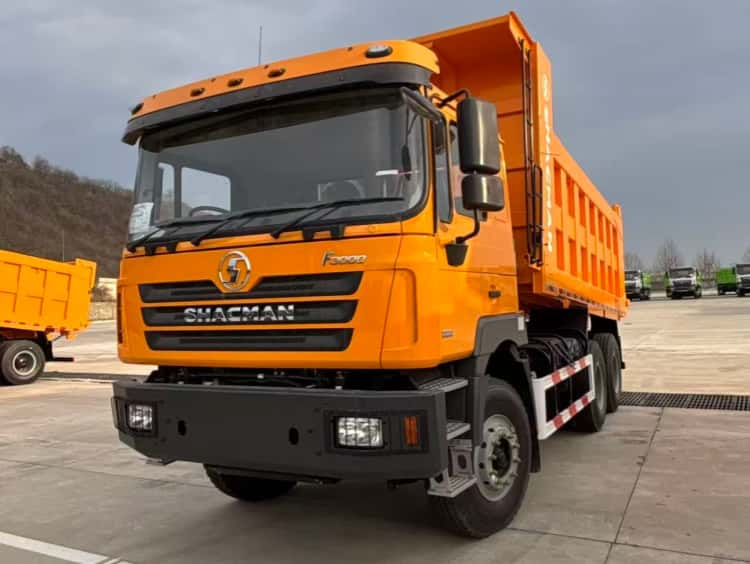
When It Makes Sense to Choose Remanufacture?
Remanufacture is the better strategic choice when these conditions apply:
- The chassis, frame and core body structure remain sound with no permanent corrosion or fatigue damage
- The base model is proven, parts supply is stable, and your workshop already has service experience with this platform
- You need to avoid large lump-sum capex and preserve working capital
- The truck runs on secondary routes, quarry shuttles or short-cycle off-highway tasks, not critical non-stop high-revenue routes
- You want to extend the asset lifecycle without adding a new VIN and avoiding the steep depreciation of a brand-new truck
A properly certified reman truck the powertrain, seals, fuel system and drivetrain, delivering near-original performance at a fraction of replacement cost. It is ideal for phased fleet renewal.
When Full Replacement Is the Better Option?
Replacement becomes the smarter call in these scenarios:
- The frame is cracked, heavily corroded or has sustained major structural damage that cannot be economically repaired
- The model is obsolete, with shrinking spare parts supply and unreliable aftersales support
- Local emission regulations cannot be met even after reman upgrades
- The truck serves your highest-value, time-sensitive routes where zero unplanned downtime is mandatory
- You are consolidating the fleet to fewer standardised, late-generation models to simplify maintenance and training
While replacement carries higher upfront cost, it reduces long-term technical risk and simplifies compliance for regulated markets.
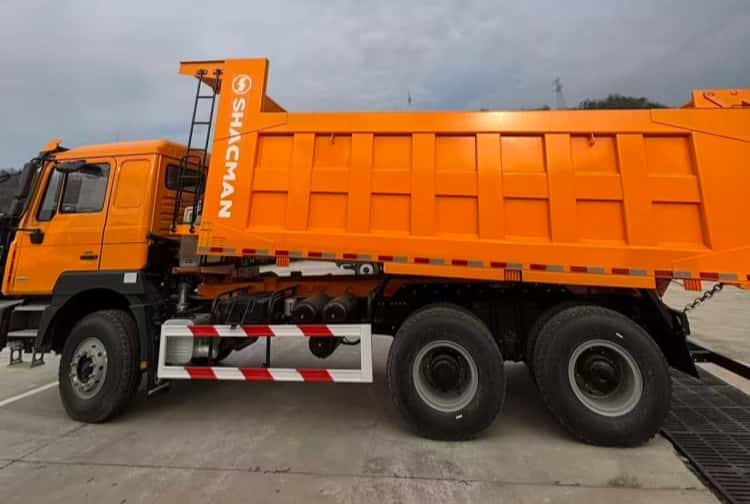
Side-by-Side Strategic Trade-offs
- Capital impact: Certified remanufacture spreads cost and protects liquidity; replacement requires far larger upfront investment.
- Downtime: Formal remanufacture means scheduled downtime for the unit being rebuilt; replacement can deliver faster return to service if stock is available.
- TCO profile: Certified remanufacture typically delivers lower lifetime cost for structurally sound assets; replacement wins when repair frequency and compliance risk become excessive.
- Asset standardisation: Replacement helps unify your fleet to newer platforms; reman keeps your existing fleet mix consistent.
- Residual value: A certified reman truck gains a stable value floor from certification; a new replacement starts with heavy initial depreciation.
Hybrid Fleet Renewal Strategy (Recommended for Most Operators)
Top-performing fleets rarely rely fully on reman or fully on replacement. They use a tiered approach:
- Tier 1 critical assets: Replace with new or low-mileage premium units for high-priority, high-revenue runs
- Tier 2 functional assets: Send eligible trucks to certified reman to extend service life for secondary hauling
- Tier 3 end-of-life assets: Retire and scrap or sell, when frame damage or obsolescence makes reman uneconomical
This hybrid model balances reliability, cash outlay and fleet age distribution. It prevents all your trucks from hitting retirement at the same time, which would create a crippling capital spike.
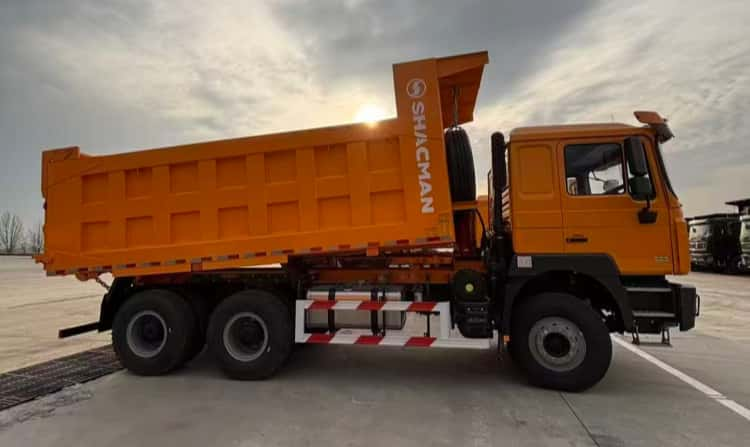
Common Pitfalls to Avoid
- Remanufacture structurally compromised trucks just to save money: this creates high failure risk and erodes savings fast
- Delaying renewal too long, until failures become frequent and emergency repair costs spiral
- Treating all remanufacture services the same: partial rebuilds without formal certification do not deliver the same lifecycle extension
- Ignoring regulatory requirements, such as emission standards that reman cannot satisfy
Final Takeaway
Fleet asset renewal is not a simple “remanufacture vs replace” binary choice. Certified remanufacture is a powerful lifecycle extension tool for structurally healthy trucks, while replacement is the right answer for damaged, obsolete or compliance-limited units. A well-designed hybrid strategy lets fleet managers control capital spend, stagger renewal cycles and match each vehicle’s capability to its workload, for the strongest possible TCO outcome.