Why Industrial Reman Trucks Are the Future of the Heavy Truck Industry?
Intro
The heavy truck industry faces overlapping pressures: soaring new vehicle prices, extended OEM lead times, stricter emissions and carbon reporting rules, plus fleet operators’ constant push to stabilise total cost of ownership. For decades, buyers were limited to two default choices: expensive new trucks or risky, undocumented used units.
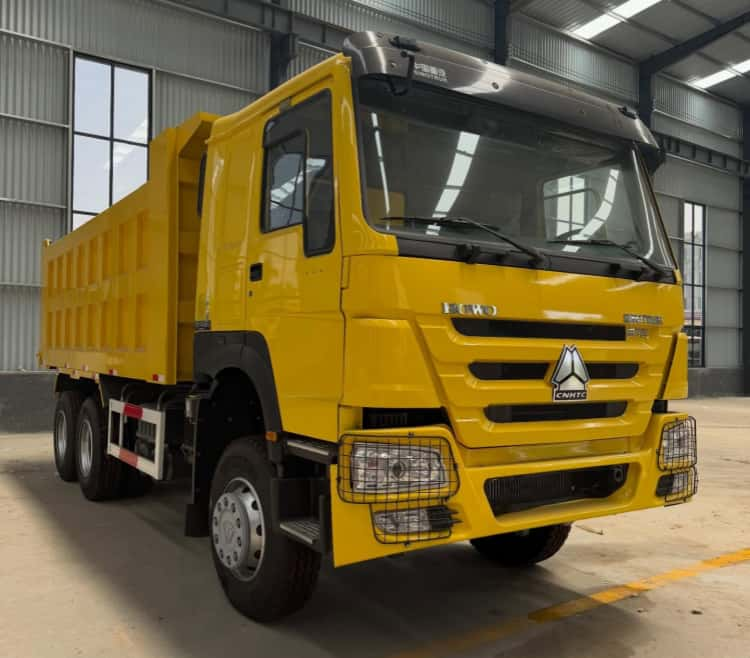
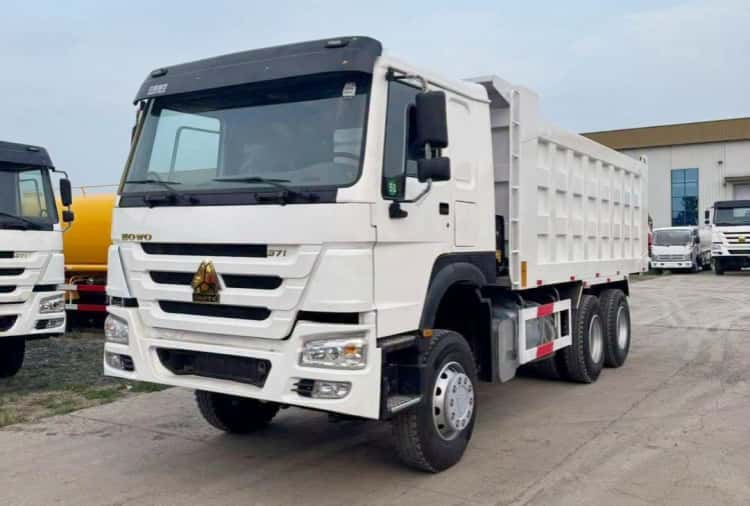
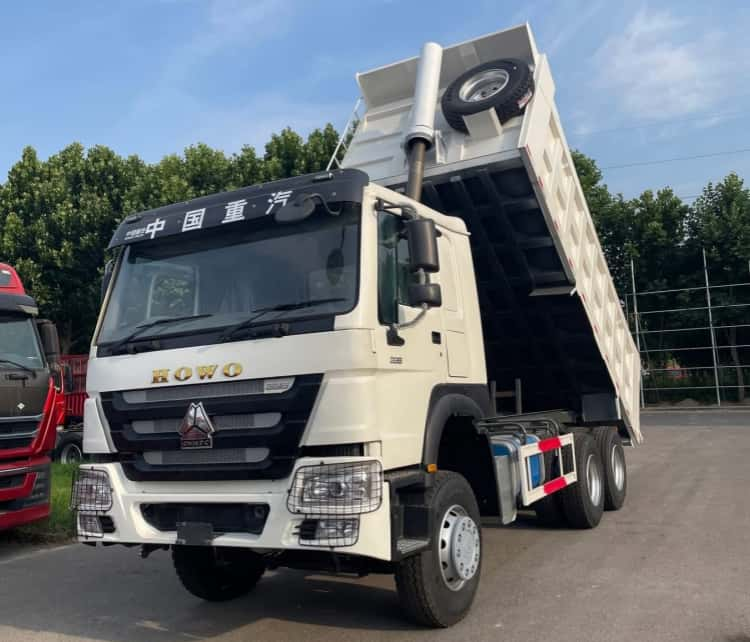
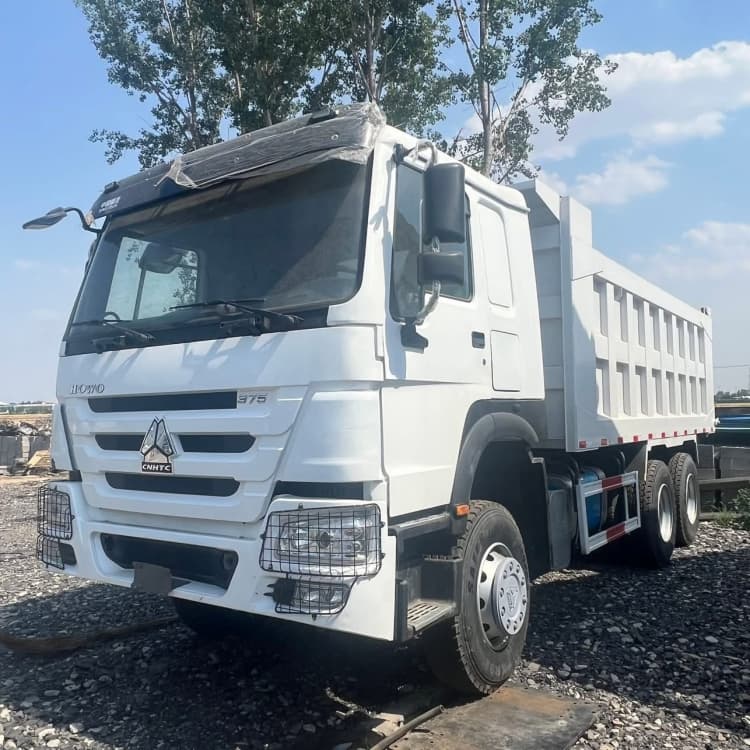
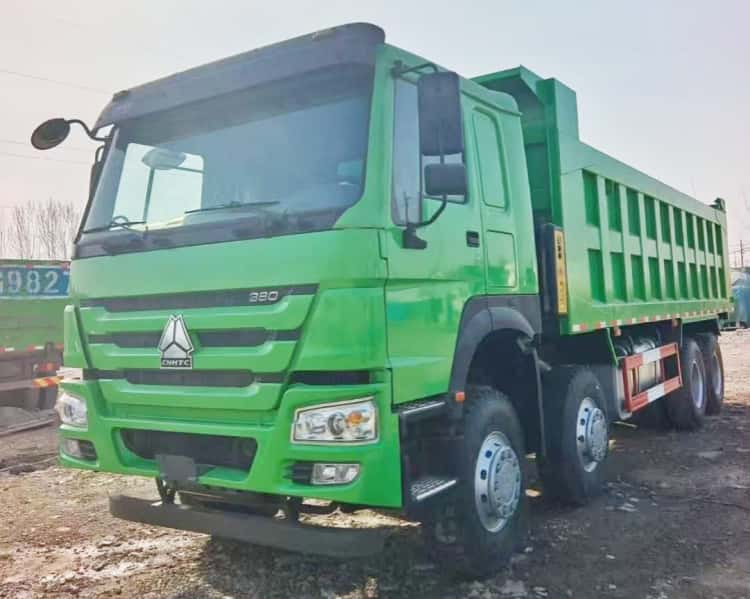
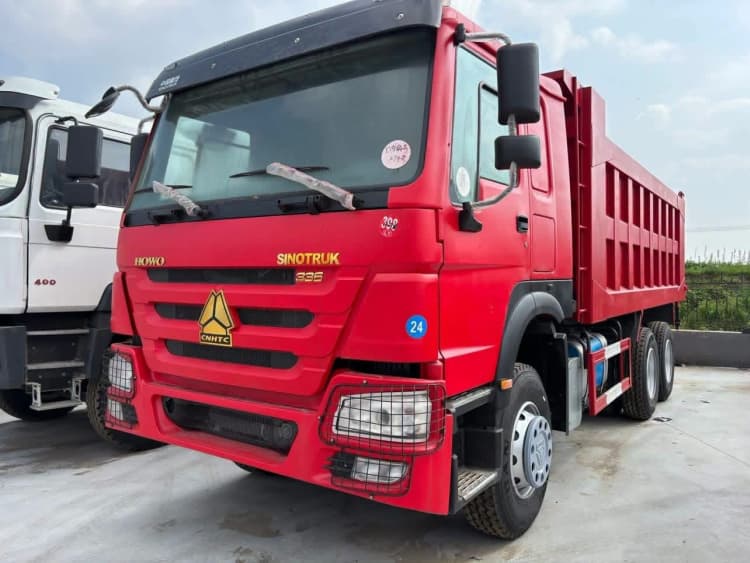
Industrial truck remanufacturing breaks this binary. REMAN ROAD industrial reman trucks follow structured, OEM-aligned workflows, full NDT screening, bench and loaded road validation, and permanent VIN traceability. They combine reliable performance, flexible scaling and circular economy advantages, making them a compelling long-term solution for mining, construction and long-haul fleets. This article explores why industrial reman is emerging as the future of the heavy truck sector.
Capital efficiency solves affordability and lead-time pain
New heavy trucks require large upfront capital investment and can involve months of production and import delays. This locks up budget and slows fleet expansion for contractors and seasonal mining operators. Generic used trucks are cheaper to buy but carry hidden failure risk that blows up operating budgets.
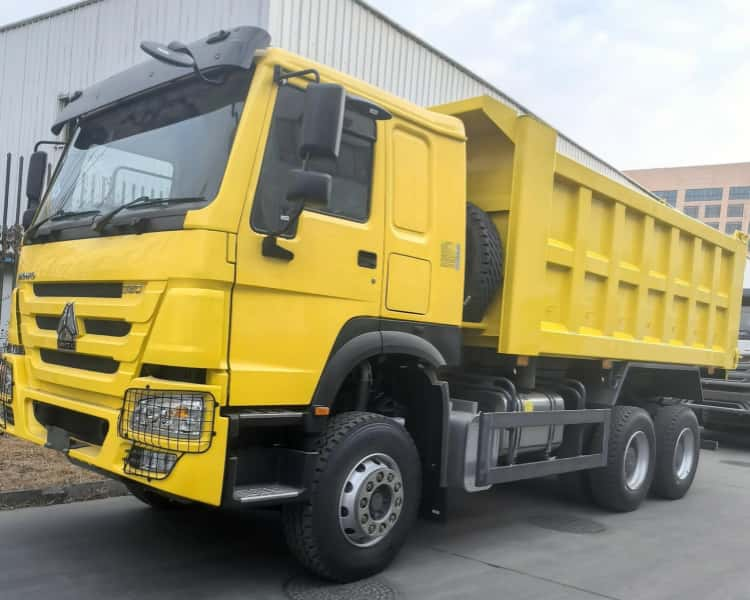
Industrial truck reman delivers a middle path. REMAN ROAD industrial reman trucks are available on shorter lead times, with lower purchase cost than new trucks while eliminating the unknown fatigue risks of casual second-hand stock. Fleets can deploy reliable assets without overcommitting capital, and adjust fleet size dynamically to match project cycles.
Standardised quality closes the historic trust gap for used assets
The biggest barrier to reman adoption in the past was inconsistent workmanship. Patchwork repairs, subjective inspections and missing records made reman synonymous with uncertainty.
Modern industrial truck remanufacturing, as practised by REMAN ROAD, uses gated QC, component grading, non-destructive testing and independent third-party audits. Performance is validated by bench testing and full-load road simulation. The outcome is repeatable, predictable quality that can be benchmarked and audited, building trust among large fleet buyers, prime contractors and financiers.
Circularity and ESG credentials meet tightening regulatory demands
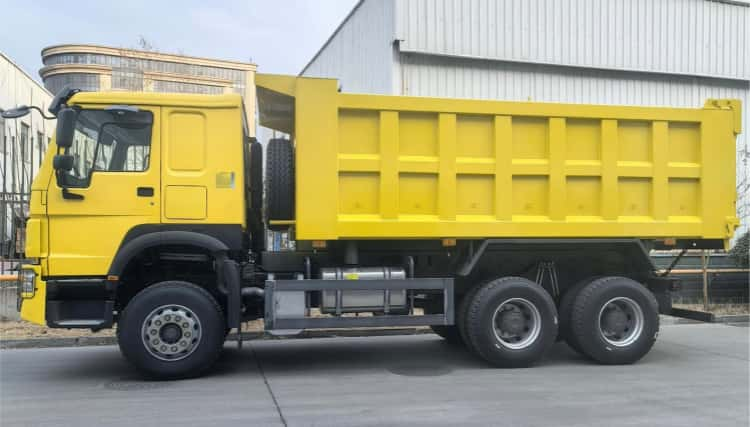
Governments, financiers and clients increasingly require measurable carbon reduction and circular asset reporting. Building a new heavy truck consumes massive volumes of steel, aluminium, energy and raw materials. Proper remanufacturing reuses sound core chassis and major assemblies, cutting embodied carbon dramatically.
REMAN ROAD industrial truck remanufacturing captures this environmental benefit in its traceability system. The data can be used for ESG reporting, tender requirements and sustainability disclosures. As carbon rules and green procurement policies expand, industrial reman trucks will become a preferred option for organisations with net-zero targets.
It fits the flexible operating model of modern contractors
Today’s fleets rarely run static, permanent asset pools. Contractors rotate trucks between sites, ramp up for seasonal mining campaigns and downsize when projects finish. New trucks carry punishing depreciation if underutilised. Uncertified used trucks are hard to reallocate and resell safely.
Duty-classified industrial reman trucks with portable traceability records are designed for mobility. They can be reassigned, reallocated or resold with clear, defensible residual value expectations, matching the agile workload model that dominates modern heavy haulage.
Data-driven quality creates room for continuous industry improvement
Industrial truck reman is inherently data-centric. Every NDT result, bench test reading and failure observation is logged against the VIN. Aggregated data reveals common fatigue hotspots, component failure trends and duty-cycle wear patterns.
This creates a feedback loop that continuously refines inspection standards, component selection and calibration rules. Unlike one-off manual repairs, this data foundation lets the reman sector mature, standardise and scale into a recognised, regulated industry segment.
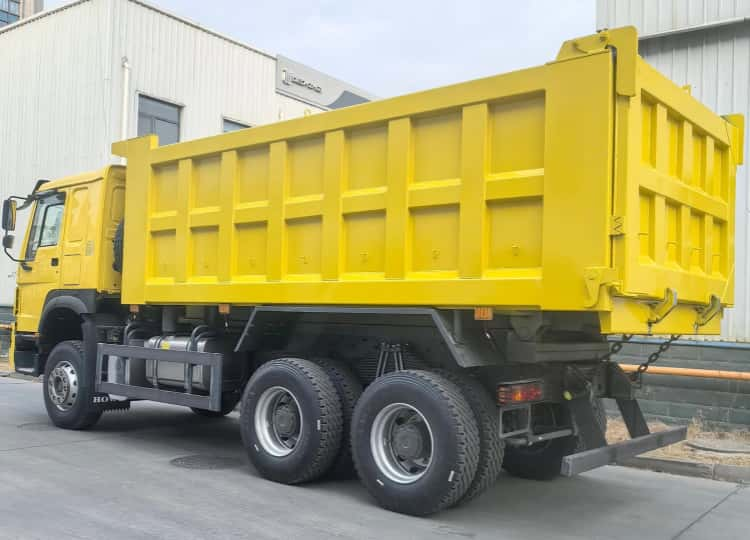
Important guardrail
Industrial reman trucks will not fully replace new trucks. Applications requiring latest-generation emissions hardware, cutting-edge safety electronics or full factory warranty may still call for new builds. Industrial truck remanufacturing is a complementary, high-value alternative rather than a universal replacement.
Final Takeaway
Cost pressure, supply uncertainty and sustainability rules are reshaping heavy truck purchasing. For fleet stakeholders, the key takeaway is simple: REMAN ROAD industrial reman trucks balance reliable OEM-level performance, better TCO, flexible deployment and auditable ESG benefits, making industrial truck remanufacturing a core, growing part of the heavy truck industry’s future.