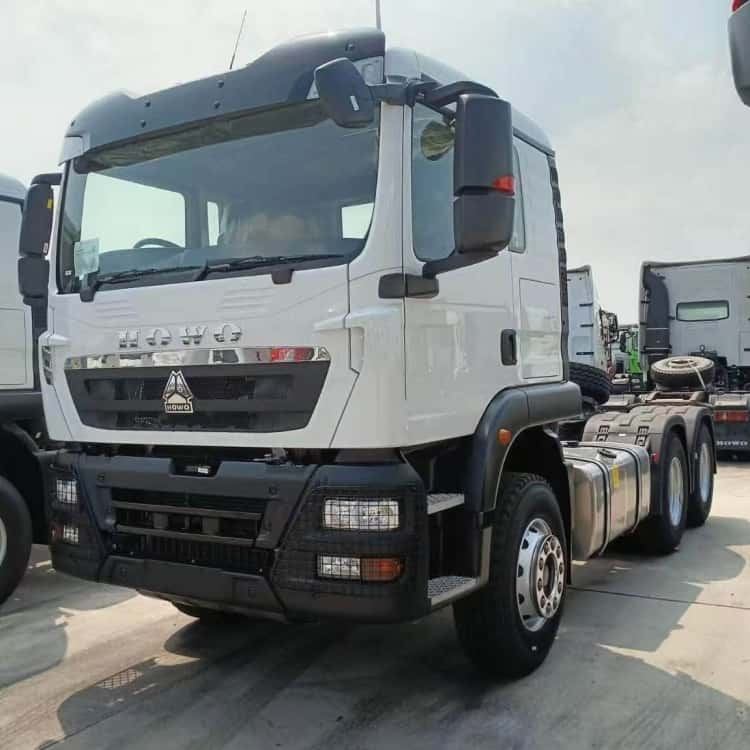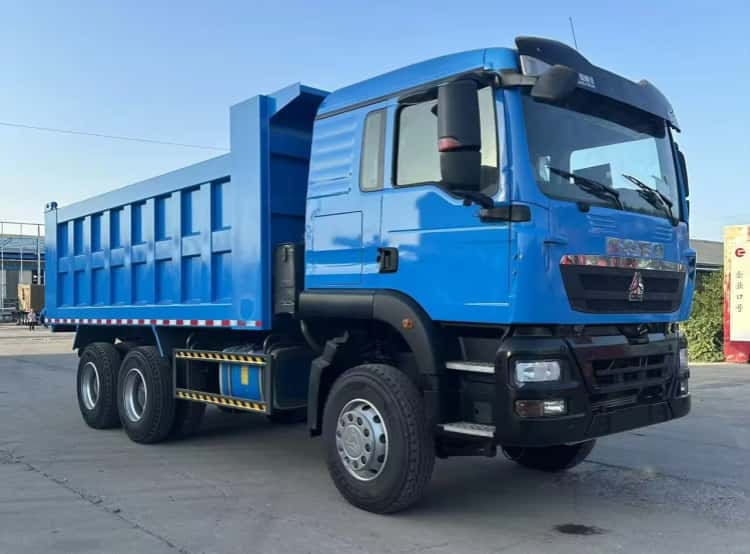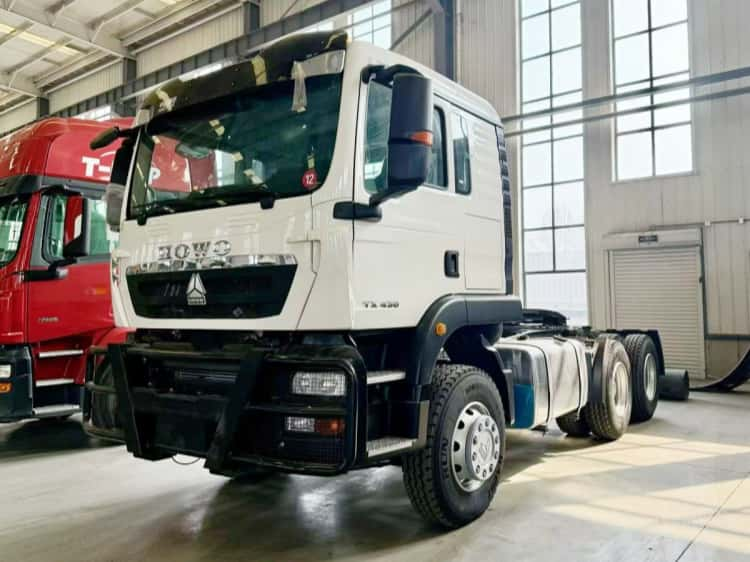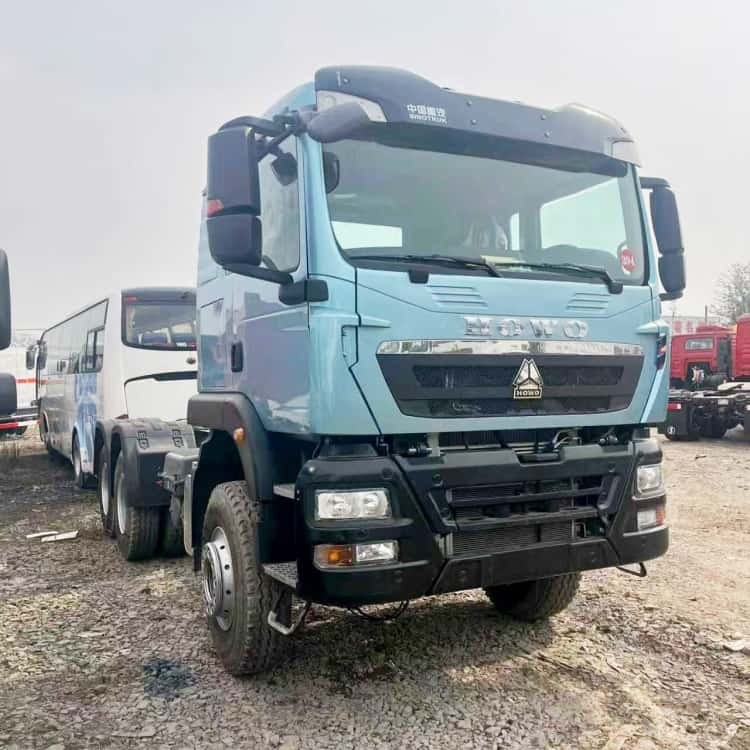
Why Verifiable Reman Helps You Avoid The Sharp Losses Seen When Reselling Brand-New Trucks?
Intro
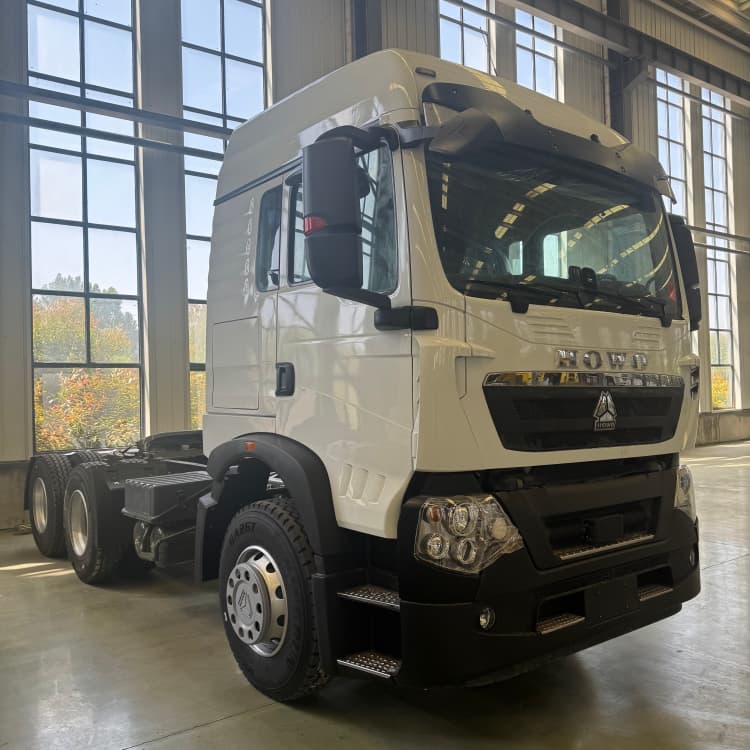
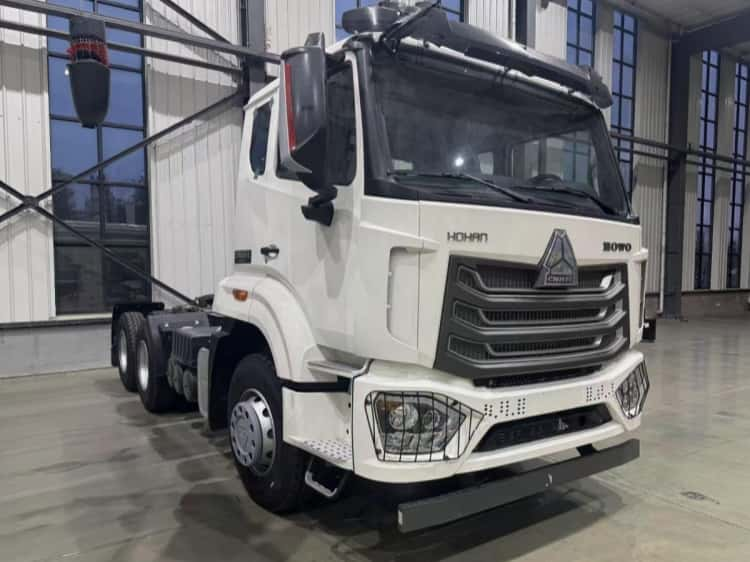
Brand‑new heavy trucks carry a steep, immediate depreciation hit the moment they leave the dealer. Even a low‑mileage, well‑cared‑for new truck loses a large share of its purchase price in the first one to two years. That creates painful losses when a contract ends early, call‑offs shrink, or you need to downsize the fleet. REMAN ROAD verifiable remanufacturing is different: its value curve is already past that sharp initial drop. Backed by standardised QA, NDT records and duty‑grade validation, it trades with predictable credibility, so resale downside is capped.
How verifiable reman protects you from sharp new‑truck resale losses?
New trucks carry heavy first‑year depreciation, verifiable reman does not
New heavy‑duty chassis have front‑loaded depreciation. A large portion of their value vanishes immediately after delivery, even with minimal hours on site. The buyer pays the premium for factory freshness, emissions certification and OEM warranty, but the second‑hand market discounts that premium heavily.
Verifiable reman truck enters your fleet at a much lower acquisition price. There is no large “new‑to‑used” cliff. The asset’s depreciation curve is gentler and linear rather than spiking downwards in year one. The absolute dollar loss per year of ownership is substantially smaller.
The audited dossier removes the deep discount applied to unproven second‑hand stock
Generic used trucks are discounted heavily because buyers cannot verify what was replaced, what fatigue remains, or whether critical NDT checks were completed.
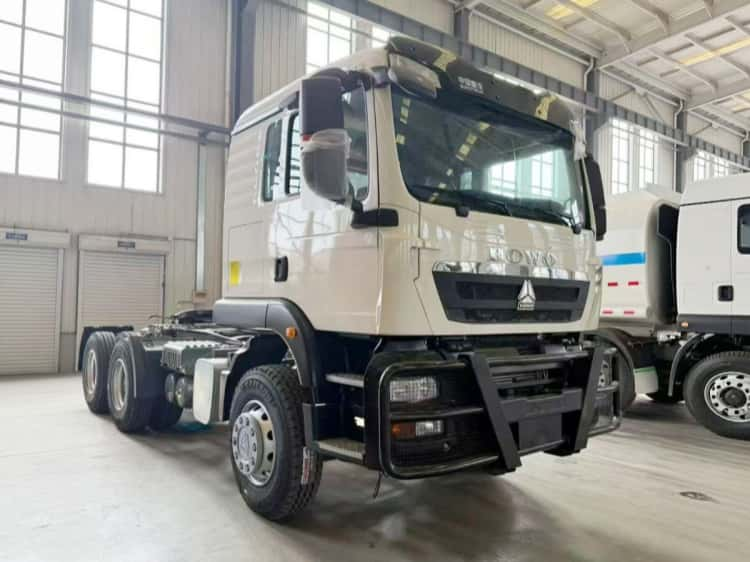
REMAN ROAD verifiable remanufacturing’s VIN‑bound dossier contains intake condition, NDT screening, mandatory consumable renewal, bench load test data and final acceptance sign‑off. Buyers can validate the rebuild standard before purchase. This eliminates the “unknown risk discount” that crushes resale prices for ordinary second‑hand trucks.
It aligns residual value with short‑term contract holding cycles
New trucks are economically designed for multi‑year ownership. If your requirement is only 1–3 years, you are forced to sell during the steepest part of the depreciation curve.
REMAN ROAD verifiable remanufacturing is built for this exact temporary‑capacity model. You buy it, deploy it for the framework call‑off period, then exit. The residual value is predictable, and the capital loss is budgetable. You are not stuck liquidating a nearly‑new truck at a fire‑sale loss when the client programme ends.
Homogenised standard reduces appraisal uncertainty
When you resell a batch of new trucks, each unit’s value can swing based on minor spec differences, original dealer discounts and market OEM incentive changes.
Same‑grade verifiable reman trucks share identical rebuild scope, test profiles and duty limits. Appraisers and buyers treat them as a consistent group. Batch resale is easier, and you avoid large, unpredictable valuation gaps between seemingly identical trucks.
Warranty and duty grading preserve market confidence at resale
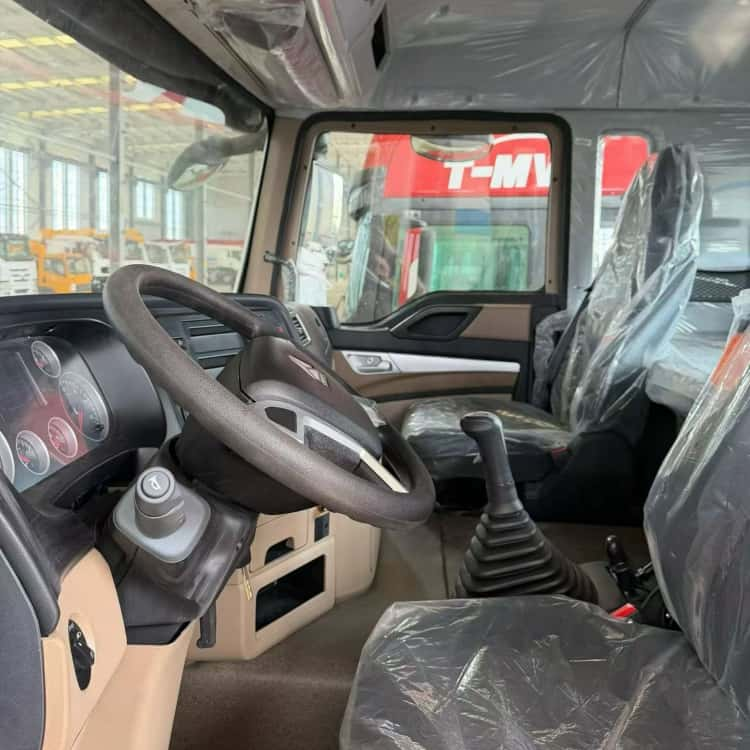
A new OEM warranty often cannot be fully transferred, or it expires quickly, leaving the buyer with uncertainty. Verifiable reman truck carries a defined rebuild warranty, tied to the VIN and duty grade. The next buyer knows the load limits, service requirements and validated performance envelope. This makes the asset easier to price, and reduces the steep discount buyers apply to assets with unknown future failure risk.
Lower finance exposure means less risk of being underwater
New truck financing relies on a high principal balance while the asset’s market value falls rapidly. It is common for operators to be “underwater” for the first few years — owing more than the truck is worth.
REMAN ROAD verifiable remanufacturing’s lower purchase price means smaller loan balances and less exposure to negative equity. If you must sell suddenly due to cancelled work, the gap between outstanding finance and resale value is much narrower.
Circular credentials add a secondary market premium
Public and infrastructure buyers increasingly prefer assets with auditable circular‑economy evidence. Each verifiable reman truck’s dossier includes embodied carbon savings and scrap diversion data. This ESG documentation is a differentiator in the export and contractor fleet market, supporting a stronger resale price than a plain used truck or discounted nearly‑new OEM chassis.
Boundary Note
Verifiable remanufacturing still depreciates with hours, payload abuse and accident damage. It does not stop value decline entirely. What it removes is the massive, unavoidable depreciation cliff unique to brand‑new heavy trucks, which is especially damaging when ownership is short‑term.
Q&A
Q: Does verifiable reman truck hold its percentage value better than new trucks? A: Percentage retention may look similar, but the starting price is much lower. The critical difference is the absolute dollar loss, which is far smaller.
Q: What if the reman market suddenly softens? A: All commercial assets are exposed to market cycles. The audit trail and standardised build make it more resilient than random used stock, but it is not recession‑proof.
Q: How do I phrase this in tender or business case? A: Certified verifiable reman trucks avoid the steep front‑loaded depreciation of new heavy trucks, with predictable residual value and auditable rebuild documentation, reducing capital loss when fleet capacity is decommissioned after fixed‑term contract work.