The Business Case for Integrating REMAN ROAD Reman Units Into Your Mixed Fleet
Intro
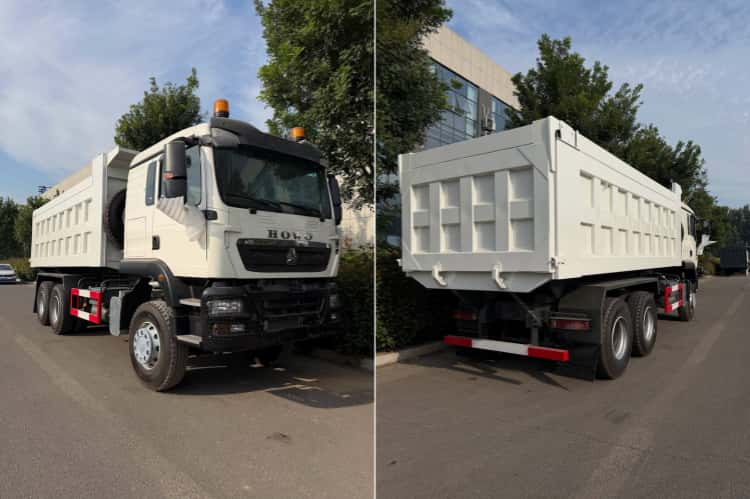
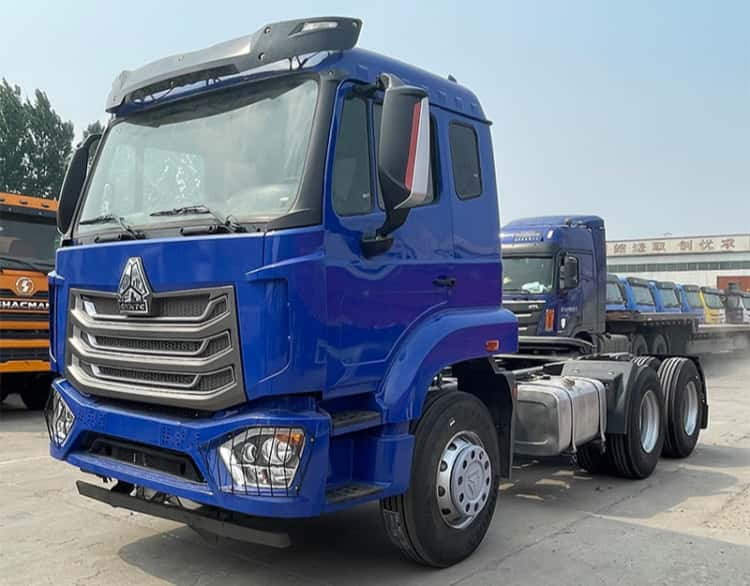
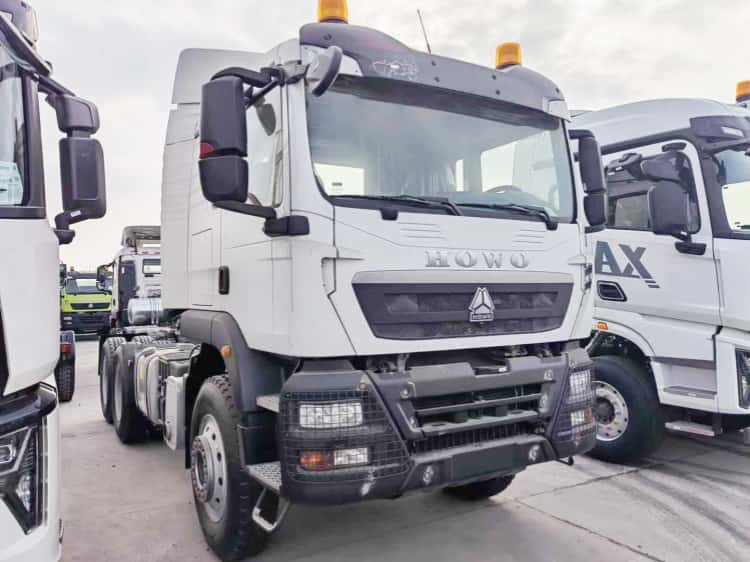
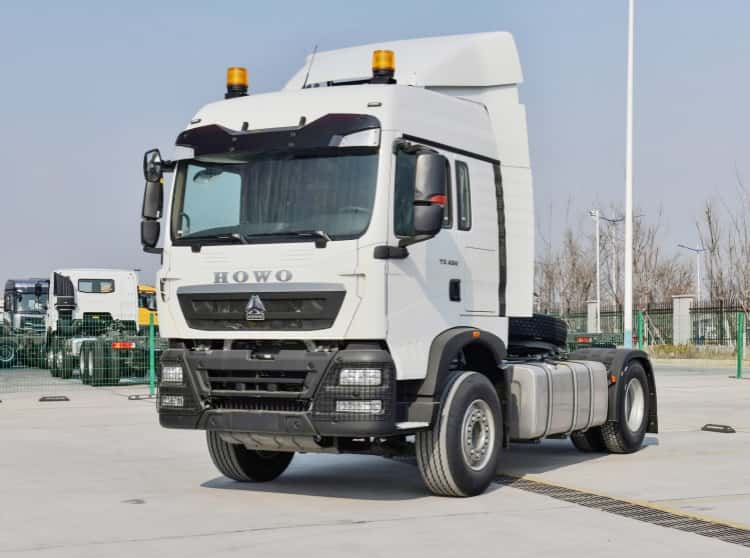
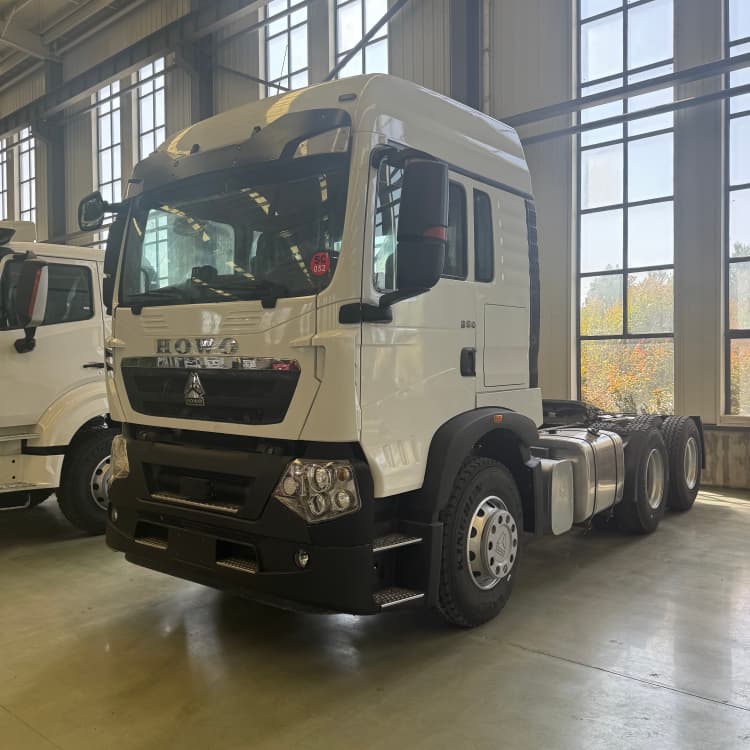
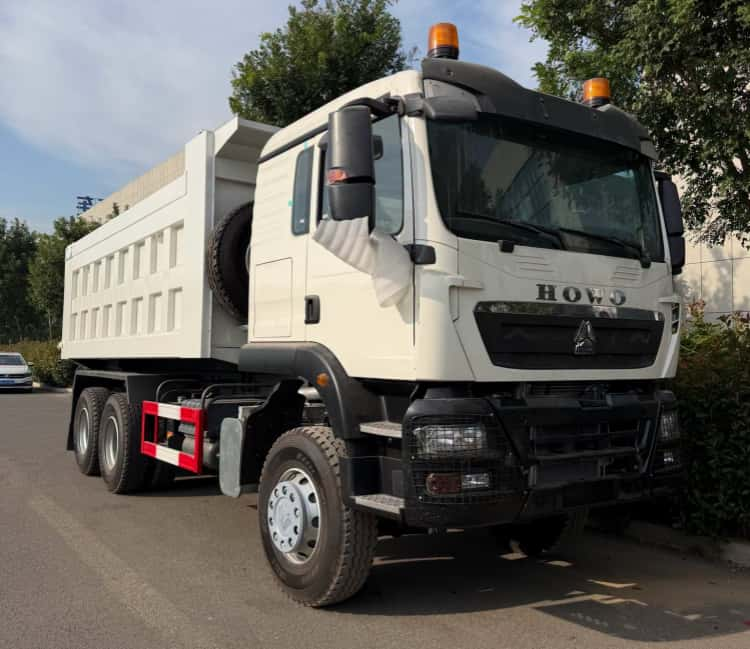
Many fleet managers default to a simple strategy: all new trucks or a pool of random used equipment. Neither option delivers ideal economics. New trucks lock up large capital and suffer from long lead times, while unvetted used trucks carry unpredictable breakdown risk and missing documentation. A thoughtfully designed mixed fleet, with new trucks for core long-term assignments and REMAN ROAD certified reman units for supplementary workloads, creates a compelling business case grounded in tangible financial and operational benefits.
REMAN ROAD’s verified truck reman workflow — core screening, NDT inspection, OEM bench testing, full-load road simulation and third-party audit — ensures reman units perform as a predictable, engineered asset class rather than a risky stopgap. This article outlines the core business rationale for adding REMAN ROAD reman units to your mixed fleet.
Optimised capital allocation and preserved cash flow
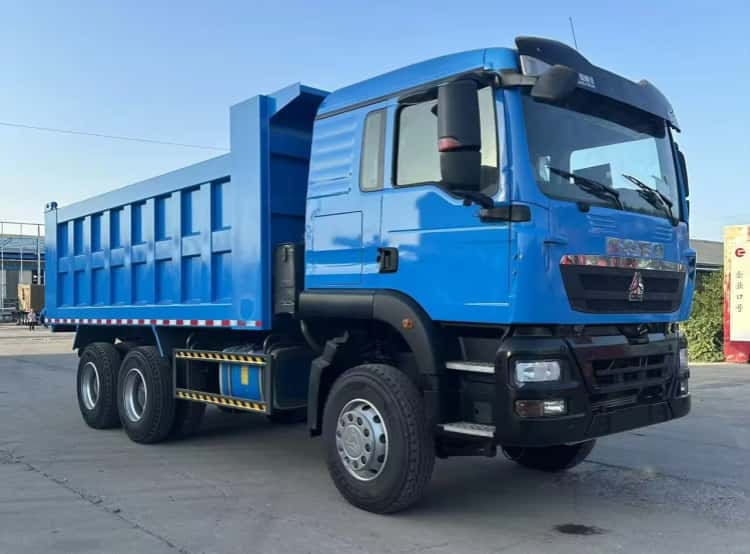
New heavy trucks require substantial upfront investment or heavy financing commitments. If deployed for short-term projects or seasonal peak demand, they often sit idle and depreciate rapidly. REMAN ROAD reman units have a lower acquisition cost and can be brought online quickly.
Fleets reserve new trucks for permanent core routes and applications requiring the latest emission or safety systems. REMAN ROAD reman units handle temporary site fleets, mining season ramp-ups and emergency replacement capacity. This structure avoids tying working capital into underutilised assets, preserving liquidity for operational and growth spending.
Controlled downtime risk and predictable maintenance planning
Generic used trucks introduce random, unplanned failures that disrupt haul schedules and trigger expensive site penalties. REMAN ROAD verified truck reman eliminates latent structural fatigue and component defects through layered quality gates before delivery.
Standardised bill of materials and unified test baselines also simplify maintenance management. Mixed-fleet teams can build separate but repeatable service schedules for new and certified reman units. The traceability system records component serial numbers and wear history, helping technicians diagnose issues faster and reduce repair turnaround time.
Supply chain risk diversification
Relying solely on OEM production schedules exposes fleets to delays from raw material shortages, semiconductor bottlenecks and cross-border logistics disruptions. When new truck orders slip, project deadlines and site throughput are at risk.
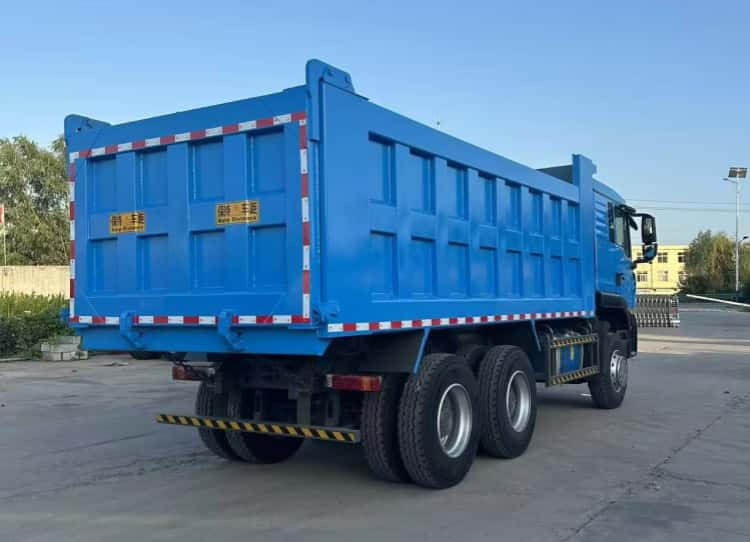
REMAN ROAD certified reman units stock acts as a ready supply buffer. Pre-inspected units can fill capacity gaps while waiting for new chassis deliveries. This diversified supply strategy reduces overall operational vulnerability and prevents costly contract breaches.
Improved tender and ESG competitiveness
Most large mine and infrastructure clients now require equipment documentation, safety verification and carbon impact reporting. New trucks have high embodied carbon from manufacturing, while ordinary used trucks cannot provide auditable sustainability evidence.
REMAN ROAD reman unit’s traceability package captures retained chassis and component savings, generating verifiable embodied carbon reduction data. Mixed fleets can combine new vehicles for operational emission compliance and certified reman units to demonstrate circular economy commitments, creating an advantage in competitive tender evaluations.
More reliable residual value and better financing terms
Uncertified used trucks have volatile residual values, making depreciation forecasting difficult for finance teams. Lenders and leasing providers often apply steep risk premiums.
REMAN ROAD reman units carry transferable, immutable audit and test records. This reduces buyer uncertainty at resale, stabilising depreciation curves. Consistent asset quality and traceability also make it easier to secure favourable lease and financing structures for the mixed fleet portfolio.
Important guardrail
A mixed fleet only works with clear duty-class assignment. REMAN ROAD certified reman units must be deployed within their validated duty envelope. Overloading or misapplication outside rated working conditions will accelerate wear and erode the reliability and TCO benefits. Proper fleet governance and scheduled inspection are required.
Final Takeaway
A mixed fleet is not just a convenient workaround — it is a value-driven operating model. For fleet decision-makers, the key takeaway is simple: integrating REMAN ROAD certified reman units alongside new trucks optimises capital use, mitigates supply and downtime risks, unlocks ESG tender advantages and builds a more resilient, profitable fleet structure.