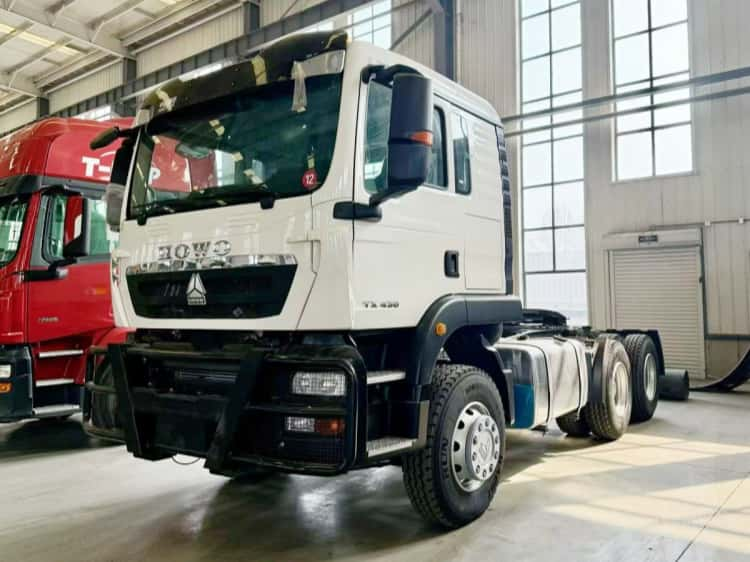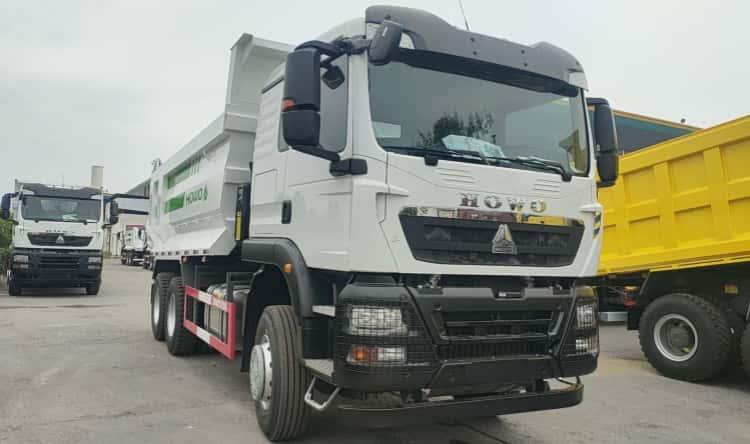
What Makes Formal Remanufacturing A Strong Alternative To Casual In-House Rebuilds?
Intro
Many fleets rely on casual in‑house rebuilds: technicians tear down trucks as downtime allows, replace parts based on visible wear, and reassemble using ad‑hoc checklists. This approach feels low cost at first glance, but it carries hidden risk. Workmanship varies by technician, rebuild scope shifts from unit to unit, critical structural checks are often skipped, and records are incomplete. REMAN ROAD formal remanufacturing follows a fixed, gate‑controlled production workflow built around unified acceptance criteria. It turns rebuilds from a reactive repair task into a repeatable, validated process, creating a reliable alternative to informal internal overhauls.
What sets formal remanufacturing apart from casual in-house rebuilds?
Rebuild scope is fixed, not decided by technician judgement
Casual in‑house rebuilds depend on what the technician notices or what the budget allows. One engine gets new bearings; another reuses them if they look acceptable. Seals, hoses and fasteners are often retained to save cost.
REMAN ROAD formal remanufacturing has a non‑negotiable mandatory renewal list for every duty grade. Time‑limited consumables are replaced on every unit, regardless of visual condition. Scope creep and discretionary cost‑cutting are removed, so every same‑grade asset starts with the same baseline.
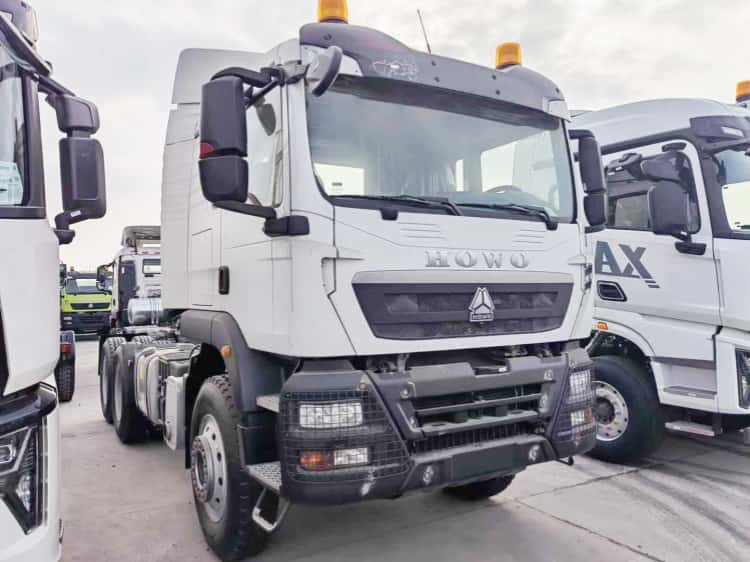
Mandatory structural NDT screening is embedded into the workflow
Most in‑house teams do not have certified NDT capability, workflow discipline or dedicated inspection time. Frame rails, axle housings and crankshafts are inspected visually only. Subsurface fatigue cracks stay hidden, creating catastrophic failure risk after deployment.
REMAN ROAD formal remanufacturing integrates ultrasonic, magnetic particle and digital radiography screening at defined production stages. Defects invisible to the naked eye are caught before reassembly. This is the single largest safety gap that casual in‑house rebuilds cannot reliably close.
Bench load testing validates performance under simulated working stress
Casual rebuilds are usually validated by a short road test or idle check. Problems that only emerge under sustained load, heat or vibration are not detected.
Formal remanufacturing runs subassemblies and full vehicles through calibrated dynamometer and loaded test cycles. Fuel behaviour, brake balance, hydraulic response, boost pressure and driveline drag are logged. Performance is proven before delivery, not discovered on site during production hauling.
Workmanship is standardised, not dependent on individual technician skill
Internal rebuild quality drifts with staff turnover, fatigue, training gaps and competing workshop priorities. A senior technician may produce excellent work, while a less experienced team member makes subtle calibration or torque errors.
REMAN ROAD formal remanufacturing uses controlled assembly, torque logging, digital work instructions and automated QA gates. Tooling is locked to specification, and critical steps are signed off independently. The output is consistent, even across different production teams.
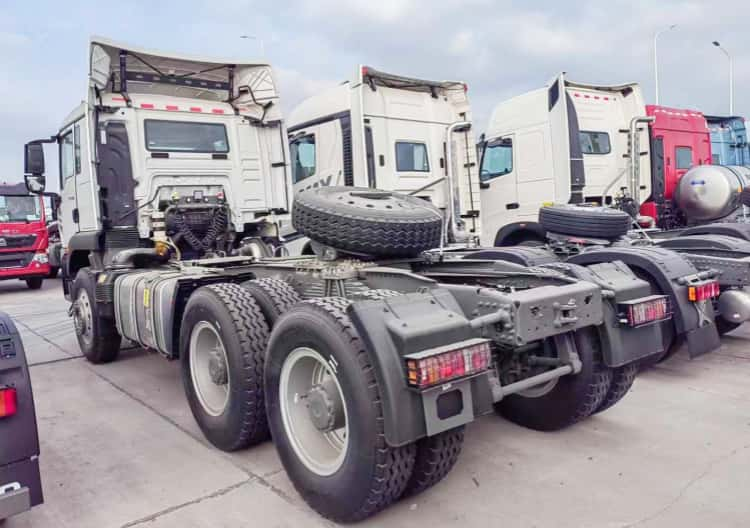
Full VIN traceability creates an auditable, shareable dossier
Casual in‑house rebuilds typically produce sparse records: a parts invoice and a brief service note. There is no centralised file linking intake condition, inspection findings, test data and renewal logs.
Each formal reman truck carries a complete, structured digital dossier. This supports client supplier reviews, site HSEQ audits, insurance renewals and warranty claim adjudication. It turns rebuild quality into documented evidence, rather than a verbal claim.
Supplier warranty transfers rebuild risk away from your fleet
When your workshop completes an in‑house rebuild, you carry all liability if the engine, axle or structural assembly fails shortly after. The cost of parts, labour, downtime and liquidated damages falls directly on your margin.
REMAN ROAD formal remanufacturing includes defined warranty coverage for rebuild‑originated defects. Clear traceability separates workmanship failures from operational wear and misuse. This risk transfer is unavailable for self‑performed casual rebuilds.
It avoids tying your internal workshop up in high‑complexity overhaul work
Deep, teardown rebuilds are the most labour‑intensive, low‑throughput work a workshop can handle. They occupy bays and senior technicians for weeks, slowing routine servicing for the rest of the fleet.
Using formal reman truck shifts heavy overhaul work to the specialist production facility. Your internal team focuses on scheduled maintenance, minor repairs and on‑site support, allowing you to grow fleet size without scaling workshop infrastructure.
Duty grading matches the rebuild standard to the application
Casual internal rebuilds rarely differentiate between highway, light quarry and heavy off‑road duty. The same overhaul scope is applied to every truck, regardless of the stress it will face.
REMAN ROAD formal remanufacturing assigns a clear duty grade, with matched test cycles, renewal lists and service intervals. A truck built for heavy off‑road use receives a more robust rebuild package than a highway unit, preventing premature degradation from misapplication.
ESG and circular economy credentials are pre‑built into the documentation
Public and private clients increasingly require circular economy evidence. Casual in‑house rebuilds rarely track embodied carbon savings, scrap diversion or core retention metrics.
REMAN ROAD formal remanufacturing reporting standardises these sustainability calculations. You can submit the data as part of tender and supply‑chain reporting, a compliance box casual internal rebuilds are hard to check.
Boundary Note
Formal remanufacturing is not always cheaper than a casual in‑house rebuild on the upfront invoice. The premium pays for NDT, bench testing, mandatory part renewal, independent QA and warranty. If your client contract, insurance or site rules do not require auditable standards, simple internal repairs may remain viable. But for high‑risk, fixed‑price, multi‑year site work, formal reman reduces the total risk and long‑term cost.
Q&A
Q: Can I still do minor repairs and routine maintenance in-house? A: Yes. Formal remanufacturing covers the major rebuild reset. Your workshop retains responsibility for tyres, filters, lubrication, brake pads and normal wear service.
Q: What if I have a very skilled in-house team? A: Skill alone cannot replicate the full formal system: dedicated NDT, automated bench testing, independent QA sampling, controlled production workflow and formal warranty. Even skilled teams face inconsistency and record gaps.
Q: How to phrase this in tender methodology? A: Formal remanufacturing replaces ad‑hoc in‑house rebuilds with standardised, audited production, NDT screening, loaded functional testing and VIN traceability, reducing latent defect risk and stabilising fleet performance for site operations.