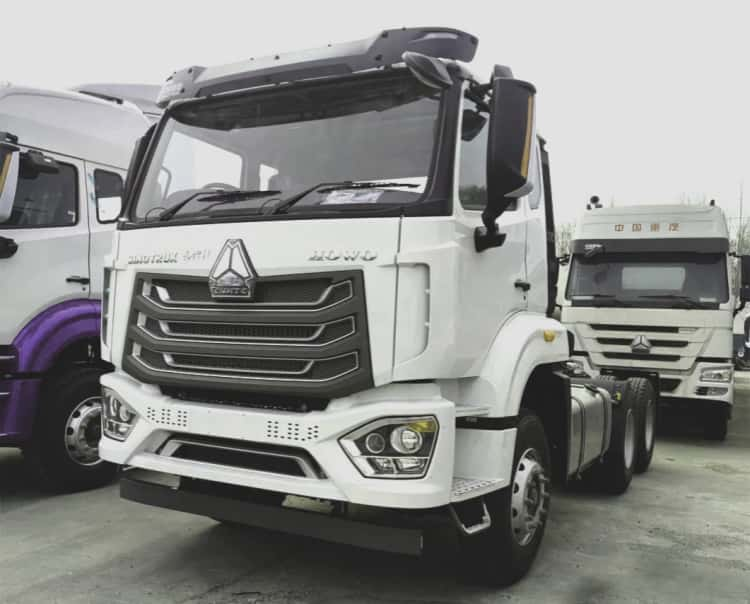
The Ways Qualified Reman Reduces Lost Revenue From Idle Trucks
Intro
Idle trucks are one of the most damaging hidden costs for mine, quarry and construction haul fleets. Every hour a truck is immobilised, you lose haulage revenue, pay driver wages for zero tonnage, and risk liquidated damages for missing site throughput KPIs. Fleets relying on ordinary used or casually rebuilt trucks face repeated, unplanned downtime from hidden structural fatigue, untested powertrains and degraded consumables.
REMAN ROAD qualified remanufacturing are built around a controlled, audited reman standard. Pre‑delivery NDT screening, mandatory part renewal and bench functional testing eliminate many latent failure points, reducing the time trucks spend idle and protecting the steady revenue stream of your fleet.
Pre‑delivery QA eliminates sudden roadside failures that force idle downtime
Most revenue‑killing idle events stem from unseen defects that casual rebuilds leave unchecked. Subsurface frame cracks, failing hydraulic seals and uncalibrated brake assemblies can bring a truck to a halt mid‑shift.
REMAN ROAD’s qualified remanufacturing workflow embeds structural NDT, brake validation and hydraulic pressure testing before delivery. Defects that would trigger roadside shutdowns are caught and repaired in the production facility, not on the haul road. This removes the frequent unplanned stops that turn revenue‑generating haul assets into idle liabilities.
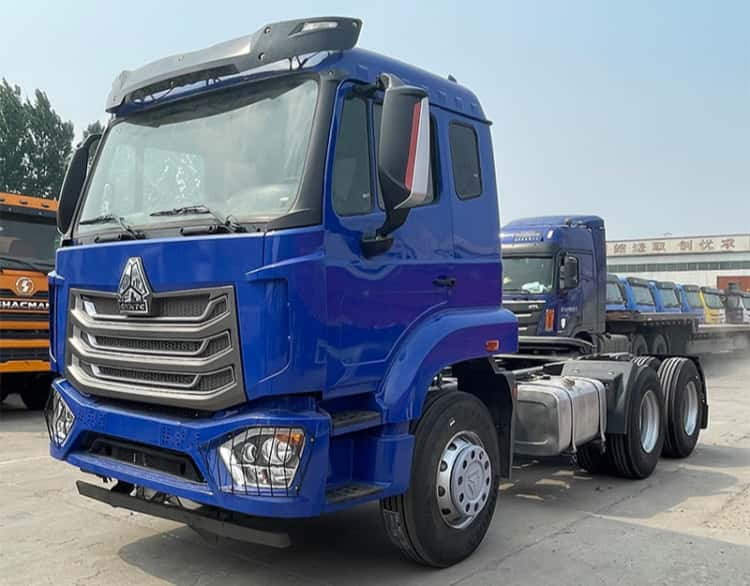
Predictable maintenance intervals reduce unplanned shop queue time
When trucks fail randomly, they flood your maintenance workshop all at once. Units queue for labour, parts and bay space, extending idle time far beyond the actual repair duration.
Qualified remanufacturing workflow resets wear rates to a consistent, documented baseline. Service schedules are calibrated to the rebuild specification, so maintenance can be scheduled in planned windows during low‑production periods. Repairs no longer pile up unexpectedly, and fewer trucks sit idle waiting for workshop capacity.
Warranty coverage reduces extended idle time for complex rebuild‑originated faults
Even with rigorous QA, rare rebuild‑related non‑conformities can emerge. For ordinary rebuilt trucks, all troubleshooting, sourcing and repair work falls to your team, often dragging on for days while the truck sits idle.
REMAN ROAD ’s formal warranty covers failures originating from the qualified remanufacturing workflow. The supplier takes responsibility for diagnosis, parts and remediation. This cuts down the investigative delay that keeps high‑value haul trucks offline and reduces the revenue loss from drawn‑out fault resolution.
Homogeneous fleet simplifies spare parts planning and avoids stock‑out idle events
Mixed, one‑off rebuilt fleets create unpredictable parts demand. Maintenance teams either overstock capital or run short of critical components, leaving trucks idle while rush orders are dispatched.
All same‑grade REMAN ROAD validated reman trucks share identical filters, seals, bearings and service points. Parts consumption is forecastable, and you can pre‑position consumables ahead of scheduled service events. This eliminates a major source of idle downtime: trucks parked waiting for a long‑lead component.
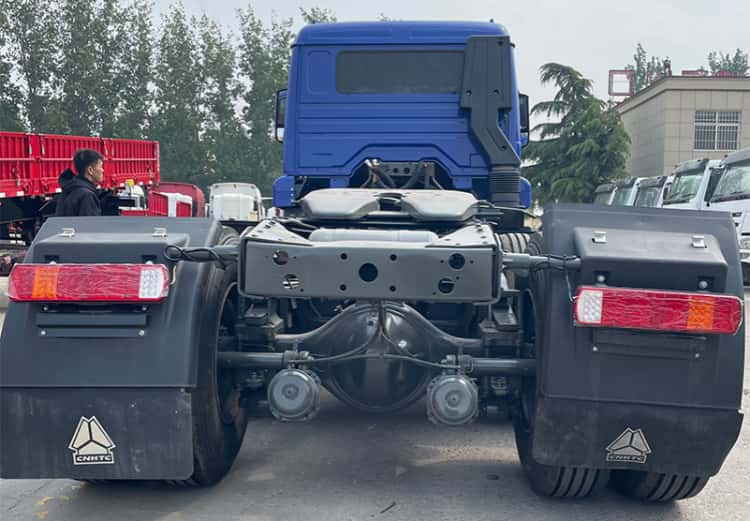
Duty grading prevents accelerated wear and premature breakdown on high‑demand sites
Misapplying a truck beyond its validated load and gradient capacity creates rapid, premature failure. This is common when fleet managers lack documented proof of a chassis’s residual strength.
REMAN ROAD validated reman trucks duty grading defines the safe continuous payload, gradient and idle envelope for each unit. You match trucks to the site’s haul profile, avoiding overloading that causes accelerated wear and sudden breakdowns. When assets operate within their rated limits, unplanned idle time drops significantly.
Fewer emergency towing and mobile service delays cut cumulative idle hours
Towing and mobile service dispatches introduce long lag times, especially on remote mine and construction sites. Each immobilisation adds waiting time before repair can even begin.
By reducing latent‑defect breakdowns, qualified remanufacturing workflow reduces how often you need emergency recovery support. Trucks stay in service instead of waiting for a tow truck or mobile technician, directly cutting the cumulative idle hours that erode contract revenue.
VIN traceability speeds up fault diagnosis and comeback resolution
When a fault occurs, unclear rebuild history slows troubleshooting. Technicians waste time guessing which components were renewed and which remain original, extending idle time.
Each REMAN ROAD audited reman standard VIN dossier records rebuild scope, inspection logs and test results. Maintenance teams can quickly review the baseline condition, isolate root causes and complete repairs faster. Less diagnostic uncertainty means less idle time between fault discovery and return to haul duty.
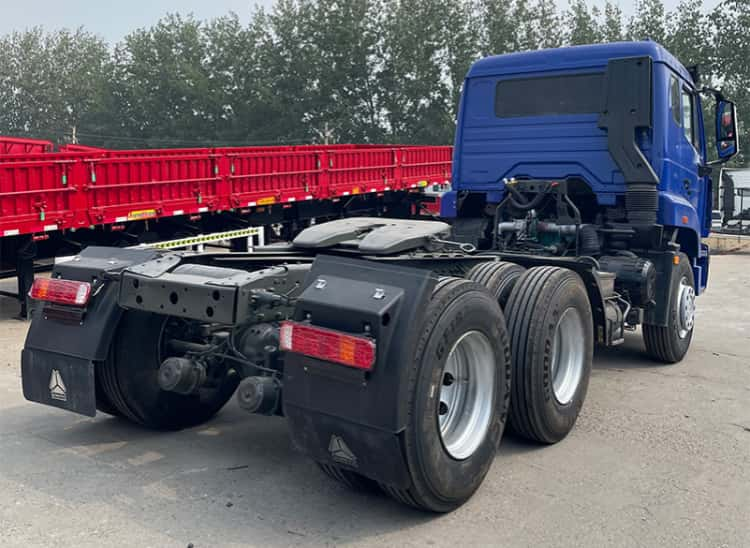
Reduced cascading downtime protects fleet throughput during peak production
A single downed truck can ripple through the whole haul cycle: loading equipment, spotters and support crews sit idle, and subsequent haul sequences back up. In peak mineral or earthworks phases, this cascading idle loss can be far larger than the revenue of one truck alone.
A more validated reman trucks fleet reduces these single‑point bottlenecks. Uptime stays consistent, haul cycles remain sequenced, and the whole fleet maintains its planned tonnage output without widespread idle cascades.
Boundary Note
Qualified remanufacturing workflow does not eliminate all idle downtime. Rock impact, collision damage, operator error and poor haul road maintenance can still take trucks out of service. What it removes is the recurring idle revenue loss caused by untested, undocumented rebuilds and predictable wear‑related failures.
Q&A
Q: Does qualified remanufacturing guarantee zero downtime? A: No. Qualified remanufacturing delivers a lower, more predictable downtime profile. You still maintain standby repair capacity for site‑related damage, but the frequency of major unplanned idle events drops sharply.
Q: How does idle revenue loss compare to the upfront reman investment? A: On high‑value bulk haul contracts, the revenue lost from even a few idle days can exceed the incremental cost of qualified reman over a casual rebuild. The savings compound across multi‑year framework and mineral haul agreements.
Q: How to phrase this in tender documentation? A: Qualified REMAN ROAD validated reman trucks reduce revenue loss from idle fleet assets, through pre‑delivery QA, predictable maintenance cycles and warranty-backed remediation, minimising unplanned breakdowns, shop queue delays and throughput disruption for mine and construction haul operations.