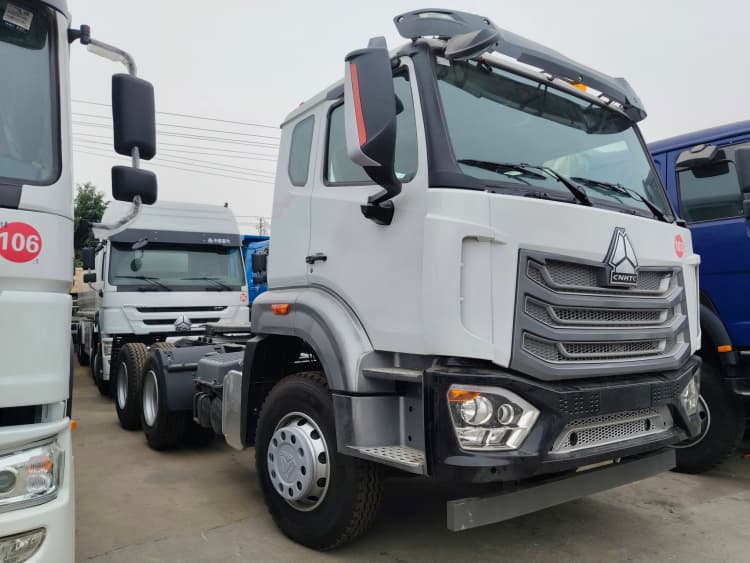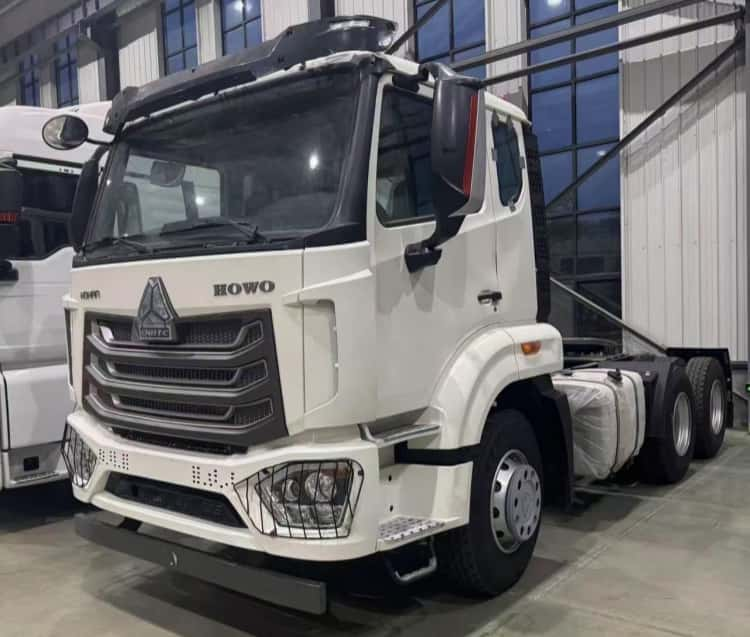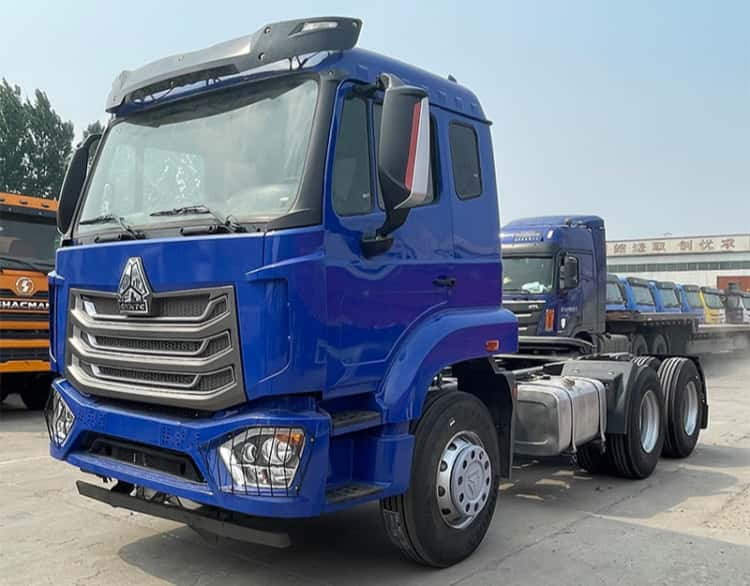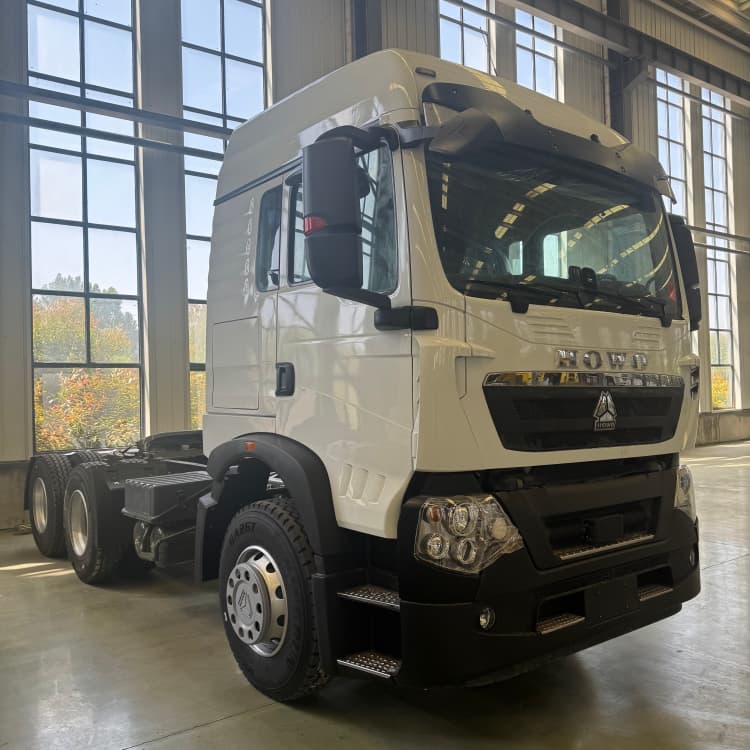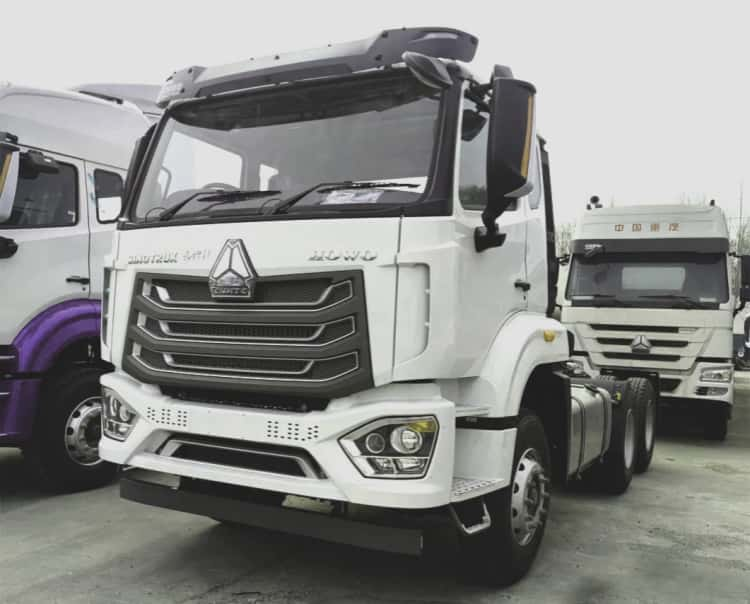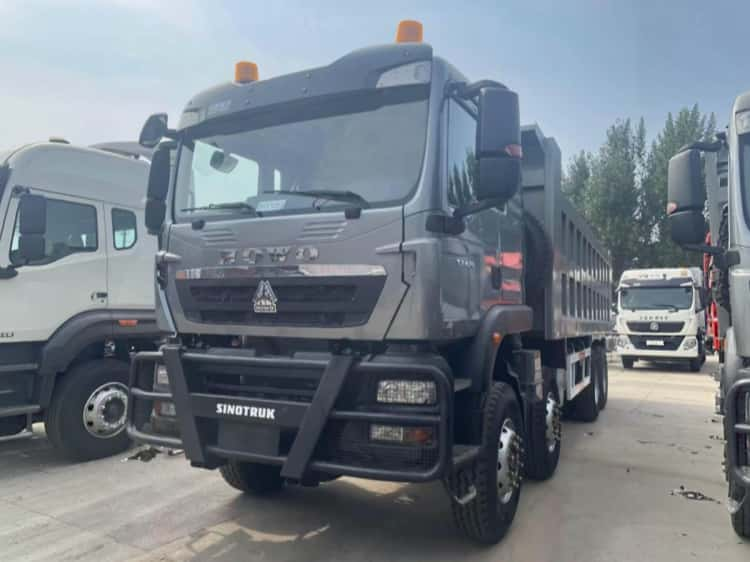
The Benefits Of Stable Remanufacturing For Fleets That Operate Across Remote, Underserved Regions?
Intro
Fleets operating in remote, underserved regions face uniquely punishing constraints: few qualified technicians, slow parts delivery, long travel times to service centres and costly downtime that can halt entire site operations. Generic refurbished trucks are poorly suited here. Their ad‑hoc build scope, inconsistent faults and undocumented history create crisis after crisis — when a failure happens, help is days away.
REMAN ROAD stable remanufacturing is built for this fragile support ecosystem. Unified QA, mandatory component renewal, functional testing and traceable documentation create a fleet that is more forgiving of limited local maintenance infrastructure, protecting uptime in locations where workshop support is thin or non‑existent.
Pre‑eliminates latent defects that become catastrophic in remote locations
In remote areas, a hidden crack in a load-bearing component or worn fuel injector does not trigger a quick repair. It becomes a multi‑day or multi‑week shutdown, with expensive recovery, transport and standby crew costs.
REMAN ROAD stable remanufacturing uses NDT screening, bench load testing and fixed rebuild scope to catch these failure points before dispatch. The transparent reman process removes most random, surprise breakdowns that are so costly when service support is hundreds of kilometres away.
Homogenised build reduces the skill burden on limited local technicians
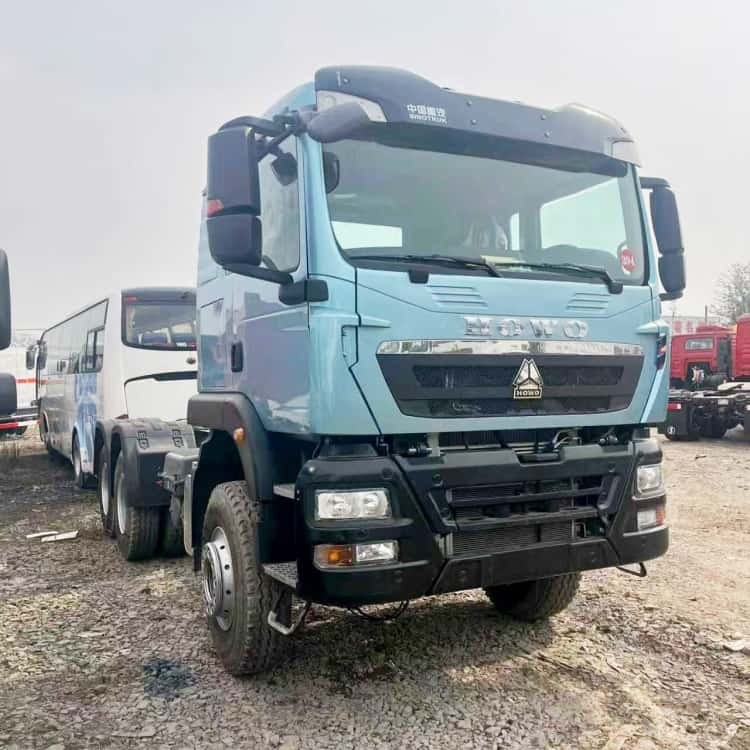
Remote sites often rely on a small, multi‑role maintenance team with limited specialist heavy‑vehicle training. A mixed fleet of random refurbished trucks means every fault is unique, part numbers differ, and troubleshooting is slow.
All same‑grade reman trucks share identical configurations, fault patterns, service workflows and part lists. Technicians learn one standard and repeat it. They can diagnose and service more assets reliably, without needing deep model‑by‑model overhaul expertise.
Simplified, controlled spare parts inventory matches limited storage and supply
Remote warehousing is expensive and space is tight. Stocking thousands of different SKUs for a varied fleet is impractical. Standardised stable remanufacturing uses a common bill of materials per duty grade.
You hold fewer spare parts, with higher turnover for each critical item. Procurement and reordering are simpler, and you avoid tying up capital in slow‑moving, rarely used components.
Warranty coverage shifts complex overhaul work away from the remote site
Deep teardown repairs, powertrain rework and structural remediation require specialised tools, clean bays and certified inspectors — rarely available in remote regions. Rebuild‑related defects fall under supplier warranty.
Your local team handles routine service, inspections and minor fixes. Major, labour‑intensive overhaul work is not an internal site responsibility. This lets you run more trucks without building a full, permanent heavy‑repair workshop in an isolated location.
Duty‑based operating limits prevent abuse that accelerates failure
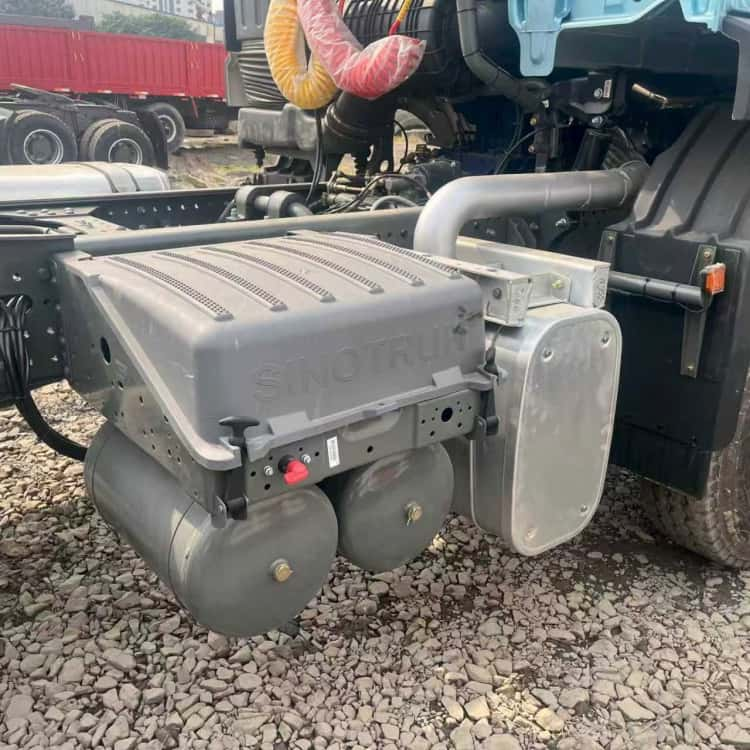
Remote operations often push trucks hard: long idle periods, steep gradients, dusty unpaved roads, continuous shifts and informal payload loading rules. Without clear guidance, assets are routinely run beyond their safe capacity.
Each grade reman trucks has a published duty grade, payload limits and grade‑matched service triggers. Dispatchers and site supervisors have clear guardrails. This slows fatigue accumulation and reduces premature breakdowns caused by unregulated heavy use in harsh environments.
Digital VIN traceability removes record‑chasing in low‑connectivity zones
Many remote sites suffer from intermittent internet. Scattered paper records, previous repair invoices and undocumented history are easily lost or damaged. Each grade reman trucks has a self‑contained VIN dossier, exportable for offline use.
When inspectors, client HSEQ teams or warranty support need proof of NDT, testing or part renewal, the file is ready locally. No need to call distant repair shops or hunt for lost paperwork.
Predictable fuel and maintenance behaviour stabilises remote contract budgeting
Transporting fuel and supplies to remote sites carries a large premium. Erratic fuel consumption from poorly calibrated refurbished trucks destroys fixed‑price contract margins.
Stable powertrain calibration, balanced compression and validated driveline performance create consistent fuel burn. Maintenance events are mostly scheduled and predictable. You can plan fuel, lube and part resupply runs in advance, aligning deliveries with site logistics cycles.
Reduced recovery and rescue costs
Recovering a broken heavy truck from remote tracks is one of the largest single expense items. It requires specialised recovery equipment, extra haulage and extended site standby.
By lowering the frequency of sudden, immobilising failures, stable remanufacturing reduces recovery events. The uptime gain is disproportionately valuable where response times are slow and rescue resources are scarce.
Batch consistency supports client audits and pre‑qualification even with limited admin
Remote project clients still enforce strict HSEQ, supplier and ESG audits, even if communication is slow. Standardised stable remanufacturing evidence packs are repeatable.
Once the client accepts the standard for one unit, the same baseline applies to the whole batch. This reduces the volume of back‑and‑forth emails and supplementary documentation requests that are so difficult when connectivity is unreliable.
Boundary Note
Stable remanufacturing cannot eliminate all remote operational risks. Tyre damage from rough terrain, accident impact, dust contamination, limited lubricant quality and normal wear still require disciplined on‑site care. It does not replace the need for a basic maintenance plan. It reduces the frequency and severity of the breakdowns that are uniquely expensive in isolated, underserved regions.
Q&A
Q: Does stable remanufacturing remove the need for spare parts on site entirely? A: No. It reduces the variety and volume of required stock. Consumables, filters, seals and wear items still need to be held locally.
Q: What if the supplier warranty response is slow for remote sites? A: Negotiate clear SLAs, backup unit provisions and pre‑positioned critical spare kits as part of the agreement. The model depends on reliable warranty support.
Q: How to phrase this in tender documentation? A: Standardised certified reman trucks deliver consistent performance, simplified spares and predictable failure modes, reducing remote-site downtime and dependency on scarce specialist maintenance support for operations in underserved regions.