How Stable Reman Powertrain Calibration Supports Consistent Fuel Budgeting?
Intro
Fuel budgets collapse when powertrain performance drifts unpredictably. Casual refurbished trucks often have uneven injection, variable boost and drifting tolerance gaps. One week consumption stays on target, the next it jumps without clear cause, eroding contract margins.
Stable reman powertrain calibration resets every critical parameter to a validated, repeatable baseline on the bench. Fuel burn becomes a predictable function of payload, gradient and operating hours, not random mechanical variance. This stability lets you build fuel budgets you can trust.
How stable reman powertrain calibration supports consistent fuel budgeting?
Fuel injection hardware is renewed and calibrated to matched OEM tolerances
In ad‑hoc rebuilds, worn injectors, pressure regulators and pump seals are often retained if the engine still runs. Minor nozzle wear shifts spray patterns, creating rich combustion under heavy torque load. Fuel use fluctuates with temperature and load.
REMAN ROAD stable reman reconditions or replaces critical fuel-system components, then sets injection timing, rail pressure and duration on dynamometer test cycles. Cylinder-to-cylinder fuel delivery is balanced. Consumption does not drift as the engine heats up or works through sustained haul cycles.
Boost, turbo and air intake systems are tuned for consistent air‑fuel ratio
Erratic boost is a top hidden cause of fuel variance. Sticky turbo vanes, leaking intake seals or clogged intercoolers starve the engine of air, forcing over‑fueling and smoke under load. During stable remanufacturing, turbochargers, hoses, gaskets and filters are inspected or renewed.
Bench testing verifies boost rise across the torque curve. The air supply matches the fuel delivery, maintaining the designed air‑fuel ratio. Fuel burn follows a predictable curve instead of spiking under heavy payload.
Compression balance and ring sealing create uniform combustion efficiency
Mismatched cylinder wear creates blow‑by, uneven compression and inconsistent burn rates. Some cylinders deliver power efficiently while others waste fuel. Over time, the fleet’s fuel spread becomes too wide for reliable budgeting.
Standard stable remanufacturing includes cylinder inspection, honing, valve reseating and ring replacement where required. Compression values are logged and balanced. All cylinders contribute evenly, so the engine’s base fuel map remains stable hour after hour.
ECU sensors and offset logic are reset and validated
A used truck’s ECU may carry old fault codes, degraded temperature or pressure sensors, and leftover makeshift tuning. Off‑spec sensor readings trick the engine into over‑fueling intermittently.
Stable remanufacturing replaces out-of-spec sensors, clears historical offsets, and runs controlled load cycles to confirm ECU response. There is no hidden tuning drift that creates unexplained fuel surges mid-contract.
Driveline and brake drag are removed to eliminate parasitic fuel losses
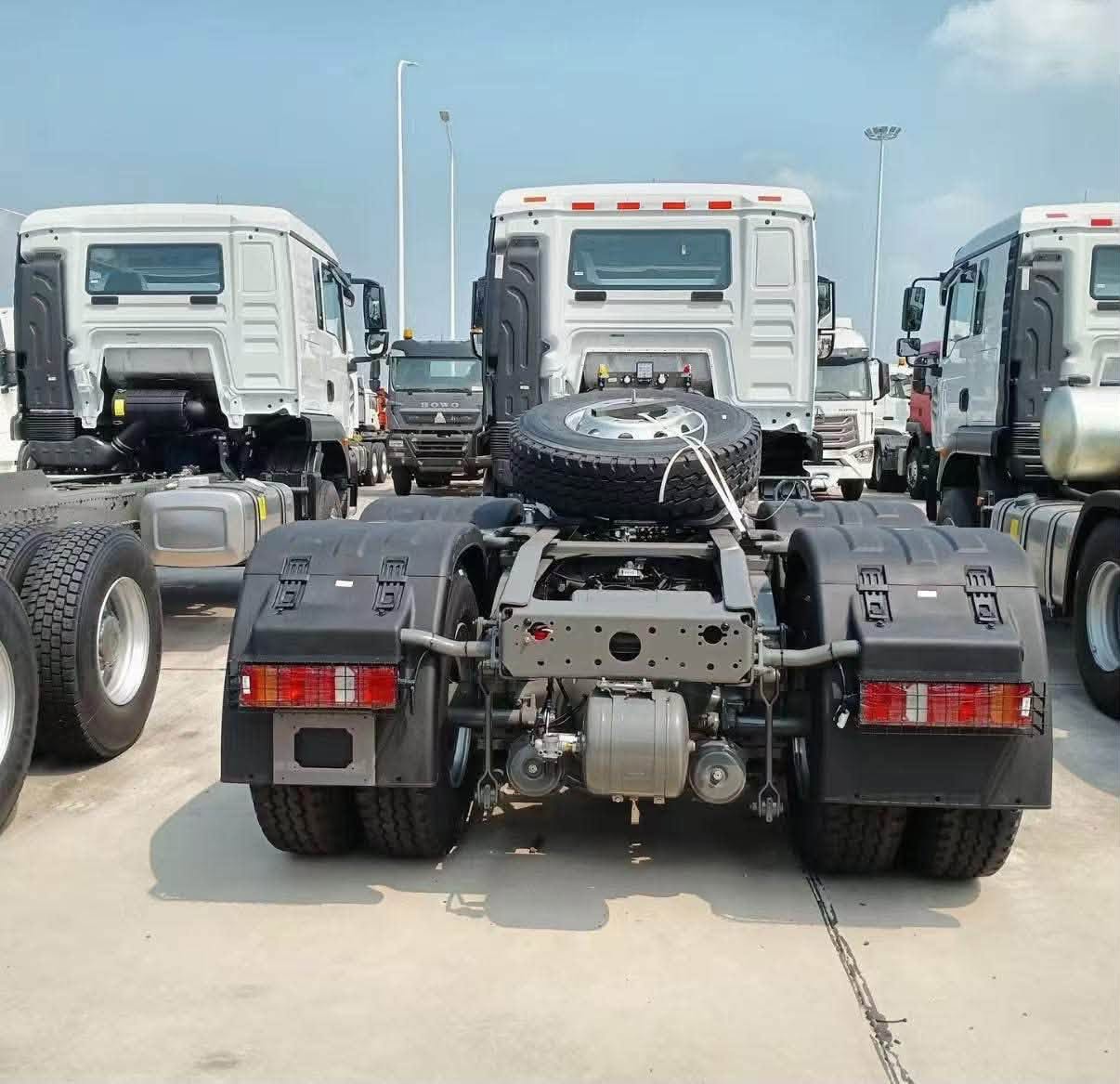
Binding axle gears, misaligned drivelines or dragging brakes add variable parasitic resistance. These losses only show up under certain speeds or payloads, making fuel data hard to model.
Powertrain validation includes checking rolling resistance, preload and brake drag. Unwanted friction is corrected before delivery. The fuel budget only accounts for the work of hauling payload, not hidden mechanical drag.
Same-duty-grade test profiles create comparable fuel baselines
Every stable reman trucks run identical bench torque, rpm and load cycles. Fuel consumption is logged at standardised operating points and documented in the VIN dossier.
When you add new stable reman trucks to the fleet, you can reuse the existing fuel model. You do not need to rebuild budget assumptions for each new truck, as you would with randomly refurbished assets with unique wear histories.
Reduced fuel outliers simplifies forecasting and tender margin control
Budgeting relies on a narrow, predictable variance band. A small number of fuel-hungry rogue trucks can blow up the average and ruin fixed-price tender profitability. Stable calibration reduces these outliers.
Most units cluster tightly around the forecast fuel rate. Finance and planning teams can set contingency reserves more accurately, without padding budgets for unknown mechanical fuel drift.
Boundary Note
Calibration stability cannot remove normal fuel variation from driver technique, tyre pressure, route gradients, payload fluctuation and fuel quality. The difference is that the powertrain itself no longer introduces large, unpredictable consumption swings that distort forecasts.
Q&A
Q: Does this mean every stable reman trucks will use exactly the same litres per tonne? A: No. Operational variables still create some spread. But the range of variance is narrow and predictable, unlike refurbished fleets where individual units can sit far outside the budgeted range.
Q: How is this different from a new OEM powertrain? A: Stable reman powertrain delivers the same calibrated, repeatable fuel behaviour at a lower acquisition cost, with its own validated test baseline.
Q: How to phrase this in RFQ or tender documentation? A: All stable reman powertrains shall undergo bench calibration, injection balancing and boost validation, delivering stable fuel consumption behaviour and supporting reliable fuel budgeting for fixed-price haulage contracts.