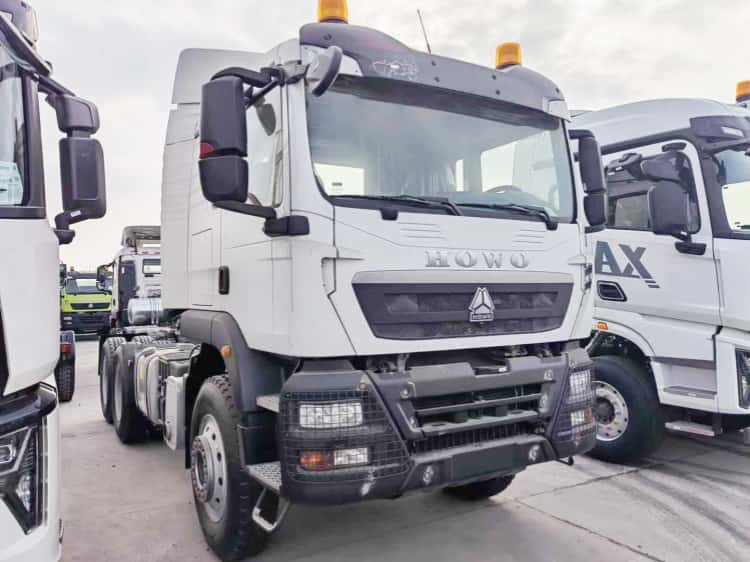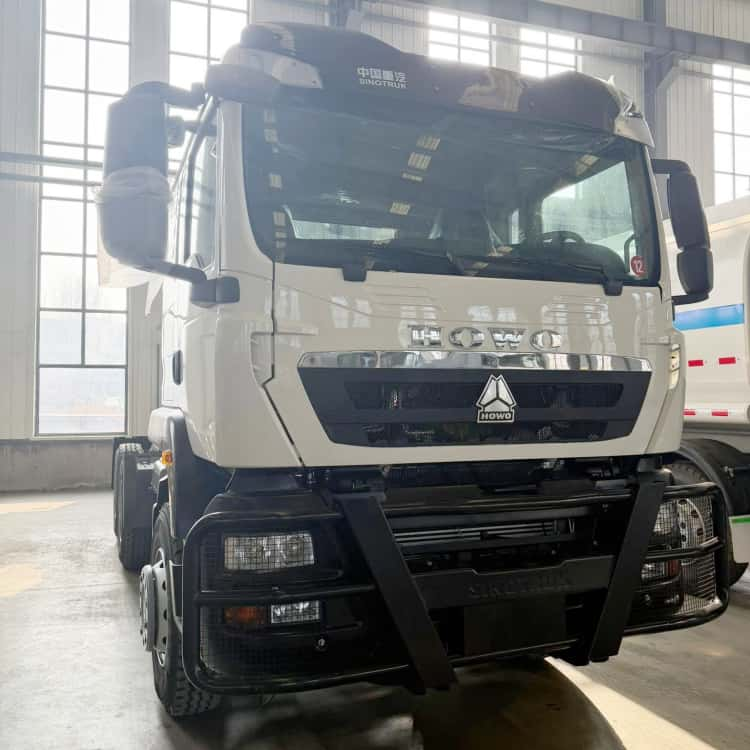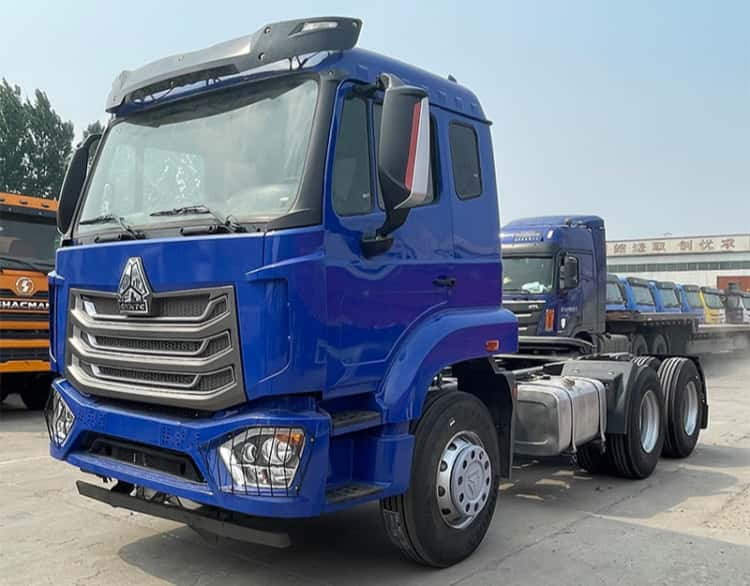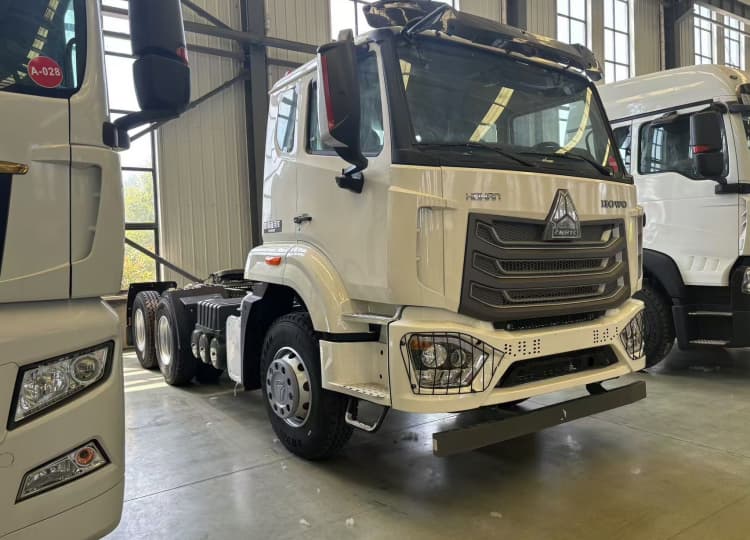
Why Reliable Remanufacturing Supports Steady Fleet Ramp-Up?
Intro
New mine development follows a staged ramp‑up timeline: site preparation, pre‑strip, early overburden removal, and finally full mineral production. Timing is everything, but new truck lead times are often unpredictable and long, while casual rebuilt trucks bring inconsistent reliability that creates bottlenecks exactly when the mine is trying to build production momentum.
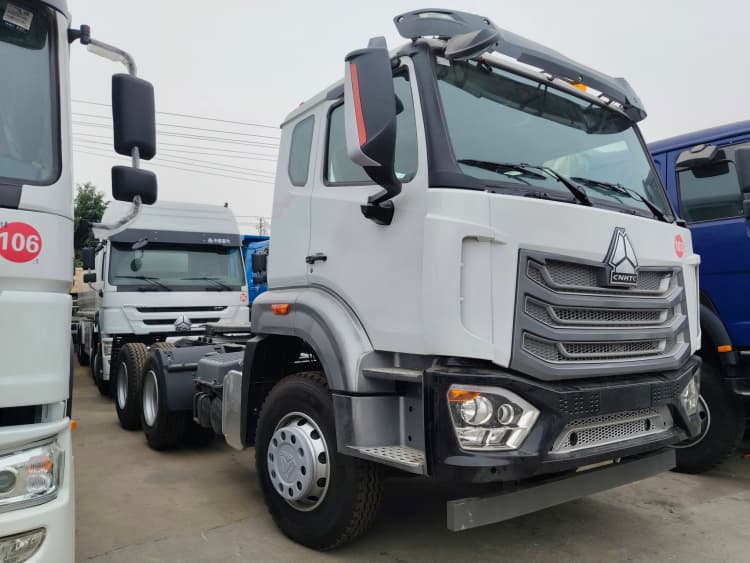
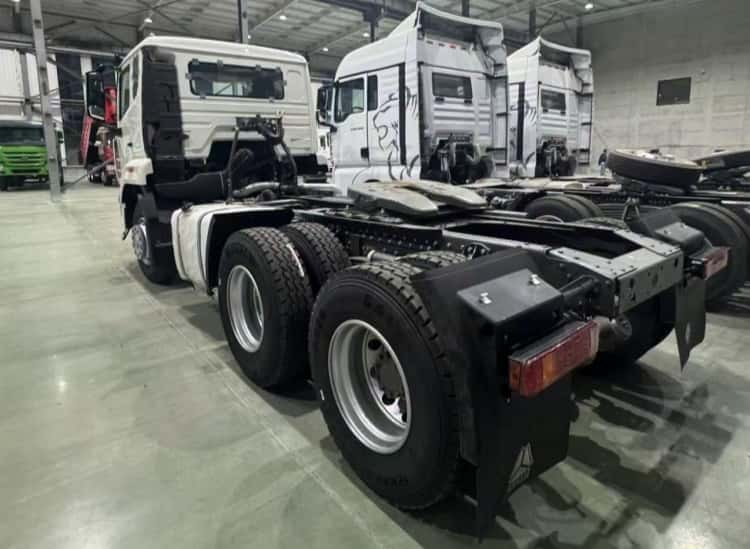
REMAN ROAD’s standardised, reliable remanufacturing can be delivered in staggered batches, with a uniform baseline that your team and site controls can absorb gradually. This steady supply of predictable assets keeps ramp‑up on track without overcommitting capital before the mine reaches full output.
Why reliable remanufacturing supports steady fleet ramp-up?
Shorter, more flexible lead times match phased mine production schedules
Greenfield mine schedules are frequently adjusted: permitting delays, civil works hold‑ups or slower pre‑strip volumes can shift fleet requirements. New OEM heavy trucks often have multi‑month fixed lead times and large minimum order quantities.
REMAN ROAD reliable remanufacturing has shorter production cycles and supports small, incremental deliveries. You add trucks in lockstep with actual site progress, instead of receiving a huge fleet all at once that sits idle or rushing to source assets last minute.
Homogeneous design reduces the learning curve for new site maintenance teams
Mine startup means hiring and training an entirely new workshop and driver team. A mixed fleet of random used/rebuilt trucks creates hundreds of unique quirks, part variants and fault patterns.
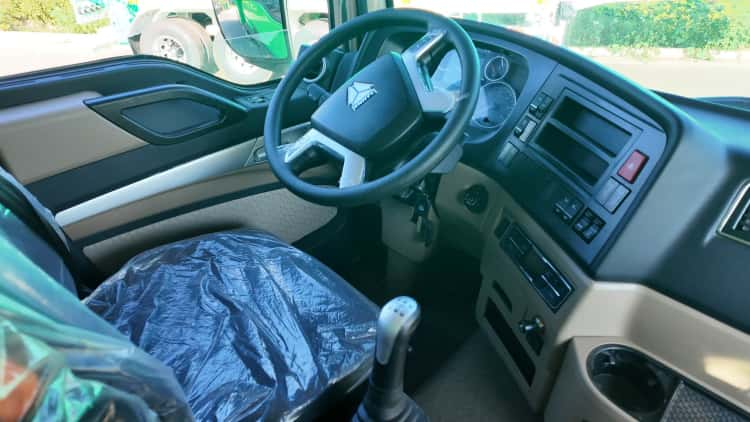
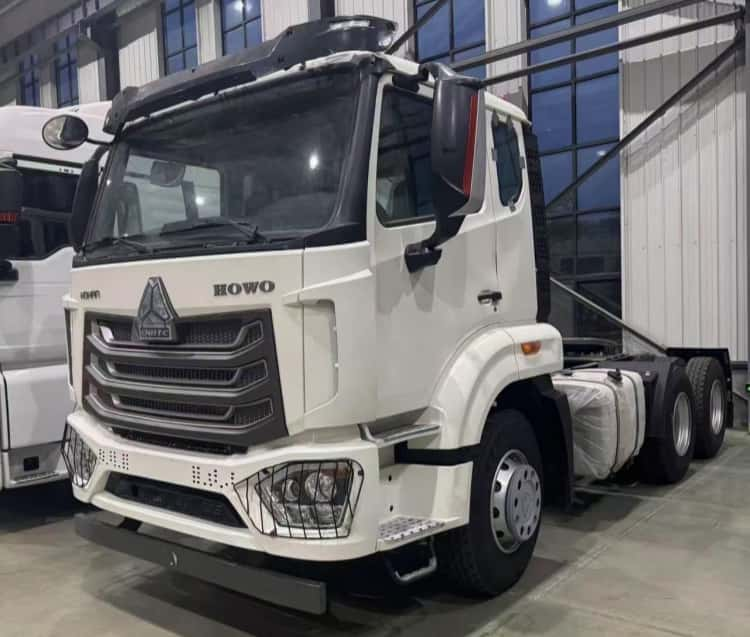
All same‑grade REMAN ROAD qualified reman trucks share identical rebuild scope, test criteria, service checklists and duty limits. Technicians learn one standard, drivers adapt to consistent handling and braking performance. Onboarding goes faster, diagnostic speed improves, and human error drops during this high‑stress startup phase.
Duty grading matches each delivery batch to the evolving haul profile
Early pre‑strip work may involve lighter loads and shorter cycles, while later production phases require heavier payloads and steeper gradients. Each qualified reman trucks is graded and documented for its validated load and gradient capacity.
You can deploy medium‑duty units for early site works, then introduce heavy‑duty batches as the mine moves into full overburden haul. This avoids two costly mistakes: under‑specced trucks failing early, or over‑specced high‑capacity assets sitting underutilised.
Audited VIN dossiers accelerate mine site HSEQ and supplier pre‑approval
Mines enforce strict pre‑entry compliance for every vehicle before it can enter the haul road. Slow supplier reviews delay fleet commissioning and push back ramp‑up targets. Each REMAN ROAD qualified reman trucks comes with a complete, repeatable reliable remanufacturing dossier: NDT reports, mandatory component renewal logs, bench brake and hydraulic testing, and final acceptance sign‑off.
Once the mine’s HSEQ team approves the reliable remanufacturing standard, subsequent batches are reviewed against the same baseline. This removes repeated, time‑consuming validation for every new delivery.
Predictable maintenance intervals let you build spares and logistics plans in advance
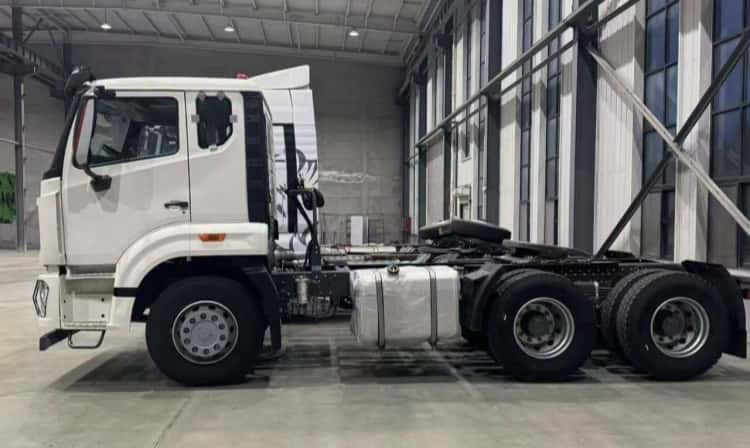
Supply chains to new mine sites are slow, and emergency rush parts are expensive and slow to arrive. Standardised wear rates and fixed service windows mean you can forecast part consumption for each ramp‑up phase.
You pre‑position the right filters, seals, bearings and brake consumables ahead of time, aligning parts shipments with scheduled resupply runs. This prevents stockouts and breakdowns that throttle production growth.
Lower capital exposure protects you if ramp‑up slows or stalls
Mine development carries inherent uncertainty: geological surprises, regulatory changes or budget revisions can slow the rollout. New trucks lock in massive finance payments from day one, even if the mine takes longer to ramp.
REMAN ROAD reliable remanufacturing’s lower acquisition cost and incremental ordering mean you spend capital only as the mine proves its throughput. If the schedule slips, you pause orders without being stuck with a fleet of underutilised, rapidly depreciating new chassis.
Pre‑delivery QA reduces crippling early breakdowns during ramp-up
The ramp‑up phase is when mine operators are most vulnerable to downtime. A small number of immobilised haul trucks can bottleneck the entire pre‑strip operation.
NDT screening, dynamometer validation and mandatory consumable renewal eliminate latent structural and powertrain defects that commonly surface in the first few hundred hours. The fleet enters service with a proven baseline, so uptime KPIs stay steady while the site is still establishing workflows and repair controls.
Warranty coverage transfers rebuild risk during the fragile startup phase
Your new in-house maintenance team is still building competency. If a major rebuild-originated fault occurs, the downtime, recovery and repair cost can sink early-stage margin. REMAN ROAD ’s formal warranty covers defects originating from the reliable remanufacturing process.
Your team focuses on routine wear‑item service, while major rebuild‑related failures are remediated by the specialist supplier. This risk buffer is invaluable when local workshop capability is still maturing.
Consistent fuel performance stabilises cost modelling as tonnage grows
Budgeting for a new mine depends on predictable per‑tonne haul costs. Variable fuel burn from inconsistent rebuilt trucks makes financial forecasting unreliable. Calibrated powertrains deliver narrow, repeatable fuel consumption across the fleet.
Finance and mine planning teams can model haul costs accurately as tonnage ramps up, avoiding unplanned budget overruns that create tension with the mine principal.
Boundary Note
Reliable remanufacturing process does not remove all startup risks. Haul road quality, dust, driver training, site loading practices and tyre management still need robust controls. It eliminates the risk of introducing an inconsistent, unproven fleet that introduces unpredictable failures exactly when production must grow steadily.
Q&A
Q: Can I mix qualified reman trucks with new trucks in the ramp-up fleet? A: Yes. REMAN ROAD reliable remanufacturing works well as a flexible capacity supplement. The reman batches handle the variable, phased demand while new trucks enter on their own longer schedule.
Q: What if the mine suddenly accelerates ramp‑up and needs more trucks quickly? A: The standardised reliable remanufacturing process allows expedited batch orders against the already‑approved QA and compliance standard, faster than sourcing new OEM chassis.
Q: How to phrase this in tender or mine development documentation? A: REMAN ROAD qualified reman trucks support controlled, phased fleet ramp-up for new mine development, with flexible batch delivery, audited compliance, consistent duty-rated performance and predictable TCO, protecting production momentum during pre‑strip and early overburden phases.