How Standard Reman Truck Builds Shorten Driver Familiarisation Across Your Fleet?
Intro
Driver rotation, new hire onboarding and cross-site crew mobilisation create productivity drag when every truck handles differently. Casual one-off rebuilds often have inconsistent brake response, modified controls, uneven pedal feel and unpredictable powertrain behaviour. Drivers need extended seat time to learn each unit’s quirks, which slows haul cycles and raises safety risk during the learning phase.
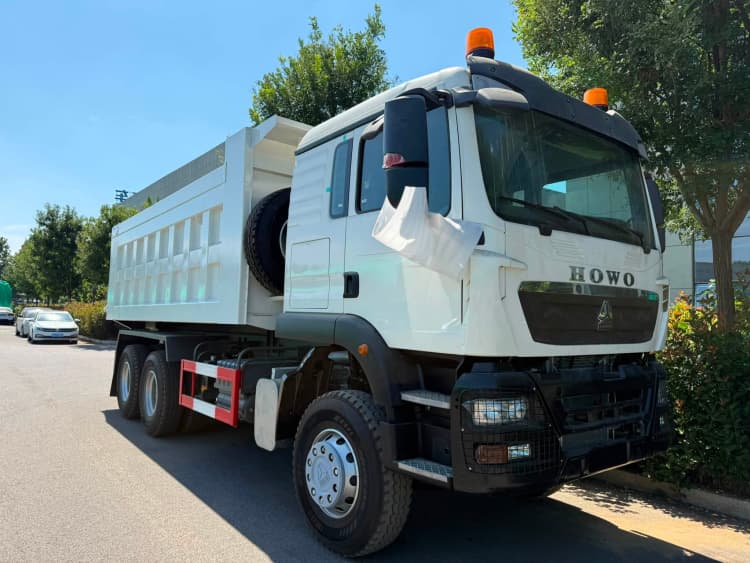
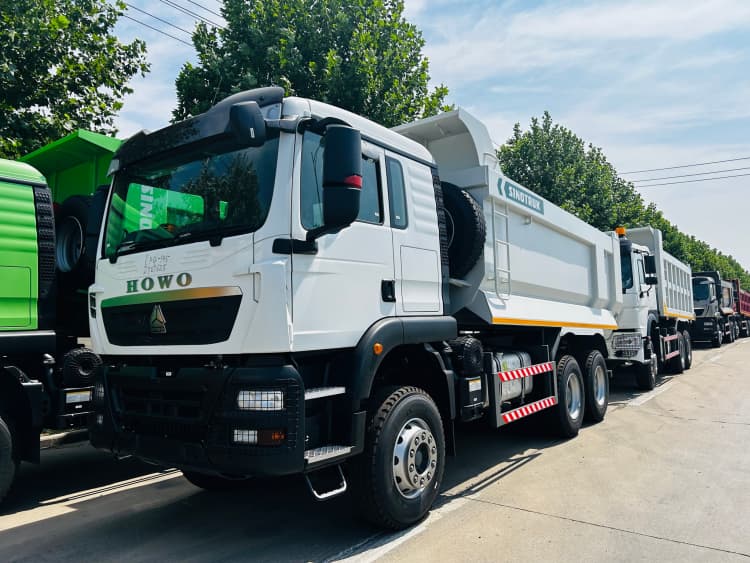
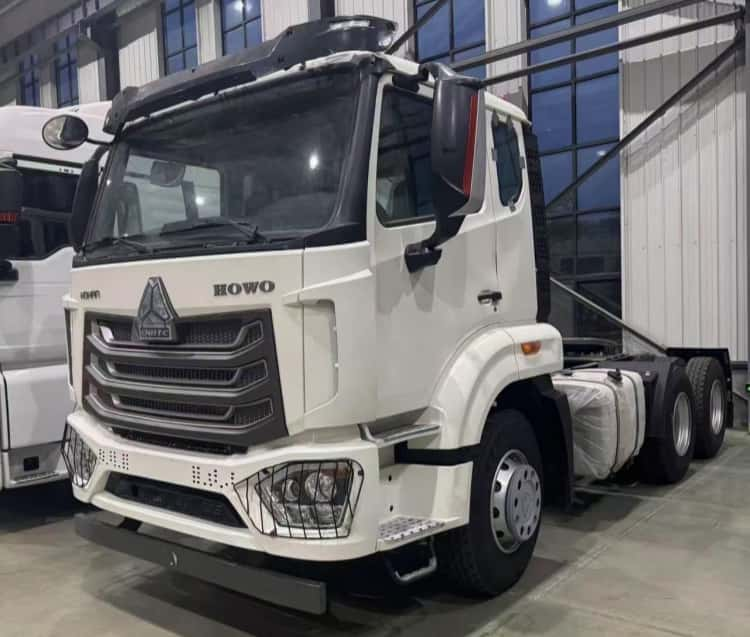
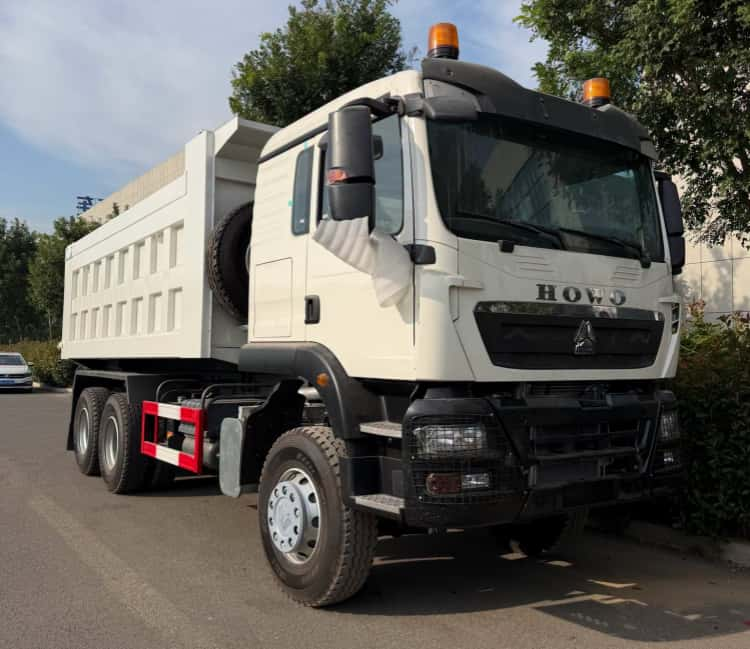
REMAN ROAD standard reman truck rebuilds lock in identical control layouts, calibrated performance and predictable handling for every unit within the same duty grade. Drivers can transition between trucks quickly, with minimal familiarisation and less chance of operator error.
Uniform control layout and cab ergonomics remove guesswork
With casually rebuilt fleets, controls, switches, PTO levers and dump body controls can end up repositioned or adjusted differently on every chassis. Drivers hunt for switches during pre-start checks or dumping cycles.
REMAN ROAD enforces a fixed cab specification for each reman grade. Switch positions, lever travel, instrument readouts and warning indicator logic are identical. Drivers move from one REMAN ROAD standard reman truck to another and find the same controls in the same places, eliminating slow, error-prone familiarisation.
Consistent brake and powertrain calibration reduces learning risk
Variable brake feel, laggy throttle response and inconsistent transmission shift points are common rebuild defects. These handling differences force drivers to re-learn stopping distances and load response every time they swap trucks.
Every REMAN ROAD standard reman truck undergoes bench testing to align brake torque, engine response and shift profiles to the same performance envelope. Stopping behaviour, hill hold performance and loaded acceleration are predictable. Drivers rely on muscle memory rather than trial and error, shortening the time needed to operate safely at full production speed.
Standardised pre-start checklists align with vehicle build specs
When trucks have unique rebuild histories, supervisors must create custom pre-start checklists for each asset. Training drivers on multiple separate inspection routines extends onboarding timelines.
REMAN ROAD standard reman truck builds use one shared pre-start checklist for the whole grade. Drivers learn a single routine for fluid levels, leak points, mountings and safety systems. Training material is reusable, site inductions are faster, and new drivers reach full operational capacity sooner.
Faster crew rotation for peak production and leave cover
Mining and construction fleets rely heavily on rotating drivers to cover shifts, sick leave and sudden throughput spikes. Mixed, inconsistent fleets limit who can safely operate which truck.
With REMAN ROAD standard reman truck, any trained driver can safely operate any truck in the same grade. Dispatch gains flexibility. Crew cover is arranged faster, and bottlenecks caused by “only one driver knowing this truck” disappear.
Reduced human error during the familiarisation window
The highest risk period for a driver is the first few shifts on an unfamiliar truck. Misjudged braking, accidental PTO activation or incorrect dumping sequence can lead to incidents, site penalties and downtime. Standardised handling narrows that high-risk window.
Because vehicle response matches expectations, drivers spend less time testing behaviour and more time operating within safe, familiar parameters. This lowers incident rates during crew changes and new-hire induction.
Simplified site training and lower training overhead
Training budgets and trainer time are limited, especially on greenfield sites or short framework contracts. A fleet with many unique rebuild variants requires repeated, vehicle-specific training sessions.
REMAN ROAD standard reman truck lets you deliver one training session for an entire batch of trucks. Trainers focus on the duty profile and site rules, not individual vehicle quirks. Training costs fall, and more drivers can be onboarded in the same window.
Consistent warning and fault indicator logic
On ad-hoc rebuilds, warning lights, pressure alarms and fault codes may behave inconsistently if sensors or wiring are modified or poorly calibrated. Drivers struggle to tell serious faults from minor quirks.
REMAN ROAD standard reman truck’s QA workflow validates sensor wiring, pressure thresholds and alarm triggers. Fault indicators behave predictably across the fleet. Drivers learn to recognise and report issues reliably, without confusion caused by inconsistent electrical rebuild work.
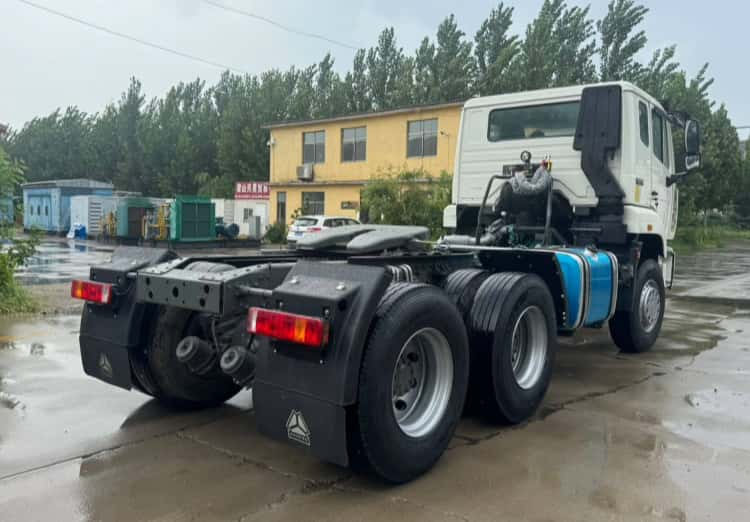
Easier cross-site redeployment of drivers and trucks
Many construction and quarry fleets move trucks between work packages and sites. Each redeployment previously required fresh driver familiarisation for every relocated unit.
Since REMAN ROAD standard reman trucks of the same grade perform identically, you can reassign drivers and trucks independently. Assets can be shifted to high-priority sites without waiting for lengthy driver re-training.
Boundary Note
Standard build specs do not eliminate site-specific training. Drivers still need instruction on haul road hazards, site speed rules, loading procedures and local dumping protocols. What is eliminated is the extra learning burden caused by inconsistent, one-off rebuild quality.
Q&A
Q: Can drivers still mix REMAN ROAD standard reman trucks with brand-new OEM trucks? A: Yes. You separate them into two groups with distinct training paths. The reman subset still delivers the benefit of uniform handling and fast cross-unit rotation.
Q: Does standardised build mean all REMAN ROAD standard reman trucks drive exactly the same regardless of load? A: Load and gradient will naturally change handling. The calibration baseline and control response remain consistent, so drivers know how the truck will react under loaded conditions.
Q: How to phrase this in tender or onboarding documentation? A: REMAN ROAD standard reman truck builds deliver consistent cab layout, controls and calibrated handling across the fleet, shortening driver familiarisation time, simplifying crew rotation, cutting training overhead and lowering operator error risk during onboarding and shift changes.