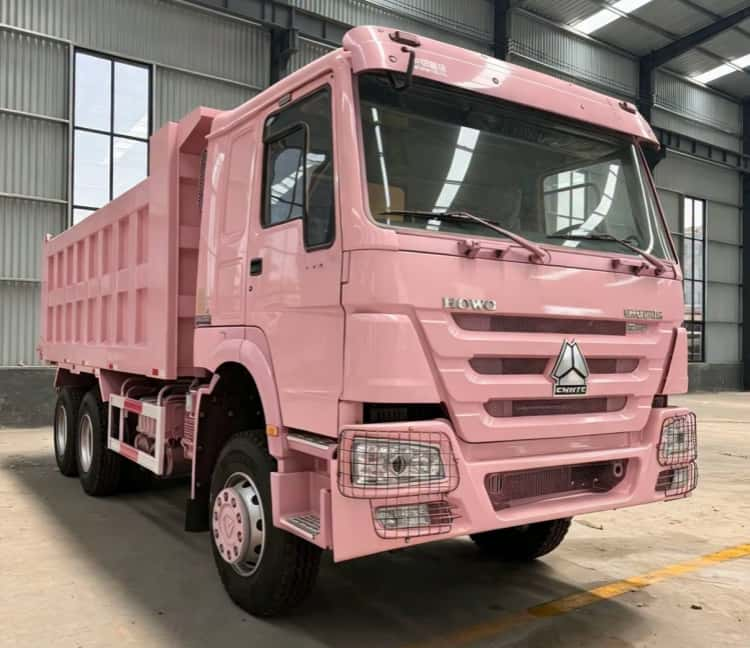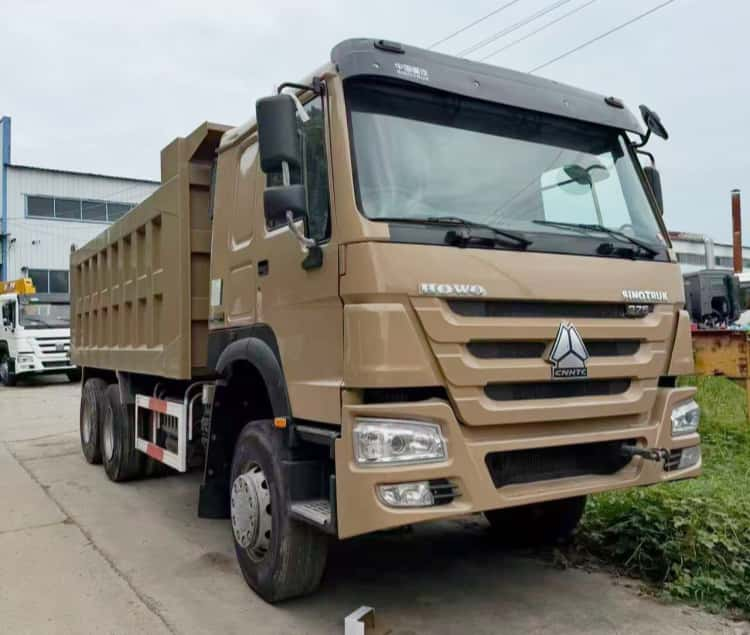
How to Eliminate Mechanical Fatigue Through Reman Manufacturing?
Intro
Mechanical fatigue is one of the most dangerous failure modes for heavy-duty trucks. Repeated cycles of load, vibration and stress create microcracks that are invisible to visual inspection. These cracks grow slowly over hundreds of haul cycles, until a frame, axle bracket or suspension component fractures unexpectedly. For ordinary used fleets, fatigue damage is often unknown, and simple surface repairs leave these hidden risks intact.
REMAN ROAD builds its reman manufacturing workflow around systematic fatigue elimination. The reman manufacturing process targets residual stress, crack initiation sites and over-stressed hotspot zones, rather than only replacing obviously broken parts. This article explains how structured reman manufacturing process practices remove mechanical fatigue risk from load-bearing assemblies.
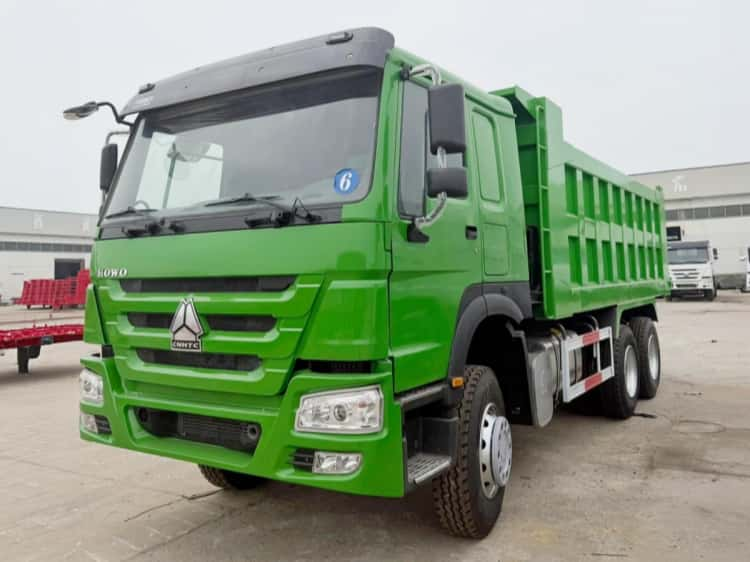
Fatigue hotspot mapping prioritizes high-risk zones
Fatigue does not spread evenly across a chassis. It concentrates on known hotspots: frame rail transition sections, spring hanger mounting points, axle housings, kingpin bores and lifting cylinder brackets.
REMAN ROAD engineers first overlay the truck with a fatigue hotspot map tailored to its model and duty class. These areas receive enhanced scrutiny, because they are where microcracks most often form. This focused inspection avoids wasting resources on low-stress regions while ensuring the highest-risk locations are never overlooked.
Multi-method NDT detects microcracks that visual checks miss
Surface rust, paint and grime can hide fatigue cracking. Visual inspection alone cannot identify subsurface microcracks. During reman manufacturing disassembly, critical load-bearing components undergo standardized non-destructive testing: magnetic particle, ultrasonic and penetrant inspection.
Any part with measurable crack propagation is rejected. If the crack exceeds the allowable repair threshold, the component is scrapped, not patched. This step removes fatigue-damaged hardware before rebuild begins.
Controlled repair limits prevent introducing new fatigue risks
Poorly executed welding is a common source of fresh fatigue. Uncontrolled heat input, improper filler material or inadequate post-weld grinding creates brittle heat-affected zones and residual stress.
REMAN ROAD reman manufacturing enforces strict structural weld limits. Repairs are only permitted within pre-approved zones, following qualified welding procedures. After welding, stress relief and re-inspection are mandatory. The reman manufacturing workflow goal is to restore strength without introducing new fatigue initiation points. Unqualified, makeshift welds found on incoming cores are fully removed and reworked.
Component grading separates fatigued cores from reusable stock
Not every used component has the same remaining fatigue life. Two seemingly identical axle housings or frame sections can carry vastly different accumulated stress based on past payloads and terrain.
REMAN ROAD reman manufacturing’s three-bucket grading system sorts parts: fit for reuse, repairable under defined rules, or scrap. Components with accumulated fatigue beyond acceptable margins are sent for recycling. This prevents lightly damaged parts with shortened service life from being returned to the fleet.

Bench and full-load road simulation validate residual stress performance
After rebuild and reassembly, assemblies and the complete vehicle are subjected to load testing. Bench rigs cycle components through repeated stress ranges, and full-load road simulation replicates the vibration and load cycles of the intended duty profile.
If a component still carries unaddressed fatigue, the cyclic stress will trigger faults or crack growth during testing. Units that fail are pulled back for re-evaluation. Passing test data is logged into the VIN traceability record as proof of stable fatigue margins.
Important guardrail
Reman manufacturing workflow eliminates pre-existing fatigue from the core unit. It cannot stop new fatigue from building up after delivery. Continuous overload, operation beyond duty classification and neglected maintenance will restart the fatigue accumulation process. Duty-matched assignment and regular periodic NDT remain essential for long service life.
Final Takeaway
Mechanical fatigue is invisible, progressive and responsible for many sudden heavy-truck failures. For fleet buyers, the key takeaway is simple: REMAN ROAD reman manufacturing process uses fatigue hotspot mapping, multi-modal NDT, strict repair boundaries and cyclic load testing to root out existing microcracks and residual stress, so certified reman trucks enter service with safe, known fatigue margins.