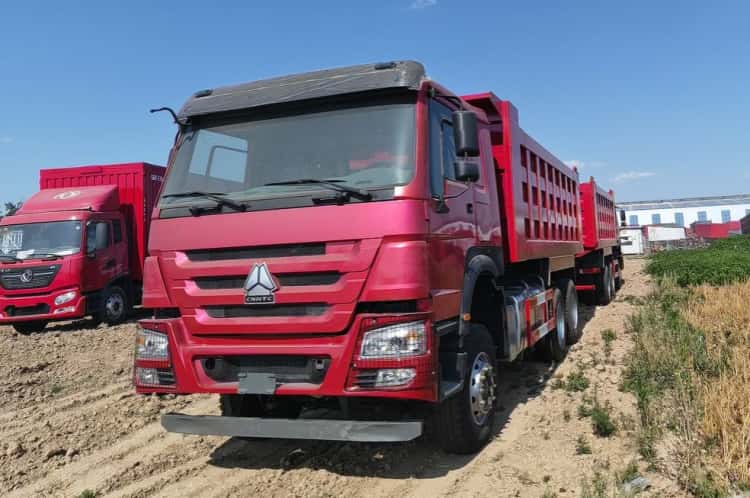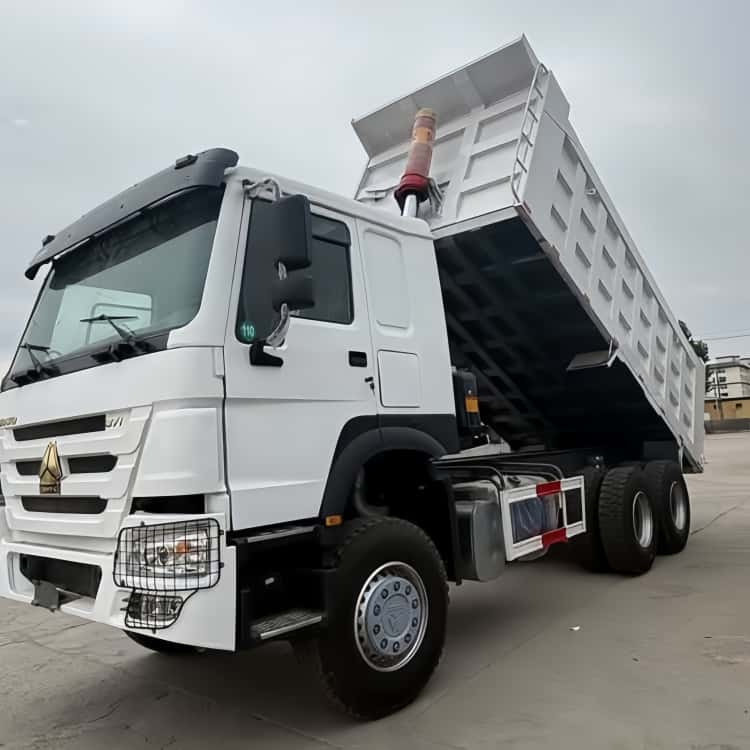
Full Process of Genuine Heavy Duty Truck Remanufacturing
Intro
Genuine heavy duty truck remanufacturing is not a quick overhaul or cosmetic refresh. It is a structured, engineering-driven industrial workflow designed to reset the asset’s usable lifecycle, rather than simply repairing visible faults.
Every heavy duty truck reman workflow follows fixed acceptance criteria, quantitative testing rules and traceability requirements. No stage can be skipped without compromising the safety margin and long-term reliability of the finished truck.
REMAN ROAD’s standardised heavy duty truck reman workflow creates consistent, auditable outcomes that separate verified reman trucks from casual refurbished truck.
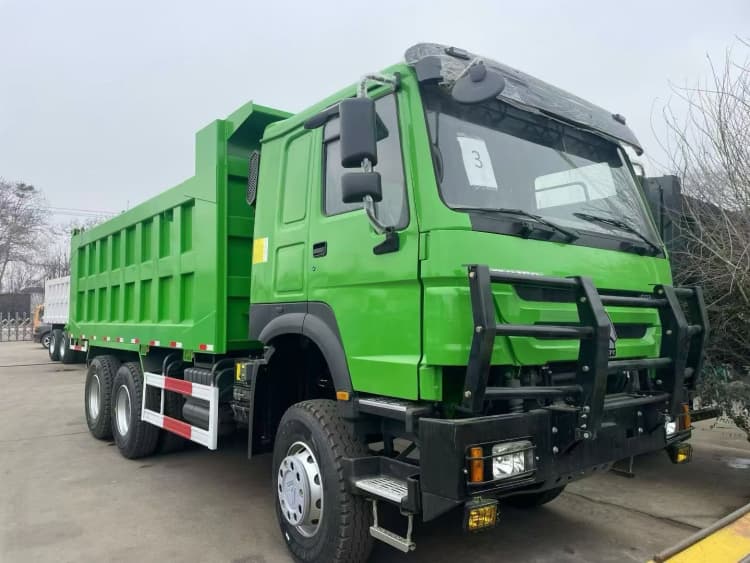
Core intake and qualification screening
The heavy duty truck reman workflow starts long before any disassembly. The engineering team reviews the candidate chassis’s service history, mileage, prior accident, overload and frame repair records. Visual and dimensional pre-checks are carried out to flag obvious dealbreakers: severe frame distortion, irreversible impact damage, or widespread deep corrosion on primary load paths. Cores that fail this screening are rejected for reman and routed for responsible recycling. Only qualified cores move forward, with a dedicated VIN traceability file opened to record every subsequent action.
Complete teardown and media blasting
Qualified trucks are fully stripped down to bare major assemblies. Cabin, powertrain, driveline, suspension, brake and hydraulic components are separated individually. The frame, axle housings and other structural parts go through controlled media blasting to remove paint, rust scale and surface grime. Blasting is not for appearance only. It exposes hidden corrosion pits, weld defects and surface cracks that are invisible under paint or dirt, laying the foundation for accurate NDT inspection.
NDT scanning and quantitative structural measurement
This is the core quality gate for structural safety. Inspectors run mapped non-destructive testing across all high-stress zones: frame weld roots, flanges, suspension brackets, steering knuckles and hoist mount points. Ultrasonic thickness testing records remaining wall material at marked locations. All findings are logged numerically, not just summarised as “pass or fail”. If critical fatigue cracks or excessive material loss are detected, the chassis is either rejected, or approved only with a reduced duty envelope to match its remaining safety margin.
Component sorting, regeneration and mandatory renewal
All stripped components are sorted into three categories: scrap, reconditionable, and mandatory replacement. High-cycle fatigue parts are renewed by rule, regardless of visual condition: kingpin assemblies, bearings, U-joints, seals, brake chambers, hydraulic gaskets and structural fasteners. Reusable components such as crankshafts, cylinder blocks and axle carriers undergo their own separate NDT, hardness testing and precision machining. Parts that cannot meet the reman acceptance standard are scrapped, rather than patched or reused.
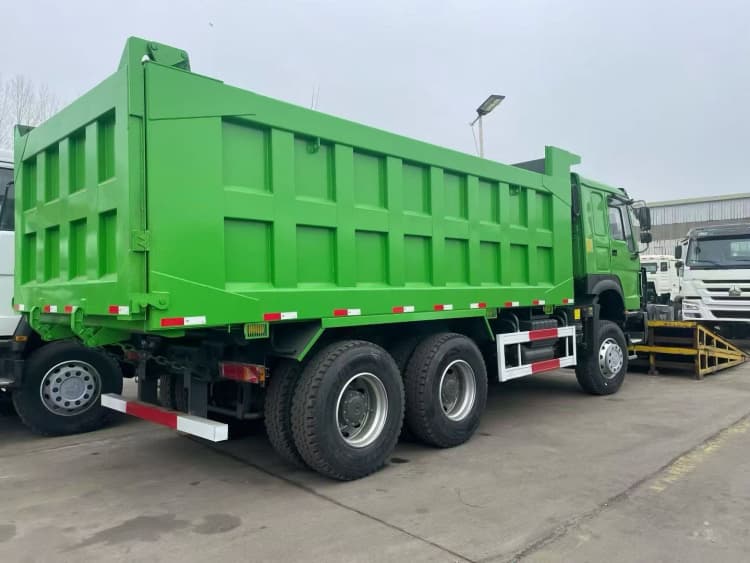
Precision assembly and system calibration
Assembly follows standardised torque sequences and fit tolerances. The key difference from simple repair is system-level tuning. Technicians align driveline phasing and working angles, set steering caster, camber and toe, calibrate brake bias and adjust hydraulic relief pressures. Powertrain ECU parameters are verified to match the chassis’s final rated capacity. The goal is system harmony, ensuring every subsystem works in balance instead of functioning as isolated individual parts.
Loaded performance validation
Empty-yard idle and leak checks are only preliminary tests. Final validation runs under the certified rated payload. Technicians record frame deflection, driveline vibration, brake stopping performance, thermal stability and hydraulic cycle behaviour. This step exposes geometry mismatch, binding and load-dependent defects that never show up on unladen test drives. Any deviation outside tolerance triggers rework and a second round of testing.
Duty envelope definition and compliance marking
Once the truck passes all performance tests, engineers formalise its certified duty envelope. This document defines maximum allowable payload, permitted terrain types, daily load or tipping cycles, and scheduled re-inspection intervals for structural zones. The unit is marked clearly with “remanufactured” labelling and duty limit plates, distinct from ordinary used or rebuilt vehicles. Marking supports later registration, customs audit and on-site fleet safety management.
Independent audit, certification and traceability lock
All inspection logs, NDT scan maps, thickness records, component renewal lists, calibration data and loaded test reports are cross-checked by an accredited independent inspector. A formal reman certificate is issued, permanently linked to the chassis VIN and unique report ID. The full traceability bundle is locked, stored and made accessible for the buyer. Editable, reusable or generic certificates are not accepted under this standard.
Final handover and handover documentation
At handover, the fleet buyer receives the complete traceability package alongside the truck. Operators are briefed on the duty envelope limits, maintenance schedule and structural recheck requirements. Warranty terms are clearly tied to the condition that the truck operates within its approved service boundaries.
Final Takeaway
Genuine heavy duty truck remanufacturing is a sequential, gated industrial process. It relies on core screening, full disassembly, NDT structural assessment, rule-based part renewal, system calibration, loaded validation and immutable traceability. Every truck reman workflow gate exists to quantify residual material strength and set realistic operating limits. If any of these stages are skipped, the result is not verified reman trucks — it is just a refurbished truck with a reset appearance.