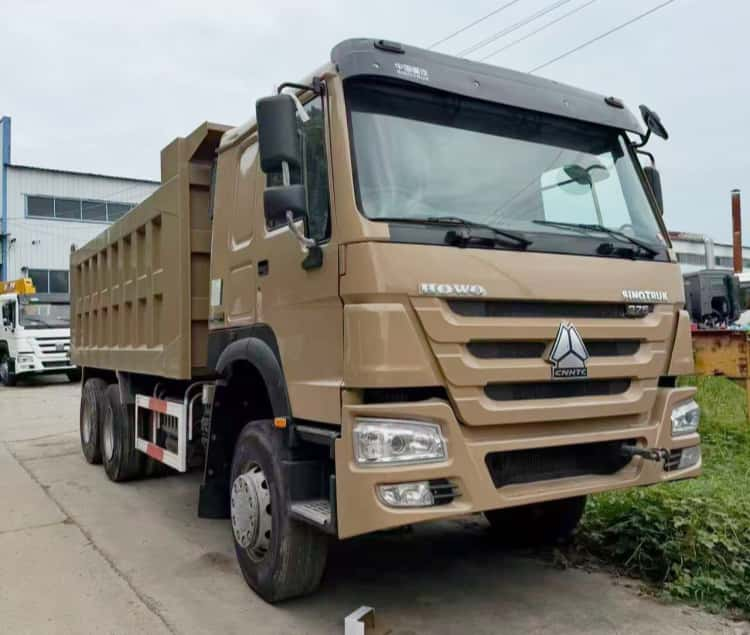
Full Disassembly: The First Step to Realize True Remanufacturing
Intro
Many rebuild operations stop at partial disassembly. They only remove obvious faulty assemblies, clean the exterior and repaint visible surfaces, while critical structural joints and hidden load-bearing zones remain assembled and covered. For genuine true remanufacturing, full disassembly is not an optional extra step.
It is the mandatory starting point that separates engineered lifecycle reset from surface refurbishment. Only when the truck is stripped down to individual core components and bare frame can inspectors see, measure and evaluate the true condition of every load-carrying part.
What full disassembly means under REMAN ROAD standard?
Full disassembly means separating the whole vehicle into independent assemblies, down to the bare chassis frame.
- The cabin, powertrain, driveline, suspension, brake system, hydraulic hoist and all mounting brackets are completely removed.
- No welded-on or bolted high-stress bracket stays attached to the frame for visual-only inspection.
- Every mating surface, bolt hole, weld root and hidden crevice becomes accessible for blasting and testing.
This standard is non-negotiable: if key structural assemblies remain fitted, the inspection can never be complete.
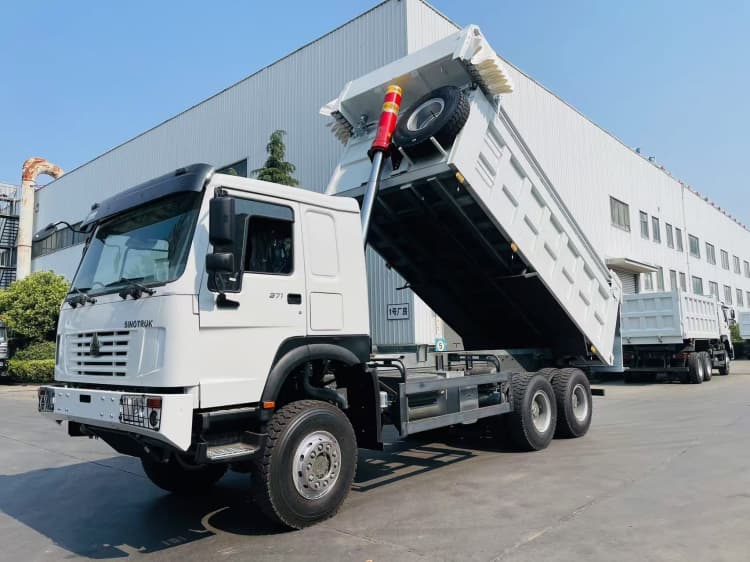
Why partial teardown leaves fatal blind spots?
Partial disassembly only reveals surface-level defects. Corrosion can develop on the backside of frame flanges, under bracket contact areas and inside overlapping weld joints. Micro-fatigue cracks often hide under gaskets, mounting plates and accumulated grime. These defects will never be spotted while components stay bolted together.
Even experienced technicians can miss these hazards during a superficial inspection. When the truck returns to heavy haul or tipper duty, those unseen cracks expand under cyclic shock loads and may lead to sudden structural failure.
Full disassembly enables unbiased bare-metal inspection
After stripping, the frame and structural parts go through controlled blasting. Paint, rust scale, oil residue and surface coatings are removed entirely. This creates a uniform bare-metal surface ready for NDT scanning and ultrasonic thickness measurement. Inspectors can map every high-risk zone systematically, record pit depth and remaining material thickness, and judge whether the core qualifies for remanufacturing.
Without disassembly, these quantitative structural tests cannot be performed accurately. Visual checks on a painted, assembled chassis are only guesswork, not engineering assessment.
It supports clear component sorting and mandatory renewal rules
Once all parts are separated, teams can classify every component individually. They identify which items must be replaced per the mandatory renewal list, which can be reworked and retested, and which are too degraded to reuse. High-cycle parts such as kingpins, bearings, seals and suspension fasteners are flagged for replacement regardless of how they look.
In a partial teardown workflow, many ageing wear components stay hidden in place and are mistakenly carried over into the “remanufacturing” build. That is the main reason fake reman units suffer recurring component failures soon after delivery.
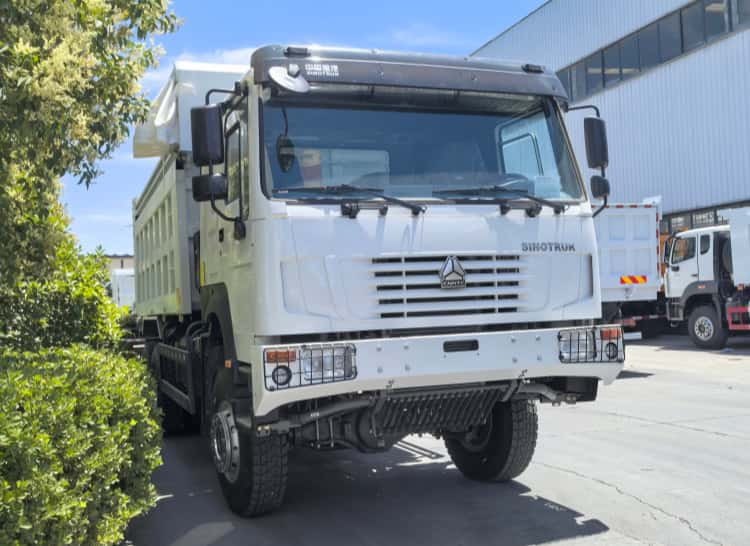
It creates the baseline for system-level calibration later
Genuine true remanufacturing aims for system harmony, not just functional individual parts. Full disassembly breaks all original assembly relationships. When reassembling, technicians reset tolerances, torque values, driveline angles and alignment parameters from scratch. If the chassis was never fully stripped, old misalignment, binding stress and uneven wear patterns remain locked inside the assembly.
No final test can fully correct those inherited system mismatches. Full disassembly gives the build team a clean starting point to build balanced, predictable performance.
Common market shortcut: “visual reman” without full strip-down
Many sellers advertise reman units with clean cabins and overhauled engines, but skip full frame disassembly. They save labour and cycle time by keeping brackets, suspension mounts and hoist hardware fixed to the frame. The result looks professional and passes empty test drives. But the hidden fatigue and corrosion risks are still inside the chassis.
For fleet buyers, this is the most common form of misrepresentation. A reman certificate issued without full disassembly is built on incomplete evidence.
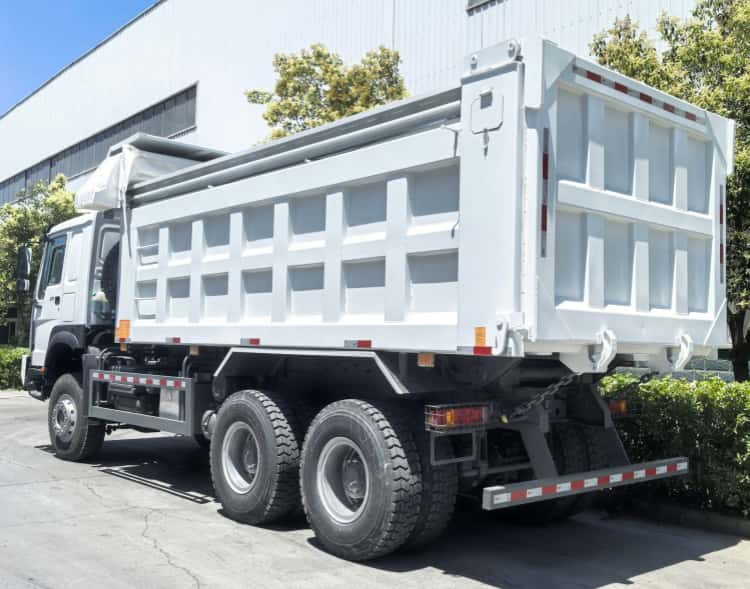
Final Takeaway
Full disassembly is more than labour work. It removes coverings that hide structural degradation, unlocks accurate NDT and thickness testing, enables proper component sorting, and creates a neutral baseline for system calibration. All later quality gates — corrosion evaluation, fatigue screening, mandatory part renewal and loaded validation — rely on this remanufacturing step.
If a reman supplier cannot prove complete disassembly of the structural frame and high-stress mounts, the asset cannot be considered a true lifecycle reset reman truck.