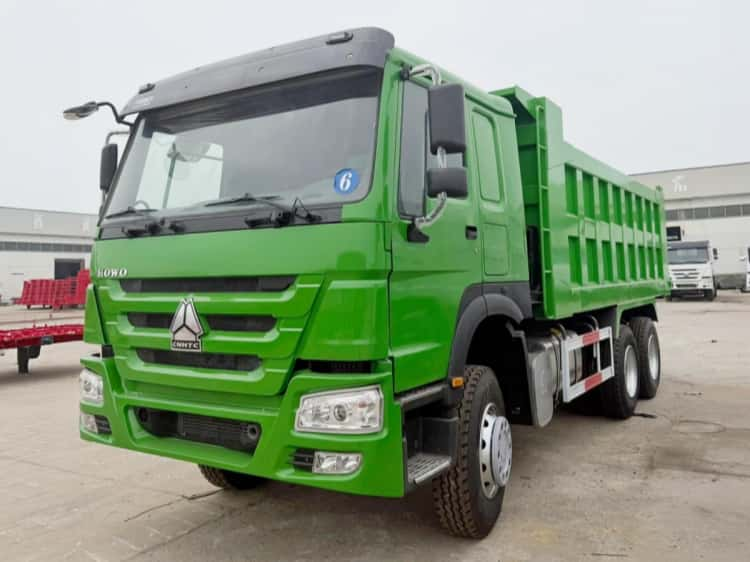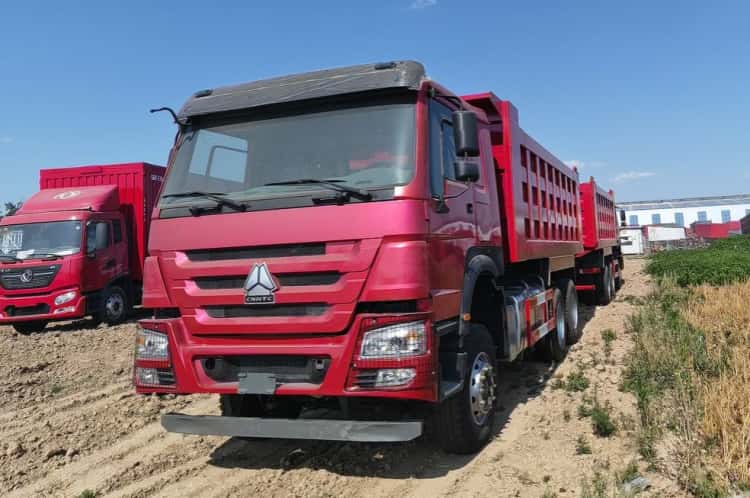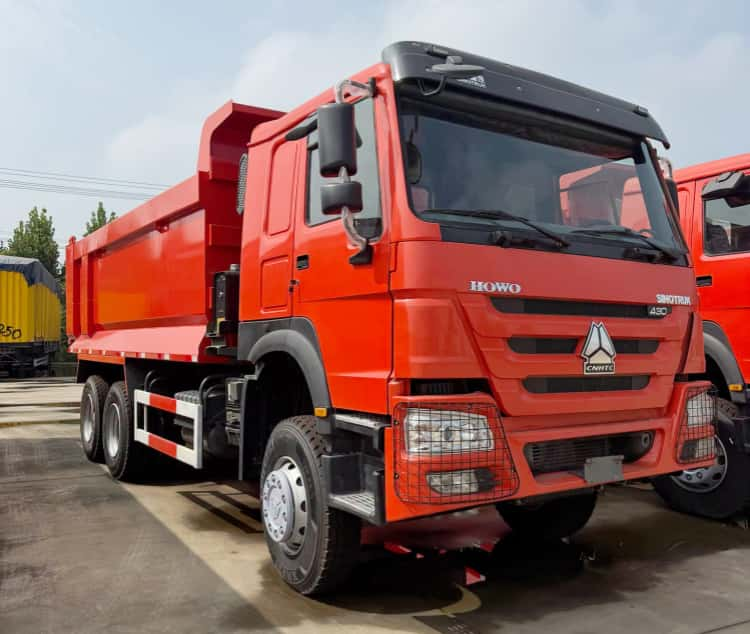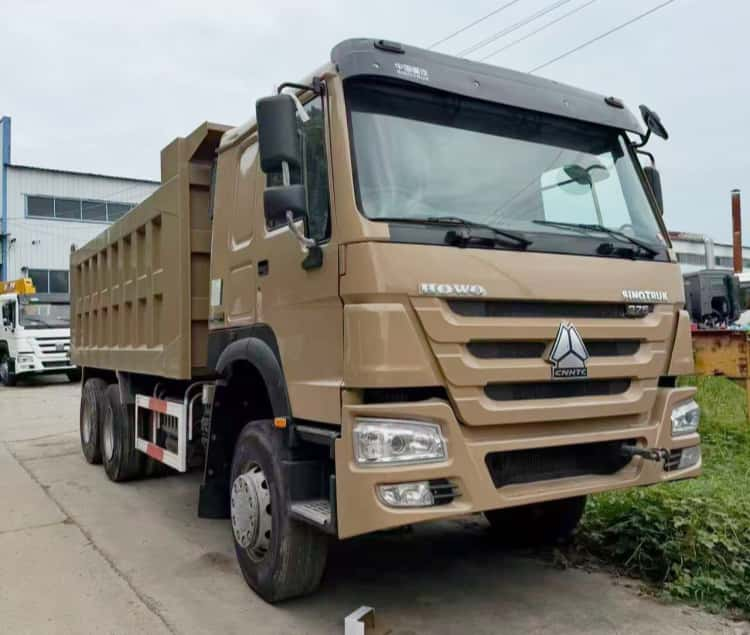
Full-Load Road Simulation Test for Verified Reman Trucks
Intro
Individual component bench tests confirm that engines, gearboxes and hydraulic parts meet OEM tolerances in isolation. Yet a truck is more than a collection of separate assemblies. Mismatched calibration, thermal interaction, vibration-induced leaks or coordination issues between systems may only surface when the whole vehicle works together under payload and terrain stress. That is where the full-load road simulation test becomes essential.
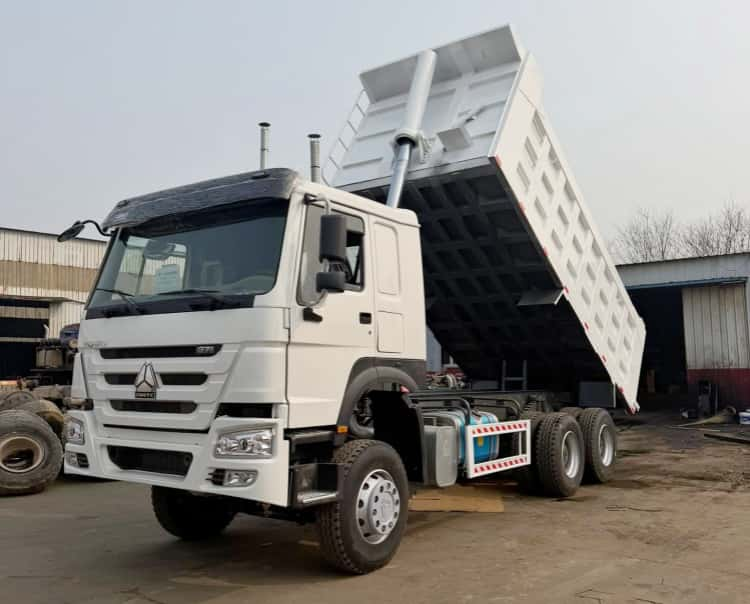
At REMAN ROAD, after all subassemblies pass bench validation, the completed verified reman truck undergoes a structured full-load road simulation test. It mimics the payload, grade, stop-start frequency and continuous run duration matching the truck’s assigned duty classification. This final system-level check ensures the vehicle performs reliably as a unified machine, not just a set of individually qualified parts. This article breaks down how this verified reman truck test works and what it validates.
Simulated payload and terrain replicate real haul conditions
The test uses calibrated load weights to match the truck’s rated maximum payload. The route profile is engineered to replicate its intended working environment: long uphill climbs for quarry and mining units, repeated stop-start cycles for port shuttles, and extended steady cruising for highway tractors.
This separates the test from casual empty-truck road checks. Empty runs can hide cooling deficiencies, brake fade, torque lag and overheating issues that only emerge under load. REMAN ROAD verified reman truck’s simulation forces the full drivetrain, cooling pack and brake system to operate at the stress levels the truck will encounter on-site.
Cross-system interaction checks catch integration defects
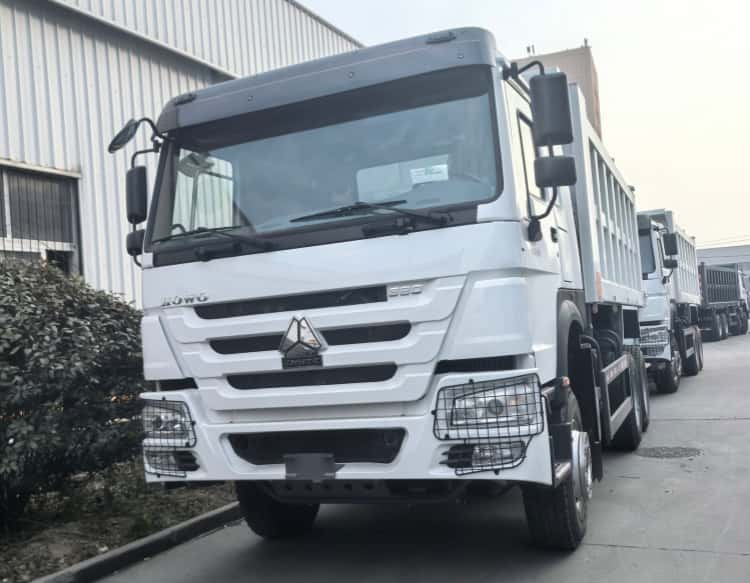
Many rare failures stem from system interplay, not single-component flaws. For example, sustained climbing may push engine heat high enough to trigger transmission thermal protection, or repeated heavy braking may raise air circuit temperature and affect ABS response.
During the simulation, technicians monitor a live stream of parameters: exhaust temperature, transmission oil temperature, brake pressure balance, hydraulic hoist response, fuel consumption and fault codes. Any unexpected drift, warning code or inconsistent response is flagged immediately. These issues would often remain undiscovered if relying only on separate bench tests.
Extended run duration exposes gradual degradation and drift
A short test drive only captures instant performance. Slow-developing problems such as seizing valves, creeping pressure loss, incremental cooling degradation or ECU calibration drift require longer runtime to appear.
REMAN ROAD verified reman truck’s road simulation maintains continuous loaded operation for a defined period, holding steady operating states and cycling through repeated work sequences. This identifies latent drift that would gradually reduce uptime once the truck enters fleet service. All observations are logged and linked to the VIN record.
Performance benchmarking against duty-class standards
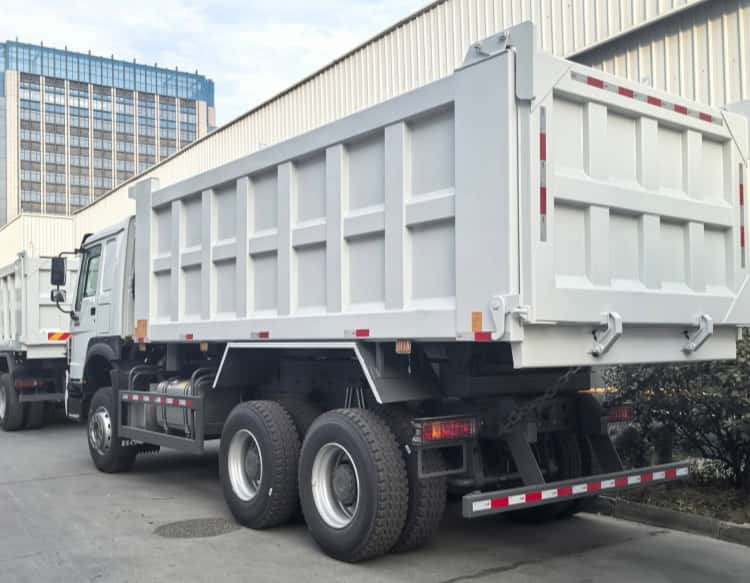
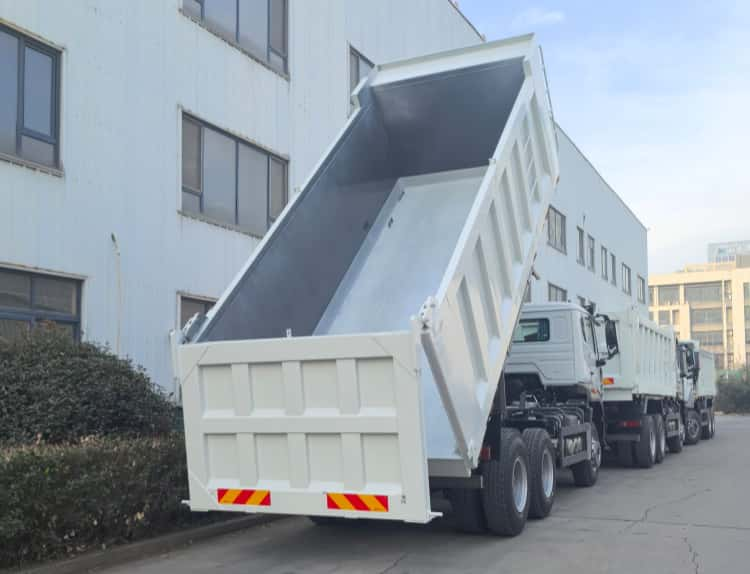
Each test result is compared against fixed performance benchmarks for that duty classification. For off-highway dump trucks, examiners verify hoist cycle speed under full load and sustained grade braking stability. For tractors, they confirm steady fuel consumption bands and smooth gear shifting under sustained pull.
Deviations from the benchmark trigger rework. The truck does not move to final audit and certification until the full-load simulation passes, ensuring its real-world performance aligns with the expectations communicated to the fleet buyer.
Test data serves as a baseline for future troubleshooting
Once deployed, the full-load road simulation test report acts as a known reference baseline. If the fleet later notices rising fuel burn, overheating or brake performance drift, maintenance teams can compare field readings against the original loaded test data. This helps distinguish normal wear from a developing fault and speeds up root-cause analysis.
Important guardrail
Full-load road simulation test proves integrated performance at the point of certification. It cannot prevent damage caused by persistent overload, poor road conditions, skipped service or driver abuse after delivery. The test establishes a reliable starting condition, not immunity to operational misuse.
Final Takeaway
Bench testing validates separate parts, but real haul failures often happen when systems interact under load. For fleet operators, the key takeaway is simple: REMAN ROAD verified reman truck’s full-load road simulation puts the whole truck through duty-matched loaded cycles, reveals integration and thermal issues missed by component-only testing, and delivers a verified system-level performance baseline before the truck is certified for service.