Why Fleet Profitability Depends on Full-Life-Cycle Management?
Intro
Many fleet operators judge profitability by simple metrics: purchase price, daily haul rate and immediate fuel bills. Yet high margins often disappear when unplanned downtime, surprise repair bills, premature depreciation and poor residual value hit later. Full-life-cycle management treats every truck as a long-term asset, tracking and controlling costs from procurement all the way to final disposal. This holistic approach is the foundation of steady, reliable fleet profitability.
What Is Full-Life-Cycle Management for Heavy Trucks?
Full-life-cycle management covers the complete asset journey:
- Sourcing and qualification at purchase
- Scheduled operation, payload control and driver monitoring
- Preventive maintenance and component replacement
- Repair planning, warranty utilisation and downtime control
- End-of-term valuation, resale or retirement
Instead of reacting to failures one by one, managers set rules for each phase to limit waste and preserve asset value.
Avoid profit erosion from hidden late-stage costs
Cheap assets — ordinary used trucks or low-grade refurb units — often look attractive at first. Their biggest financial damage appears months or years after purchase: repeated breakdowns, expensive overhauls and lost revenue during stops.
Full-life-cycle planning builds repair reserves and sets clear mileage or time thresholds for reman, replacement or retirement. It stops fleets from holding assets past the economical break point.
Stabilise uptime and protect revenue streams
Uptime is the core driver of fleet revenue. A truck that sits idle generates no income, while still carrying fixed costs such as insurance, licence fees and finance payments. Life-cycle frameworks align maintenance schedules with workload cycles.
Certified reman trucks fit neatly into this system: they have predictable failure curves and known service intervals, making uptime forecasting far more reliable.
Optimise fuel and consumable spending over time
Fuel efficiency is not static. Engine wear, drifting calibration, degraded air systems and incorrect tyre maintenance gradually push consumption higher. Full-life-cycle monitoring tracks fuel performance per vehicle.
When efficiency drops beyond a defined threshold, planned intervention such as injector recalibration or powertrain remanufacturing can restore performance before fuel waste eats into profit margins.
Control depreciation and maximise residual value
Profit at disposal is often overlooked. Two trucks with identical upfront cost can deliver very different net returns when sold. Documented service history, certified remanufacturing status and consistent maintenance all support stronger resale value. Full-life-cycle management records every inspection, test report and repair, so the asset retains provable quality for future buyers.
Enable tiered asset allocation to match margin profiles
Not all jobs carry the same profit margin. High-value, time-sensitive contracts can be assigned to newer or premium units. Secondary, high-wear site work can be allocated to certified reman trucks.
Full-life-cycle planning prevents overspending premium capital on low-margin tasks and avoids risking critical revenue on unreliable ageing assets. This matching directly improves overall fleet profit.
Improve budgeting and capital planning
Fleets without full-life-cycle planning face unpredictable lump costs: multiple trucks failing at the same time, emergency bulk purchases or rushed expensive replacements.
With a rolling asset roadmap, renewal, reman and resale events are staggered. Capital spending becomes predictable, financing is arranged in advance, and cash flow does not get disrupted by unexpected crises.
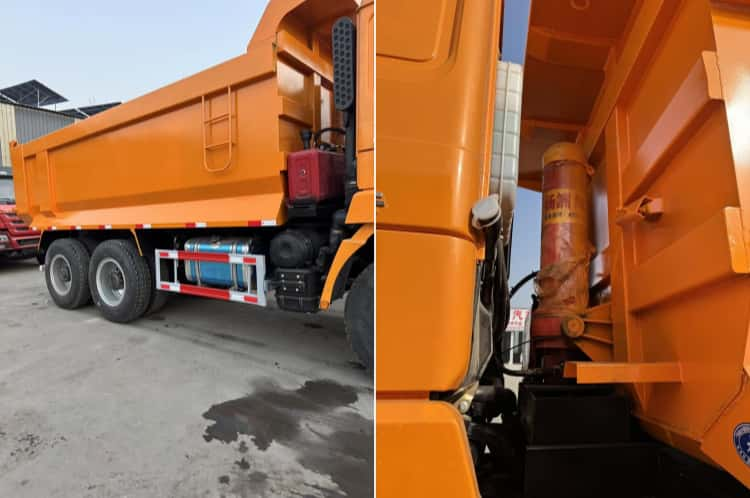
Common Mistakes That Hurt Full-Life-Cycle Profitability
- Focusing only on upfront price and ignoring long-term TCO
- Delaying maintenance to save short-term cash
- Mixing uncertified rebuilds with standardised assets, creating inconsistent risk
- Keeping trucks in service long after their economical life ends
- Failing to collect and transfer documentation at resale
Final Takeaway
Fleet profitability does not depend on squeezing savings from a single purchase. It comes from managing every stage of a truck’s usable life. Full-life-cycle management balances uptime, fuel spend, maintenance, depreciation and residual value.
For operators using certified reman trucks as part of their asset mix, this structured approach unlocks the full TCO advantage and turns vehicle assets into consistent profit generators.