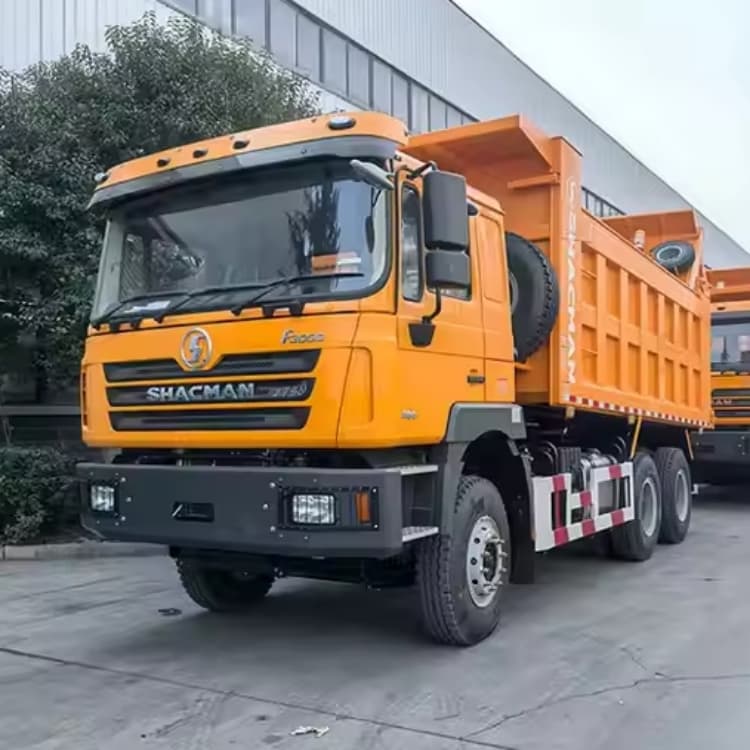
Failure Rate Analysis of Industrial Reman Trucks and Ordinary Used Trucks
Intro
For industrial fleets operating in harsh worksites, unexpected downtime caused by vehicle failures translates directly into lost production, delayed schedules and inflated repair bills. Many buyers weigh industrial reman trucks and ordinary used trucks primarily by upfront price, without reviewing long-term failure patterns. A clear failure rate analysis reveals why certified industrial reman trucks deliver more predictable reliability than generic second-hand heavy trucks.
Core Difference in Failure Logic
Ordinary used trucks carry accumulated wear that is not systematically eliminated. Past operating abuse, deferred maintenance, prior overloading and unrecorded minor failures remain hidden. Repairs on used trucks are usually reactive: only broken parts get replaced, while adjacent worn components stay in service. This creates a cascading failure risk.
Industrial reman truck follow a full disassembly, inspection and replacement workflow aligned with formal reman standards. Every high-risk component is measured against OEM tolerances. Parts that exceed wear limits are either machined back to spec or replaced. Potential failure points are removed before the truck enters service.
Typical Failure Rate Breakdown
Under similar industrial operating conditions (heavy payload, rough terrain, long working hours):
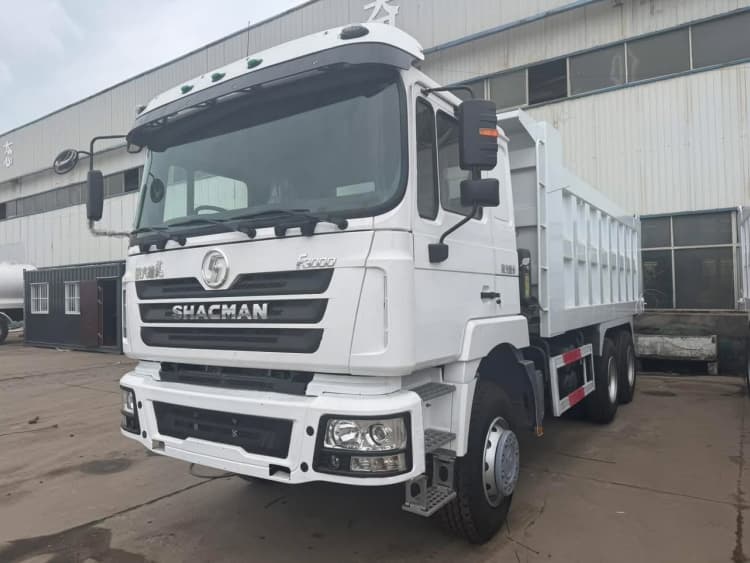
- Ordinary used truck: Higher random failure rate, concentrated in powertrain, sealing and fluid leakage issues. Failures tend to cluster within the first 6–12 months after purchase.
- Certified industrial reman truck: Lower early failure rate; failures are mostly limited to low-cost consumables, with far fewer sudden major breakdowns.
- Note: Reman trucks still have a service life limit. Their failure curve is much flatter than ordinary used trucks, instead of a steep upward drift.
High-Failure Zones Comparison
- Engine & combustion system Ordinary used units often have hidden cylinder wear, weak piston rings and worn injectors. These gradually trigger blow-by, power loss and overheating. Reman trucks have compression reset, injectors flow-tested and fuel systems calibrated. Sudden engine lockup risks are greatly reduced.
- Transmission, clutch and axle Worn gears, bearings and differential components on used trucks rarely get full inspection. They can fail suddenly under heavy load. Standardized remanufacturing process checks backlash, replaces fatigued bearings and resets gear clearances, cutting catastrophic drivetrain failure.
- Hydraulic, air and sealing systems Used trucks commonly develop recurring air leaks, oil seepage and hydraulic drift. Seals degrade silently over time. Industrial reman truck replaces all ageing seals, hoses and gaskets in the process, eliminating many recurring leakage faults.
- Electrical and control modules Loose wiring, corroded connectors and uncalibrated ECUs are common pain points on used trucks. Industrial reman truck includes wiring harness inspection, cleaning and ECU recalibration, reducing intermittent electrical faults.
Impact on Fleet Uptime & Maintenance Cost
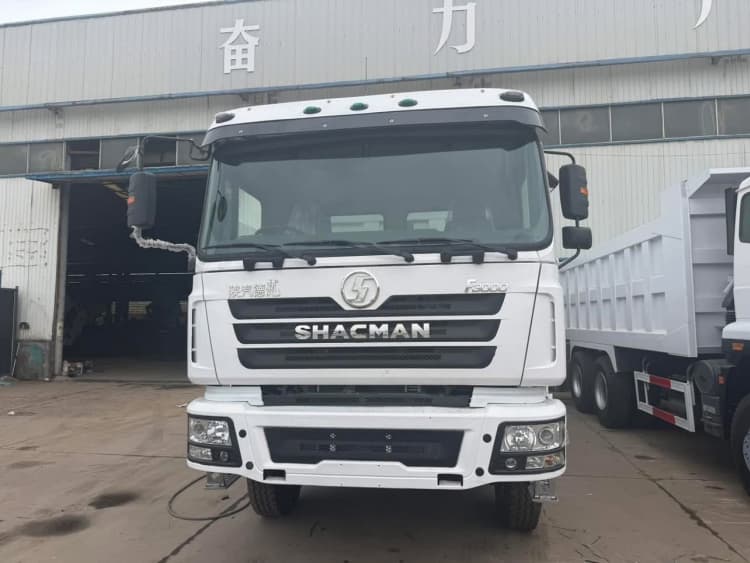
High failure rates on ordinary used trucks create two big headaches: unplanned downtime and unpredictable spare parts spending. Fleet managers struggle to schedule work because breakdowns happen randomly.
Industrial reman trucks shift maintenance toward planned service. Most issues are predictable consumable replacements, which can be scheduled during off-shift windows. This stability is extremely valuable for mine, quarry and construction fleets where site operation cannot pause easily.
What Reman Truck Cannot Eliminate?
Remanufacturing does not create an immortal truck. It cannot remove risks from improper operation, overloading, poor site road conditions or skipped routine maintenance. Even Industrial reman trucks will show rising failure rates once they accumulate enough new mileage after reman.
Also, non-certified “reman truck” or partial rebuild trucks behave much closer to ordinary used trucks. The reliability benefit only applies when full standardized remanufacturing process are followed.
Final Takeaway
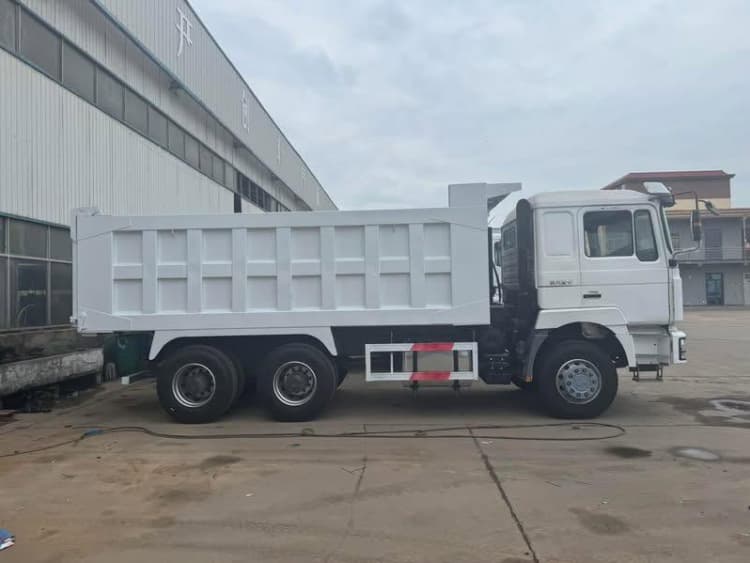
The failure rate gap between certified industrial reman trucks and ordinary used trucks is not just about fewer breakdowns. It is about the nature of failures: random, costly catastrophic faults vs predictable, low-impact consumable service. For industrial buyers calculating uptime and TCO, this reliability difference often outweighs the upfront price gap.