
Does Remanufactured Mean Second-Hand? Core Concept Correction
Introduction
A pervasive misunderstanding dominates the heavy truck market: buyers automatically equate “remanufactured” with “second-hand”. Many assume remanufactured heavy trucks are just used vehicles resold after minor fixes. This flawed classification distorts procurement decisions, pricing expectations and risk assessment.
While remanufacturing starts from a used truck core, certified remanufactured heavy trucks is fundamentally different from a standard second-hand truck. This article clarifies the core concepts and explains why the two terms cannot be treated as interchangeable.
Definition: What Is a Second-Hand (Used) Heavy Truck?
A second-hand / used truck is a pre-owned vehicle that transfers ownership without systematic regeneration of its components. It retains all accumulated operating hours, metal fatigue, wear history and latent defects built up during its prior service life. Any wear and stress recorded on the frame, engine block, axles and powertrain remains intact.
Work on a regular second-hand truck is normally limited to basic inspection, cleaning and fixing obvious faults before resale. There is no requirement for full disassembly, mandatory NDT structural testing, wholesale replacement of fatigue-critical parts, or full-load OEM performance validation.
Its service life clock keeps running from the original mileage and engine hours. The buyer purchases the remaining residual lifespan of an already aged asset, with unknown hidden risks.
Definition: What Is REMAN ROAD Certified Remanufactured Heavy Trucks?
A remanufactured heavy trucks uses a retired heavy truck as its raw core material, but this is where the similarity to second-hand vehicles ends.
The core first passes strict intake screening and mandatory NDT inspection to eliminate units with irreversible structural damage. The entire vehicle is fully disassembled down to individual components. All parts are cleaned, inspected and graded. Reusable structural castings are precision machined to restore OEM dimensions. Every fatigue-limited consumable component is proactively replaced with new specification-compliant parts regardless of visual condition.
After reassembly and ECU calibration, sub-assemblies and the complete truck undergo bench dyno and full-load road testing to meet near-new OEM performance standards. The whole workflow is logged into a VIN-linked traceability dossier and audited by an independent third party for certification.
The finished remanufactured heavy trucks’s accumulated fatigue is removed. It enters a brand-new full service cycle, with reliability and performance benchmarked against an equivalent new truck.
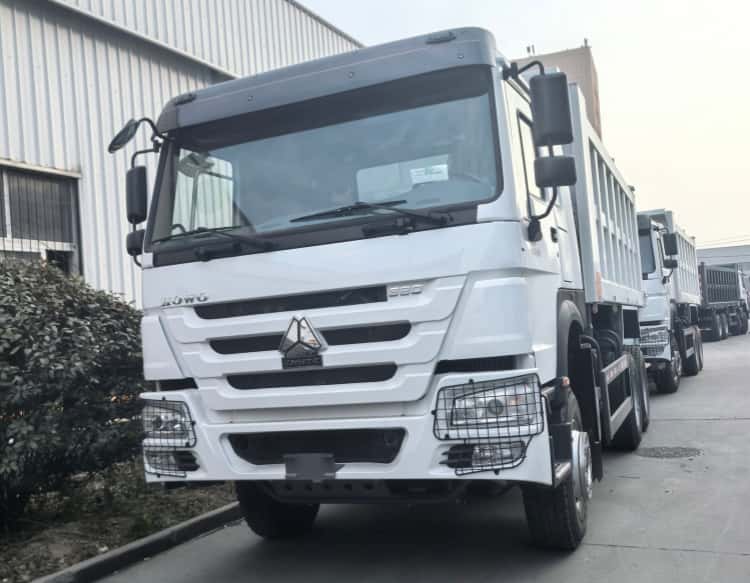
The Core Concept Correction
Using a used core as starting material ≠ being a second-hand truck
A second-hand truck is sold with its existing wear history intact. It is the same asset, continuing its old lifecycle. Certified remanufactured heavy trucks is an industrially regenerated product. The old core acts as raw material; accumulated fatigue and latent defects are systematically eliminated, and finite-life components are renewed. The asset lifecycle is fully reset.
The confusion arises because reman relies on recovered cores. But the identity of the finished product changes after the complete reman procedures. It is not merely the “old truck, resold”.
Key Comparison Points
Asset History
- Second-hand truck: Carries full original service history, accumulated wear and metal fatigue.
- Remanufactured heavy trucks: The core’s old wear and fatigue are eliminated during remanufacturing; the finished asset starts a new service cycle.
Disassembly & Inspection
- Second-hand truck: No mandatory full teardown. Only surface visual inspection. No NDT.
- Remanufactured heavy trucks: Full vehicle disassembly, component grading and mandatory NDT screening of critical structural parts.
Part Replacement Strategy
- Second-hand truck: Only broken or visibly defective parts are repaired or swapped. Most aged components remain.
- Remanufactured heavy trucks: All fatigue-prone consumables are replaced proactively, before failure occurs.
Performance Standard
- Second-hand truck: Only basic drivability is expected. Performance degrades over time following its original wear curve.
- Remanufactured heavy trucks: Must meet near-new OEM performance benchmarks validated by full-load testing.
Asset Lifecycle
- Second-hand truck: Continues the original lifecycle. Remaining service life is uncertain and limited.
- Remanufactured heavy trucks: Full asset life reset, starting a complete new service cycle.
Documentation
- Second-hand truck: Basic ownership and mileage records, no independent quality audit.
- Remanufactured heavy trucks: Complete VIN traceability dossier plus third-party reman certification.
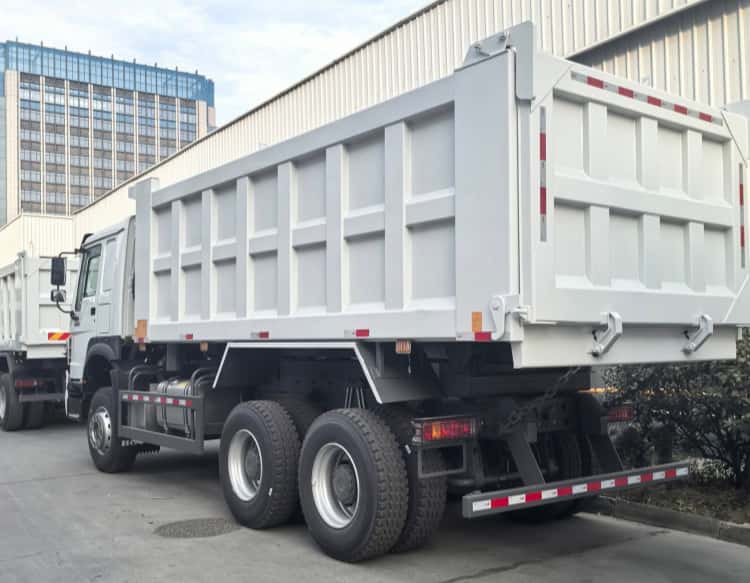
Why This Distinction Matters For Fleet Buyers?
- Pricing expectations: Second-hand trucks are priced based on remaining residual life. Certified remanufactured heavy trucks are priced for a full new service cycle, so comparing sticker price alone is misleading.
- Risk evaluation: Second-hand trucks carry unknown hidden structural risks. Certified remanufactured heavy trucks eliminates these risks through standardized screening and testing.
- TCO forecasting: Second-hand trucks have unpredictable repair and downtime costs. Remanufactured heavy trucks allow predictable maintenance planning similar to new vehicles.
- Residual value: Certified remanufactured heavy trucks hold better resale value thanks to auditable reman records. Ordinary second-hand trucks suffer heavy discounts due to unknown wear risks.
- ESG reporting: Certified reman has verifiable carbon savings. Buying a standard second-hand truck does not qualify for the same auditable sustainability claims.
Common Misconceptions
❌ Myth: Any truck built from an old core is automatically second-hand. Fact: The core is just raw input material. Once it goes through full standardized reman procedures with lifecycle reset, it is no longer treated as a simple second-hand used truck.
❌ Myth: Remanufactured heavy trucks are just high-grade second-hand trucks. Fact: High-grade used trucks still keep their original accumulated fatigue. They never undergo full disassembly, NDT screening and system-wide component renewal. This is the fundamental dividing line.
❌ Myth: If the VIN stays the same, it must be second-hand. Fact: Retaining the original VIN is for legal vehicle identity and traceability. It does not mean the asset retains its original wear history or lifecycle. VIN traceability documents record the full regeneration reman procedures.
Conclusion
Remanufactured does not mean second-hand. The shared trait is only that reman starts with a retired truck core.
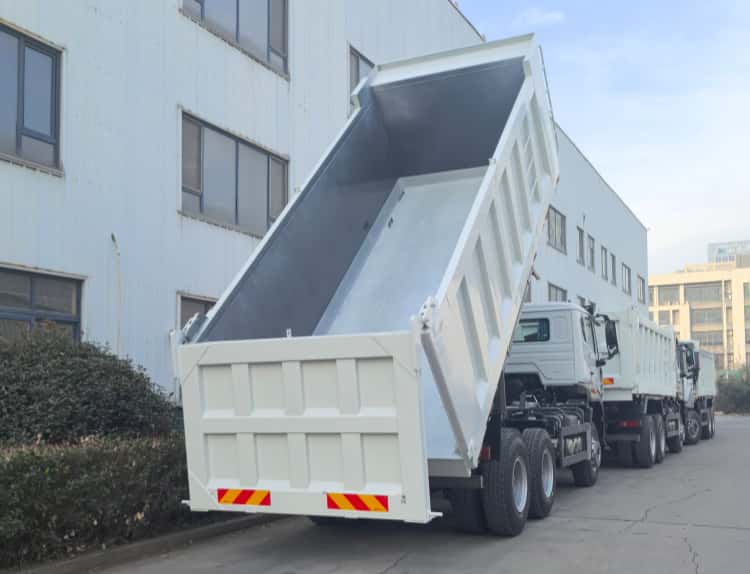
A standard second-hand heavy truck continues its original aging lifecycle with existing wear and fatigue. A REMAN ROAD certified remanufactured heavy truck is fully regenerated: screened, completely disassembled, renewed, tested and certified to reset asset life and deliver near-new OEM performance.
Fleet buyers need to separate the raw core material from the final finished asset. This core concept correction helps avoid misjudging quality, risk, total ownership cost and asset value when sourcing heavy trucks.