
Surface New vs Core New: How to Judge a Genuine Reman Truck?
Introduction
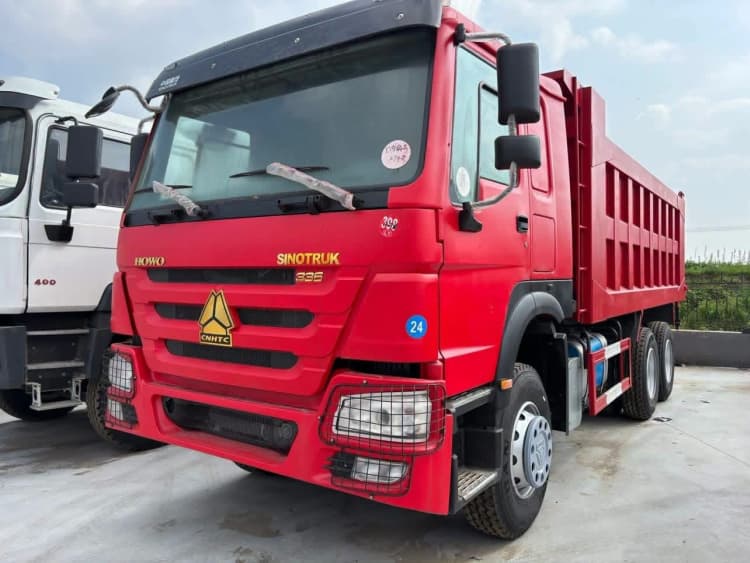
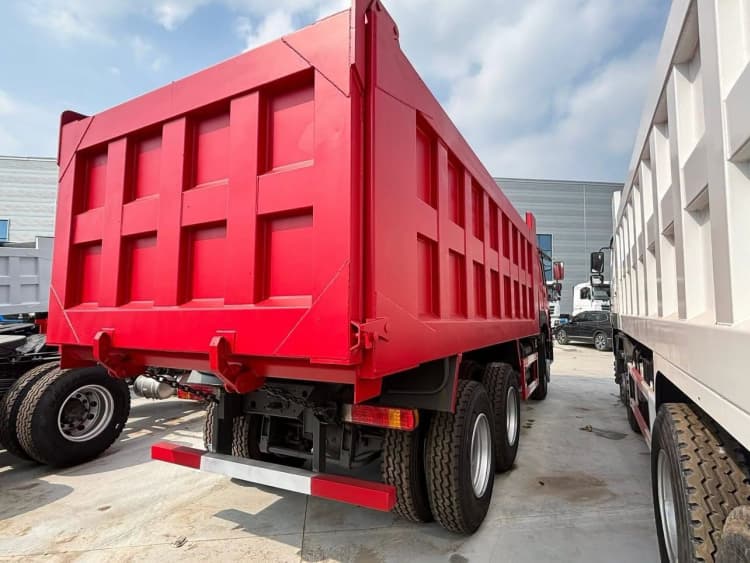
A common trap for global fleet buyers: a truck looks brand-new with glossy paint, cleaned cabin and new tires, but its internal frame, engine block and axles still carry heavy hidden wear and metal fatigue. This is the surface-new trick.
Genuine remanufacturing focuses on core renewal, not cosmetic appearance. The exterior finish is only a final step, not proof of quality. This article breaks down the difference between surface-new(refurbished truck) and core-new trucks(genuine reman truck), and gives buyers practical checks to verify genuine reman truck.
What Is “Surface New”?
Surface-new is cosmetic refurbishment. The workshop only upgrades visible exterior and cabin parts to create a “new look”, while leaving most load-bearing core assemblies untouched.
Typical surface-new work includes:
- Full repainting of cab and chassis to cover rust, scratches and minor damage
- Deep cleaning of engine exterior, cabin interior and dashboard
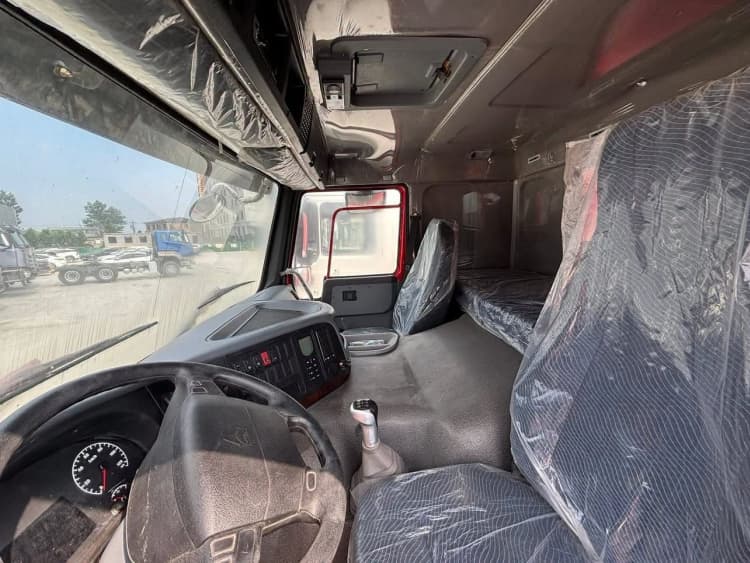
- New tires, seat covers and replacement of broken lights or mirrors
- Simple fluid change and fixing obvious leaks
Critical limitation: No full disassembly of engine, transmission, axles or frame. No NDT structural inspection. The core metal components (frame rail, engine block, crankshaft, axle housing) retain their original accumulated operating hours, fatigue stress and micro-defects. Old bearings, seals and brake components may still remain inside.
These trucks look impressive on photos and showroom lots, but hidden internal defects can fail suddenly under heavy payload, steep hills or high-temperature dusty roads. They are often falsely marketed as remanufactured.
What Is “Core New” in REMAN ROAD Genuine Remanufacturing?
“Core new” does not mean all metal castings are virgin factory parts. For genuine remanufacturing, it means the load-bearing core components are screened, inspected and restored to OEM structural and performance standards, while all fatigue-limited consumables are replaced brand new.
Core renewal covers these key pillars:
- Core screening and NDT testing before rebuild Frame rails, engine blocks, cylinder heads, crankshafts and axle housings go through non-destructive testing. Any core with irreparable cracks, permanent bending or severe corrosion is rejected and scrapped. Only structurally sound cores enter the remanufacturing processing.
- Full disassembly of the entire vehicle Every core assembly (engine, gearbox, axles, steering, suspension and brake system) is completely stripped down to individual components. There are no sealed, uninspected major assemblies.
- Precision machining of reusable structural cores Sound cast and forged metal parts are cleaned and machined to recover OEM geometric tolerances. Wear, taper and out-of-round surfaces are removed to restore original design dimensions, within permitted stock removal limits.
- 100% proactive replacement of fatigue-critical parts Bearings, piston rings, seals, gaskets, brake friction materials, rubber hoses, high-torque fasteners and wheel bearings are all replaced with new specification-compliant parts regardless of visual condition. These are the wearing “heart” components that prevent mid-service breakdown.
- Performance validation of core assemblies Engine dyno testing and full-load road testing verify that powertrain, braking and cooling performance meet OEM rated specifications. The core’s functional performance is reset to near-new levels.
The paint, cab trim and exterior finish are secondary cosmetic work applied after all core inspection, machining and assembly is complete.
Key Contrast: Surface-New vs Core-New
Purpose
- Surface New: Create attractive visual appearance for sales. Fix obvious visible faults only.
- Core New: Eliminate hidden metal fatigue and wear, reset asset service life for continuous heavy-duty operation.
Disassembly
- Refurbished truck: Partial or no teardown; major assemblies remain sealed.
- Genuine reman truck: Full vehicle disassembly of all systems and core components.
Structural Inspection
- Surface New: Visual check only; no NDT. Paint can hide cracks, weld repairs and corrosion.
- Core New: Mandatory NDT on all critical load-bearing cores before remanufacturing processing starts.
Part Replacement Rule
- Surface New: Replace only broken or visibly worn parts. Aging internal components stay.
- Core New: All finite-life fatigue components replaced proactively with new parts.
Performance Testing
- Refurbished truck: Simple idle test and short drive to confirm basic drivability. No full-load OEM benchmarking.
- Genuine reman truck: Dyno + full-load road validation to match OEM power, torque, braking and thermal stability.
Asset Lifecycle
- Refurbished truck: Original wear and fatigue remain. The truck continues its old aging cycle.
- Genuine reman truck: Full asset life reset, entering a new multi-year heavy-duty service cycle.
Practical Buyer Checklist: How To Judge Genuine Remanufacturing?
You cannot judge reman quality by photos of shiny paint. Use these verification steps:
- Request NDT reports for frame, engine block and axle housings This is the most important proof of core integrity. Without NDT documents, the truck can only be treated as refurbished.
- Ask for full component grading and parts replacement list Review the bill of materials: confirm all wear items, brake parts, bearings and seals are listed as new.
- Insist on dyno and full-load road test records Check measured power, torque, fuel consumption and brake performance data against OEM specs.
- Request before-rebuild photos of bare frame, disassembled engine and axles Pictures showing the core in raw stripped state, before painting, reveal hidden damage that paint may cover.
- Verify VIN-linked traceability dossier and third-party certification REMAn ROAD certification records every remanufacturing processing step. Workshop self-certification alone is not enough.
- Separate cosmetic upgrades from technical scope in contracts Clearly define core inspection, NDT and performance testing requirements in RFQ and purchase contracts. Do not pay premium reman price for paint and cosmetic upgrades.
Common Buyer Pitfalls
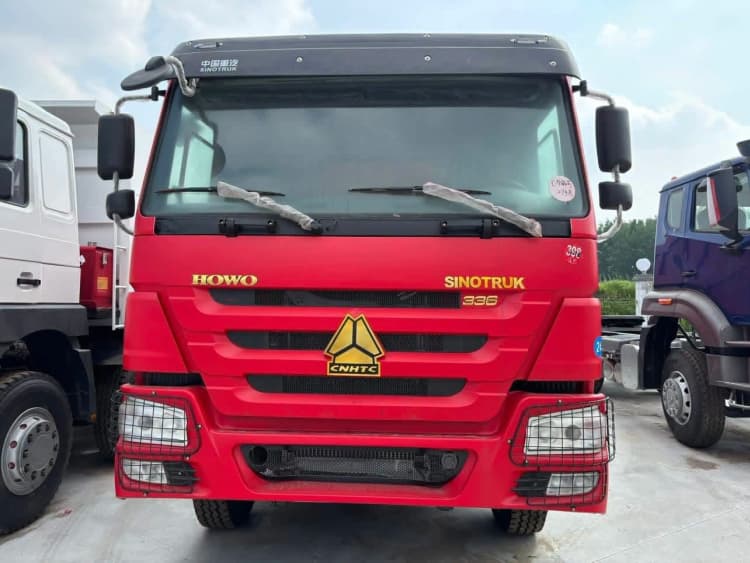
❌ Pitfall 1: Judge quality by exterior shine and new cabin trim: Gloss paint and new seats are cheap cosmetic upgrades. They tell nothing about frame cracks or internal powertrain wear.
❌ Pitfall 2: Accept “the engine was rebuilt” as full reman: Engine overhaul alone is not core renewal for the whole truck. Axles, frame, steering and brakes still need full inspection and renewal.
❌ Pitfall 3: Assume new tires and new paint mean the truck has a reset service life: Surface parts can be swapped easily, but the metal core retains old fatigue unless NDT and full teardown are completed.
Conclusion
Surface-new trucks are cosmetic makeovers. They look fresh but keep hidden risks inside core structural assemblies. REMAN ROAD genuine remanufacturing is core-new: the load-bearing metal cores are screened, inspected and precision-restored, while all fatigue-critical consumable components are replaced new, validated by OEM-level performance testing and third-party audit.
For fleet buyers operating heavy-duty haulage in harsh environments, always prioritize core inspection evidence over surface appearance. A dull, properly documented core-new genuine reman truck is far safer and more economical than a shiny surface-only rebuild.