
What Is True Heavy Trucks Remanufacturing? The Only Official Definition You Need
Introduction
The heavy truck industry suffers from rampant terminology confusion. Sellers often label overhauled, repaired or cosmetically refurbished trucks as “remanufactured”. Without a clear, standardized definition, fleet buyers risk paying premium prices for assets that cannot deliver near-new reliability or a fully reset service cycle.
This article delivers the official REMAN ROAD definition of true heavy trucks remanufacturing, alongside its mandatory qualifying criteria. This single definition acts as the benchmark for procurement evaluation and cuts through misleading marketing language.
The Official REMAN ROAD Definition of Trucks Remanufacturing
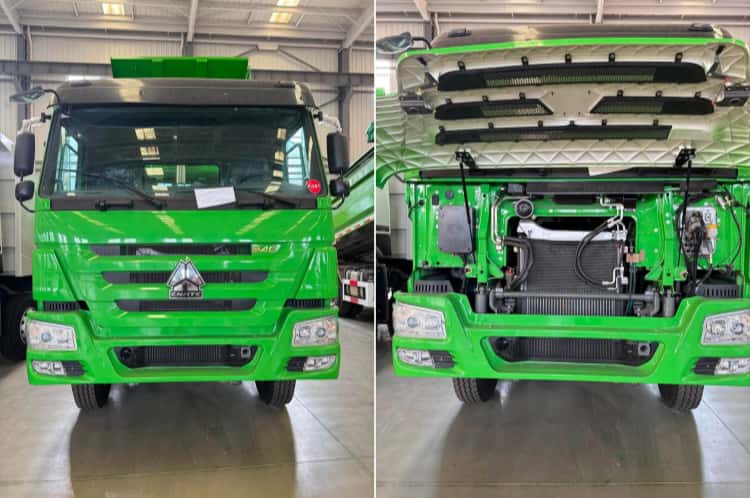
Heavy trucks remanufacturing is a standardized, gated industrial regeneration process applied to eligible retired heavy-duty truck cores that have passed mandatory non-destructive structural screening.
- The complete vehicle is fully disassembled down to individual discrete components.
- All parts are cleaned, inspected and graded as reusable, repairable or scrap.
- Sound structural cast and forged components are precision-machined to restore original OEM dimensional tolerances within permitted stock removal limits.
- All fatigue-critical consumable components are proactively replaced with new specification-compliant parts, regardless of visual condition.
- After reassembly and electronic calibration, sub-assemblies and the full vehicle complete bench and full-load road testing to meet near-new OEM performance standards.
Every remanufacturing steps is documented in a permanent VIN-linked traceability dossier, and final certification is granted only after successful independent third-party audit. The end product achieves near-new performance, safety and reliability, resetting the asset’s full service cycle while preserving the embodied carbon of the core structural assemblies.
The Six Mandatory Criteria That Define “True Trucks Reman”
If any one of these six requirements is missing, the vehicle cannot be classified as genuine remanufactured, no matter what the seller claims.
Pre-qualified Core with Valid Structural Integrity (Mandatory NDT)
Only cores passing intake screening and non-destructive testing (NDT) can enter the remanufacturing steps. Frame rails, engine blocks, cylinder heads and axle housings must be free from irreparable cracks, permanent deformation, severe corrosion and irreversible metal fatigue. Wrecked, over-fatigued or structurally compromised cores are rejected for scrap. This criterion eliminates the biggest hidden risk in rebuilt trucks.
Full Vehicle Disassembly, Not Partial Teardown
The entire truck must be stripped to individual components. It is not enough to disassemble only the engine or transmission. Chassis, axles, braking, steering, cooling and electrical systems all must be taken apart, inspected and evaluated. Partial disassembly defines overhaul, not remanufacturing.
Component Grading and Precision Dimensional Restoration
Every cleaned component is graded. Reusable structural cast and forged parts undergo precision machining to recover OEM dimensions, surface finish and geometric tolerances. Machining must stay within OEM allowed stock removal limits. Parts exceeding recoverable wear limits are scrapped, not patched or welded.
Proactive Replacement of All Fatigue-Limited Components
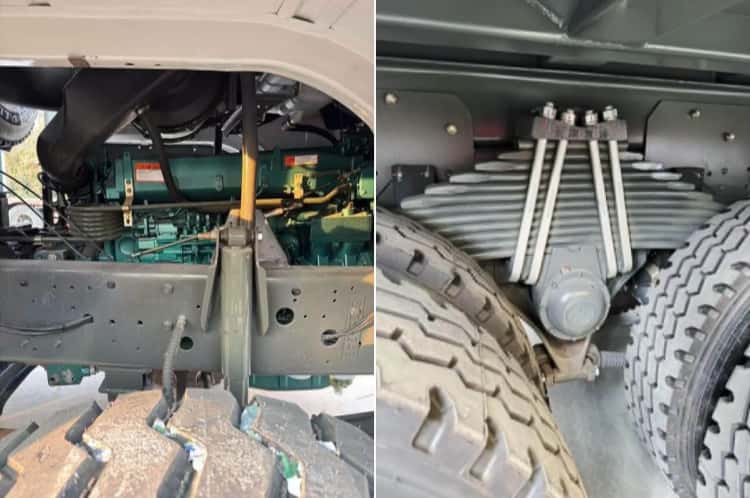
All finite-life wearing components are replaced with new OEM-equivalent parts before reassembly. This includes bearings, piston rings, seals, gaskets, brake friction materials, rubber hoses and high-torque fasteners. Parts are replaced proactively, before failure occurs, rather than waiting for visible damage. Reusing aging consumables disqualifies the build from true reman status.
Quantified Full-Vehicle Performance Validation
Rebuilt sub-assemblies undergo bench dyno and load testing. After full reassembly, the complete heavy truck is validated via full-load road testing. Power, torque, fuel consumption, thermal stability, braking performance and emissions must fall within the tolerance range of a new OEM truck of the same model. A simple test drive to confirm basic drivability is insufficient.
Full Traceability and Independent Third-Party Certification
Every inspection, machining operation, part replacement and test result is recorded in a VIN-bound traceability dossier. Final certification is issued only after an independent third-party auditor verifies the entire workflow was completed according to the standard. Self-certification by the workshop alone is not accepted for true reman.
True Reman vs Other Common Vehicle Restoration Work
- Repair: Reactive fix for one failed component. No full disassembly or lifecycle reset.
- Overhaul: Targeted rebuild of a single assembly, usually the engine. The rest of the truck remains uninspected. Only partial life extension.
- Refurbishment: Cosmetic cleaning, repainting and fixing obvious visible faults. Major assemblies remain sealed, no NDT or full component replacement.
- True Trucks Remanufacturing: Whole-vehicle industrial regeneration following all six mandatory criteria, delivering near-new performance and fully reset asset service cycle.
Why This Official Definition Matters For Fleet Owners?
- Clear procurement benchmark: Use this definition to create RFQ requirements and filter suppliers, rejecting vendors that cannot meet all six criteria.
- Avoid financial risk: Prevent purchasing refurbished or overhauled trucks falsely marketed as remanufactured, which carry high unplanned downtime risk.
- Reliable TCO forecasting: Certified true reman trucks have predictable maintenance curves and stable residual value.
- Auditable sustainability claims: The documented workflow supports formal ESG and Scope 3 carbon reporting.
Common Misconceptions
❌ Myth: Remanufacturing is just a high-end repair job. Fact: Repair reacts to failure. True heavy trucks remanufacturing is a complete whole-vehicle regeneration process with pre-defined industrial gates, designed to reset asset fatigue life before deployment.
❌ Myth: If the engine is rebuilt and the truck looks new, it qualifies as remanufactured. Fact: Cosmetic upgrades and engine rebuild alone are overhaul. Without full vehicle teardown, NDT screening, system-wide component replacement and third-party audit, it is not true reman.
❌ Myth: The definition of reman is universal across all truck suppliers. Fact: There is no global universal regulatory definition for full heavy trucks remanufacturing. REMAN ROAD provides a consistent, enforceable standard definition so fleet buyers have a common benchmark to compare suppliers.
Conclusion
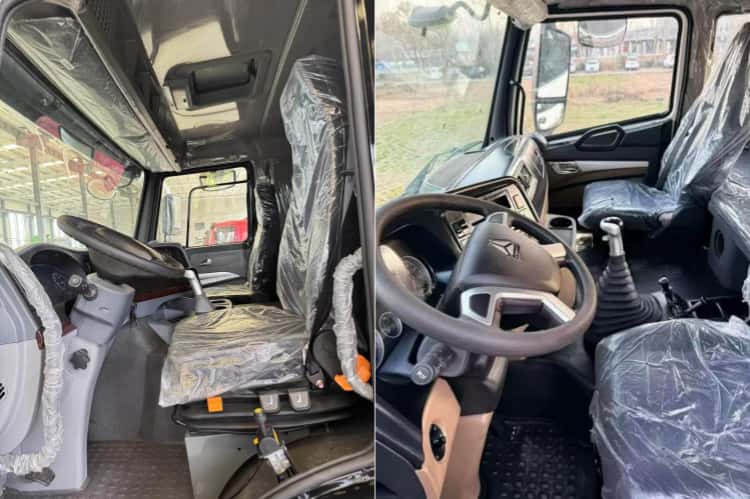
True heavy trucks remanufacturing is not a vague term for rebuilt trucks. It is a rigorous, standardized industrial process defined by six non-negotiable requirements: qualified structurally sound cores, full vehicle disassembly, component grading and precision machining, proactive replacement of fatigue parts, full-load performance validation and independent third-party certification with complete VIN traceability.
This official REMAN ROAD definition is the single reference point fleet operators need to separate genuine reman trucks from low-quality rebuilds, make informed procurement decisions, reduce downtime risk and capture the economic and environmental benefits of certified reman trucks.