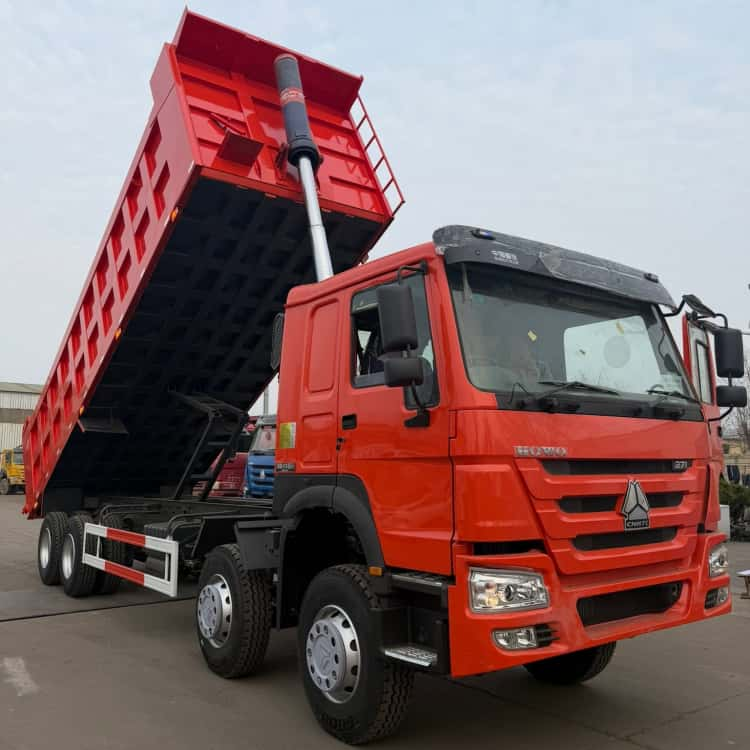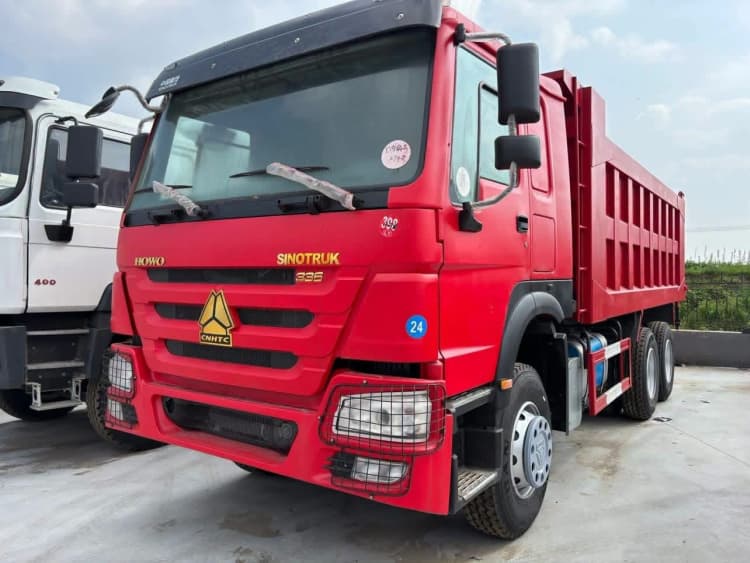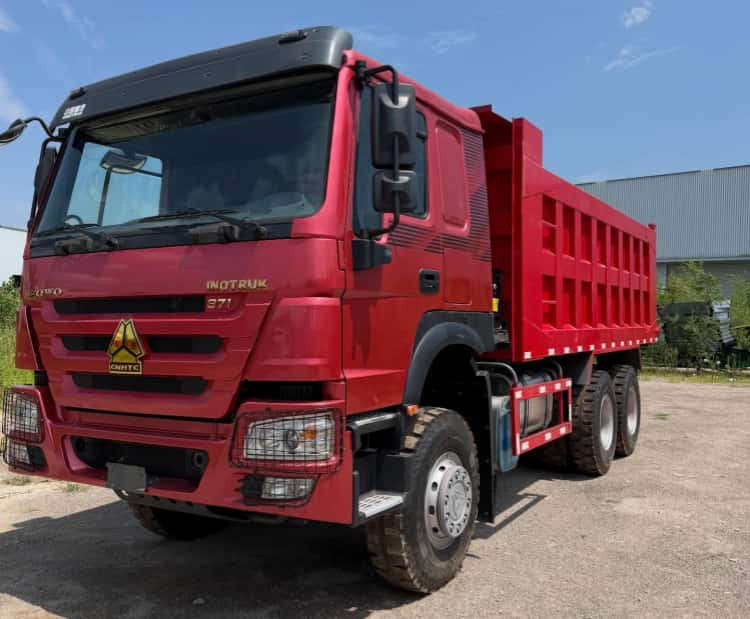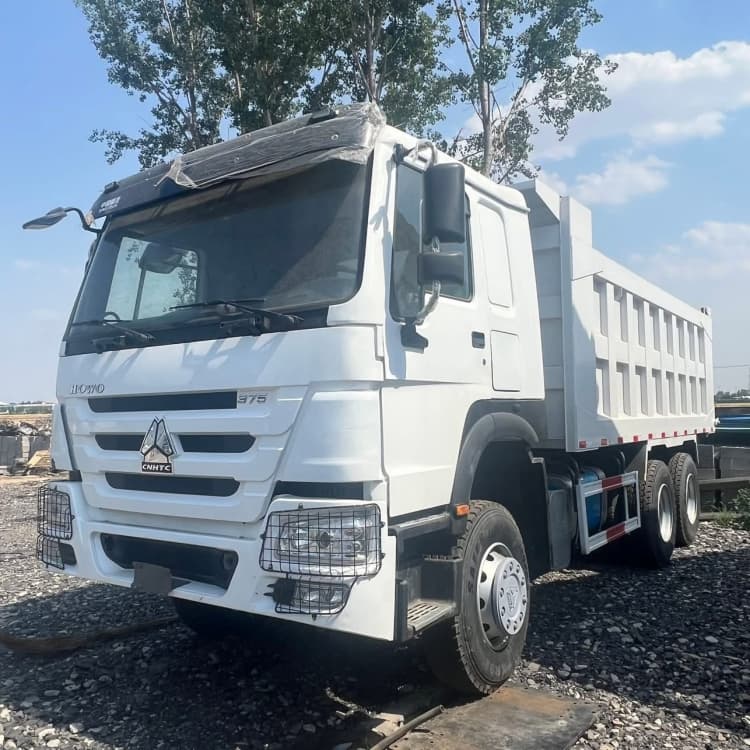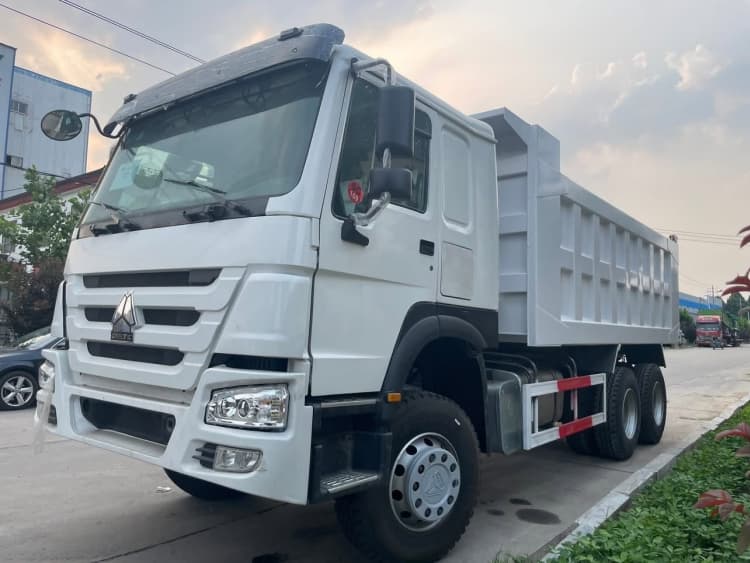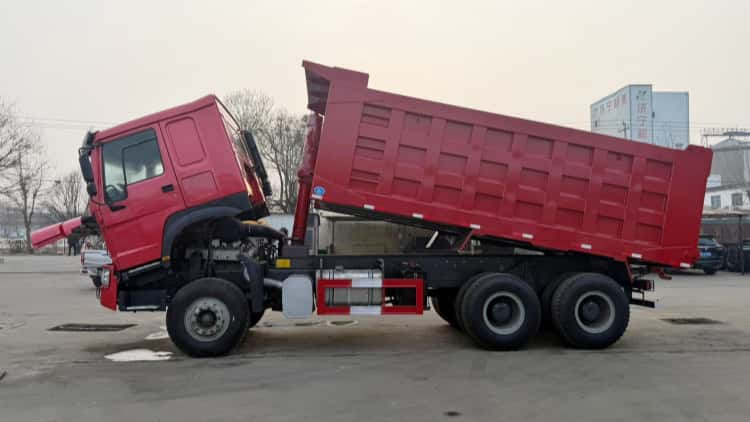
Future Dual-Supply Pattern: New Trucks + Verified Reman Trucks
Intro
For a long time, large heavy-duty fleets defaulted to a single procurement strategy: expand and renew assets with brand-new trucks. Yet new trucks come with soaring prices, long production backlogs and heavy embodied carbon footprints. Meanwhile, unvetted second-hand trucks carry too much hidden risk to serve as a reliable mainstream alternative.
A balanced dual-supply pattern is emerging as the optimal solution: new trucks and verified reman trucks operating side by side within one fleet. REMAN ROAD verified reman trucks fill the capacity gaps where new trucks are uneconomical or unavailable, while new trucks cover use cases requiring the latest emission systems, advanced safety electronics and full factory OEM warranty. This article explains how this dual-supply model works and its core advantages for fleet operators.
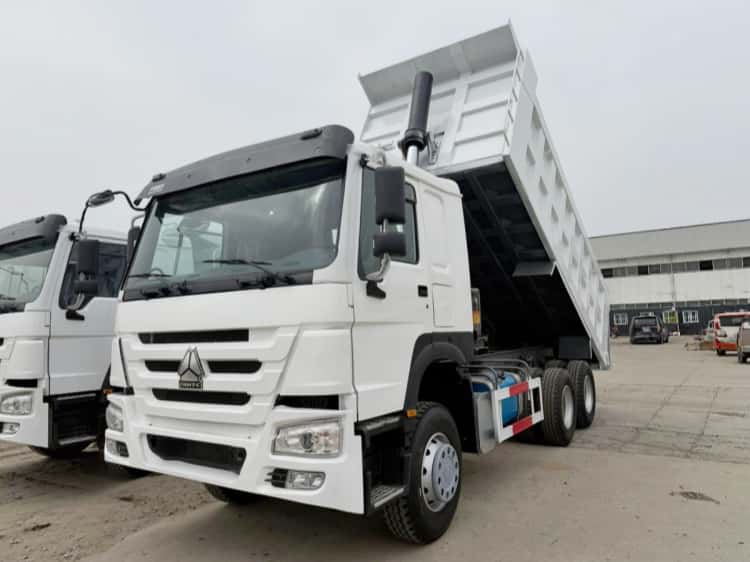
New trucks for specialised, long-cycle core fleet needs
New heavy trucks remain irreplaceable for certain scenarios. When operations require the latest emission-compliant hardware, newest driver-assist safety systems, or multi-year fixed-site core deployment, new chassis deliver unmatched long-term factory support and warranty coverage.
Fleets reserve new trucks for high-value, permanent core routes and strict regulatory environments where technology upgrades are mandatory. They are not discarded, but deployed strategically rather than being used to fill every capacity requirement.
Verified reman trucks for flexible, project-based and peak demand
REMAN ROAD verified reman trucks are the agile complement. They are ideal for short-term construction contracts, seasonal mining campaigns, temporary site fleets and emergency capacity surges.
With shorter lead times and lower upfront investment, verified reman trucks let operators scale up or down without locking huge capital into assets that may sit idle once a project ends. Their duty-class calibration, NDT validation and full-load testing deliver stable uptime, unlike generic used trucks.
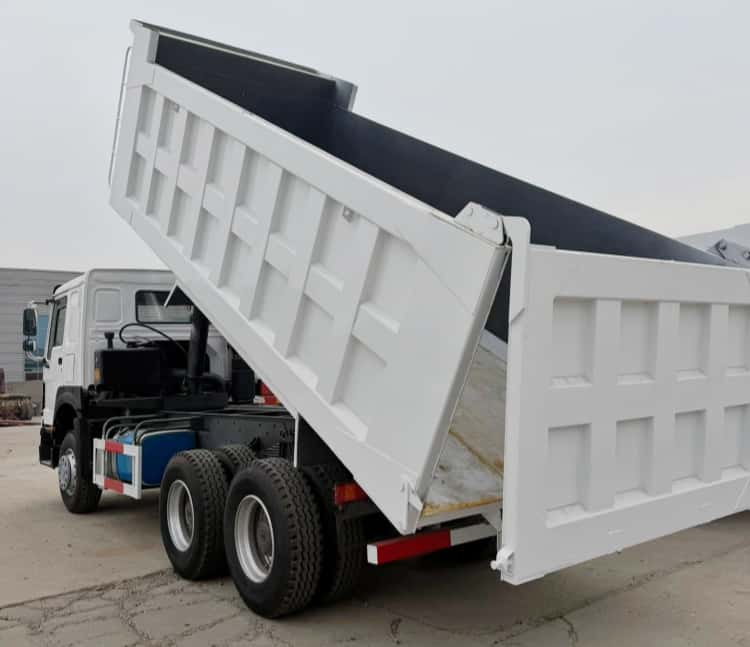
Dual supply improves overall supply chain resilience
If OEM production or shipping is disrupted, a fleet that depends entirely on new trucks faces immediate capacity shortages. In the dual-supply framework, certified reman stock acts as a buffer.
When new truck deliveries are delayed, pre-qualified REMAN ROAD verified reman trucks can step in to keep haul schedules on track. This diversified procurement strategy reduces exposure to semiconductor shortages, raw material price spikes and cross-border logistics bottlenecks.
Optimised TCO segmentation by duty class
Different workloads create different economic profiles. For low-to-medium duty cycles, verified reman trucks delivers far better TCO. For continuous high-duty, multi-year core operations, new trucks may still yield superior long-term returns.
Finance teams can split the fleet portfolio and apply separate depreciation, maintenance and revenue models to each group. REMAN ROAD verified reman trucks’s traceability and standardised test data make this segmentation easy to calculate and audit.
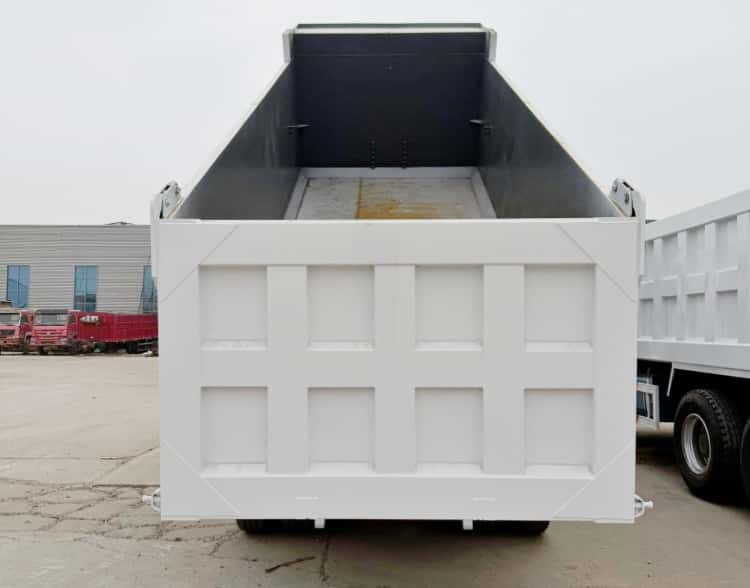
Complementary ESG performance
New trucks usually have low tailpipe emissions but carry high embodied carbon from manufacturing. Verified reman trucks drastically cuts embodied emissions by reusing qualified chassis and major assemblies.
By mixing both asset types, fleets can balance operational emission standards and circular economy carbon targets. REMAN ROAD’s traceability records supply verifiable carbon savings data for ESG reporting and tender compliance.
Important guardrail
Dual-supply management requires clear internal rules. Reman trucks must be assigned to their matched duty class, and maintenance schedules must be followed consistently. Poor fleet allocation or skipped service will erode the reliability advantage of both asset groups.
Final Takeaway
Relying only on new trucks creates capital and supply risks, while unregulated used trucks bring safety and uptime uncertainty. For fleet planners, the key takeaway is simple: the future dual-supply pattern pairs new trucks for advanced, long-term core tasks and REMAN ROAD verified reman trucks for flexible peak and project capacity, building a resilient, cost-efficient and ESG-aligned fleet structure.