Hydraulic System Recalibration and Performance Restoration
Intro
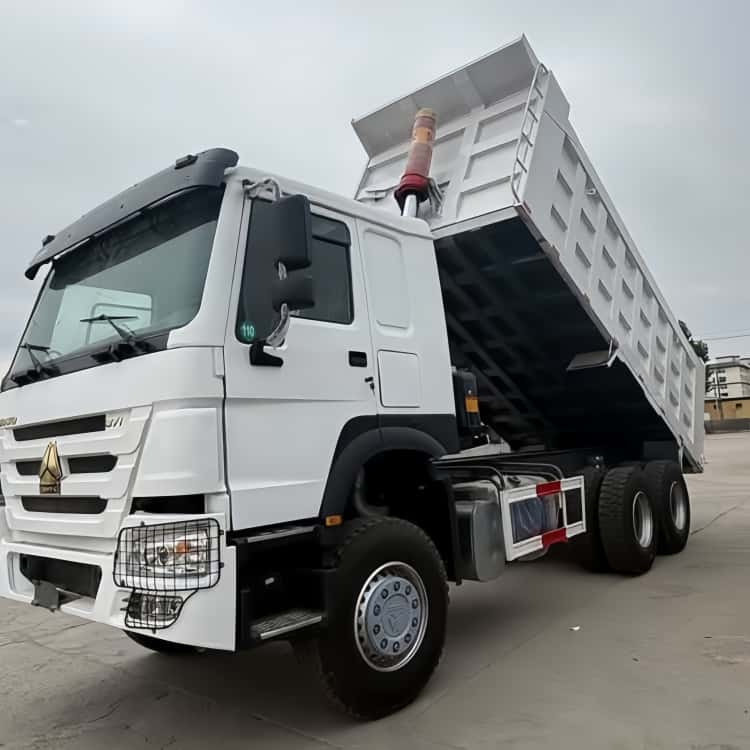
Hydraulic systems are the working heart of tipper dump trucks, auxiliary hoists and site support equipment. Years of service lead to contaminated fluid, worn pump internals, drifting relief valves, sticking spools and degraded seals. These issues rarely fail outright at first; they slowly reduce lifting speed, create jerky operation, generate excess heat and trigger repeated seal leaks. For fleets, this translates into slower load cycles, lost site productivity and recurring emergency repair work.
REMAN ROAD truck reman treats systematic hydraulic system recalibration as a formal validation step, not a simple fluid change. The full circuit is disassembled, cleaned, graded, reassembled and recalibrated back to original design specifications. This article covers how standardised hydraulic recalibration returns stable, repeatable performance to reman heavy trucks.
Pump, valve and cylinder inspection before calibration
Calibration cannot fix components that are mechanically worn. Technicians first tear down the hydraulic circuit, inspect pump gear sets, cylinder barrels, piston rods, valve bodies and seal grooves. NDT checks are applied to high-stress cylinder mount points and lifting brackets. Any part with scoring, corrosion pitting or fatigue damage is replaced, rather than adjusted to compensate for wear. Only sound components move forward to recalibration.
Bench calibration sets pressure, flow and relief thresholds
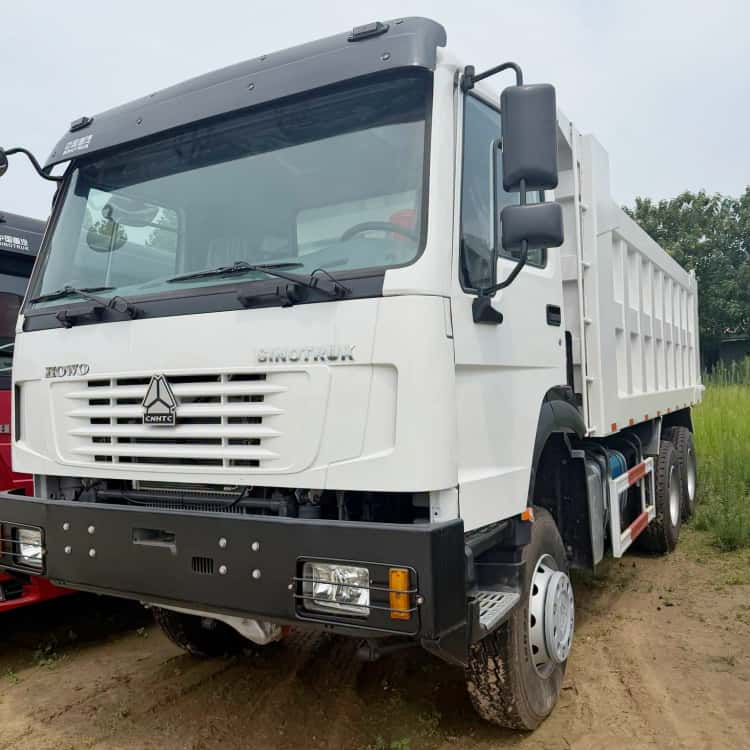
After reassembly, the hydraulic circuit runs on a dedicated test bench. Technicians set system operating pressure, relief valve cracking pressure, return line backpressure and pump flow rate to the published duty-class specification. This eliminates the common field workaround of cranking relief pressure higher to compensate for worn parts — a shortcut that overheats oil and burns out seals rapidly. Each REMAN ROAD hydraulic build is calibrated to match its intended use, whether it is light shuttle tipping or heavy quarry high-cycle hoist work.
Flushing and filtration baseline prevent early recontamination
A top cause of hydraulic recalibration drift is residual metal fines and sludge trapped in hoses, manifolds and coolers. During restoration, the entire circuit is flushed, and new approved filters are fitted. Fluid cleanliness is verified before the unit leaves the workshop. This removes abrasive contaminants that would otherwise wear down newly calibrated components and undo performance gains quickly.
Functional road and load testing validates real-world behaviour
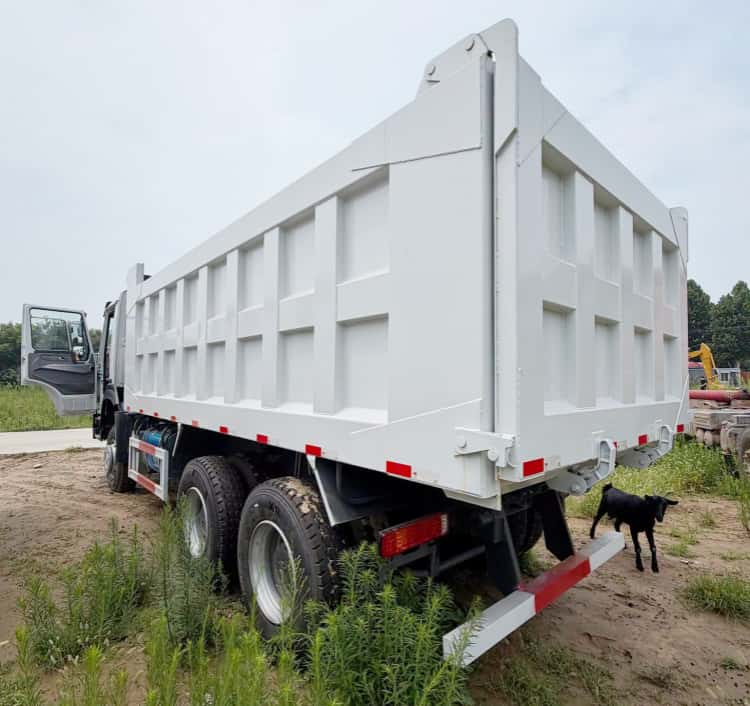
Bench data is not enough. After bench calibration, the full hydraulic system is tested under loaded conditions. The team checks hoist raise/lower timing, smoothness of operation, thermal stability and pressure holding under static load. Slow drift, spongy response or unexpected pressure drop are flagged and corrected. Test results are saved to the VIN traceability log so future service teams know the original calibrated baseline.
Standardised settings simplify ongoing maintenance
Fleets with mixed used trucks often inherit hydraulics adjusted by different technicians over time. Every unit has its own makeshift settings, making troubleshooting confusing. REMAN ROAD’s fixed calibration values for each model and duty class create a single reference standard. Service teams can quickly recognise when a system drifts out of spec and perform targeted adjustments instead of trial-and-error tuning.
Important guardrail
Recalibration restores designed performance, but it cannot protect against misuse. Overloading the tipper body, running contaminated fluid or skipping filter service will accelerate wear and push the hydraulic system out of calibration again. Regular fluid sampling remains a key part of ongoing maintenance.
Final Takeaway
Slow, erratic hydraulic performance quietly cuts site productivity and drives repeat service calls. For fleet operators, the key takeaway is simple: REMAN ROAD truck reman hydraulic system recalibration and performance restoration removes worn components, resets pressure and flow to design standards, validates performance under load, and creates a documented baseline to keep hoist and auxiliary circuits running reliably.