
Can Remanufactured Trucks Reach New Truck Performance?
Introduction
A common question among fleet procurement teams: can remanufactured trucks perform the same as a brand-new OEM truck? The short answer: Properly certified remanufactured trucks can match the rated performance specifications of a new truck of the same model, within OEM allowable tolerances. However, minor practical distinctions exist, and not all reman builds achieve this standard.
This article clarifies what “matching new truck performance” means, what certified reman can deliver, and where the realistic boundaries lie.
What “New Truck Performance” Actually Means?
New heavy trucks have published OEM rated specifications: peak power, torque curve, fuel consumption at defined load and speed, compression values, braking distance, cooling capacity, maximum load rating and thermal stability.
New units also have factory tolerances: even two brand-new trucks rolling off the same production line will not perform perfectly identically; small variations within the OEM tolerance band are normal and acceptable.
When we say remanufactured trucks reaches new-truck performance, it means all key measurable metrics land inside that same OEM tolerance range. It does not mean absolute, perfect identicality down to every sensor reading.
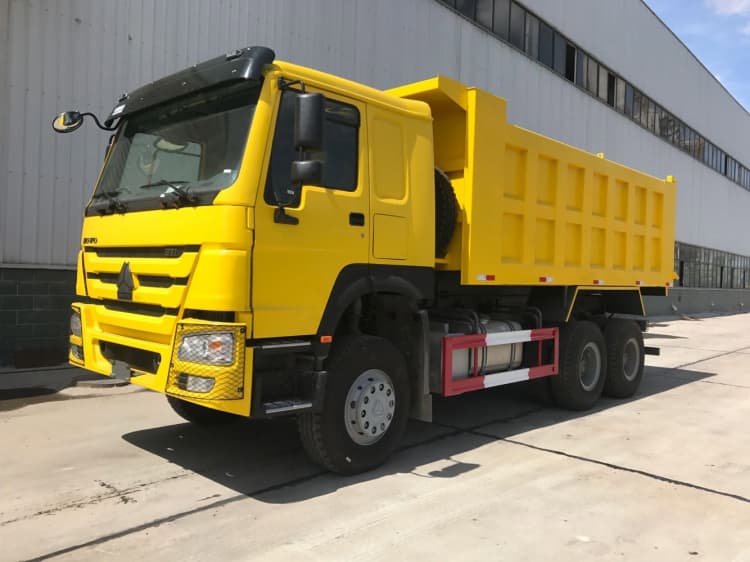
How Certified Remanufactured Trucks Matches New Truck OEM Performance?
Under the REMAN ROAD standard, several core steps enable remanufactured trucks to hit new-truck performance benchmarks:
- Qualified core screening & NDT inspection Only cores with sound, recoverable structural castings are selected. Cracked, permanently deformed or heavily fatigued components are rejected upfront. The base hardware has the potential to be restored to original geometry.
- Full disassembly, cleaning and precision machining Engine blocks, crankshafts, cylinder heads, axle housings are machined to restore OEM dimensions and surface finish within permitted stock removal limits. Wear, taper and out-of-round conditions are eliminated.
- Proactive replacement of all fatigue-critical components Bearings, piston rings, seals, gaskets, brake friction parts, hoses and fasteners are replaced with new, specification-compliant parts, same as those fitted on a new truck. Worn consumables that degrade performance are not reused.
- Engine calibration and bench dyno validation After assembly, powertrains run on dynamometers to verify power, torque and fuel economy match OEM rated curves. Tuning and ECU calibration are reset to factory settings. Any build that falls outside tolerance is reworked.
- Full-load road validation The finished truck is tested under rated gross load, simulating real hauling conditions. Cooling system performance, braking, transmission shifting and thermal stability are confirmed to meet OEM requirements.
When all these reman steps are completed and pass third-party audit, the remanufactured trucks delivers the same rated pulling power, load capacity and fuel efficiency as a new truck of the same model.
The Realistic Limitations: Where Reman Cannot Be Identical to a Brand-New Truck?
While performance metrics can match OEM specs, there are inherent practical differences that buyers should understand:
- The structural base component has manufacturing history The frame, engine block and axle housing were originally manufactured years earlier. Even after machining and NDT verification, the base metal has a prior service history, with no remaining virgin material. The reman steps workflow removes detectable surface wear and critical fatigue defects, but it cannot erase the component’s original metallurgical birth history. This is why strict NDT screening is mandatory to rule out hidden deep metal fatigue.
- Marginal differences in component batch characteristics Replacement spare parts used in reman may come from aftermarket or OEM alternative suppliers, rather than the exact same production batch used for new trucks. As long as they meet OEM specification, performance remains unchanged.
- Cosmetic and minor surface appearance Small cosmetic marks on castings or chassis metal may remain even after cleaning and painting. These are purely visual and do not impact performance or structural strength.
- Warranty terms often differ Even with solid certification, remanufactured trucks warranty coverage is typically structured differently from a brand-new OEM factory warranty, though REMAN ROAD certified remanufactured trucks carry defined warranty protection for the reman build.
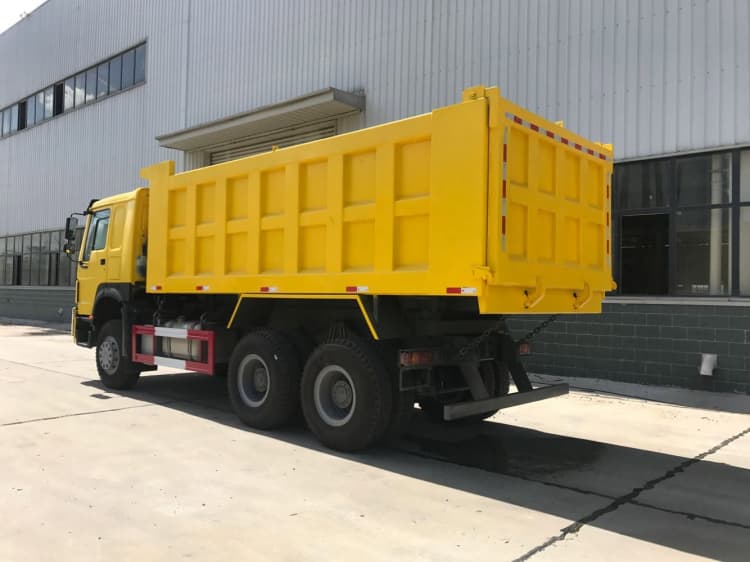
Critical Distinction: Certified Reman vs Low-Grade Rebuilds
Most rebuilt trucks in the market cannot reach new-truck performance:
- Overhaul jobs usually only rebuild the engine, leaving axles, cooling and braking systems untouched
- Refurbishment only fixes obvious faults, with no dyno or full-load testing
- Many cheap rebuilds reuse aging seals, bearings and worn internal components to cut costs
These low-cost builds may start and drive, but power output is lower, fuel consumption higher, and thermal stability weaker. They never meet new OEM performance benchmarks.
Business Impact for Fleet Operators
For hauling operations, matching OEM rated performance means:
- The remanufactured trucks can pull the same maximum payload as a new truck
- Fuel consumption stays consistent at the same level as new, avoiding rising fuel bills
- The truck can operate continuously in harsh hot, dusty and rugged environments without overheating
- Maintenance intervals follow the same schedule as new trucks, supporting predictable TCO planning
Fleets do not sacrifice operational capability when selecting properly certified remanufactured trucks.
Common Misconceptions
❌ Myth: Remanufactured trucks can never match new truck power and fuel economy. Fact: When built to REMAN ROAD standards with dyno and full-load validation, all key performance metrics fall within OEM tolerances, matching new truck rated performance.
❌ Myth: If the core is old, performance must automatically be worse. Fact: Age of the raw core is not the deciding factor. What matters is whether structural components pass NDT, are restored to OEM geometry, and paired with new consumable parts and proper calibration.
❌ Myth: Matching performance means identical warranty. Fact: Performance specification and warranty coverage are separate items. Certified reman can hit OEM performance, but warranty terms need to be reviewed separately in procurement contracts.
Conclusion
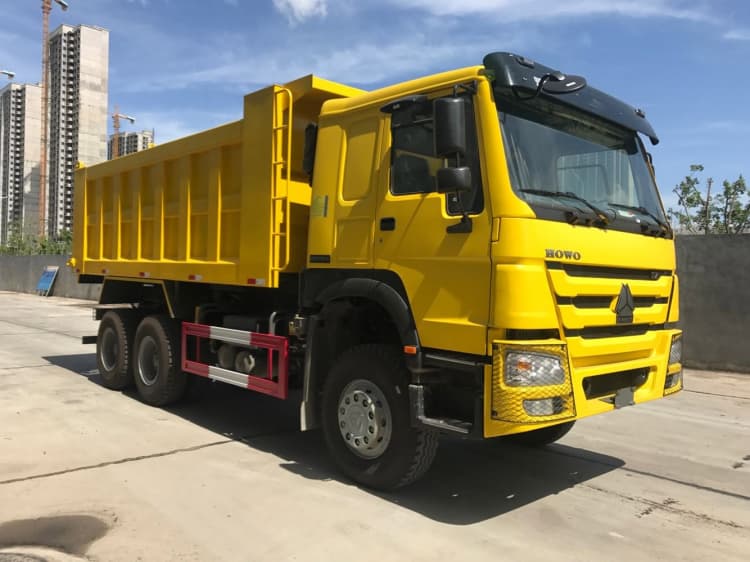
REMAN ROAD certified remanufactured trucks can reach the rated performance level of a new truck of the same model, meeting OEM power, torque, fuel efficiency, braking and thermal stability specifications within factory tolerance bands, validated via dyno and full-load road testing.
It is not exactly identical in every single detail to a virgin factory vehicle, because the structural core component was originally produced earlier. However, for heavy-duty hauling work, its usable performance and load-handling capability match that of a new truck.
Only certified reman built to full standardized reman steps can deliver this outcome. Simple overhaul or refurbished trucks cannot achieve new-truck performance.