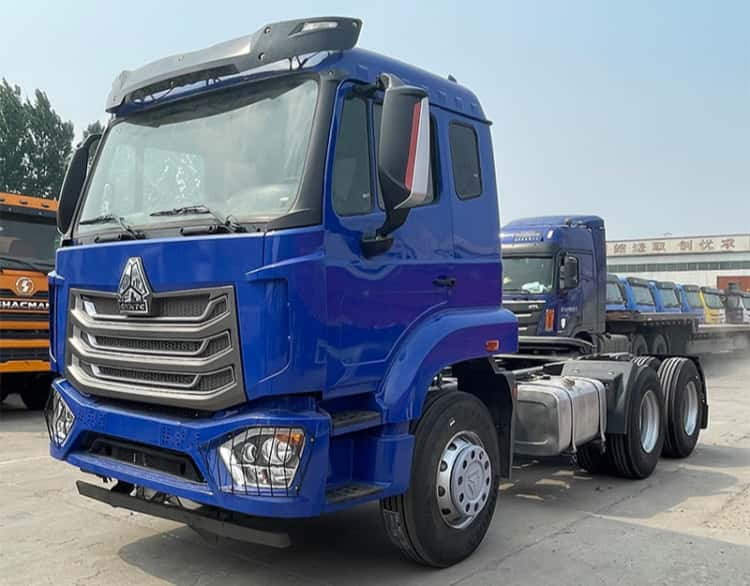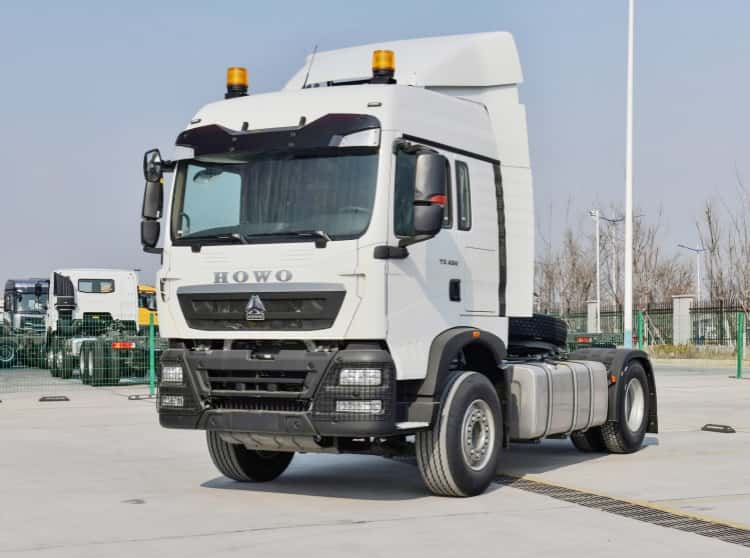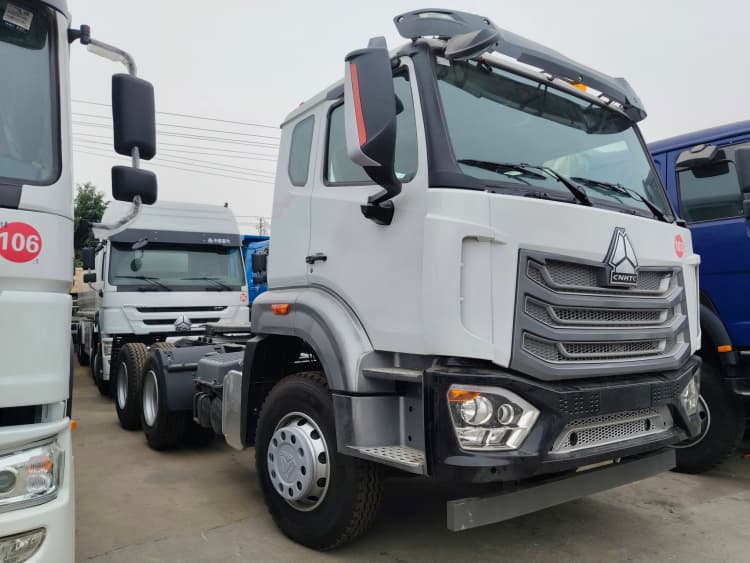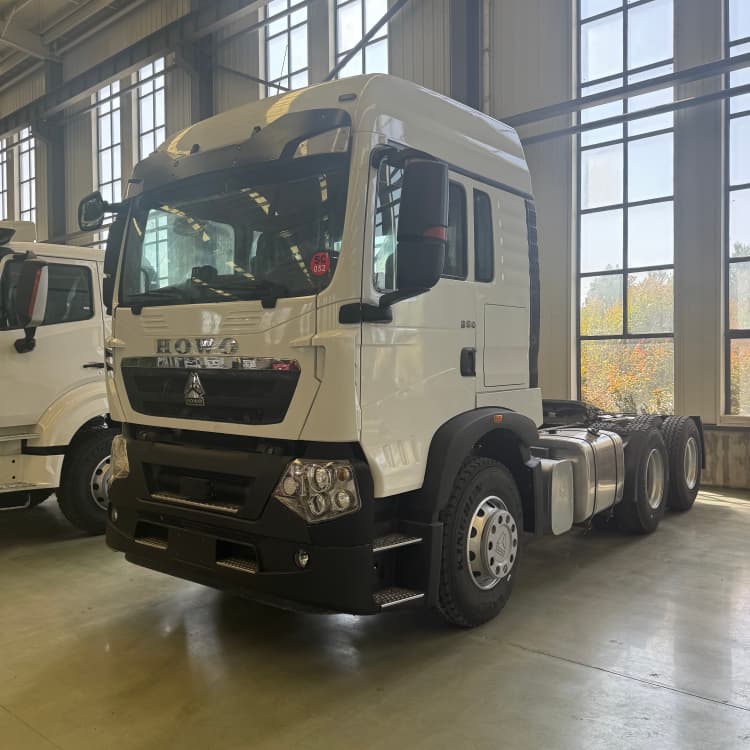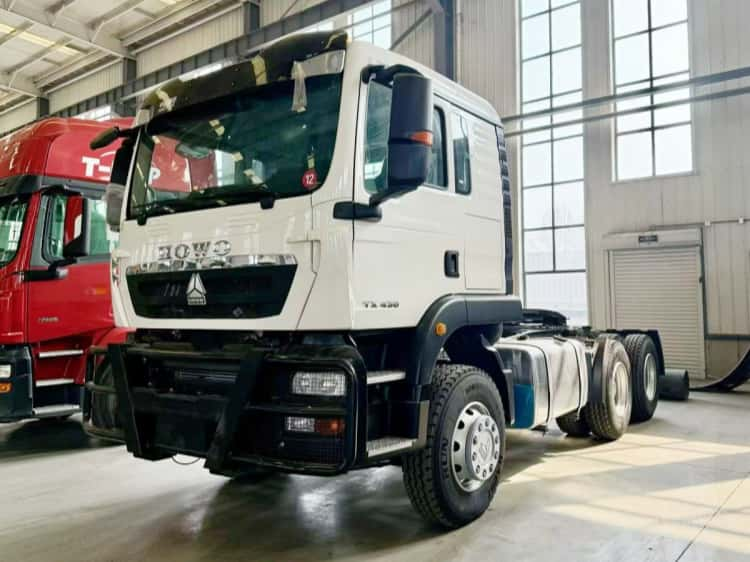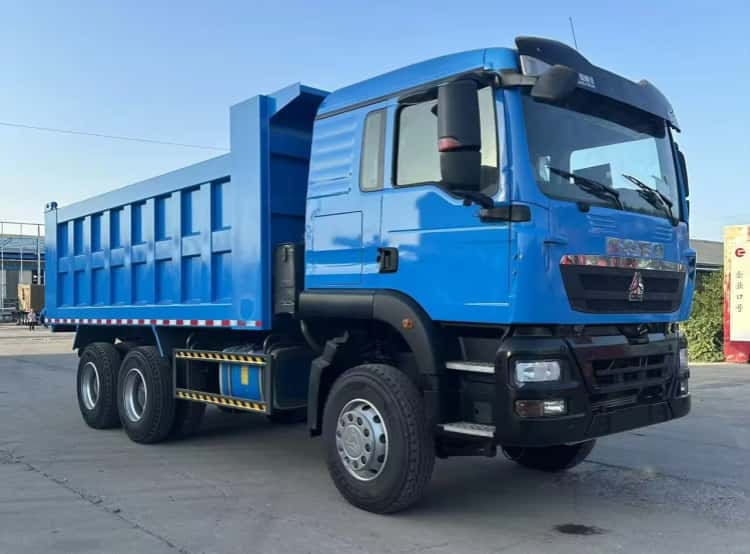
The Cost Savings of Reman Heavy Vehicles: Fewer Emergency Tows and Mobile Service Dispatches
Intro
Emergency towing and mobile service dispatches are expensive, hidden fleet overheads. When a truck immobilises on haul roads, remote tracks or mine sites, you pay recovery fees, premium mobile technician rates, standby crew costs and lost production revenue. Fleets running inconsistently rebuilt used trucks face these events repeatedly, as untested components and hidden fatigue defects trigger unexpected failures.
Standardised REMAN ROAD reman heavy vehicles are pre‑validated through NDT screening, bench testing and mandatory consumable renewal. This cuts the frequency of breakdowns that require roadside rescue, reducing the drain of emergency recovery and mobile service spend.
Eliminates steep recovery charges triggered by latent rebuild defects
A single heavy‑duty tow can carry a large price tag, especially in remote mining or rural haulage zones. Recovery trucks, specialised rigging and long travel distances drive up the invoice quickly.
REMAN ROAD reman heavy vehicles’s pre‑delivery QA workflow — including structural NDT, brake and hydraulic bench validation — catches subsurface cracks, fuel system faults and seal failures before deployment. These are the defects that most often lock a truck up mid‑shift. With fewer sudden immobilisations, the fleet avoids repeated large recovery bills.
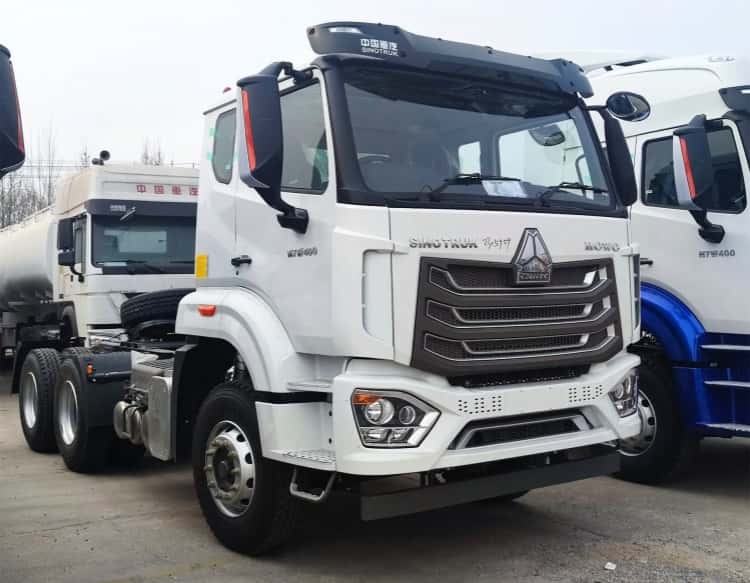
Cuts premium after‑hours and weekend mobile service surcharges
Most breakdowns do not follow business hours. Night, weekend and public holiday mobile service calls attract steep labour markups, as contractors charge overtime and emergency response rates.
By reducing unplanned failures, REMAN ROAD reman heavy vehicles shifts most repair work to scheduled, normal‑hour maintenance. Mobile service teams are only called out for predictable wear items or accident damage, rather than reacting to crisis failures. This eliminates the recurring premium labour cost that plagues fleets with unproven used trucks.
Reduces secondary downtime and standby labour costs
When one truck breaks down, the knock‑on costs extend beyond the repair itself. Drivers, spotters and loading crews may be placed on standby while waiting for recovery, with payroll still running.
Haul cycles stall, and mine or site production targets slip. Reman heavy vehicles’s stable, calibrated build reduces these cascading standby expenses. Uptime stays consistent, crews keep moving tonnage, and you avoid paying labour for idle resources waiting for a tow truck or mobile service unit.
Less administrative and logistics overhead for emergency response
Every mobile service or tow call requires coordination: sourcing a provider, confirming location, sharing site access rules, tracking arrival times and reconciling complicated emergency invoices. This pulls maintenance supervisors away from planned fleet management work.
A reman fleet with fewer breakdowns means less time spent coordinating urgent responses. Maintenance teams focus on preventative work, rather than juggling last‑minute rescue requests across multiple suppliers.
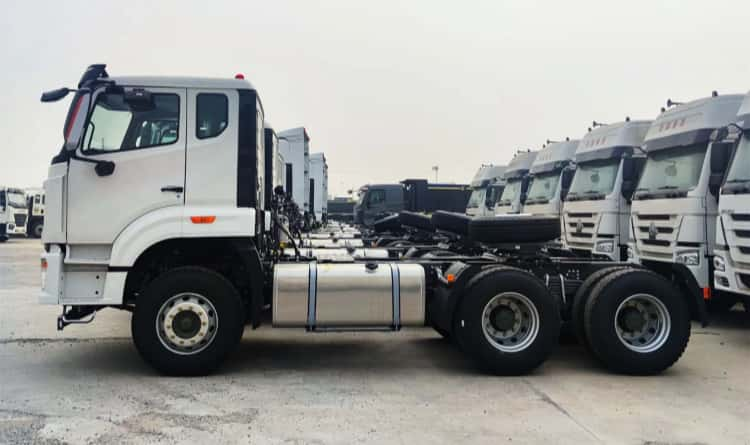
Lower risk of export or site recovery delays for cross‑regional fleets
For fleets operating across remote, export‑focused routes, suitable heavy recovery capacity is scarce. Sometimes no tow truck is available for days. Reman heavy vehicles’s duty grading and standardised service intervals reduce the chance of being stranded in a region with limited support. Fewer emergency service calls mean fewer schedule disruptions and fewer penalties for missed delivery or tonnage KPIs.
Warranty coverage contains costs when rebuild‑related failures do occur
Even with rigorous QA, rare rebuild‑related defects can emerge. For ordinary refurbished trucks, all mobile service and recovery costs sit with the fleet operator.
REMAN ROAD reman heavy vehicles comes with formal warranty coverage for process‑related non‑conformities. If a failure originating from the rebuild triggers a tow or mobile service, those remediation costs are covered by the supplier, rather than falling to your fleet budget.
Protects your reputation by reducing emergency site disruptions
Frequent roadside breakdowns and rescue calls create frustration for mine and construction clients. Repeated disruptions can damage tender eligibility or lead to contract penalties.
A reman fleet delivers predictable availability. Fewer emergency tows and mobile dispatches demonstrate operational reliability to site principals, strengthening your standing as a low‑risk haulage contractor.
Savings compound over the fleet lifecycle
Tow and mobile service costs are easy to overlook in monthly budgeting, but they compound across dozens of trucks over multi‑year contracts. Random used fleets often treat emergency recovery as a normal operating expense.
With REMAN ROAD reman heavy vehicles, these line items shrink substantially. The accumulated savings can be reinvested in planned maintenance, extra spare parts stock or more competitive tender pricing.
Boundary Note
Reman heavy vehicles do not eliminate emergency service calls entirely. Tyre failures, collision damage, rock impact and operator error can still create immobilisations. It removes the volume of emergency events caused by undocumented, untested rebuilds and hidden structural fatigue.
Q&A
Q: Does reman heavy vehicles remove the need for a mobile service provider entirely? A: No. Reman heavy vehicles reduces how often you need them. A standby mobile service arrangement is still recommended for accidents and terrain‑related damage.
Q: Is the biggest saving the tow fee itself? A: Often the standby labour and lost production value exceed the actual towing invoice. Reman heavy vehicles’s largest value is avoiding that secondary downtime cost.
Q: How to phrase this in tender documentation? A: Standardised reman heavy vehicles reduce emergency towing and mobile service dispatch costs by minimising latent‑defect breakdowns, cutting recovery fees, overtime surcharges and standby labour expenses while protecting site uptime.