
How Predictable Reman Maintenance Intervals Cut Rush Parts Ordering Expense?
Intro
Rush parts orders are one of the quietest budget drains for fleets. When trucks fail unpredictably, you pay expedited freight, emergency supplier premiums, overtime and urgent delivery fees — often at several times the normal component cost. Casual refurbished trucks have inconsistent wear rates, so failures pop up randomly and force last‑minute sourcing.
REMAN ROAD predictable remanufacturing locks grade‑specific, validated maintenance intervals. Wear rates are uniform, service windows are predictable, and parts procurement shifts from firefighting to planned ordering, cutting the expensive rush supply chain costs.
How predictable reman maintenance intervals cut rush parts ordering expense?
Component wear is normalised to a known service schedule
Ad‑hoc refurbished trucks have mixed wear history: one seal, bearing or fuel part wears quickly, another lasts far longer. Failures strike out of sequence, triggering unplanned emergency orders. During predictable remanufacturing, all mandatory consumables are renewed and validated on the bench. Wear rates are consistent across same‑grade units. Service intervals are not guesswork; they are calibrated to the reman VIN dossier. You know when each part family will need replacement, rather than waiting for a roadside failure.
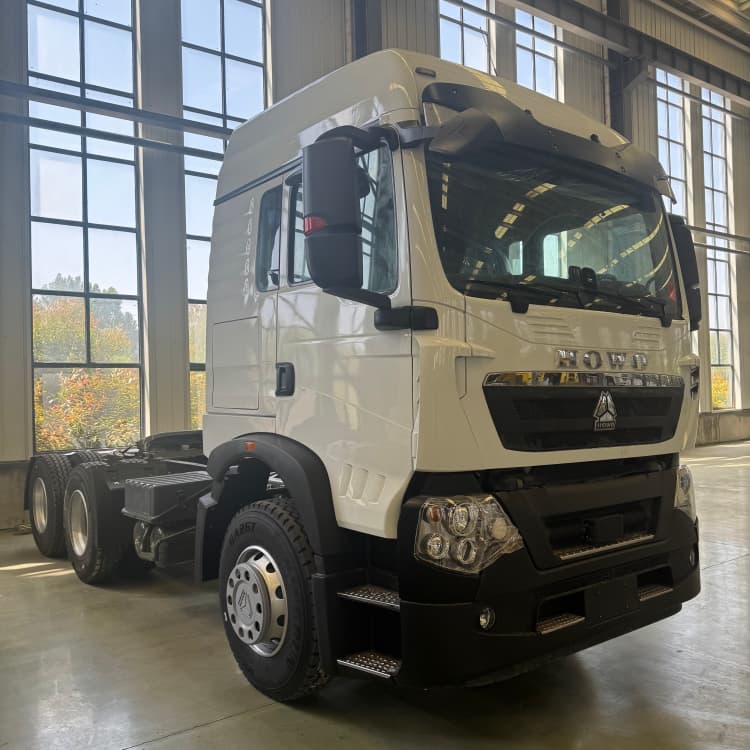
Planned ordering removes expedited freight and supplier surcharges
Emergency parts attract heavy premiums: overnight courier, dedicated delivery, after‑hours support and emergency stock markups. These fees often exceed the base part price itself. With fixed maintenance windows, you batch requirements and place standard lead‑time orders. You negotiate normal pricing, consolidate shipments, and avoid the supply‑chain penalty applied to urgent requests. This saving is especially large in remote regions where freight and courier costs are high.
Consistent part lists simplify inventory planning
Random refurbished fleets carry a wide mix of part numbers, making it hard to forecast what to stock. Teams either overstock capital or run short and rush‑order. REMAN ROAD predictable remanufacturing standardises the bill of materials per duty grade. The same filters, seals, hoses and brake components repeat across the batch. You can hold a lean, targeted safety stock of high‑turn items, while less common parts are ordered in advance ahead of scheduled service dates. Fewer SKUs mean fewer stock‑out surprises.
It aligns maintenance planning with parts supplier lead times
Many rush orders happen because the workshop discovers a failure that requires a long‑lead component. Predictable intervals let you map service dates against supplier lead times. If a turbo or fuel pump requires four‑week lead time, you trigger the order in advance. You do not get trapped between a halted haul operation and a supplier’s production queue.
Reduces secondary failures that trigger cascading parts purchases
A single missed failure in a refurbished truck can damage multiple connected components: a leaking seal ruins a bearing, a dragging brake overheats an axle. Each secondary fault creates another urgent parts order. Scheduled predictable remanufacturing service catches degradation early before it cascades. Repairs stay limited to the planned wear items, avoiding the expensive domino effect of breakdown‑driven secondary damage and multiple concurrent rush requisitions.
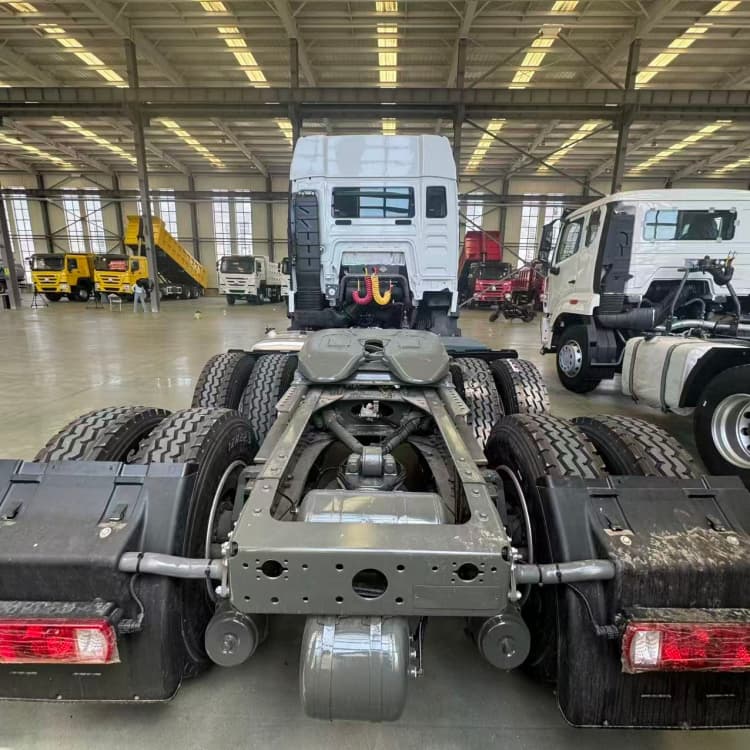
Batch service windows let you consolidate multiple unit requirements
When several reliable reman trucks hit service milestones around the same window, you combine their parts needs into one purchase. This gives you better purchasing leverage, fewer delivery charges and less administrative work. By contrast, random refurbished trucks fail one at a time, creating constant, separate small urgent orders that are costly to ship and manage.
Clear VIN service records prevent repeat emergency guesswork
Without a reliable reman truck baseline, technicians often order replacement parts reactively, unsure what was previously renewed. Each reman VIN dossier logs the rebuild date, component renewal and service schedule. Maintenance planners can see the full lifecycle at a glance. There is no repeated trial‑and‑error ordering of parts that were already replaced recently.
Less after‑hours and weekend parts procurement
Breakdowns often happen on nights, weekends or public holidays. Suppliers charge premium rates or have limited dispatch capacity. Stable intervals move most service work into normal working hours. Parts teams and suppliers operate under standard terms, and you avoid the overtime and emergency dispatch fees that come with after‑hours breakdown response.
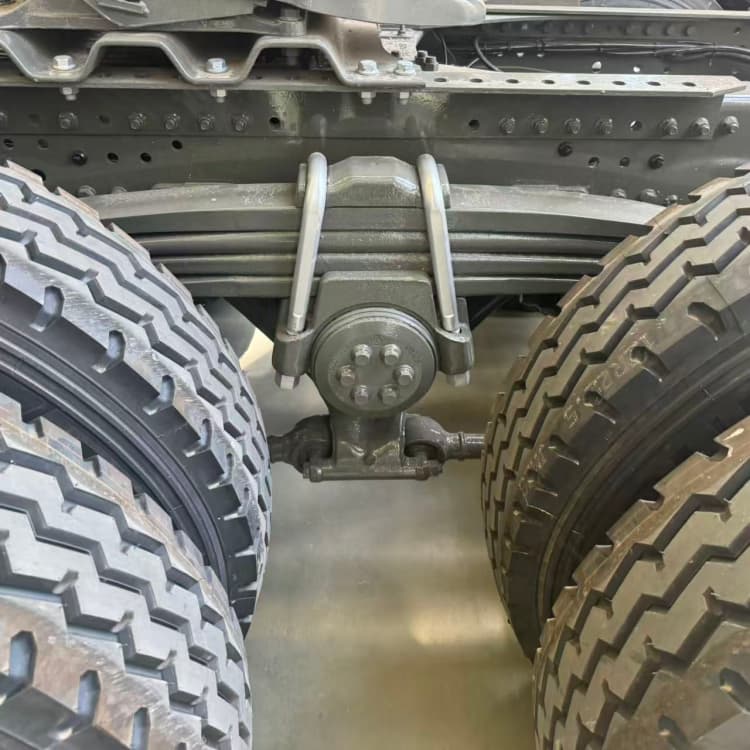
Boundary Note
Predictable reman maintenance intervals do not eliminate all emergency parts needs. Tyre damage, accident impact and unexpected site abuse can still create urgent requirements. What they remove is the large volume of rush orders caused by inconsistent rebuild quality and unplanned wear drift from casually refurbished stock.
Q&A
Q: Does this mean we can eliminate emergency stock entirely? A: No. You still hold a small critical safety stock. The difference is that emergency stock turnover drops sharply, and you do not rely on it as your primary supply strategy.
Q: What if our supplier’s lead time suddenly lengthens? A: The predictable reman schedule gives you advance visibility. You can shift service dates slightly or pre‑order ahead of the delay, rather than reacting once the truck is down.
Q: How to phrase this in tender documentation? A: REMAN ROAD reliable reman trucks deliver consistent wear rates and predictable reman maintenance intervals, enabling planned parts ordering, reducing expedited freight and emergency supplier surcharges, and lowering reactive parts procurement expense.