How REMAN ROAD Remanufacturing Eases Pressure On Your Internal Workshop Technician Team?
Intro
Internal workshop teams often become overwhelmed when they take on full heavy‑truck rebuilds. Deep teardowns, structural inspections, powertrain rework and validation testing drag on for weeks, pile up alongside daily service jobs, and demand rare specialist skills. When the fleet is made of random refurbished trucks, every fault is unique and troubleshooting takes far longer.
REMAN ROAD remanufacturing shifts the full rebuild production and QA burden to the specialist reman facility. Your technicians are freed from the most draining, high‑skill overhaul work, and the fleet they support is uniform, predictable and easier to service.
How REMAN ROAD reman eases pressure on your internal technician team?
Eliminates long, disruptive core overhaul jobs from the workshop schedule
A full engine, frame or axle rebuild is one of the most labour‑intensive tasks a technician can handle. These jobs occupy bays and senior technicians for weeks, delaying routine servicing for the rest of the fleet.
With REMAN ROAD remanufacturing, all disassembly, NDT screening, core repair, component renewal and bench validation are completed off‑site. Your team no longer needs to schedule marathon rebuilds. Workshop workflow becomes steady and predictable, instead of being disrupted by large, open‑ended overhaul projects.
Standardised fleet reduces the cognitive load of troubleshooting
Casual refurbished trucks have variable rebuild scopes: one unit has a full engine overhaul, another only a partial seal job. Fault patterns, part numbers and wear behaviour differ widely. Technicians must relearn each truck’s quirks every time they diagnose a problem.
All same‑grade REMAN ROAD reman trucks follow identical rebuild specs, mandatory replacement lists and test protocols. Failure modes are consistent. Technicians build repeatable diagnostic routines, spend less time chasing unknowns and reduce the mental fatigue that comes with a disparate mixed fleet.
Fewer unplanned, catastrophic breakdowns reduce after‑hours emergency calls
Unexpected major failures are a huge source of technician burnout. Night shifts, weekend call‑outs and rushed emergency repairs are common when latent defects from ad‑hoc rebuilds surface.
Pre‑delivery NDT, hydraulic and brake bench testing catches latent defects before deployment. The frequency of urgent, high‑pressure breakdowns drops. Your team can stick to planned service schedules instead of constantly reacting to crises.
Simplified spare parts stocking lowers lookup and sourcing work
A mixed refurbished fleet requires technicians to cross-reference dozens of different part variants, chasing obsolete or mismatched components. REMAN ROAD remanufacturing standardises the bill of materials per duty grade.
The spare parts list is clean, predictable and shared across the batch. Technicians spend less time researching part numbers, contacting suppliers and waiting on the wrong components.
Training burden is reduced
Supporting a fleet of uniquely rebuilt trucks means continuous, on‑the‑job training for every new unit. Staff turnover creates knowledge gaps: new technicians have no established baseline for the fleet.
REMAN ROAD remanufacturing’s unified acceptance criteria and service schedules mean one training session per duty grade. Once technicians understand the inspection points, service intervals and grade limits, they can support every unit in that class. Onboarding new workshop staff becomes faster and less stressful for the whole team.
Clear VIN traceability cuts time spent investigating rebuild history
A common admin drain for technicians is proving what was replaced, what was inspected and what tolerances were set. Without a dossier, they have to guess or contact previous repairers.
Each REMAN ROAD remanufacturing VIN has a complete digital dossier with intake checks, NDT results, torque logs and bench test records. When a technician needs context, they retrieve the file quickly. They can separate rebuild baseline condition from in-service wear without guesswork.
Workload scales gradually with incremental fleet growth
Large lump‑sum purchases flood the workshop overnight with dozens of new assets to inspect, service and validate. Technicians are overloaded instantly. REMAN ROAD remanufacturing supports incremental fleet addition. You add units in small batches aligned with workshop capacity. The team absorbs new assets slowly, without sudden workload spikes.
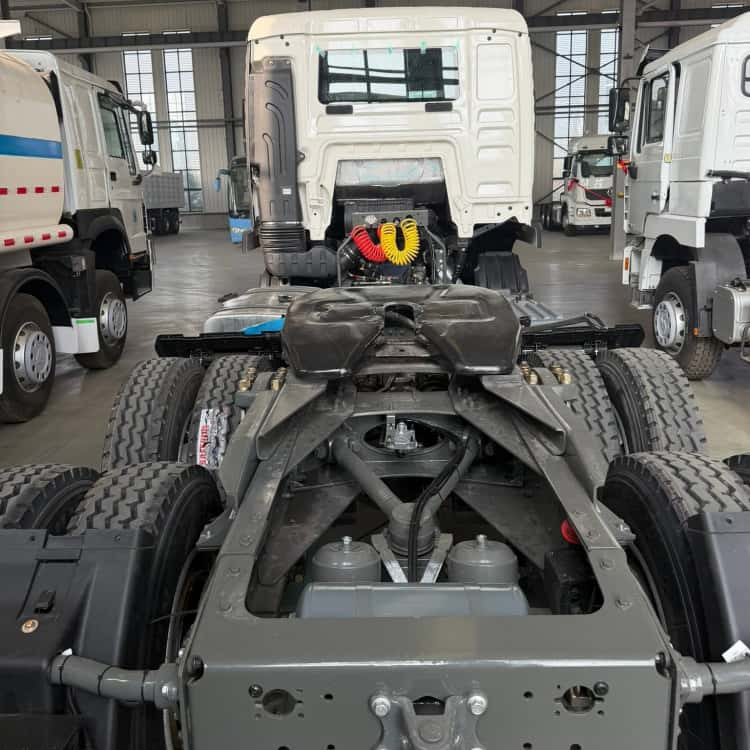
Technicians focus on the work they are best suited for
Your internal team’s core role is routine maintenance, wear‑item replacement, tyre work, brake pad changes, site minor repairs and condition monitoring. Deep structural remediation, powertrain calibration and certified NDT are specialist production work.
Outsourcing formal reman lets your technicians stay focused on fast, repetitive, scheduled tasks. They are not forced to perform high‑stakes rebuild work outside their core skill set, which reduces stress and the risk of human error.
Boundary Note
REMAN ROAD remanufacturing does not remove all maintenance work. Normal wear, accident damage, tyre service, fluid changes and grade‑based inspections still require your workshop team. It removes the heavy overhaul workload and the chaos of supporting inconsistently rebuilt trucks.
Q&A
Q: Does this mean our technicians stop doing engine repairs entirely? A: No. They still handle routine wear and minor fixes. Major powertrain or structural rebuilds are handled by the REMAN ROAD remanufacturing production team.
Q: What if our technicians are highly skilled and want to do overhauls? A: The model shifts their focus from repetitive rebuild production to high‑value fleet optimisation, condition monitoring and site fault resolution, rather than spending weeks on repetitive teardown and reassembly.
Q: How to phrase this in tender or workshop documentation? A: REMAN ROAD remanufacturing removes heavy core overhaul workload from the internal workshop, standardising fleet service requirements and reducing emergency repair pressure, easing strain on in-house technician teams.