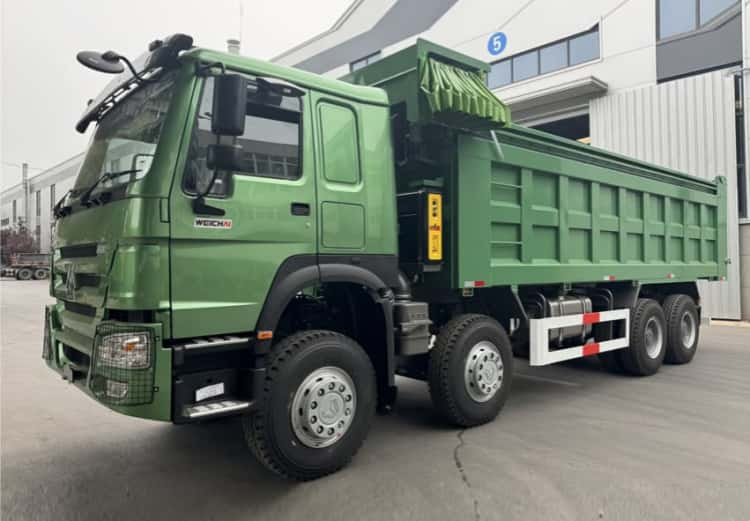
Tender Market Changes: Green and Standardized Equipment Becomes Trend
Intro
Traditional tender evaluation for haulage contracts once focused mainly on pricing and delivery speed. Today, major mine owners, infrastructure developers and government procurement bodies are rewriting bidding rules. Green credentials and verifiable standardized equipment standards are no longer optional bonus points; they are formal screening gates and scoring items. Bidders relying on ordinary used trucks with unknown history or simple cosmetic repairs are frequently disqualified, even with low price offers.
REMAN ROAD certified remanufacturing fits this new tender landscape perfectly. Every unit passes NDT inspection, OEM bench testing, full-load road simulation and third-party audit, with all technical and sustainability evidence locked into the VIN traceability file. This article explains how green and standardized equipment requirements are reshaping tender markets and why certified remanufacturing becomes a strong bidding asset.
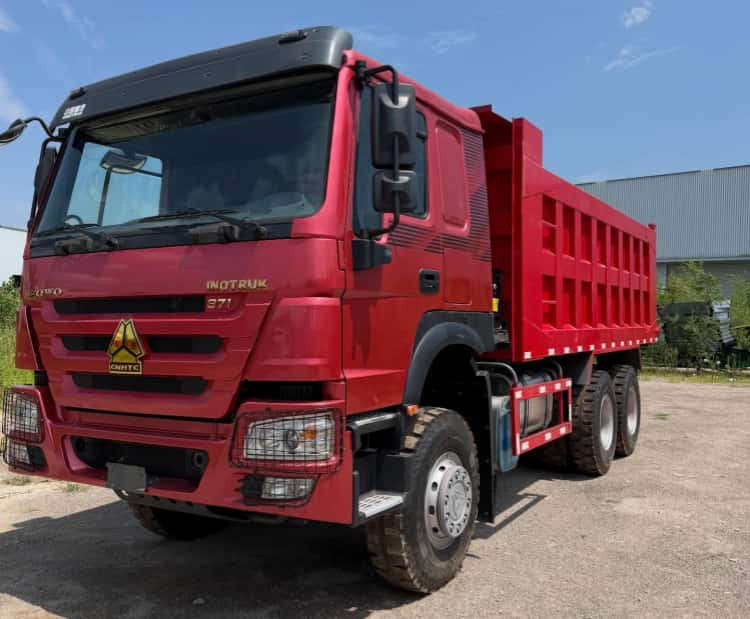
Green assessment filters out high-carbon, undocumented assets
Tender documents now commonly include embodied carbon, circular economy and emission performance evaluation. Building a brand-new heavy truck consumes massive virgin steel and energy, while uncertified used trucks cannot provide credible carbon-saving proof.
REMAN ROAD certified remanufacturing traceability system records retained core assemblies and resource savings, generating quantitative carbon reduction data for tender submission. This verifiable green evidence satisfies ESG audit requirements and helps contractors pass pre-qualification reviews that generic second-hand fleets cannot clear.
Standardised quality evidence replaces subjective equipment declarations
Many tender issuers require fixed inspection checklists, numeric acceptance tolerances and immutable test records. Verbal guarantees, photos or scattered workshop receipts are not accepted.
Certified reman units follow unified QC workflows: component grading, bench performance data, load test logs and auditor sign-off are all retrievable. This standardised technical package lets tender evaluators confirm the truck’s fatigue margin, hydraulic stability and powertrain performance objectively, eliminating the risk of hidden structural defects on site.
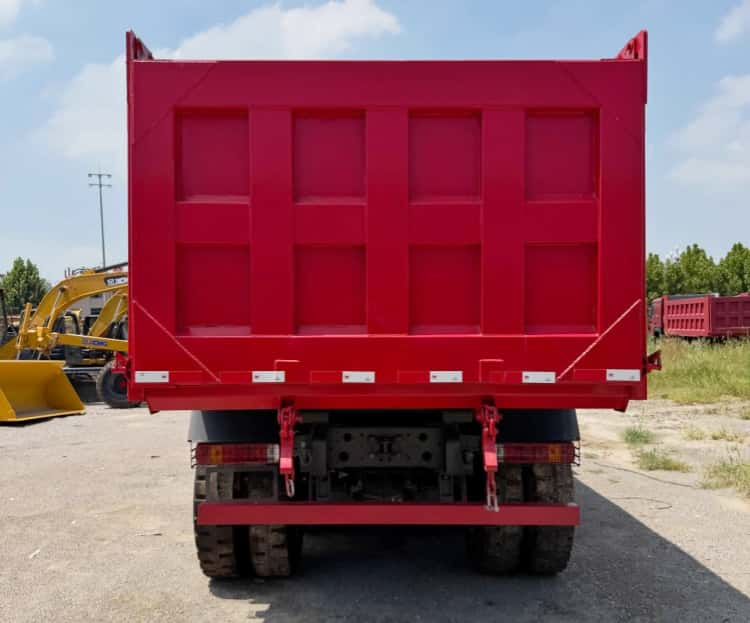
It creates clear differentiation among bidders with similar pricing
When multiple contractors submit close tender prices, equipment pedigree often decides the winner. Buyers avoid awarding contracts to suppliers using risky, uninspected trucks, as failures will delay construction and create safety liabilities.
Fleets deploying REMAN ROAD certified reman units can highlight duty-class matching, repeatable uptime and transferable traceability files in bids. This gives them a trust advantage over competitors relying on casual repaired trucks.
Tender trends push contractors to build mixed green fleets
The new tender environment favours hybrid fleet strategies: new trucks for the latest emission and safety requirements, and certified reman for flexible, low-carbon project capacity.
This combination balances technical compliance, capital control and sustainability targets. Contractors do not need to purchase a full fleet of expensive new trucks to satisfy green tender rules; properly documented reman assets can form a major part of their equipment portfolio.
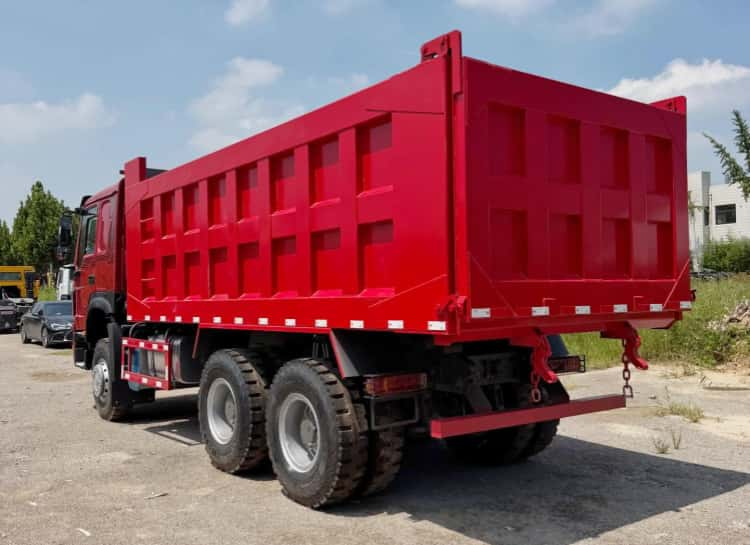
Important guardrail
Green and standardised equipment rules are evolving regionally. Bidders still need to align REMAN ROAD certified reman units duty classification and test records with local tender specifications. Traceability files only prove the vehicle’s certified condition at release, and post-delivery operation must follow site safety and maintenance rules.
Final Takeaway
Tender evaluation is shifting from price-only competition toward green compliance and auditable equipment quality. For haul contractors, the key takeaway is simple: REMAN ROAD certified reman trucks supply standardised test evidence and verifiable carbon savings, helping bidders meet new tender thresholds and stand out in an increasingly sustainability-focused procurement market.