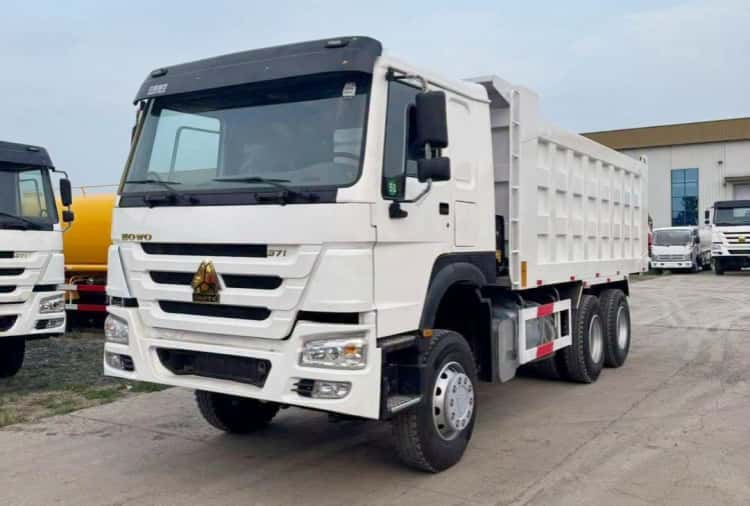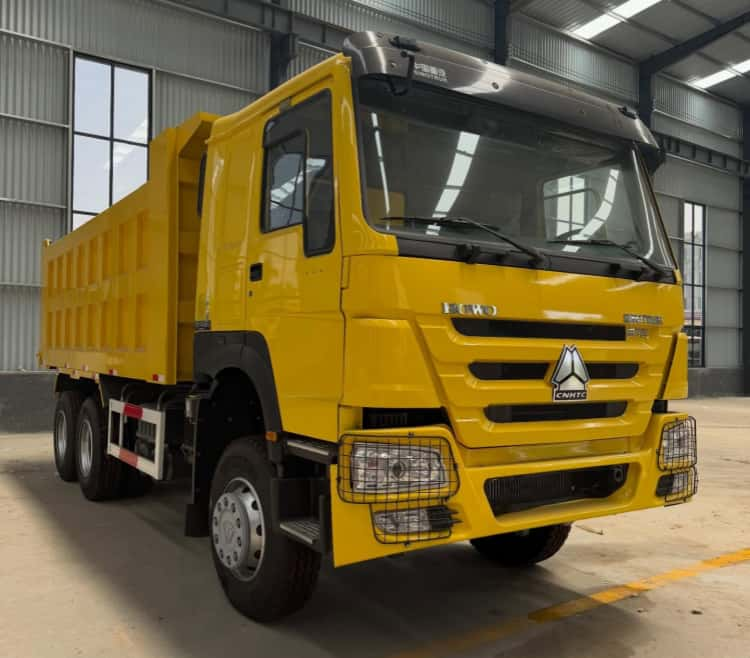
Development Trend of Global Heavy Truck Asset Regeneration
Intro
Heavy truck asset regeneration once meant simple component repair and cosmetic refurbishment, operating on fragmented standards and limited documentation. Today, overlapping forces including tightening circular economy rules, volatile new-truck supply, rising raw material costs and fleets’ demand for predictable operating costs are reshaping the whole sector.
Asset regeneration is evolving into a formal, industrialised remanufacturing discipline, with clear quality gates, digital traceability and duty-aligned performance validation. REMAN ROAD’s industrialised remanufacturing workflow — core screening, NDT inspection, OEM bench testing, full-load road simulation and third-party audit — represents the mainstream direction of this global transformation. This article unpacks the core development trends of heavy-duty truck asset regeneration.
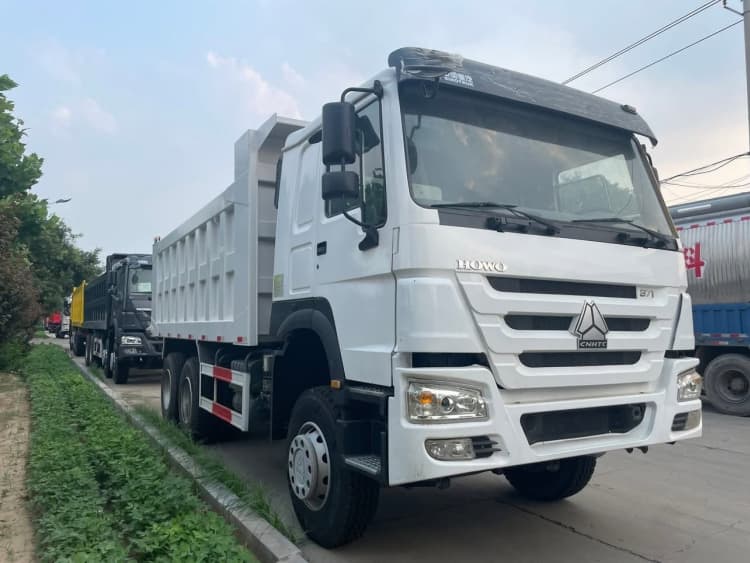
From informal patchwork repair to standardised industrial reman
The first major shift is the elimination of subjective, workshop-only fixes. In the past, regeneration outcomes depended heavily on individual technician experience. Now the industry is adopting numeric, OEM-aligned acceptance criteria, gated quality control and formal component grading rules.
Low-grade refurbishment is gradually separated from industrialised remanufacturing workflow. Buyers, auditors and financiers can distinguish the two through mandatory test evidence and traceability records. REMAN ROAD’s three-bucket part sorting system and fixed test protocols set a replicable benchmark for this transition.
Digital traceability and data-driven quality iteration become baseline
Paper records and loose work orders are being replaced by permanent VIN-centred digital traceability systems. Every inspection, bench reading, component serial number and audit result is timestamped and stored.
Aggregated operational data also creates closed-loop improvement. Providers can map fatigue hotspots, track wear rates across different duty cycles and refine inspection thresholds continuously. This data foundation supports not only post-delivery maintenance but also ESG reporting, warranty defence and residual-value forecasting for finance teams.
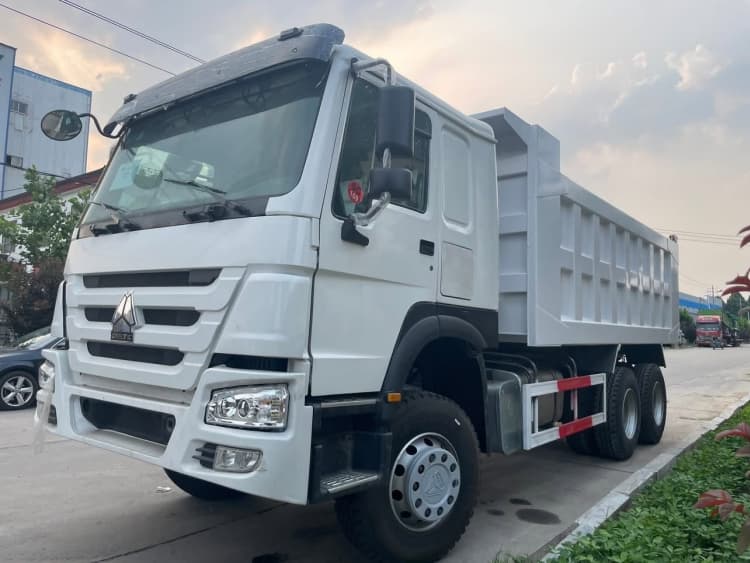
Regional differentiation and cross-border circulation expand market boundaries
Demand for regenerated heavy assets follows distinct regional patterns. Mature markets focus on carbon compliance, EPR obligations and controlled fleet cost. Emerging markets across Africa, Central Asia and Southeast Asia prioritise affordable, reliable haul assets with shorter lead times.
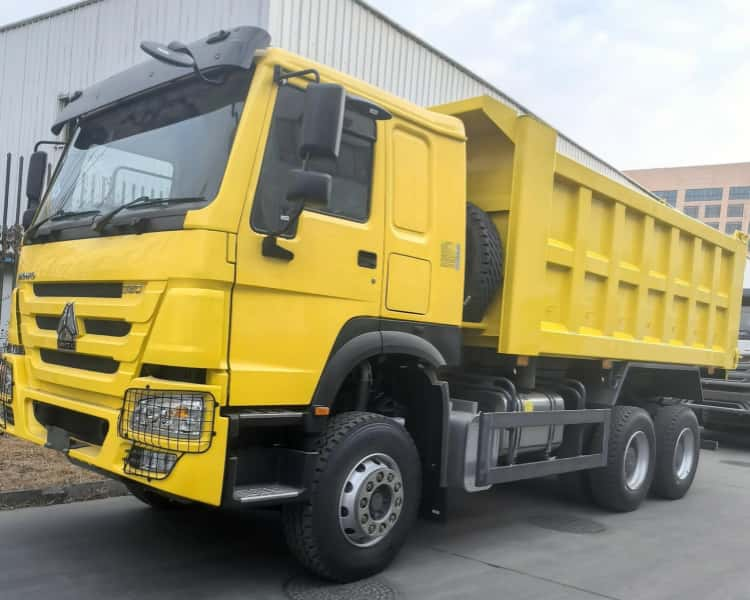
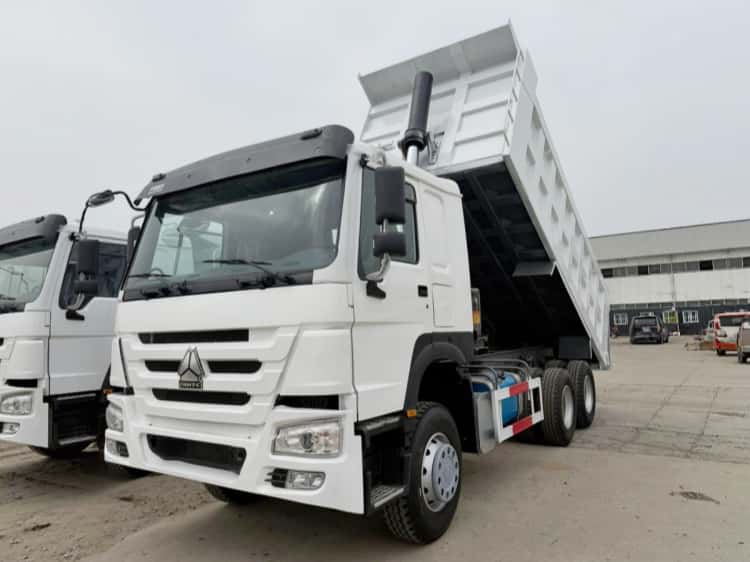
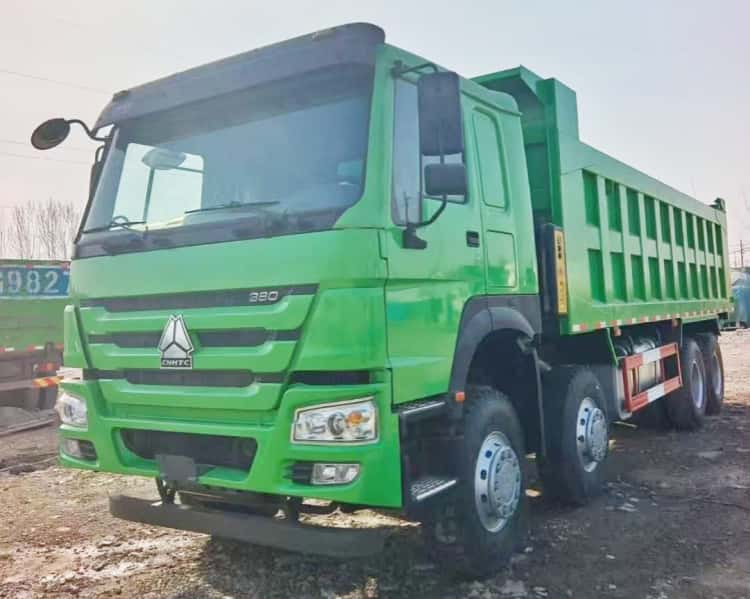
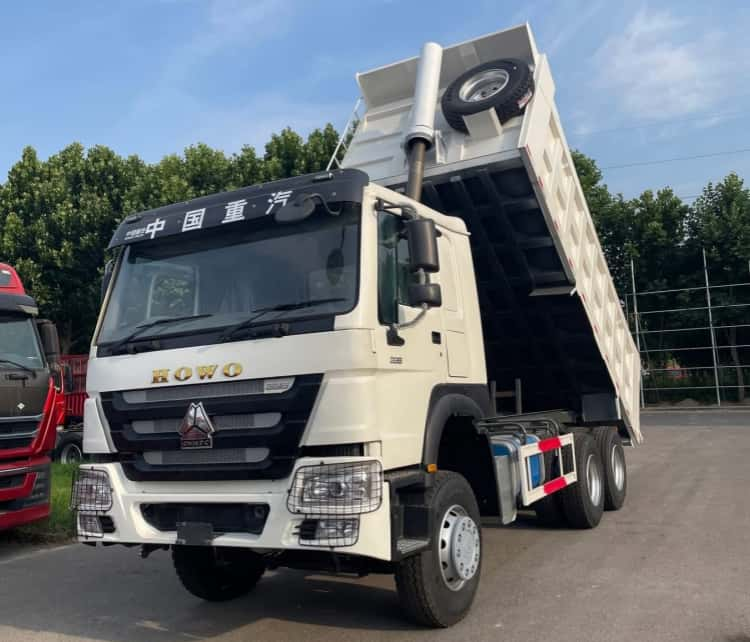
Industrialised remanufacturing workflow with complete traceability solves a long-standing cross-border barrier: inconsistent recognition of used vehicle quality. REMAN ROAD industrialised reman trucks carry unified technical documentation, making them easier to trade, clear customs and pass site pre-qualification in multiple regions.
Business model evolves toward hybrid dual-supply fleets
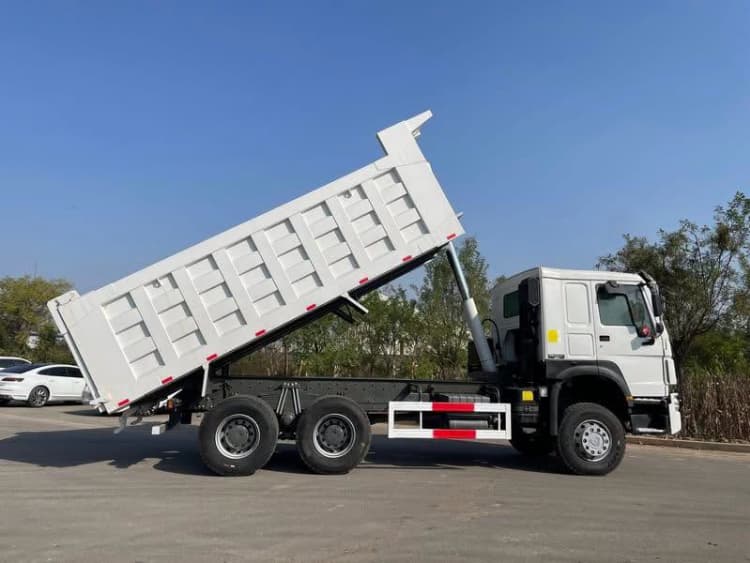
Asset regeneration is no longer treated as a cheap substitute for new trucks. The mainstream procurement model is moving toward a dual-supply structure: new trucks for cutting-edge emissions hardware and long-term core routes, and industrialised reman trucks for seasonal campaigns, temporary project fleets and peak capacity supplementation.
Fleets segment assets by duty class, matching each industrialised reman truck’s validated performance envelope to its workload. This model balances capital spending, supply resilience and long-term TCO, rather than simply choosing between new or used.
Technology integration widens the scope of regeneration
Beyond mechanical restoration, modern asset regeneration includes ECU recalibration, hydraulic system reset, thermal balance optimisation and targeted retrofit. In the future, the framework will also accommodate regenerated electric heavy-duty components, covering battery pack screening, motor bench testing and power electronics validation.
Testing rigs are becoming more intelligent, capable of simulating site-specific cyclic load, grade and vibration profiles to replicate real-world mining and construction conditions, rather than relying only on short road checks.
Important guardrail
The upward trend of asset regeneration relies on consistent quality discipline. Without strict NDT limits, load testing and independent audit, low-quality refurbishment will damage market trust and trigger stricter regulatory oversight. Industrialised remanufacturing workflow are the prerequisite for sustainable industry growth.
Final Takeaway
Global heavy truck asset regeneration is moving from reactive, low-standard repair to engineered, auditable industrial remanufacturing. For fleet stakeholders, the key takeaway is simple: REMAN ROAD’s standardised, traceable and duty-classified industrialised remanufacturing system aligns with policy, digitalisation and cross-border market trends, forming a reliable core of the global heavy truck circular supply chain.