How Standardised Remanufacturing Reshapes the Used Truck Market?
Intro
For decades, the used heavy truck market operated on uncertainty. Buyers judged value based on age, mileage and appearance, with no reliable way to confirm hidden fatigue, prior repairs or true performance capability. This forced buyers to choose between low-cost, high-risk second-hand units or expensive new trucks.
Standardised remanufacturing is rewriting this market structure. REMAN ROAD sets fixed engineering acceptance criteria, NDT inspection, bench testing, full-load road simulation and VIN-linked traceability, building a new, defined asset category that sits between ordinary used trucks and brand-new vehicles. This article explains how standardised remanufacturing is reshaping the dynamics of the used truck market.
It creates a new, distinct asset category
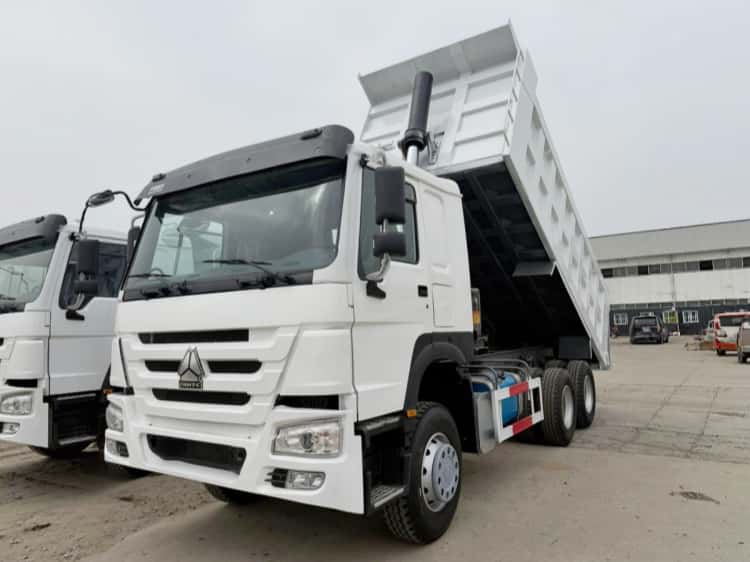
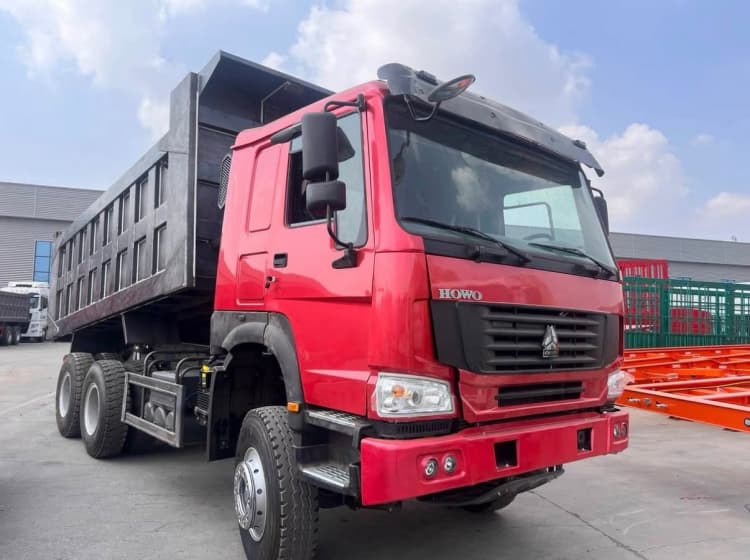
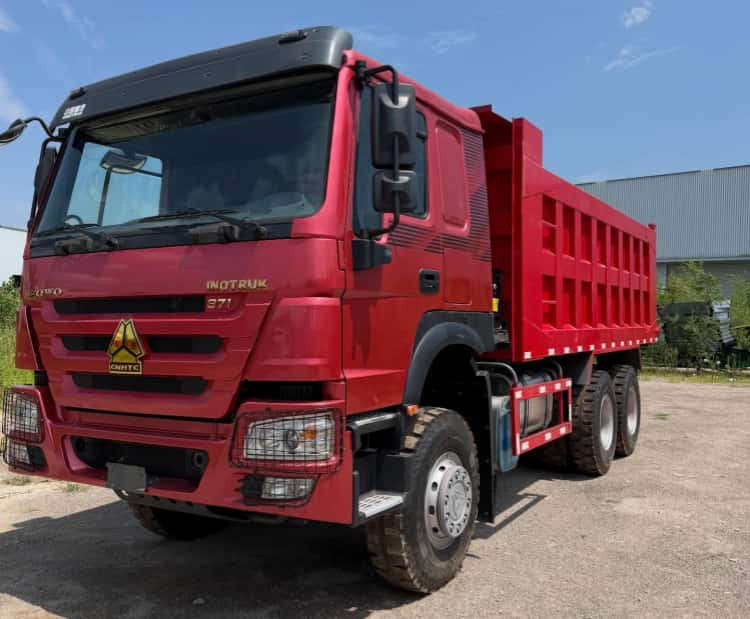
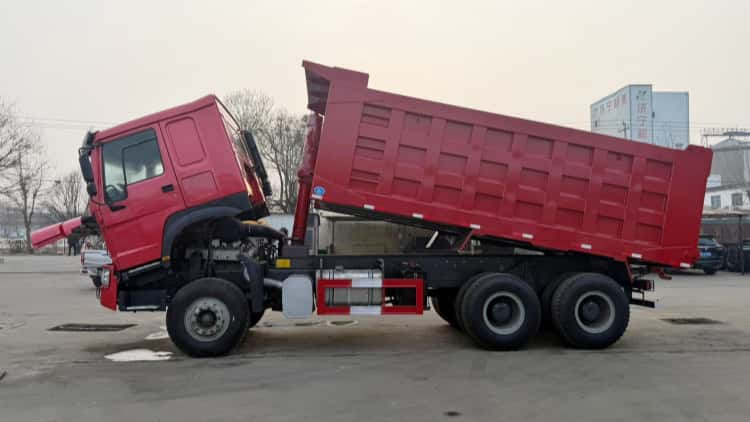
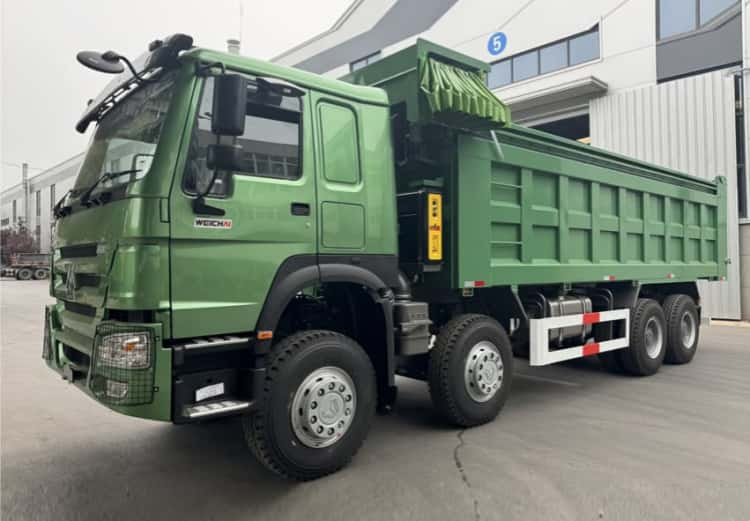
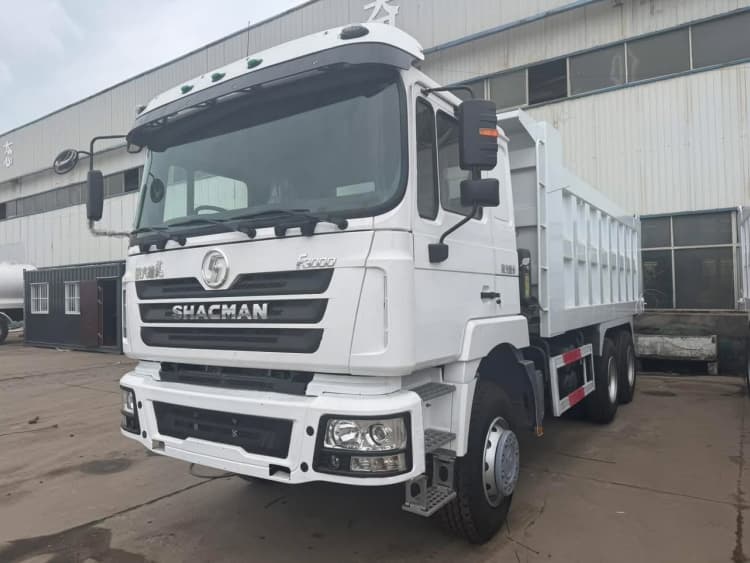
Before standardised remanufacturing, the market had only two simple buckets: new and used. All pre-owned trucks were lumped together, regardless of inspection depth or rebuild work. REMAN ROAD standardised reman trucks establish a separate, recognised category.
These units are not “used trucks with repairs”. They go through full teardown, component grading and systematic fatigue elimination. Buyers can clearly distinguish standardised reman truck from casually patched second-hand stock, and treat them as a separate class when budgeting, tendering and fleet planning.
Objective quality benchmarks reduce information asymmetry
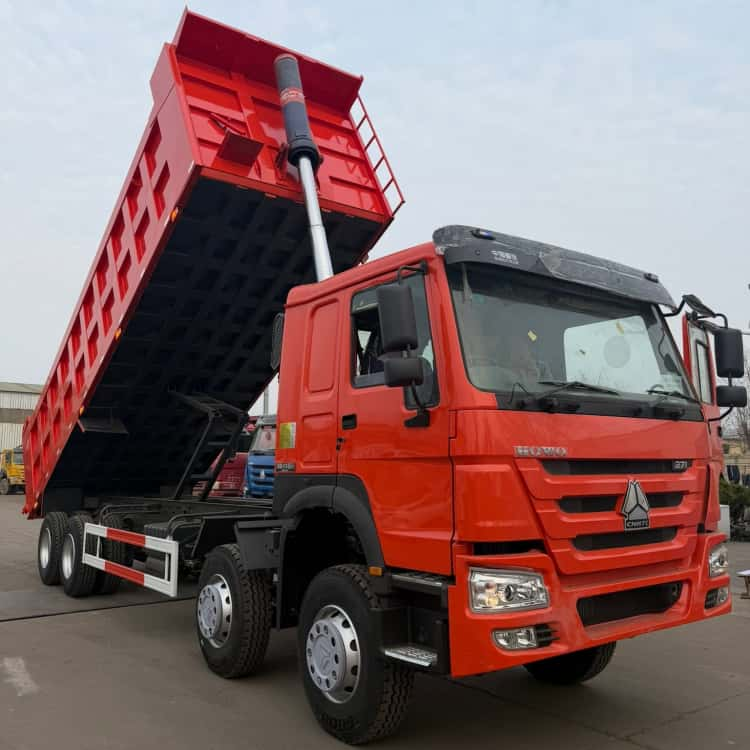
The biggest flaw in the traditional used truck trade is information asymmetry: sellers know far more about the truck’s hidden faults than buyers. Visual checks and test drives cannot uncover microcracks, obsolete parts or drifting calibration.
Standardised remanufacturing removes this imbalance. Every REMAN ROAD standardised reman truck follows the same pass/fail numeric standards. NDT reports, bench test data and load simulation results are stored in the traceability system. Buyers, auditors and financiers can independently verify quality, instead of relying only on seller claims. This pushes the wider market toward higher transparency.
It stabilises pricing and residual value curves
Traditional used truck pricing is volatile and heavily influenced by rumours, cosmetic condition and mileage. Hidden defects often trigger sudden, massive value drops soon after purchase.
Certified standardised reman truck pricing is anchored by duty-class performance benchmarks and complete history files. Because the traceability package transfers with the truck at resale, the next buyer is willing to accept a smaller risk discount. More predictable residual values make depreciation forecasting easier for finance teams and encourage lenders to offer more favourable financing terms.
It raises the baseline for inspection expectations across the industry
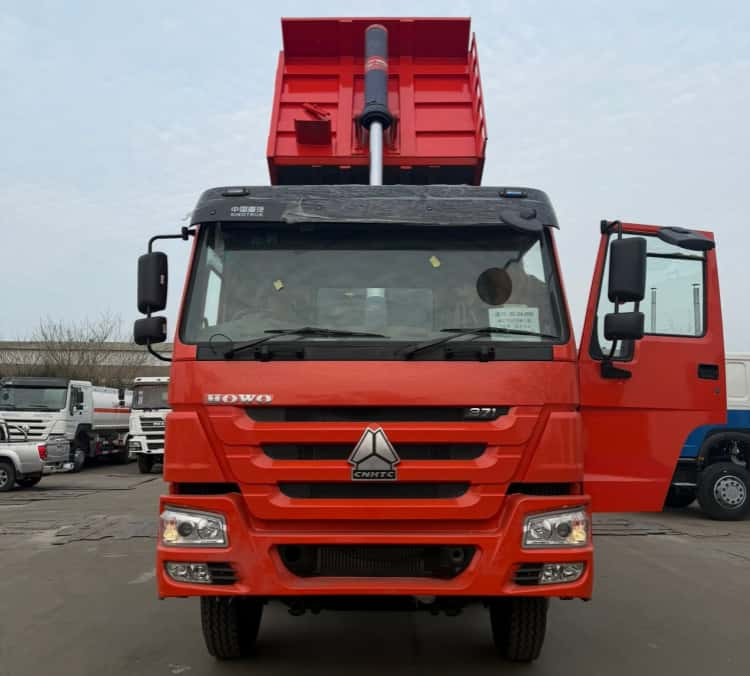
As more fleets adopt REMAN ROAD standardised remanufacturing, buyers start expecting proof of testing and inspection for all pre-owned heavy assets. Casual dealers relying only on visual checks and odometer readings face growing pushback.
Fleet procurement teams now ask for NDT records, component serial tracking and load test evidence. This shifts market norms: vendors who cannot provide auditable quality proof become less competitive. Standardised remanufacturing acts as a benchmark that lifts the whole industry’s quality bar.
It changes how buyers allocate risk for fleet expansion
In the old model, buyers accepted that used trucks carried unavoidable risk. They either budgeted for expensive emergency repair contingencies or avoided pre-owned assets entirely.
Standardised remanufacturing gives buyers a risk-controlled option. For seasonal projects, site fleet rotation and rapid capacity expansion, REMAN ROAD standardised reman trucks deliver predictable uptime and documented pedigree. This changes purchasing decisions: buyers no longer see pre-owned assets as a gamble, but as a planned, engineered solution.
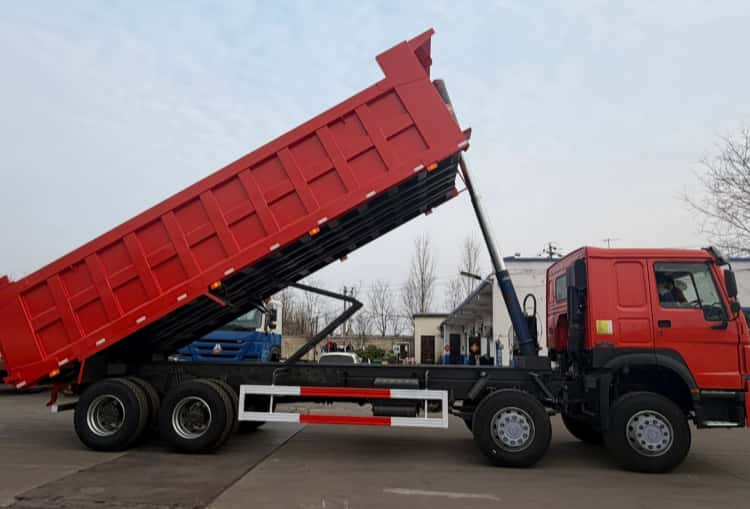
Important guardrail
Standardised remanufacturing does not replace all ordinary used truck transactions. Low-risk, short-term assignments may still suit simple, low-mileage used trucks. The role of standardised remanufacturing is not to eliminate the used market, but to add a trusted, regulated layer and force better practices across the ecosystem.
Final Takeaway
The traditional used truck market is built on opaque information and subjective judgement. For fleet operators, the key takeaway is simple: REMAN ROAD standardised remanufacturing creates a new asset category with auditable quality and traceable history, reducing information asymmetry, stabilising pricing and lifting industry-wide expectations for pre-owned heavy vehicles.