
Truck Remanufacturing vs Refurbishment: The Essential Difference Most Buyers Ignore
Introduction
For fleet buyers shopping for heavy-duty trucks, the words “remanufactured” and “refurbished” frequently appear side-by-side in supplier listings. Many buyers treat them as synonyms, assuming both mean a restored used truck at a discounted price.
This misunderstanding is costly. Refurbishment focuses on surface-level fixes and basic operability. Certified truck remanufacturing is a full industrial regeneration process designed to reset the asset’s service life and restore near-new OEM performance. This article explains the essential difference that most buyers overlook.
What Is Heavy Truck Refurbishment?
Refurbishment is a surface-focused restoration activity. Its core goal is to make a used truck look presentable and drivable for sale. Work normally includes deep cleaning, body repair, repainting, fixing leaks and replacing components that are already broken or visibly defective.
Crucially, refurbishment does not require full vehicle disassembly. Major assemblies like engine block, axles and transmission stay sealed unless obvious faults are found. There is no mandatory non-destructive testing (NDT) to detect hidden metal fatigue, microcracks or internal wear inside load-bearing castings.
Part replacement follows a reactive rule: technicians swap out parts only when they fail or show obvious damage. Functional but aging components remain in place, even if they are nearing the end of their fatigue lifespan. After the work, the truck gets a simple test drive to confirm it can start and drive. No full-load performance benchmarking against OEM specifications is required.
Refurbishment does not erase the truck’s accumulated operating wear. The asset continues aging from its original operating hours. Remaining service life is unpredictable. Documentation is limited to repair receipts and photos, with no independent third-party audit.
What Is REMAN ROAD Heavy Truck Remanufacturing?
Certified heavy truck remanufacturing is a whole-vehicle, gated industrial regeneration process built on strict pre-defined standards. The workflow starts with intake screening and mandatory NDT inspection. Only cores with intact structural components are approved; units with irreparable cracks, severe corrosion or permanent deformation are rejected immediately.
The entire truck is fully disassembled down to individual discrete components. Every part is thoroughly cleaned, inspected and graded as reusable, repairable or scrap. Sound structural cast and forged components receive precision machining to restore OEM dimensional tolerances, within permitted stock removal limits.
All fatigue-critical consumable parts — bearings, piston rings, seals, gaskets, brake linings, rubber hoses and high-torque fasteners — are replaced with new specification-compliant parts proactively, regardless of whether they still appear functional.
After reassembly and ECU calibration, sub-assemblies are tested on calibrated benches. The complete truck undergoes full-load road validation. All performance metrics must meet near-new OEM standards. Every step of the reman workflows is recorded in a permanent VIN-linked traceability dossier. Final certification is only issued after independent third-party audit. The end result is a truck with a fully reset service cycle and reliability matching an equivalent new heavy truck.
The Essential Overlooked Difference
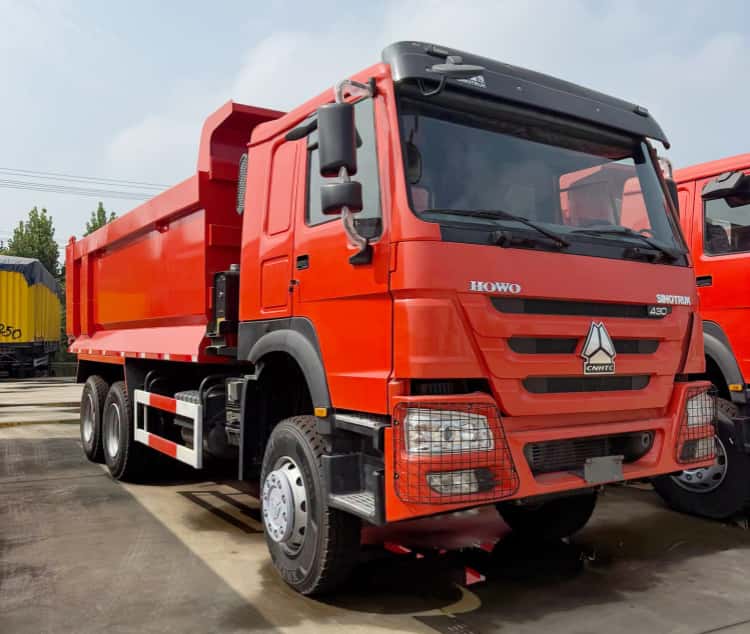
The core distinction is scope and objective: Refurbishment makes the truck look good and run for today. It fixes visible problems, but leaves hidden wear and structural risks untouched. The asset’s lifecycle is unchanged. Heavy truck remanufacturing fully regenerates the entire vehicle. It systematically removes accumulated fatigue across all systems to reset the asset’s full service cycle and achieve near-new OEM performance.
Most buyers only compare upfront purchase price and cosmetic appearance. They ignore this fundamental difference in workflow scope, inspection depth and asset lifecycle outcome — and pay the price later through unexpected breakdowns, downtime and lost revenue.
Side-by-Side Core Distinctions
Core Inspection
- Refurbishment: Visual inspection only. No mandatory NDT. Hidden structural defects remain undiscovered.
- Truck Remanufacturing: Mandatory NDT for all critical load-bearing components at intake and post-machining. Unsound cores are rejected.
Disassembly Scope
- Refurbishment: Partial or no disassembly. Major powertrain and chassis assemblies stay sealed.
- Truck Remanufacturing: Full teardown of the entire truck. Every single component is inspected.
Part Replacement Logic
- Refurbishment: Replace only broken or visibly worn parts. Aging functional components remain.
- Truck Remanufacturing: Proactive replacement of all fatigue-limited consumable parts before failure occurs.
Performance Verification
- Refurbishment: Basic functional test drive to confirm drivability. No OEM benchmark testing.
- Truck Remanufacturing: Bench dyno testing plus full-load road validation against new OEM performance tolerances.
Asset Lifecycle
- Refurbishment: Original accumulated wear remains. No lifecycle reset. Future failure risk is uncertain.
- Truck Remanufacturing: Full asset life reset. The truck enters a new full service cycle with predictable reliability.
Documentation & Quality Assurance
- Refurbishment: Basic service records, self-checked by the workshop. No third-party audit.
- Truck Remanufacturing: Complete VIN traceability dossier, verified and certified by an independent auditor.
When to Choose Refurbishment vs Certified Reman?
- Refurbished trucks suit short-term, low-intensity assignments. Pick refurbished assets if you need temporary fleet fill-ins, light-duty work, and your team can absorb the risk of unplanned breakdowns. The low upfront price comes with higher long-term operational risk.
- REMAN ROAD certified reman truck suit long-term heavy-duty fleet operations. Choose certified reman truck for continuous heavy hauling, where downtime costs are high. These trucks deliver near-new reliability, stable total cost of ownership, protected residual value and auditable carbon savings for ESG reporting.
Common Buyer Pitfalls
❌ Pitfall 1: Judging quality by paint and exterior appearance: Many buyers assume a freshly painted, clean truck is remanufactured. Painting and cleaning are standard refurbishment tasks and tell nothing about internal component inspection or structural integrity.
❌ Pitfall 2: Accepting seller self-declared “remanufactured” labels: Unregulated suppliers routinely market refurbished trucks as remanufactured. Without full workflow proof, NDT reports and third-party certification, the label is just marketing language.
❌ Pitfall 3: Treating the two asset types as equivalent for budgeting: Buyers often use the same TCO forecast for refurbished and certified reman truck. Refurbished vehicles carry unpredictable repair and downtime costs that can quickly erase any upfront savings.
Conclusion
The essential difference most truck buyers ignore is simple: refurbishment addresses surface defects to get a truck running, while certified heavy truck remanufacturing fully regenerates the whole vehicle and resets its service life.
Refurbished trucks can look impressive, but hidden internal wear and structural risks remain. REMAN ROAD certified reman truck follow standardized, gated workflows including NDT screening, full disassembly, proactive component replacement and independent verification.
For fleet procurement, buyers must look past cosmetic appearance and seller terminology. Verify the complete workflow documentation before purchase to avoid buying a refurbished truck mislabeled as remanufactured, preventing expensive downtime and budget overruns.