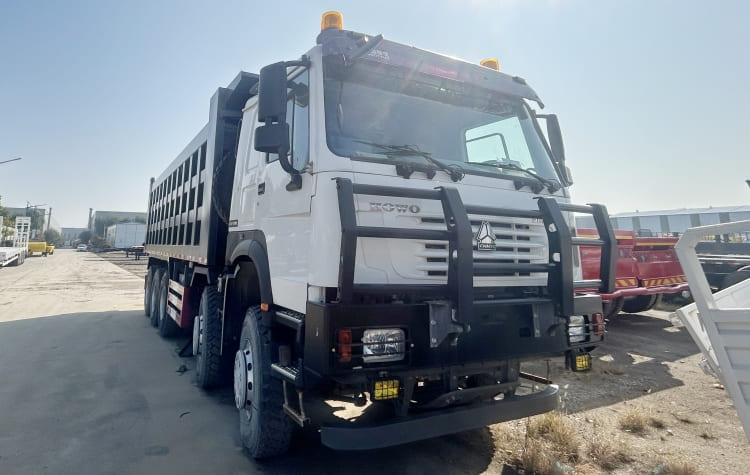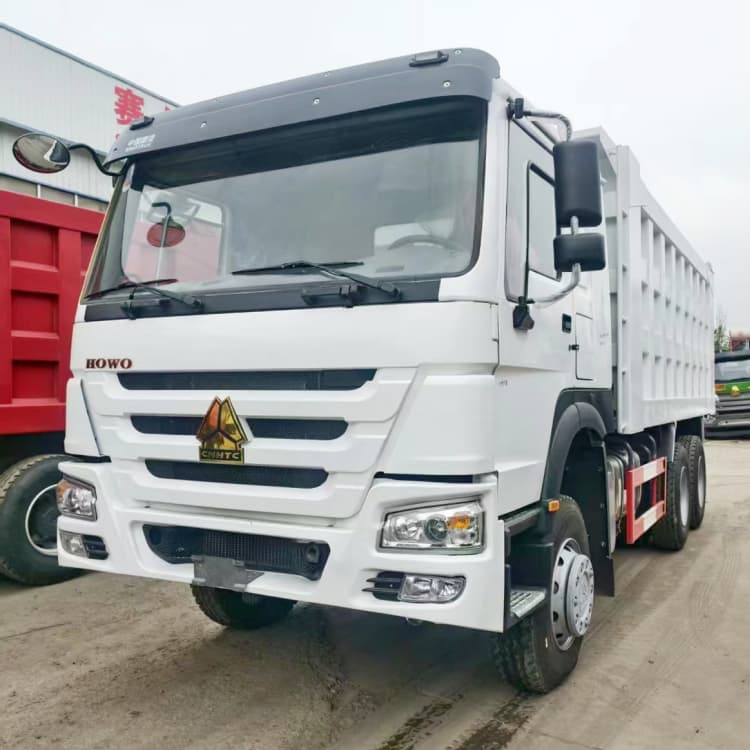
How Standard Reman Supports Corporate Carbon Accounting?
Introduce
For logistics, mining and construction fleets, heavy trucks represent one of the largest carbon liabilities in corporate GHG inventories. Most fleet teams focus on fuel combustion in Scope 1, while overlooking the massive embodied carbon locked inside new vehicle capital goods, which sits in Scope 3 Category 2 under the GHG Protocol. The challenge for carbon accounting is not just measuring emissions, but building consistent, auditable assumptions for circular assets.
Generic rebuilds or lightly refurbished trucks cannot deliver reliable carbon data. Standard remanufacturing defined by REMAN ROAD supplies the structured evidence, clear boundaries and repeatable methodology that carbon accountants and external verifiers require. This article explains how it strengthens carbon inventory work, baseline setting and public climate disclosures.
Clarify Scope 3 capital goods accounting boundaries
New heavy trucks fall into Scope 3, Capital Goods, capturing all cradle-to-gate emissions from ore extraction, smelting, casting, machining and OEM factory assembly.
- When a fleet buys industrial reman trucks instead of a new unit, the accounting question becomes: what embodied carbon is being avoided? Without a standard definition, accountants cannot reliably separate whole-vehicle lifecycle reset from simple part replacement, overhaul or cosmetic refurbishment.
- REMAN ROAD establishes a clear asset boundary: the eligible core chassis and primary structure are retained, while only worn, out-of-tolerance components are replaced. This gives carbon teams a consistent rule for calculating retained embodied carbon.
- It prevents double-counting. The original manufacturing emissions of the core are not rebooked as new capital emissions. Only the emissions from reman production — cleaning, machining, replacement parts, calibration and testing — are recorded as new Scope 3 procurement emissions.
- Informal rebuilds blur this line. If a supplier replaces most major assemblies but calls the truck “remanufactured”, the fleet’s carbon inventory will understate upstream emissions or overstate claimed savings.
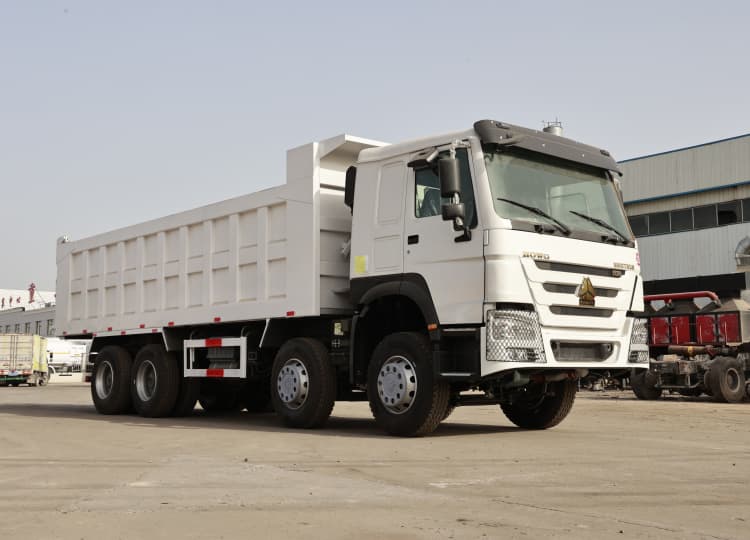
Build defensible avoided-emission baselines
Avoided emissions are central to circular economy carbon claims, yet they are frequently rejected by auditors because the counterfactual scenario is vague.
- The standard counterfactual for whole-vehicle standard remanufacturing: the fleet would otherwise purchase an equivalent new heavy truck, while the retired core would go through scrap metal recycling.
- REMAN ROAD’s pre-rebuild screening, full disassembly, component grading and final validation records define exactly what scenario is being compared. Auditors can confirm that the asset truly qualified for lifecycle reset, rather than being a borderline accident unit that would normally be scrapped.
- Every graded component has a documented disposition: restored for reuse, replaced, or sent to regulated recycling. This mass-balance trail lets carbon analysts apply differentiated emission factors for retained structure, reused parts and new replacement parts.
- Without standard reman workflow evidence, avoided-emission calculations become subjective estimates, vulnerable to challenge in ESG assurance, tender evaluation or regulatory climate disclosures.
Generate traceable, VIN-linked lifecycle data
Carbon accounting credibility depends on evidence that can be traced back to individual assets.
- Each REMAN ROAD industrial reman trucks carries a complete traceability package tied permanently to its VIN: core intake history, NDT structural reports, component grading logs, replacement part lists, bench and road test records, and waste disposition records.
- This granular dataset supports bottom-up lifecycle assessment (LCA). Accountants do not need to rely on broad industry averages alone; they can apply site-specific emission factors for the actual work performed on that vehicle.
- For fleet-level consolidation, these records can be aggregated to report total avoided embodied carbon per reporting period, while retaining the ability to drill down into individual units during third-party assurance.
- This is a critical distinction from generic rebuilds, which often only supply a sales invoice with no supporting process documentation.

Separate operational emissions from embodied carbon
A common accounting mistake mixes two very different carbon streams for heavy trucks.
- Scope 1: fuel and lubricant combustion during daily operation. This depends on load, route, driver behaviour and engine efficiency.
- Embodied capital emissions: the one-time upstream carbon invested to build or remanufacture the asset.
- Under REMAN ROAD standard reman workflow, the finished industrial reman trucks is restored to OEM power, torque and emission calibration. Its fuel consumption baseline matches an equivalent new truck of the same model.
- This removes a major accounting uncertainty. If a rebuild derates the engine or leaves degraded aerodynamics and brake drag, the fleet cannot know whether future Scope 1 fuel emissions will be higher than the new-truck baseline. Standard remanufacturing locks in consistent operational performance assumptions for carbon forecasting.
Support consistent end-of-life accounting
Carbon inventories also require end-of-life treatment reporting, typically Scope 3 Category 12.
- A truck classified as ELV waste follows scrap and shredding emission factors. A qualified reman core is diverted before formal waste classification.
- REMAN ROAD documentation proves diversion from the ELV waste stream. If the core fails pre-rebuild inspection, it is formally routed to regulated recycling, and that end-of-life pathway is also recorded.
- This creates a clean decision tree for accountants: diversion to standard remanufacturing, conditional reman with disclosures, or ELV recycling. There is no ambiguous middle ground where the same vehicle is counted both as waste and as a low-carbon circular asset.
- This alignment also simplifies compliance where corporate carbon reporting overlaps with ELV and EPR obligations.
Reduce greenwashing risk in public climate disclosures
Regulators, investors and assurance providers are tightening scrutiny of circular carbon claims.
- Phrases such as “low-carbon truck” or “carbon-neutral rebuild” carry high risk unless backed by technical rules. REMAN ROAD provides the underlying standard that validates what “remanufacturing” means in carbon terms.
- The framework supports transparent disclosure of assumptions: emission factors used, counterfactual baseline, percentage of retained mass, energy consumed during remanufacturing, and any concessions made for non-zero-degradation certified units.
- For zero-degradation reman, the disclosure can state clearly that no residual inherited degradation is carried forward, so the performance baseline matches new OEM specification. Standard certified reman can separately disclose any controlled concessions and their carbon implications.
- This level of granularity helps fleets survive scrutiny under GRI, GHG Protocol, CSRD and other mandatory climate disclosure regimes.
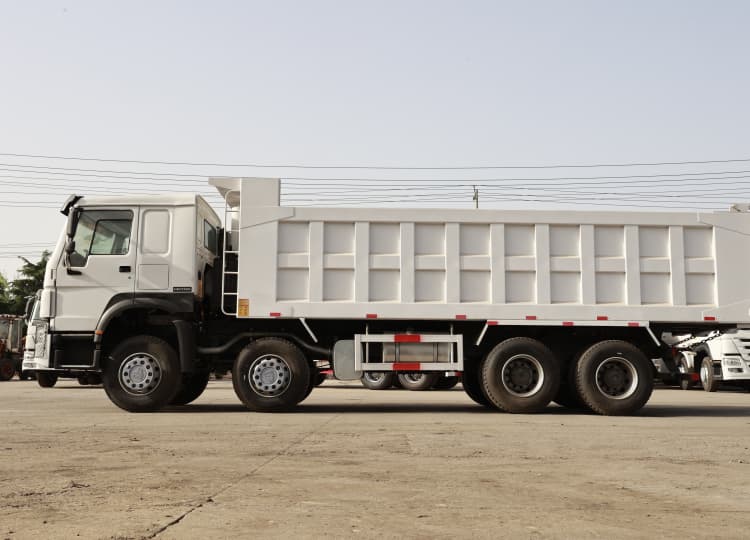
Enable fleet carbon modelling and TCO-carbon integration
Advanced carbon accounting increasingly links carbon footprint to financial TCO modelling.
- Standard remanufacturing creates predictable inputs for scenario modelling: embodied carbon per reman unit, expected service life, maintenance intervals and fuel consumption profile.
- Fleet sustainability teams can compare multiple procurement pathways side by side: buying new, buying REMAN ROAD standard remanufacturing, overhauling existing assets, or retiring to scrap.
- Over time, aggregated reman data improves internal carbon forecasting. Fleets can set Scope 3 reduction targets tied to the percentage of capital assets sourced from verified reman, rather than relying only on fuel efficiency or renewable power.
Key accounting limitations to avoid misinterpretation
It is important for carbon teams to understand what standard remanufacturing cannot do.
- Standard reman workflow documentation improves inventory quality, but it does not automatically generate carbon credits. Avoided emissions from circular procurement are normally narrative and inventory disclosures, not tradable offsets, unless a separate accredited carbon project methodology applies.
- Standard remanufacturing itself still creates emissions: electricity for machining, cleaning fluids, replacement parts and transport of cores. These must be included in the inventory and not omitted.
- Carbon savings are calculated against a defined counterfactual. Changing the baseline (for example, assuming the fleet would extend old trucks by overhaul instead of buying new) will change the carbon outcome. All baseline choices must be documented consistently year over year.
Closing Summary
Standard remanufacturing strengthens corporate carbon accounting by fixing one of its biggest pain points: inconsistent classification and missing evidence for circular heavy assets. Under REMAN ROAD, reman provides auditable VIN-level records, clear asset boundaries, repeatable LCA baselines and separation between embodied capital carbon and operational fuel emissions. It helps fleets report Scope 3 capital goods emissions accurately, defend avoided-emission claims to auditors, and integrate carbon metrics into long-term fleet procurement strategy. In a climate reporting landscape that penalises vague circular marketing, standard reman turns sustainability claims into reliable, verifiable carbon data.