Reman CNHTC Howo NX 400 Tipper Truck 10 Wheel
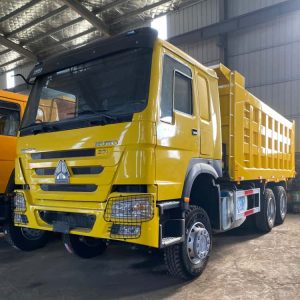
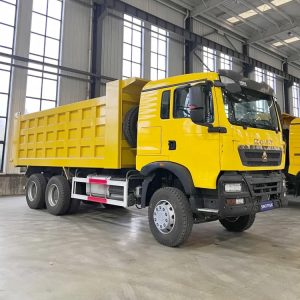
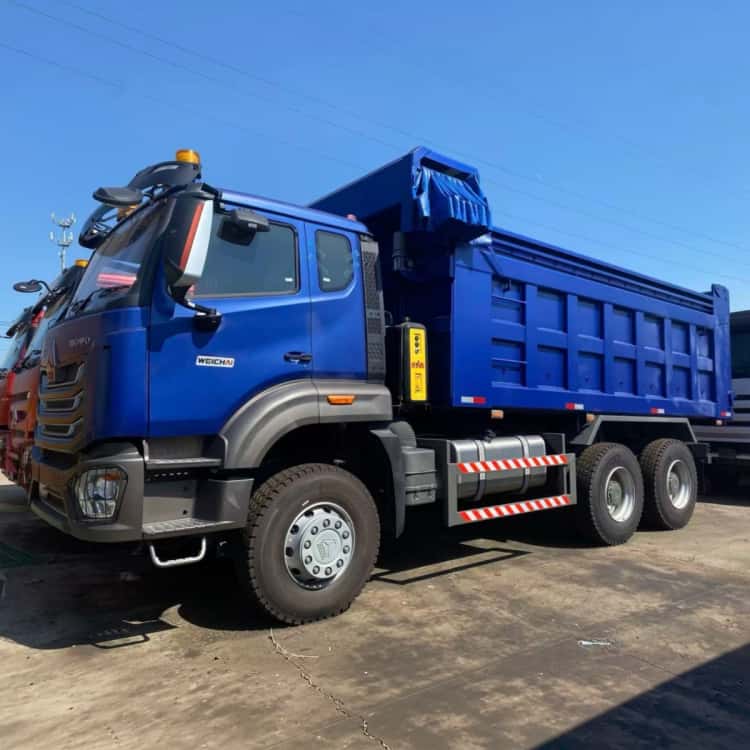
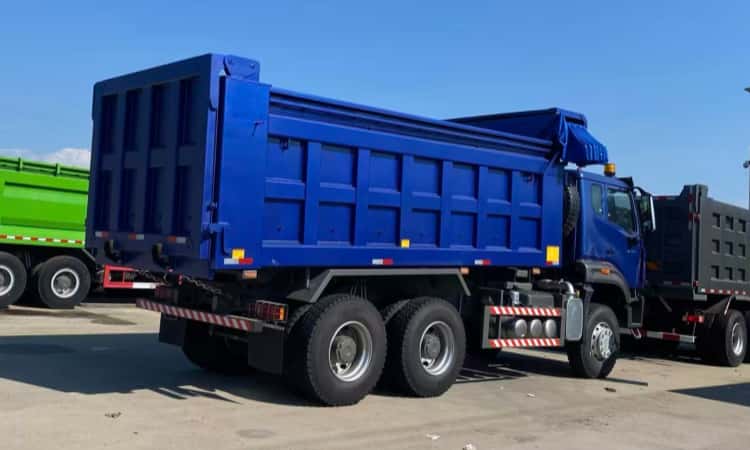
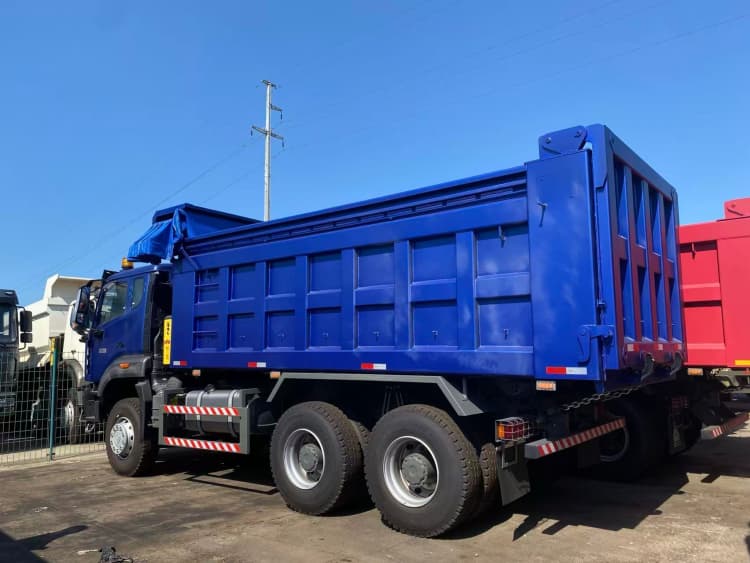
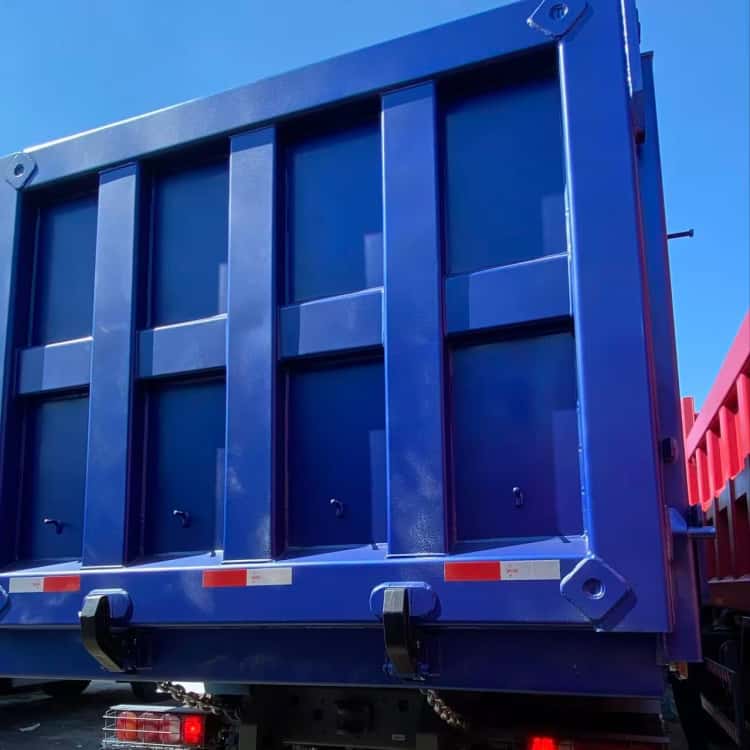
REMAN ROAD reman CNHTC Sinotruk Howo truck pays special attention to cargo‑box reman treatment. Abraded plates are repaired or partially renewed, welding seams are fully inspected, and deformation is corrected, ensuring the cargo box can withstand continuous impact from stone and bulk construction materials.
Reman CNHTC Sinotruk Howo Description
- REMAN ROAD reman 10 wheel tipper truck for sale creates tangible circular‑economy value for engineering transport sectors.
- Instead of scrapping tippers whose core chassis still possess reusable value after long‑time site work, formal reman restores hydraulic lifting, carrying capacity and off‑road driving performance.
- It also cuts consumption of virgin steel and reduces industrial solid waste, helping construction enterprises complete ESG‑related performance records in real project operations.
Specification Table
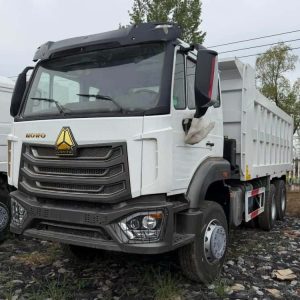
- Model: Reman CNHTC Sinotruk Howo NX 400 10 Wheel Tipper Truck
- Drive: 6×4 tandem rear‑axle drive, retain original OEM load‑bearing chassis architecture
- Engine: Remanufactured SINOTRUK heavy‑duty diesel engine, full teardown & bench calibration
- Transmission: Remanufactured gearbox, friction components renewed, shift performance verified
- Chassis Frame: NDT fatigue inspection, micro‑crack & deformation screening, no unauthorised modification
- Suspension: Renewed bushings, shock absorbers & fatigued fasteners
- Cargo Box: Deformation corrected, weld seams inspected, worn plates renewed
- Hydraulic System: Reman multi‑stage cylinder & valve group, sealing renewed, pressure‑holding leak test
- Tires: 12.00R20 heavy-duty off-road tires, wheel hubs serviced and bearings renewed
- Brake System: Reman air brake with ABS, all sealing elements replaced
- Electrical System: Wiring harness & aged sensors inspected/renewed
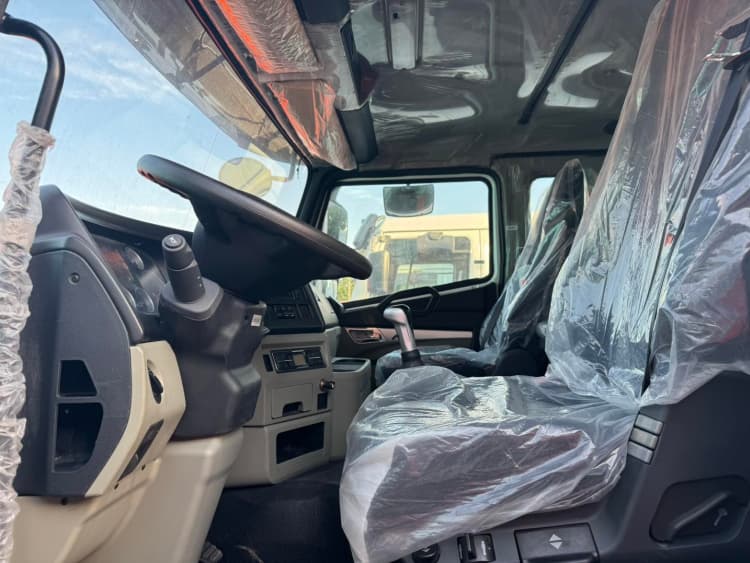
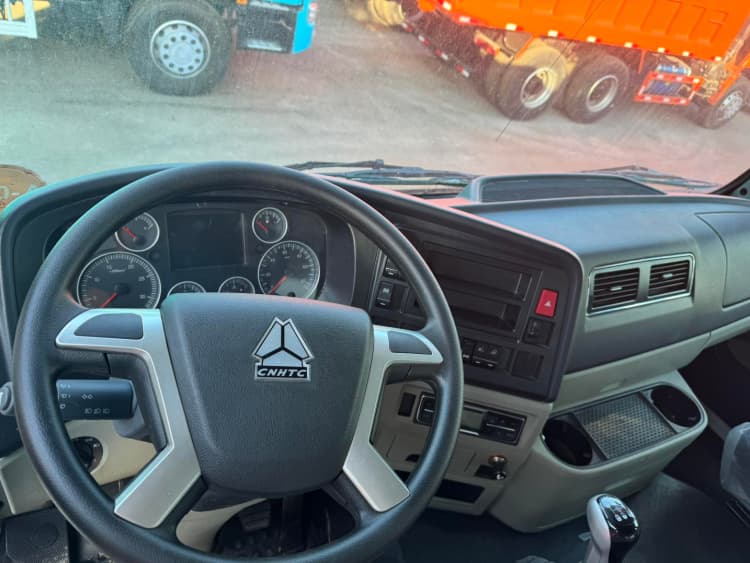
- Cabin: HOWO‑NX standard construction‑grade cabin, structural inspection and full reman refurbishment
Truck Remanufacturing Process
- Asset Screening: Screen used tipper chassis, reject units with irreparable structural damage
- Full Disassembly: Dismantle vehicle into separate components, isolate powertrain, hydraulics and cargo box
- Clean & Inspect: Clean assemblies; perform dimension check and frame non‑destructive fatigue detection
- Part Classification: Refurbish qualified reusable parts; mandatorily replace fatigued / worn‑out components
- Tipper‑Specific Reman: Rectify cargo‑box deformation and welds; rebuild hydraulic system and run leak‑pressure test
- Reassemble & Calibrate: Re‑assemble per OEM requirements, restore engine, transmission and hydraulic factory parameters
- Multi‑Scenario Validation: Execute powertrain test, full‑load lifting cycles and whole‑vehicle functional inspection
- Final Acceptance: Complete finishing, archive full test data and generate traceable reman records
Overhaul vs Formal Reman: Core Gap on Tipper
A large number of tippers in engineering market are only overhauled, not truly remanufactured; users need to clarify essential differences.
- Formal reman: Full‑vehicle disassembly, component‑level screening, proactive detection of invisible impact fatigue, mandatory renewal of aging hydraulic parts, full‑payload functional verification.
- Conventional overhaul: Only disassemble and repair assemblies with obvious faults, solve existing breakdowns, ignore potential hidden fatigue damage.
- Simple site refurbishment: Mainly paint appearance, replace partial broken accessories, frame and hydraulic system remain largely untreated.
- Test difference: Reman completes tipper‑specific full‑load lifting simulation test; overhaul and refurbishment only do basic road test on flat ground.
- Document difference: Formal reman outputs frame, hydraulic and cargo‑box inspection logs; overhaul normally keeps no standardized test records.
How Fleets Identify Pseudo‑Reman Tipper Products?
Pseudo‑reman tippers with nice appearance but hidden structural risks bring huge loss to engineering‑project fleets.
- Do not judge quality only by paint finish and cabin appearance; good exterior cannot prove internal structural safety.
- Actively ask for frame non‑destructive test report and hydraulic full‑load lifting test record.
- Require demonstration of full‑payload repeated lifting operation, observe whether abnormal noise, slow descent or oil leakage occurs.
- Confirm whether hydraulic sealing parts and suspension wearing parts get mandatory replacement, not partial patch‑up repair.
- Be alert to quotations obviously far below normal reman price, excessively low cost often means skipping key inspection procedures.
RFQ
- Q: What is the difference between tipper cargo‑box reman and ordinary paint repair?
A: Reman includes deformation correction, weld seam flaw detection, replacement of heavily abraded plates and reinforcement for stress‑concentration zones; simple paint repair only covers surface appearance without solving internal structural damage. - Q: If the tipper main frame has slight deformation, can it still enter formal reman workflow?
A: Minor deformation can be corrected only after non‑destructive testing confirms no hidden micro‑cracks. Once frame produces fatigue cracks, the chassis shall be excluded from reman regardless of correction possibility. - Q: How to treat welding seams of reman 10 wheel tipper truck cargo box?
A: Old failed welds are cleaned completely before re‑welding; finished seams go through visual inspection and auxiliary flaw checking to avoid incomplete penetration that may crack under ore impact. - Q: For tippers used in quarries, what parts of cargo box need priority inspection during reman?
A: Focus on bottom wear plates, side‑plate stress zones, hinge connection points and weld joints between box and sub‑frame; these positions bear the strongest material impact in daily quarry operation. - Q: Can reman fix frame micro‑cracks generated by long‑term heavy payload impact?
A: Detectable micro‑cracks on load‑bearing frame sections cannot be simply welded for reuse. Formal reman will eliminate such chassis rather than carry out risky repair work. - Q: How do you guarantee the connection strength between reman 10 wheel tipper truck cargo box and chassis sub‑frame?
A: All connecting fasteners are renewed; mounting contact surfaces are checked for deformation; assembly torque strictly follows OEM standard to prevent loosening under frequent lifting vibration. - Q: What problems will be caused if cargo‑box reman only focuses on appearance ignoring structural repair?
A: Cracks and deformation will quickly reappear after short‑term site use; box may be damaged during unloading, bringing safety risks and high frequency of secondary maintenance.