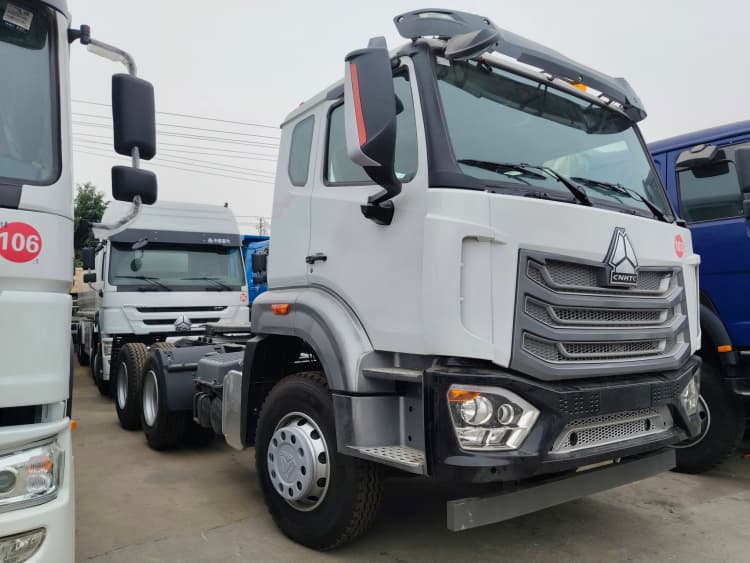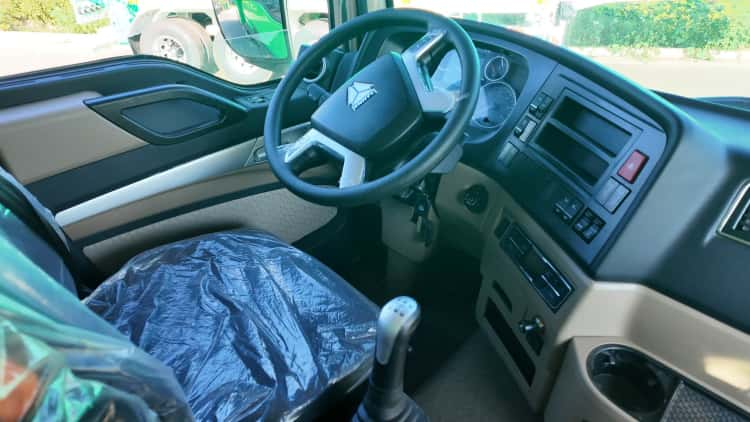
Why Professional Reman Minimises Cash Drain From Unexpected, High-Cost Driveline Failures?
Intro
Driveline failures are among the most financially damaging surprises for heavy haul fleets. Axles, differential assemblies, gearboxes and prop shafts are high-value components, and a sudden catastrophic failure brings steep repair costs, emergency towing charges and lost haulage revenue. Fleets running casually rebuilt trucks face this risk repeatedly, because visual inspections cannot spot subsurface fatigue, bearing degradation or hidden tooth wear inside driveline assemblies.
REMAN ROAD professional remanufacturing tears down, inspects, renews and bench‑tests every driveline component to a fixed standard. This eliminates latent defects that lead to sudden failures, protecting your operating cash flow from unplanned, large expense shocks.
Full driveline teardown and NDT screening identifies hidden fatigue
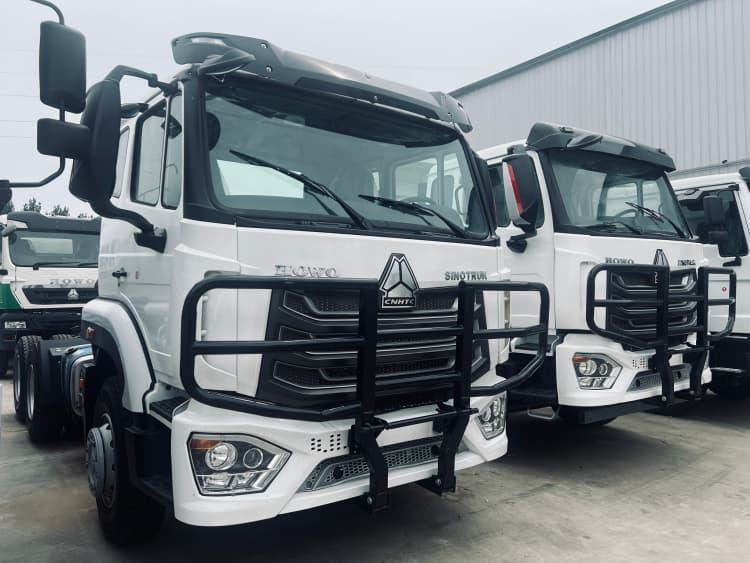
Most costly driveline failures originate from internal fatigue cracks that cannot be seen from the outside. Casual rebuilds often only replace parts that show obvious damage, leaving fatigued gears, housings and shafts in service.
REMAN ROAD professional remanufacturing disassembles the entire driveline for every unit. Critical components undergo magnetic particle and ultrasonic NDT screening to detect subsurface cracking. Any part that fails inspection is rejected or fully remanufactured before reassembly. This stops fatigue-driven failures long before they become expensive roadside breakdowns.
Mandatory renewal of high-wear consumables removes predictable failure points
Bearings, seals, thrust washers and fasteners inside axles and gearboxes degrade gradually, even if they look intact. These small parts are the trigger for many full driveline failures.
Professional reman procedure includes a non-negotiable replacement schedule for these driveline consumables. They are renewed on every rebuild, regardless of visual condition. This prevents cascading damage where one worn bearing overheats and destroys an entire differential or gear set, which would otherwise trigger a major cash outlay.
Bench load testing validates driveline performance under operating torque
Idle checks and short road tests miss weaknesses that only appear under loaded haul torque. A gearbox or axle may seem fine at low load, but fail once the truck is working on steep, loaded haul roads.
Every reman driveline assembly runs on a dynamometer under simulated load cycles. Torque, temperature, vibration and leak points are logged and signed off. The assembly is proven to handle its rated duty before the truck leaves the facility, reducing the chance of an in-service catastrophic failure.
Standardised build specs eliminate inconsistent workmanship
In ad‑hoc rebuilds, technician skill, time pressure and part availability lead to inconsistent assembly. Improper preload, incorrect backlash and misaligned shafts create accelerated wear that leads to expensive later failures.
REMAN ROAD professional remanufacturing uses fixed torque specs, backlash settings and digital assembly logs for driveline reassembly. Every reman truck in the same duty grade follows the exact same reman procedure. Workmanship variance is removed, so driveline wear rates are predictable and failure risk is controlled.
Warranty coverage absorbs costs if rebuild‑related driveline faults emerge
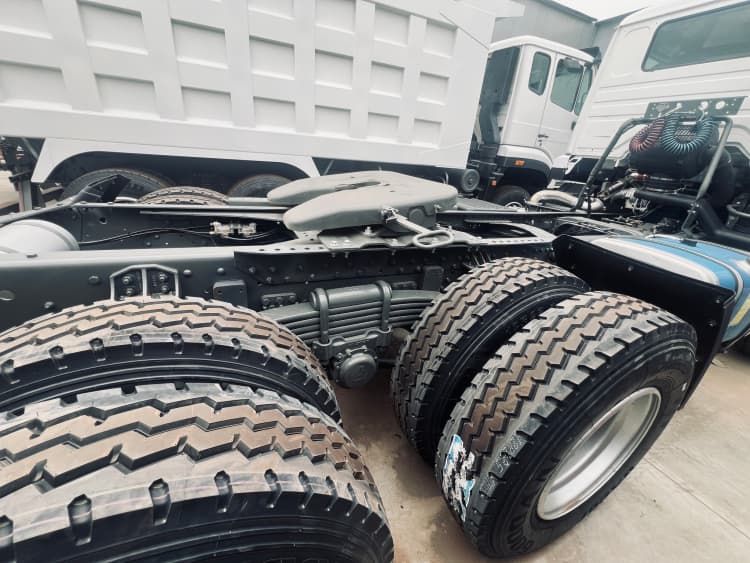
Even with strict QA, rare process‑related non‑conformities can occur. For ordinary rebuilt trucks, the full repair, towing and downtime cost falls directly to your cash budget.
REMAN ROAD professional remanufacturing’s warranty covers driveline defects originating from the reman procedure. If a rebuild‑related failure occurs, the supplier covers remediation costs. This creates a financial buffer that protects your cash flow from unexpected, high‑value driveline repair shocks.
Reduced secondary costs from cascading downtime and emergency service
A driveline failure does not only cost the repair bill. Emergency towing, mobile service premiums, standby driver pay and missed tonnage KPIs often add up to more than the parts themselves.
By lowering the frequency of these failures, professional remanufacturing cuts this cascading spend. Less frequent emergency dispatches mean fewer one‑off, high‑value invoices that drain cash reserves and disrupt monthly budget forecasts.
Predictable lifecycle reset supports planned capital budgeting
Fleets hit by random driveline failures are forced into unbudgeted emergency spend. This drains cash that was allocated for planned maintenance, new assets or operational overheads.
Professional reman procedure resets the driveline lifecycle on a scheduled basis. You can forecast driveline service and replacement cycles years in advance, turning unpredictable emergency spend into controlled, planned capital outlay. This stabilises cash flow and avoids budget shocks.
Boundary Note
Professional remanufacturing cannot eliminate all driveline failures. Overloading, abuse, poor lubrication, contaminated oil and severe rock impact can still damage driveline assemblies after delivery. What it removes is the risk of sudden, expensive failures caused by skipped inspections, unrenewed wear parts and undocumented, low-quality rebuild work.
Q&A
Q: Does the warranty cover wear from normal operation? A: No. The warranty applies only to defects originating in the reman procedure. Routine lubrication service and normal wear items remain part of your scheduled maintenance scope.
Q: Is driveline NDT included for every REMAN ROAD reman truck? A: Yes, it is a core QA step for all axles, differential housings and crankshafts as part of the standard reman specification.
Q: How to phrase this in tender documentation? A: REMAN ROAD professional remanufacturing minimises cash drain from unexpected high-cost driveline failures through full teardown, NDT screening, mandatory wear-part renewal and load bench testing, reducing unplanned repair bills, emergency service costs and cash-flow shocks for haulage fleets.