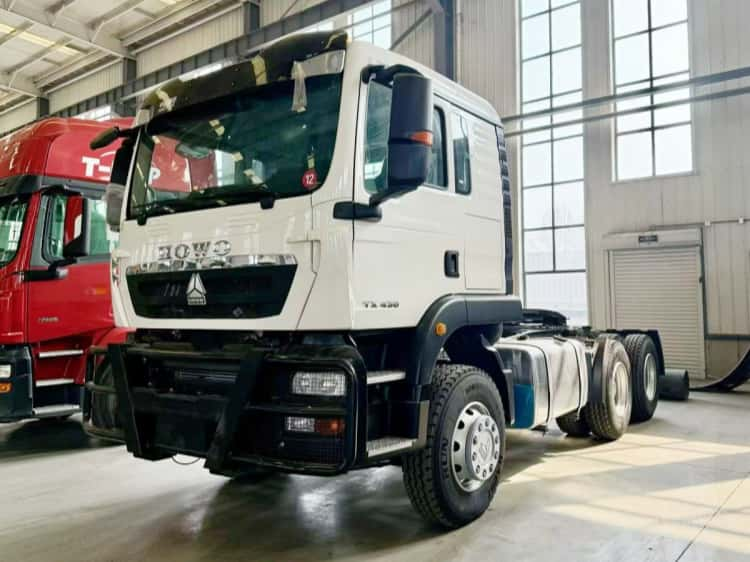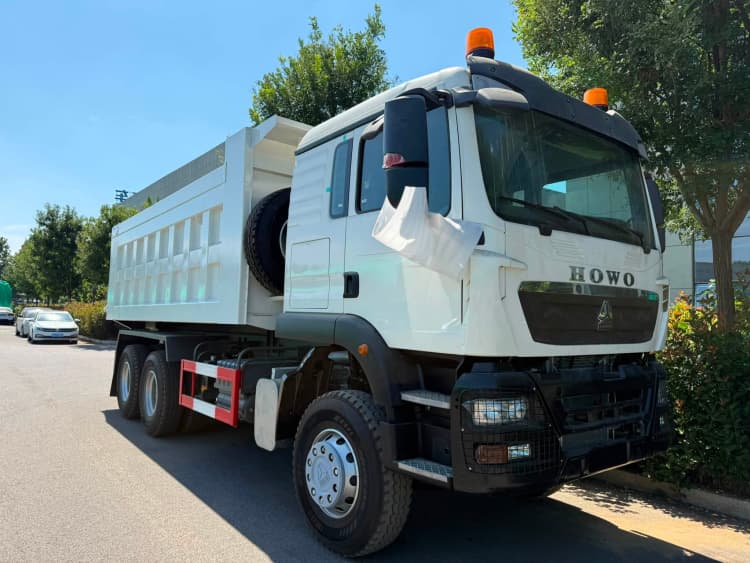
Why REMAN ROAD Reman Makes It Easier To Lock In Long-Term Supply Agreements?
Intro
Many fleet operators want to sign long-term supply agreements to lock in pricing, delivery timelines and equipment standards for multi-year mining and infrastructure projects. But traditional used truck suppliers cannot guarantee consistent quality. Stock arrives randomly, each unit has unique unknown defects, and documentation is unreliable. This makes formal long-term contracts risky and hard to enforce.
REMAN ROAD remanufacturing changes this foundation. Every REMAN ROAD reman truck follows identical quality gates: full teardown, three-bucket component grading, NDT fatigue inspection, OEM dynamometer calibration, full-load road simulation and third-party audit. Uniform technical standards and digital traceability allow suppliers and buyers to define clear contract terms that are easy to honour and verify. This article explains why REMAN ROAD remanufacturing is ideal for locked-in long-term supply arrangements.
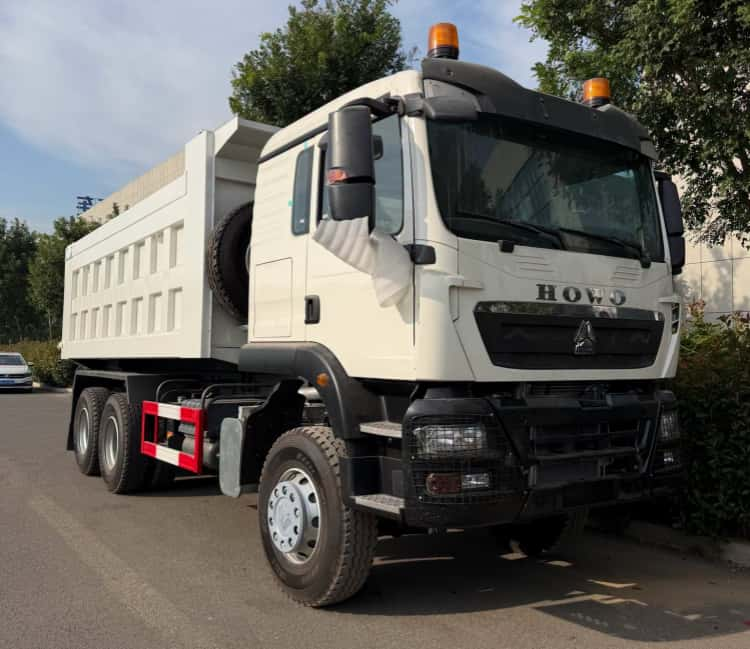
Standardised quality specifications create enforceable contract benchmarks
Long-term contracts need objective, written acceptance criteria, not subjective seller promises. Generic used trucks cannot be bound to fixed numeric standards for frame straightness, residual fatigue, powertrain output or brake thresholds.
REMAN ROAD remanufacturing defines clear, repeatable specifications grouped by duty class. All units in the same product tier meet identical test pass criteria. Contract clauses can reference these standard inspection and performance requirements, so both sides have a neutral engineering baseline to judge acceptance and avoid quality disputes.
Predictable production pipeline stabilises delivery schedules
Used truck supply depends on opportunistic stock sourcing. When demand rises, dealers may run out of suitable vehicles and miss delivery commitments. REMAN ROAD operates a structured reman production pipeline with qualified core screening, staged rebuilding and pre-tested finished stock.
The production cadence can be forecasted and scheduled against the fleet’s phased capacity rollout. Buyers can lock in delivery windows and volume commitments without facing the erratic supply of the open used market.
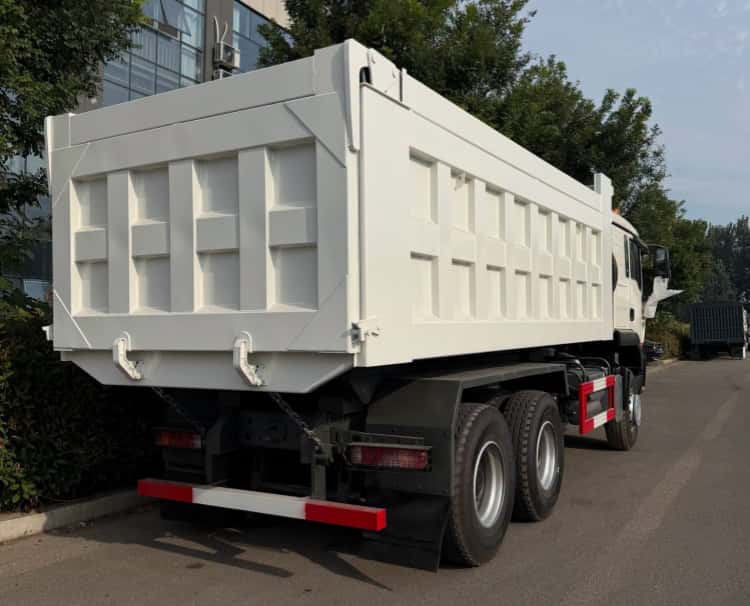
Consistent traceability simplifies continuous compliance over the contract term
Long-term project clients and mine operators often require recurring equipment audits throughout the whole contract period. Ordinary used trucks lack transferable records, and audit failures can trigger contract suspension.
Each REMAN ROAD reman truck carries a permanent VIN traceability file, including NDT reports, component serial logs, load test data and audit sign-off. The same technical evidence remains available for the full lifespan of the supply agreement, supporting repeated site entry, safety and ESG reviews.
Stable pricing logic reduces commercial renegotiation risk
Long-term agreements fail when asset pricing is disconnected from real quality. Traditional used truck prices swing wildly with freight cycles, import availability and cosmetic condition.
REMAN ROAD remanufacturing pricing is anchored by duty class, rebuild scope and test overhead rather than arbitrary market fluctuations. Finance teams can model fixed price schedules, depreciation curves and contract escalation terms in advance. This lowers the chance of repeated price reopens and commercial conflict during the multi-year contract.
Scalable, repeatable batches support phased fleet rollout
Large long-term projects usually add trucks in phases, not all at once. Buyers need later batches of equipment to match the same standard as the first delivery.
REMAN ROAD reman workflow ensures batch consistency. Units delivered in year one, year two and year three of the contract will follow the same inspection rules and calibration benchmarks. This enables consistent fleet performance, uniform maintenance plans and predictable TCO across the whole contract portfolio.
Important guardrail
Long-term supply agreements still require clear contract governance. Duty-class limits, maintenance obligations and liability boundaries must be documented. REMAN ROAD remanufacturing guarantees the vehicle’s condition at certification, but accelerated wear will occur if the fleet misapplies units beyond their rated workload.
Final Takeaway
Long-term supply agreements struggle without repeatable quality, dependable delivery and auditable proof. For procurement and contract managers, the key takeaway is simple: REMAN ROAD remanufacturing provides fixed engineering benchmarks, planned production pipelines and immutable traceability, removing the biggest uncertainties and making stable, enforceable multi-year heavy equipment supply agreements achievable.