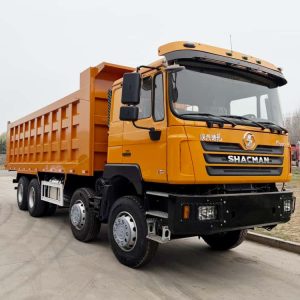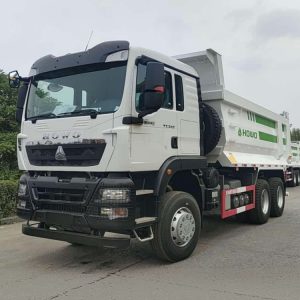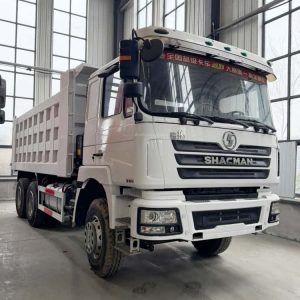
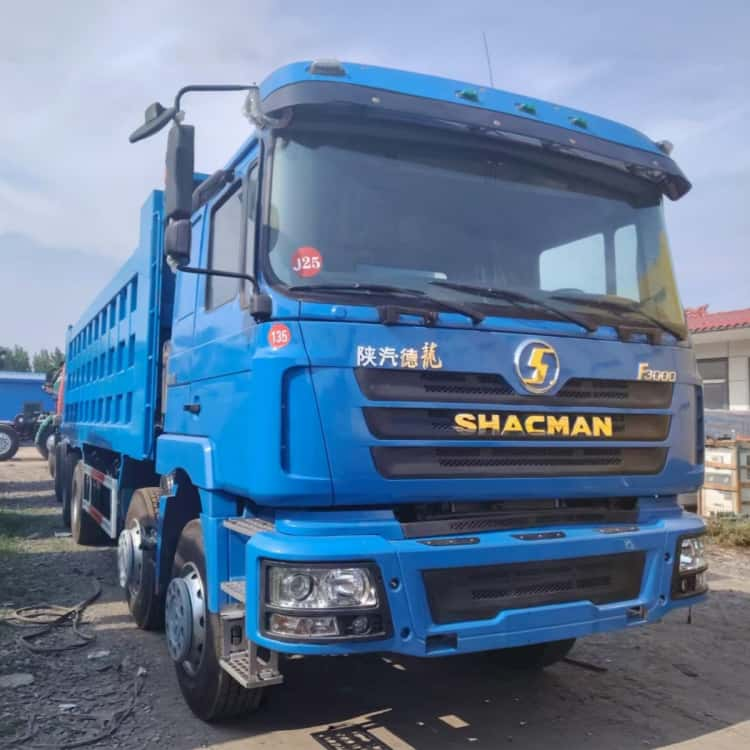
Reman SHACKMAN F3000 Tipper Truck 12 Wheel
Built for mixed-cycle site work including loading, climbing and dumping, this reman SHACKMAN F3000 restores original engine calibration and driveline efficiency to balance payload capability and fuel consumption.
Reman SHACKMAN Truck Description
- Dump trucks frequently shuttle between stockpiles, loading zones and dumping points, with frequent stop-start climbing cycles that hurt fuel efficiency when components wear out.
- During remanufacturing, REMAN ROAD rebuild and recalibrate the fuel system, injectors and powertrain to return fuel performance to OEM baseline.
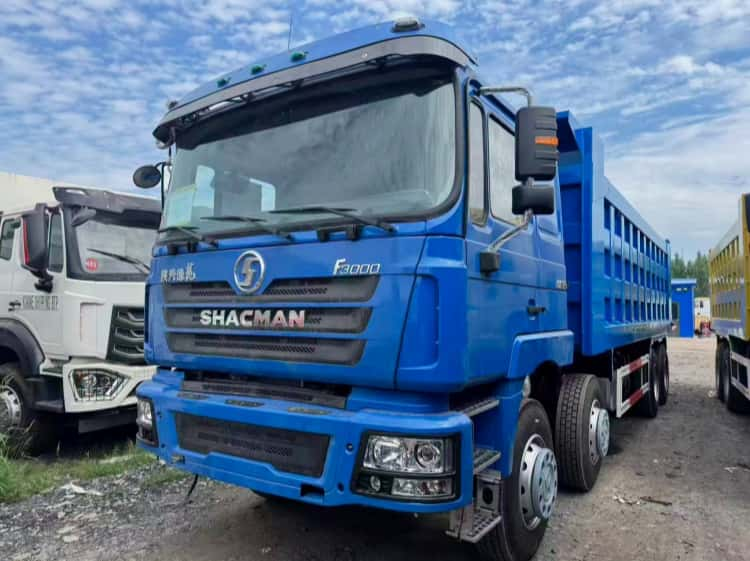
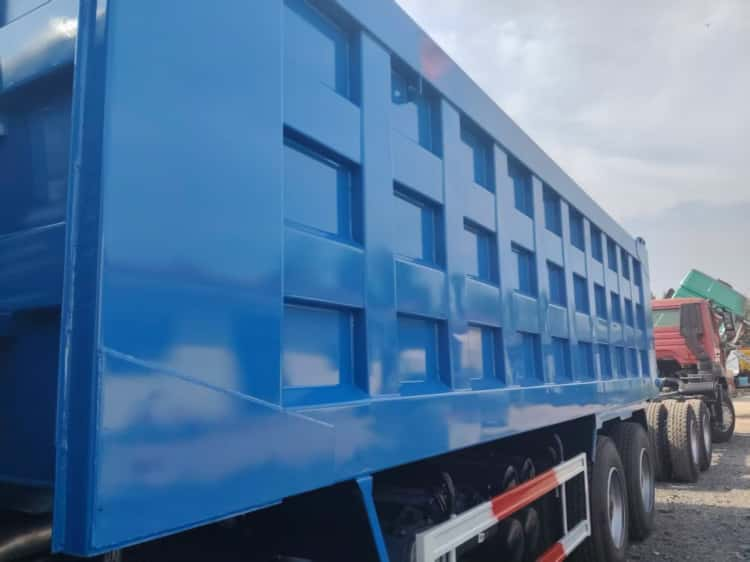
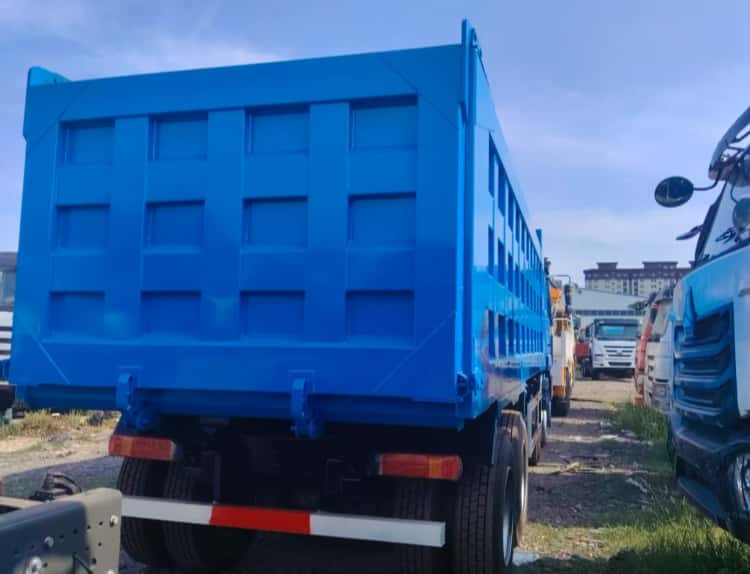
- Suspension geometry is reset to keep load evenly distributed across axles during transport.
- Reman SHACKMAN truck gives fleets a stable hauling asset that keeps fuel costs predictable through long earthwork campaigns.
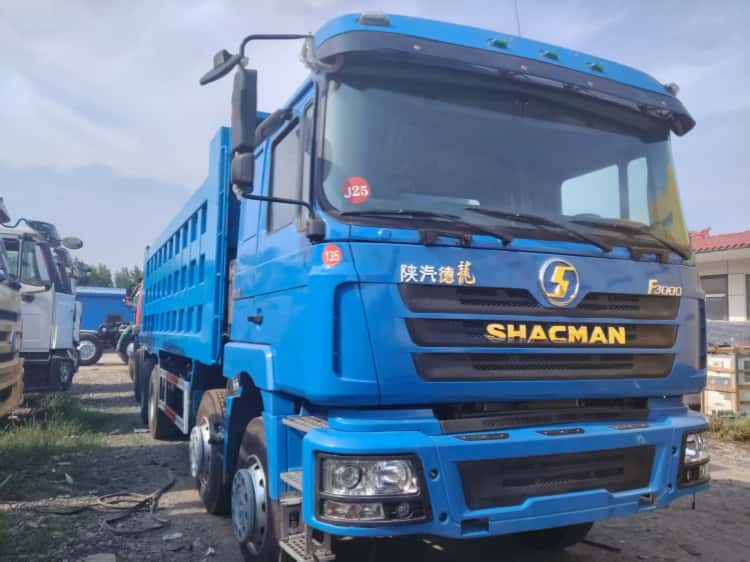
Specification Table
- Model: Reman SHACKMAN F3000 12 Wheel Tipper Truck
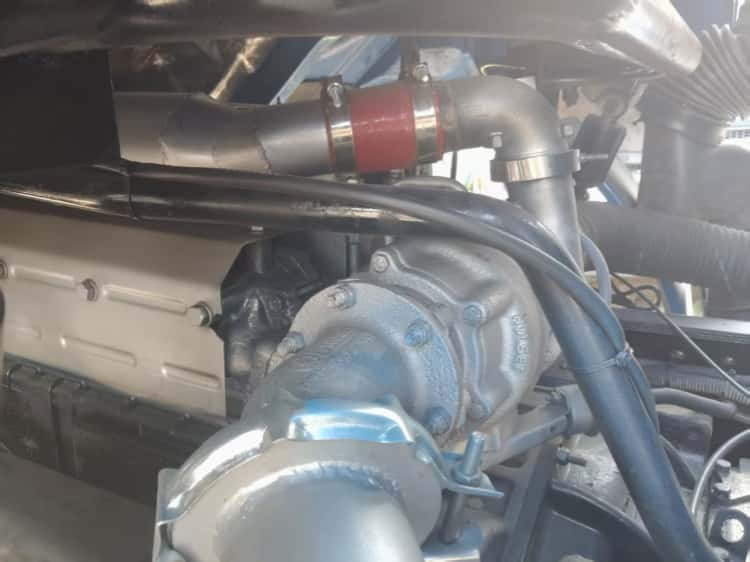
- Engine: Engine fully disassembled, all components cleaned and inspected, worn parts renewed, reassembled and dyno tested
- Transmission: Original matched gearbox. Full teardown, inspection, bearing and seal renewal, bench calibrated
- Axle: OEM front & rear axles. NDT crack inspection, gear tooth wear check, oil seals and worn hub components replaced
- Suspension: Multi-leaf spring suspension. Fatigue inspection, cracked or weakened springs replaced, pins and bushings renewed
- Chassis Frame: Visual + NDT crack inspection, fasteners re-torqued, high-stress zones prioritised
- Steering: Original steering assembly. Disassembled, checked for excess play, seals replaced and calibrated
- Brake System: Air brake system. Chambers, valves and linings inspected or renewed, full loaded braking performance test completed
- Hydraulic Tipping System: Complete pump, cylinder and valve set. Full disassembly, seal renewal, repeated lift/lower testing at rated payload
- Cargo Box: High-strength steel tipper box. Weld joint inspection, fatigue reinforcement, damaged plates repaired or replaced
- Tires: 12.00R20 heavy-duty off-road tires, wheel hubs serviced and bearings renewed
- Rated Payload / GCW: OEM rated capacity retained after reman, all load testing completed at factory limit
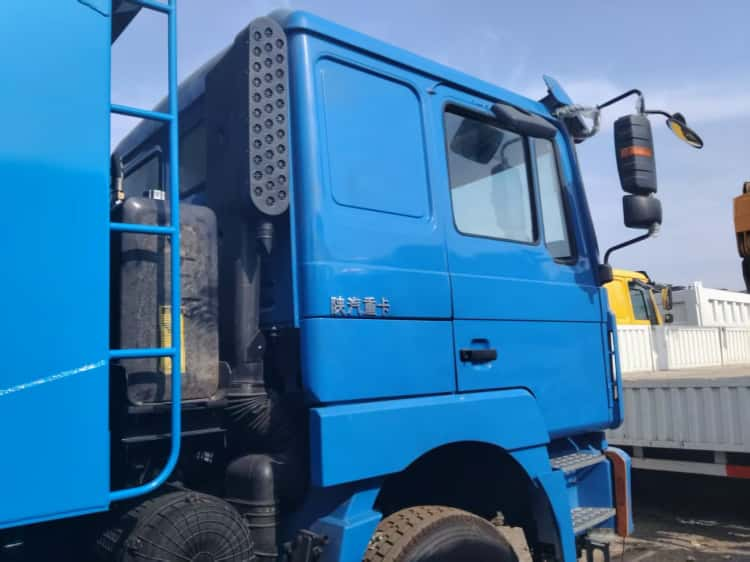
- Cabin: Cab shell inspected for structural damage, internal and external cosmetic renewal
Mixed-Cycle Fuel Efficiency Restoration
- Root cause of poor fuel use: Worn injectors, degraded turbo seals and out-of-calibration engine settings are common on old site tippers.
- Reman calibration rule: Fuel system reset matches original OEM engine mapping, tuned for site stop-start cycles.
- Test method: Dyno testing simulates uphill loaded haul conditions to verify consumption.
- Misconception: Reman engines are not inherently less fuel-efficient than new engines when restored properly.
- Operating gain: Consistent fuel performance removes volatile monthly fuel spending for long-duration earthwork projects.
Cross-Border Compliance & Local Road Approval
- Baseline retention: Reman work preserves the original factory configuration of the Shacman F3000, no unapproved structural modification.
- Document package: Reman certification and test records support registration and road approval in many target markets.
- Critical risk: Custom-modified refurbished tippers often fail local vehicle inspection and cannot legally operate on public haul roads.
- Pre-tender check: We align reman documentation requirements with common import and road-safety rules for emerging markets.
- Value for contractors: Avoids costly delays from failed vehicle inspection at project entry.
RFQ
- Q1: What is the difference between component tolerance grading and simply checking if a part is broken?
A1: Grading measures exact wear against OEM limits. A part that has not failed yet may already be too worn for dump truck service. Simple repair only replaces parts that are already broken, leaving borderline high-risk components in place. - Q2: Is remanufacturing a good fit for fleets that only run seasonal earthmoving projects?
A2: It is highly suitable. Seasonal fleets only need extra hauling capacity for limited windows. Certified reman Shackman truck avoid the steep depreciation risk of new trucks, and can be resold or parked once the project ends without heavy financial loss. - Q3: If a reman part passes bench testing, can it still fail quickly on the quarry site?
A3: Our testing includes simulated off-road shock and loaded cycles that mimic site conditions. If the part passes all reman quality gates, the risk of premature failure is comparable to new OEM parts. Failure is almost always tied to improper operation or missed scheduled maintenance. - Q4: Can we send our own old F3000 trucks to your facility to become reman cores?
A4: Yes. We first complete full core screening including structural NDT inspection, service history review and wear assessment. Only units that meet our core qualification rules can enter the reman workflow; unqualified units will be directed to regulated recycling. - Q5: Why do you refuse to reuse parts that are close to OEM wear limits on dump trucks?
A5: Dump trucks work under repeated impact loading. A part that still works on a highway truck can rapidly degrade under cyclic site stress. We remove all borderline components to guarantee the full reset of asset service life. - Q6: How does using reman tippers help balance our fleet risk?
A6: It lets you separate fixed, permanent haul capacity from variable peak demand. You protect your capital by not buying new trucks for short-term jobs, while certified quality records keep your fleet compliant for tender and ESG requirements.