
How to Identify Certified Reman Trucks in the Market?
The heavy truck market is flooded with rebuilt, overhauled and refurbished units labelled as remanufactured. Many buyers learn this lesson the hard way: a shiny paint job and a running engine are not proof of genuine reman.
To avoid misleading marketing, fleet procurement teams need a structured verification checklist built around REMAN ROAD standard requirements, separating certified reman trucks from cosmetic refresh or partial repair.
Start With the Definition Check
Certified reman follows one core rule: the entire vehicle is processed to reset its service life back to OEM-equivalent performance. It is not a quick fix for broken parts. If the seller describes the work only as “engine rebuilt”, “cabin renovated” or “fully serviced”, it is almost certainly overhaul or refurbishment, not genuine reman trucks. Certified remanufacturing covers the whole vehicle, not just a single failed assembly.
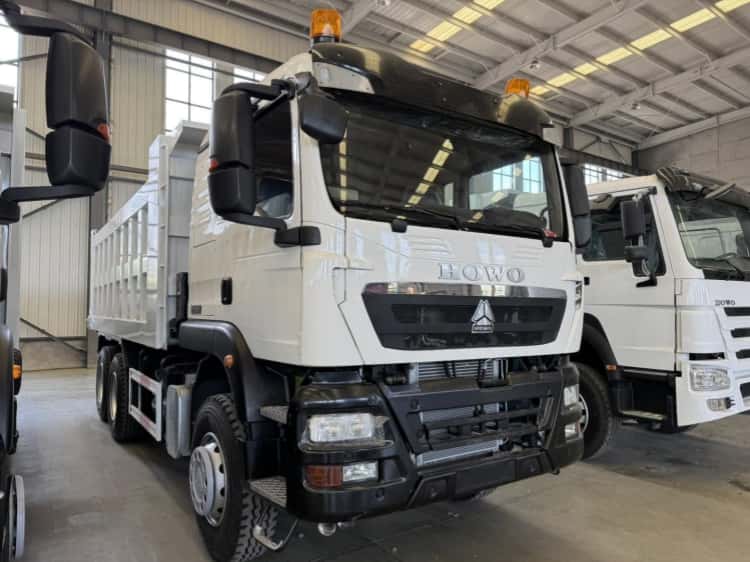
Ask for the Complete Core Qualification Record
Every certified reman trucks begins with a vetted reman core. Request the incoming core inspection file:
- Service history and VIN traceability
- Accident and damage review
- Non-destructive testing (NDT) reports for frame, crankshaft, cylinder block and axle housings
- Clear acceptance or rejection criteria
A certified reman trucks for sale will have documented proof that the core had no irreparable cracks, severe fatigue, crash deformation or thermal damage. If the supplier cannot produce these core screening logs, the baseline asset has not been validated.
Verify Full Disassembly and Component Grading
Certified remanufacturing requires full teardown down to individual components. Partial disassembly is a major red flag. Ask whether all major assemblies — engine, transmission, axles, steering and brake assemblies — were completely stripped.
Cleaned parts must be measured against OEM dimensional tolerances, not only visually inspected. Components fall into three documented outcomes: rework to spec, replacement with new qualified parts, or scrapped. Any statement like “we only open parts that are broken” confirms it is not certified remanufacturing.
Confirm Mandatory Consumable Replacement Policy
This is one of the easiest tests. Under certified remanufacturing standard, all life-limited consumables are replaced by default regardless of visual condition: seals, gaskets, bearings, critical fasteners, hoses and filters. Refurb and overhaul operations replace these items only when leaking or visibly damaged. Ask the supplier to provide the full parts replacement manifest. If many original aged consumables remain in service, the truck cannot deliver a reset lifecycle.
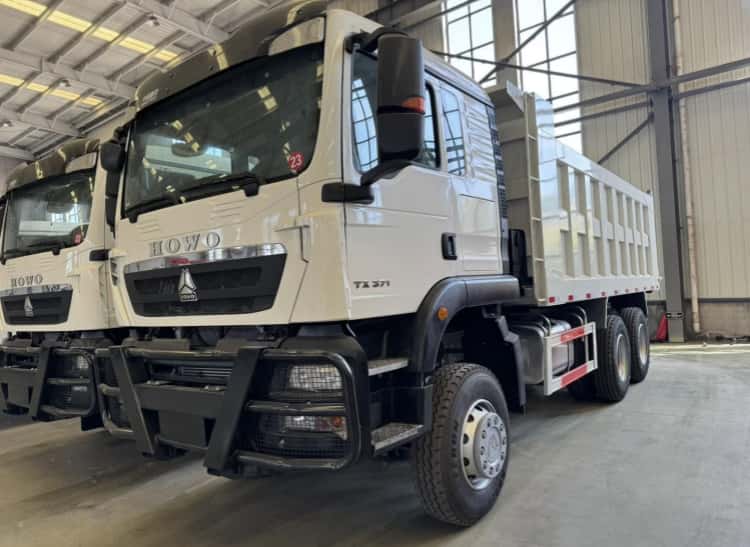
Inspect Assembly and Testing Documentation
Certified remanufacturing reassembly follows OEM torque values, tightening sequences and clean workshop protocols. Critical fastener torque records should be logged. After assembly, the unit must complete multi-stage validation: subassembly bench tests, powertrain dyno testing, full vehicle system checks for braking, cooling, emissions and electrical functions.
Test results are benchmarked against equivalent new truck performance data. A simple road test is not enough. Without dyno reports and structured test records, the performance claims are unverified.
Look for Formal, Traceable Certification
Certified reman trucks for sale carries formal certification linked to a unique traceability ID. Under REMAN ROAD, this certificate summarises the workflow, compliance scope and test results.
Beware generic “rebuilt certificate” documents that lack standard references, serial traceability or auditor validation. A certificate that only says “repaired and tested” is not reman certification. The document must explicitly reference recognised remanufacturing standard.
Review the Warranty Scope and Terms
Warranty structure is a strong indicator of certified remanufacturing.
- Certified remanufacturing: Asset-wide warranty aligned with the reset service cycle, covering the whole reman trucks for sale.
- Overhaul / refurb: Narrow warranty limited only to the repaired or rebuilt assembly, with most of the truck excluded.
If the seller only offers a short, component-specific warranty, they are not confident the full asset has been restored to new-equivalent reliability.
Watch Out For Common Marketing Tricks
These sales phrases are warning signs:
- “Like new, low mileage” — often only cosmetic upgrades
- “Engine overhauled, rest in good condition” — partial rebuild
- “Tested and ready to work” — vague statement with no benchmark data
- “Reman style / reman quality” — using the term loosely without standard compliance
Appearance is the lowest priority check. Repainting, new tires and cabin refurbishment are finished last in certified remanufacturing standard. When cosmetics are the main selling point, the vendor is likely masking uninspected internal wear.
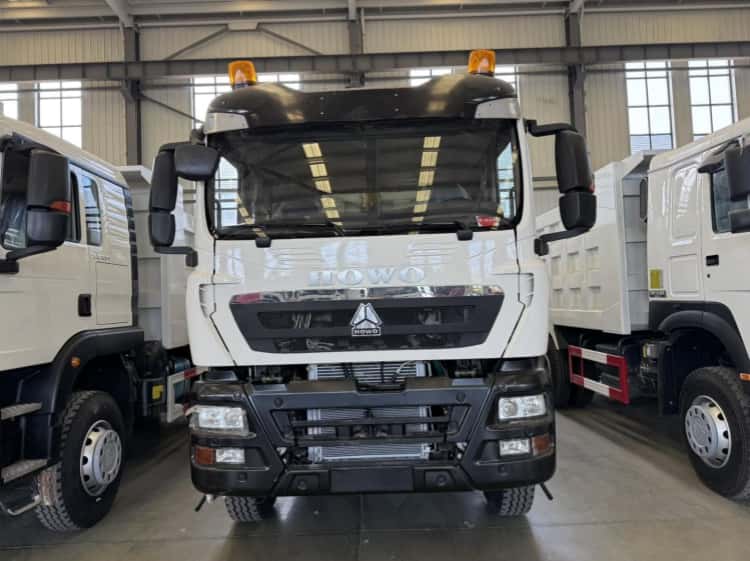
Practical Step-by-Step Checklist for Buyers
- Request core inspection and NDT reports
- Confirm full vehicle disassembly, not only engine work
- Ask for component dimensional measurement records
- Review the full list of replaced consumable parts
- Demand dyno and system test data compared with OEM baselines
- Check for standardised certification and unique traceability ID
- Audit warranty coverage to confirm it is vehicle-wide
- Reject units where documentation is incomplete or unavailable
Closing
Identifying certified reman trucks for sale is not about judging appearance or test-drive feel. It is about auditing the process. Certified reman is provable with paper trails. Any supplier selling certified reman trucks should be ready to share the complete audit package on request. Without these records, no price or cosmetic upgrade can turn a refurbished truck into certified reman.