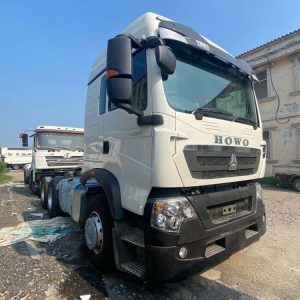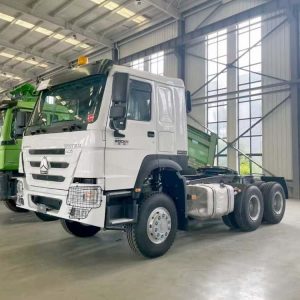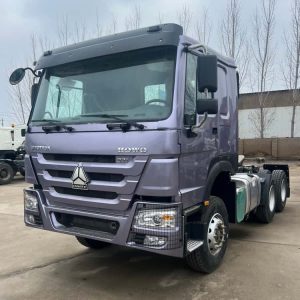
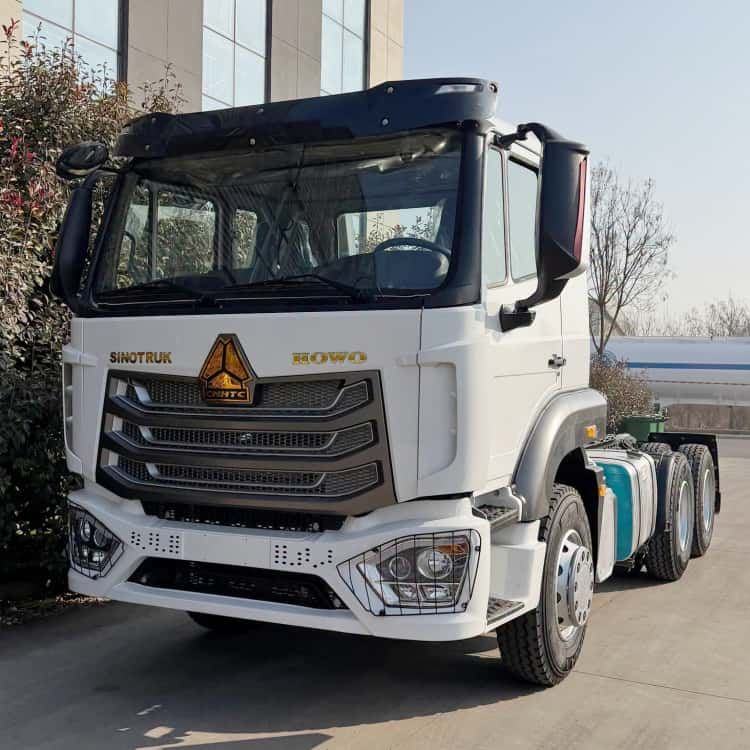
Reman Howo NX 6×4 Tractor Truck
REMAN ROAD certified reman Howo 6×4 tractor truck follows OEM engineering benchmarks to reset the asset’s service life. It delivers the same load capacity and reliability as a brand-new unit, without the heavy upfront investment of purchasing new trucks. For fleets building ESG frameworks, it serves as a practical low-carbon heavy haul asset.
Reman Howo 6×4 Tractor Truck Description
- The reman Sinotruk trucks tractor is rebuilt strictly against original OEM specifications, taking the factory-new Howo NX performance baseline as its core acceptance standard.
- Every core assembly undergoes complete disassembly, NDT defect inspection, core regeneration and third-party quality audit, ruling out hidden risks that simple refurbishment cannot catch.
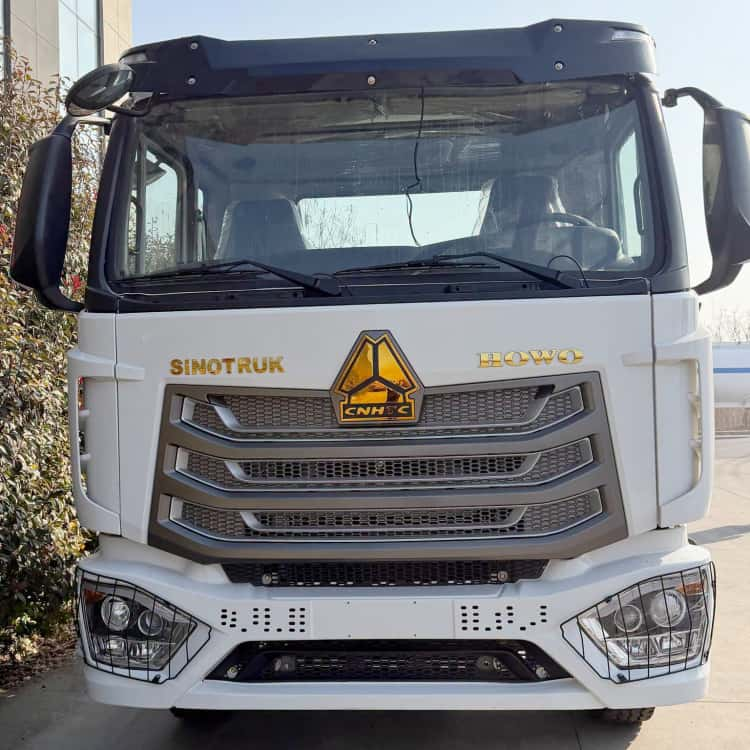
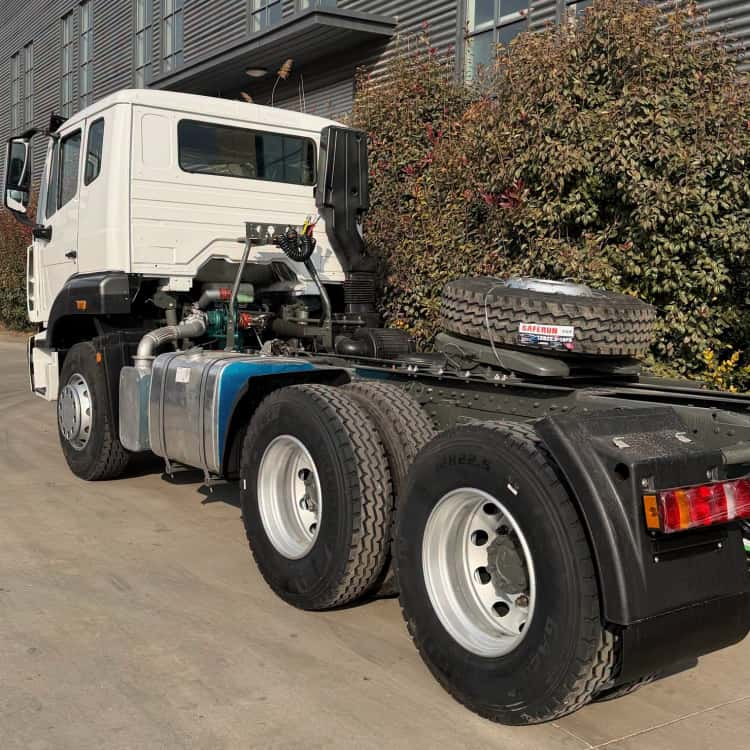
- Its traction capability, braking stability and emission indicators are calibrated to match new vehicle standards. Unlike brand-new trucks that carry high manufacturing carbon and CAPEX pressure, this certified reman Howo NX tractor truck greatly reduces initial spending while cutting embodied carbon footprint.
- It fits long-haul container and bulk cargo transport perfectly, and provides complete trace data to support fleet carbon accounting and green procurement filing.
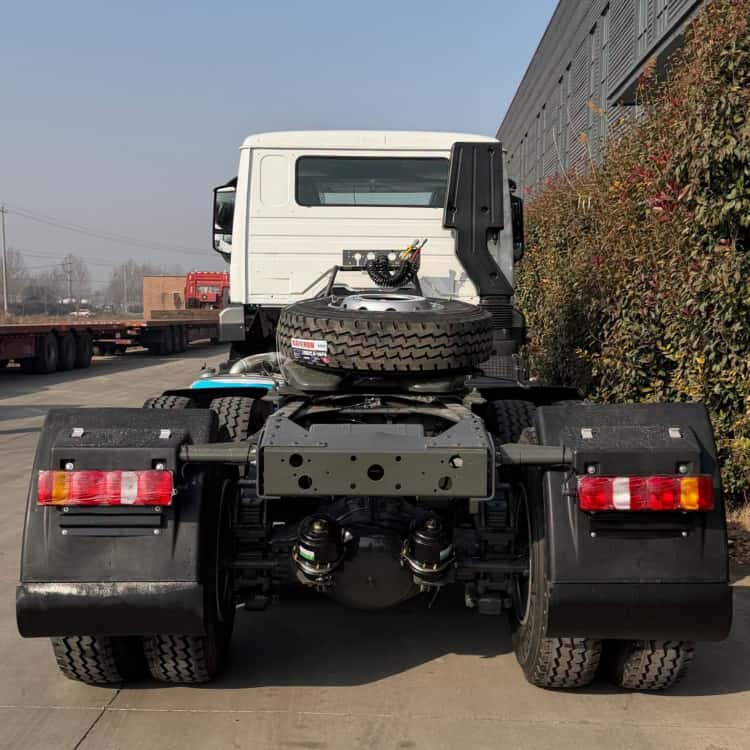
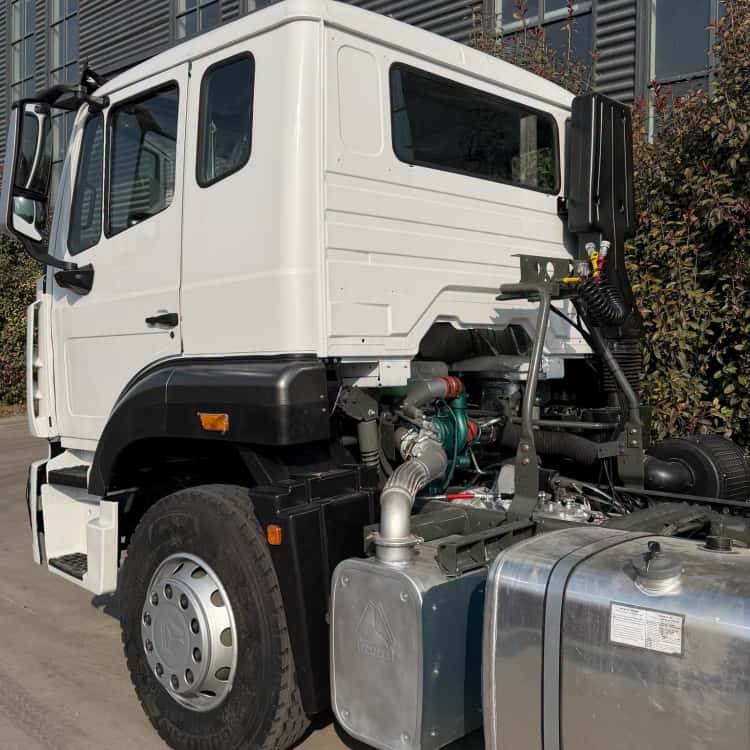
Specification Table
- Model: Reman Howo NX Tractor Truck 6×4
- Engine: Fully disassembled, all parts cleaned, inspected, worn components renewed, reassembled and dyno tested
- Transmission: Complete teardown, inspection, bearing and seal renewal, bench calibrated
- Axle: OEM matched front & rear axles. NDT crack inspection, gear check, oil seal and wear parts replaced
- Suspension: Leaf spring suspension. Fatigue inspection, cracked or weakened springs replaced, bushings renewed
- Chassis Frame: Visual + NDT crack inspection, fasteners re-torqued, high-stress zones prioritised
- Steering: Original steering assembly. Disassembled, checked for play, seals replaced and calibrated
- Tires: 12.00R20 heavy-duty off-road tires, wheel hubs serviced and bearings renewed
- Brake System: Air brake system. Valves, chambers and linings inspected or renewed, full brake performance test
- Cabin: Disassembled, corrosion checked, mounts & seals renewed, full function tested, refinished
OEM-Spec Matched Performance
- Benchmark standard: All testing references factory-new Howo NX OEM engineering parameters, not a loose “can drive” threshold.
- Core performance alignment: Matches new truck levels on horsepower, torque, maximum traction, braking stability and emission indicators.
- Contrast with simple rebuild: General overhaul only fixes obvious faults, usually accepts declining power, loose braking and higher fuel consumption over short service time.
- Validation method: Dynamometer bench testing + loaded road test before delivery, records saved in the traceability system for audit.
- Practical value: It can undertake the same heavy haul, container and bulk cargo transport tasks as a brand-new Howo NX, without downgraded load limits.
CAPEX & Gentle Depreciation Advantage vs New Tractors
- Upfront cost gap: Certified reman Howo NX tractor truck requires far lower initial investment compared with purchasing an identical new Howo NX tractor.
- Capital flexibility: Fleets can scale up transport capacity faster, without tying up large amounts of working capital in a single vehicle purchase.
- Depreciation rule: New heavy trucks suffer sharp value loss in their first 1–2 years. Reman Sinotruk trucks skip this steep depreciation stage.
- Budget adaptation: Perfect for growing cross-border fleets, sub-contract hauliers and project-based temporary transport demands.
- Risk buffer: Lower entry cost also means smaller financial loss if you adjust fleet structure or retire the vehicle earlier.
RFQ
- Q1: What is the core difference between remanufacturing and overhaul for heavy trucks?
A1: Overhaul only replaces broken failed parts to get the truck running, while remanufacturing fully disassembles the whole vehicle, inspects and grades every component. All finished units are benchmarked against OEM new truck specifications, to restore the vehicle’s full design function, not just fix obvious faults. - Q2: Why is core vehicle screening the first step of formal remanufacturing?
A2: Not every old truck is suitable for remanufacturing. We inspect structural condition and service history first. If key structures are damaged beyond recovery, the truck will go to recycling. Strict screening protects the reliability of reman assets and maintains industry credibility. - Q3: Why can refurbished trucks not produce usable ESG data for our fleet reports?
A3: Refurbishment is mostly surface cleaning, repainting and simple troubleshooting. It follows no fixed standard workflow, lacks full inspection records and independent verification. Without complete process traceability, its environmental benefits cannot be audited or recognised in formal sustainability filings. - Q4: How should fleets understand remanufacturing in the circular economy chain?
A4: Remanufacturing sits above scrap recycling. Recycling breaks trucks down into raw materials. Remanufacturing retains the complete engineered value of a qualified truck core and gives it a second service life, delivering much higher resource efficiency. Recycling is only the backup option. - Q5: What value does third-party verification bring to reman Howo NX tractor truck?
A5: Workshop self-certification depends on internal judgment with no neutral check. Third-party verification reviews the full reman workflow, test records and component logs. It makes the reman asset’s quality and sustainability evidence credible for cross-border procurement and ESG disclosure. - Q6: How can fleets build a long-term asset loop with remanufacturing?
A6: Fleets can manage eligible end-of-service trucks as reusable core assets. When these vehicles finish their first life, they flow back into remanufacturing rather than scrapping. This steady asset rotation controls capital spending and generates continuous sustainability benefits.