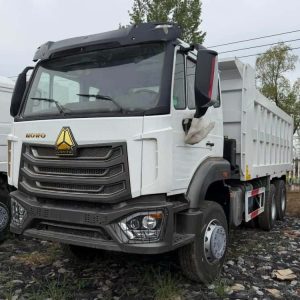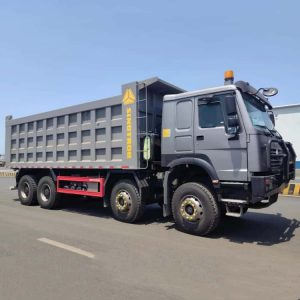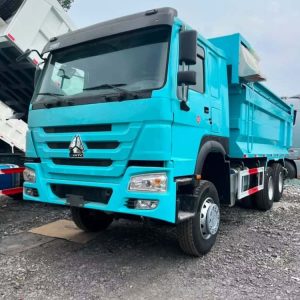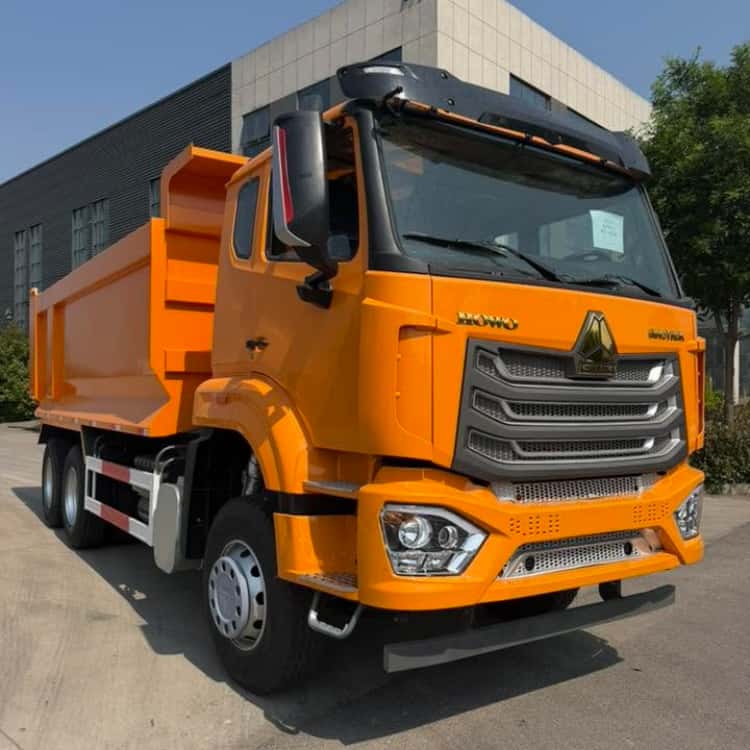
Reman Howo NX Tipper Truck 6×4
REMAN ROAD reman Sino truck Howo NX 6×4 tipper combines heavy‑vehicle reman philosophy with tipper‑specific working characteristics. It reuses high‑value chassis assets while comprehensively renewing quick‑wear assemblies, supporting fleets to implement circular‑economy practice in engineering‑project transport.
Reman Sino Truck for Sale Description
- This reman Sino truck Howo NX tipper represents the landing practice of heavy‑vehicle reman technology in engineering transport domain.
- It converts aging site‑tipper assets back into productive bulk‑material haulage capacity, fully considering tipper‑unique load characteristics such as uneven impact, frequent lifting‑lowering and cargo‑box abrasive wear, and provides real‑world reference for how construction fleets adopt reman assets under complex and harsh working‑site conditions.
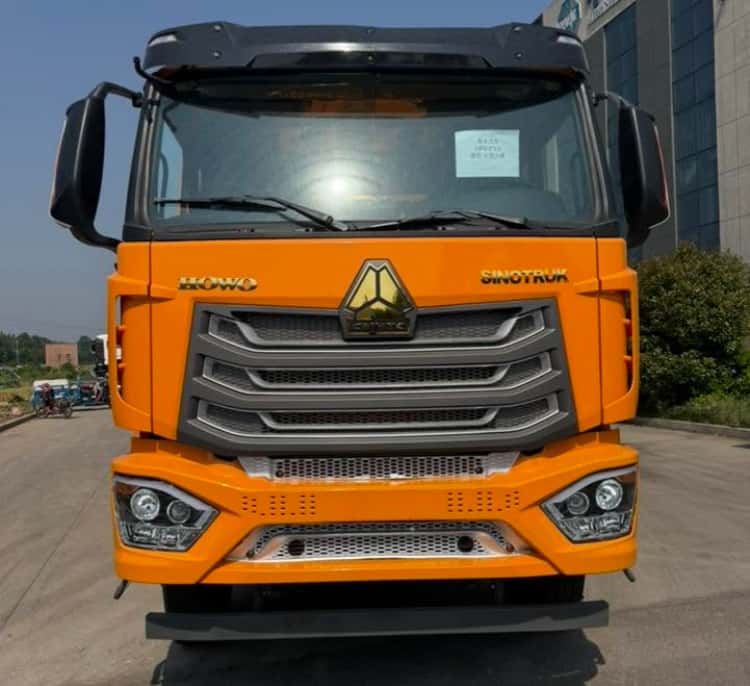
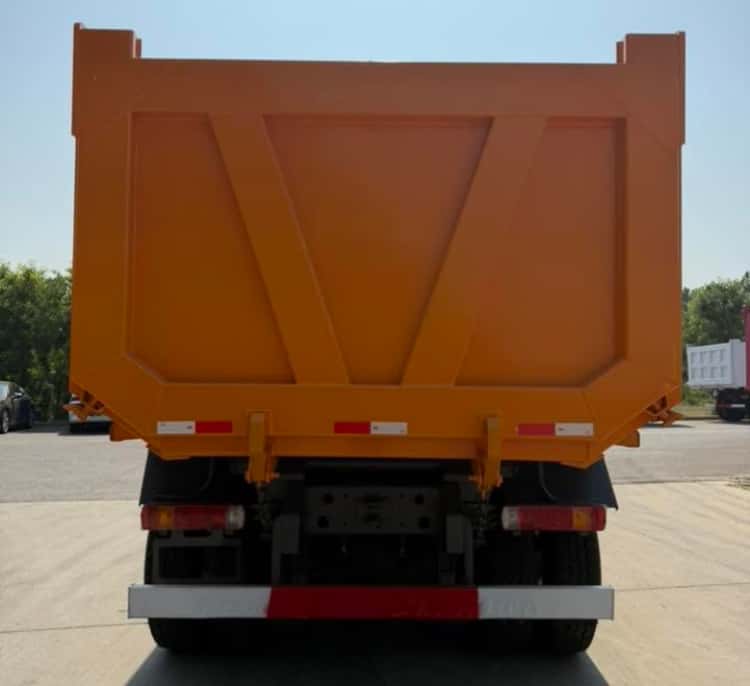
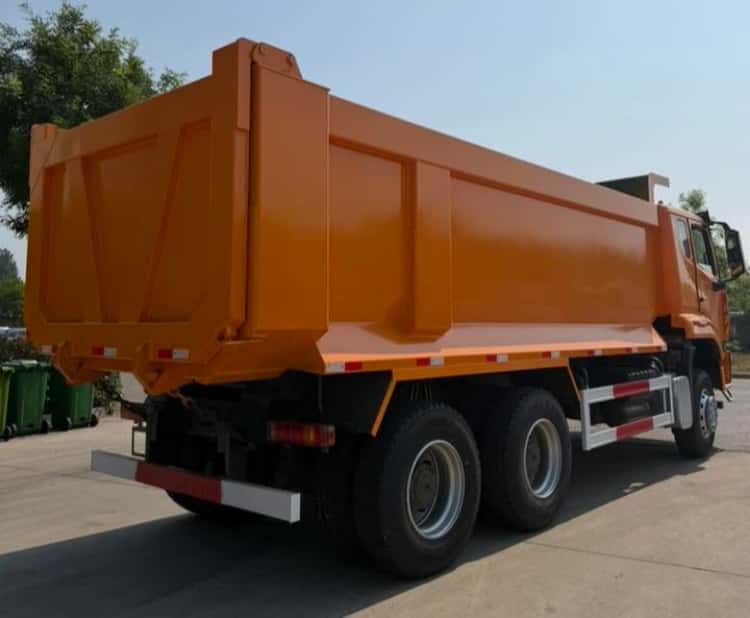
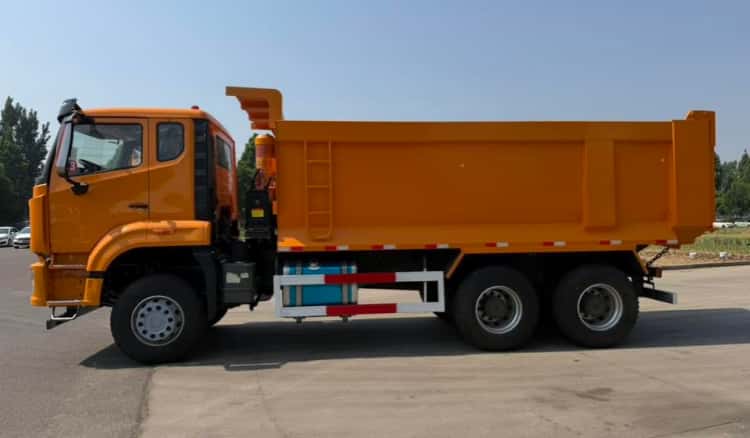
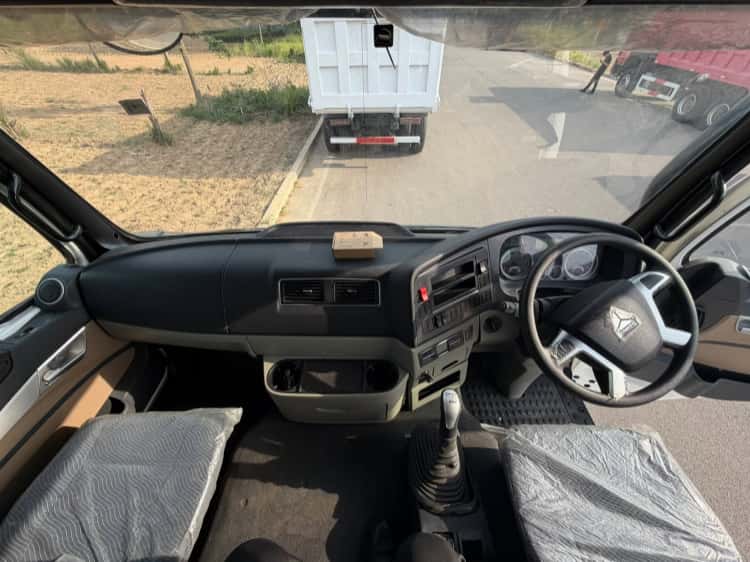
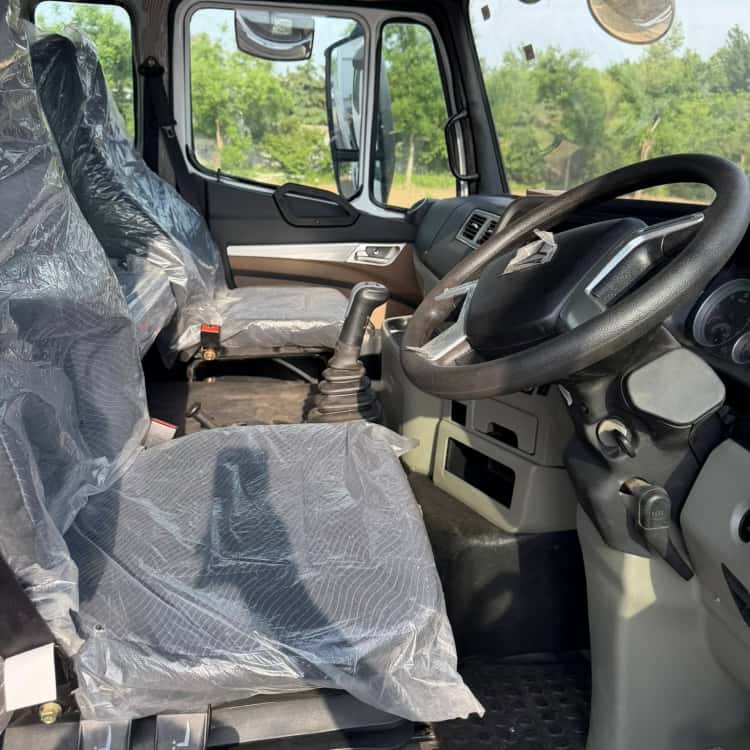
Specification Table
- Model: Reman Sino Truck Howo Tipper NX 6×4
- Drive: 6×4 tandem rear‑axle drive, retain original OEM load‑bearing chassis architecture
- Engine: Remanufactured SINOTRUK heavy‑duty diesel engine, full teardown & bench calibration
- Transmission: Remanufactured gearbox, friction components renewed, shift performance verified
- Chassis Frame: NDT fatigue inspection, micro‑crack & deformation screening, no unauthorised modification
- Suspension: Renewed bushings, shock absorbers & fatigued fasteners
- Cargo Box: Deformation corrected, weld seams inspected, worn plates renewed
- Hydraulic System: Reman multi‑stage cylinder & valve group, sealing renewed, pressure‑holding leak test
- Tires: 12.00R20 heavy-duty off-road tires, wheel hubs serviced and bearings renewed
- Brake System: Reman air brake with ABS, all sealing elements replaced
- Electrical System: Wiring harness & aged sensors inspected/renewed
- Cabin: HOWO‑NX standard construction‑grade cabin, structural inspection and full reman refurbishment
Truck Remanufacturing Process
- Asset Screening: Screen used tipper chassis, reject units with irreparable structural damage
- Full Disassembly: Dismantle vehicle into separate components, isolate powertrain, hydraulics and cargo box
- Clean & Inspect: Clean assemblies; perform dimension check and frame non‑destructive fatigue detection
- Part Classification: Refurbish qualified reusable parts; mandatorily replace fatigued / worn‑out components
- Tipper‑Specific Reman: Rectify cargo‑box deformation and welds; rebuild hydraulic system and run leak‑pressure test
- Reassemble & Calibrate: Re‑assemble per OEM requirements, restore engine, transmission and hydraulic factory parameters
- Multi‑Scenario Validation: Execute powertrain test, full‑load lifting cycles and whole‑vehicle functional inspection
- Final Acceptance: Complete finishing, archive full test data and generate traceable reman records
Current Market Status of Reman Tipper
Tipper reman lags behind highway truck reman; market chaos caused by label abuse is prominent in engineering‑machinery second‑hand trade.
- No unified global dedicated standard for heavy‑duty tipper reman; many regions lack clear definition for tipper reman.
- Phenomenon of label abuse is serious: overhauled or repainted used tippers are marked “remanufactured” and sold to project fleets.
- Technical threshold is high: Qualified tipper reman needs frame flaw‑detection equipment and hydraulic full‑load test condition, beyond capacity of ordinary repair shops.
- Project‑oriented fleets gradually begin to pay attention to reman assets under circular‑economy and cost‑control pressure.
- Industry consensus is being built: Stakeholders start calling for special evaluation rules for construction‑site reman tipper products.
Future Development Trend of Remanufacturing
Driven by circular‑economy policy and engineering‑fleet cost demand, remanufacturing will develop toward standardisation and digitisation.
- Promote special baseline standards for construction‑site tipper reman, distinguish reman, overhaul and simple refurbishment clearly.
- Digital traceability will be popularised, recording frame detection, hydraulic test and cargo‑box repair information for each reman tipper.
- Non‑destructive fatigue‑detection technology will become mandatory standard procedure for tipper‑chassis reman workflow.
- Engineering‑project ESG procurement requirements will drive more fleets to adopt formally remanufactured tipper assets.
- Professional reman factories will separate from ordinary repair workshops and form independent industrial service capacity.
RFQ
- Q: Why are there so many pseudo‑reman Sino truck for sale in construction‑machinery second‑hand market?
A: Tipper buyers pay more attention to price; informal workshops only conduct painting and partial fault repair, skip frame fatigue detection and hydraulic full disassembly, gaining higher profit with much lower technical cost. - Q: What is the biggest trap when purchasing second‑hand tippers labelled “remanufactured” for engineering projects?
A: Many sellers cover frame cracks and hydraulic aging with repainting. Buyers only see good‑looking appearance, while hidden structural risks break out after short‑time heavy‑payload site operation. - Q: Why cannot reman Sino truck for sale quality be judged by test‑drive on flat pavement only?
A: Flat‑road driving cannot simulate full‑payload lifting, impact load and off‑road working conditions. Many frame and hydraulic defects will only show up under real‑site heavy‑duty working status. - Q: What documents should fleets request when purchasing reman Sino truck for sale for construction projects?
A: Request frame fatigue inspection record, hydraulic system test report, cargo‑box repair log and whole‑vehicle acceptance document, instead of only checking vehicle exterior and basic running status. - Q: What is the core difference between tipper overhaul and formal tipper remanufacturing?
A: Overhaul only fixes existing breakdown faults; reman implements full disassembly, proactive detection of invisible impact fatigue, mandatory renewal of aging hydraulic and wearing assemblies, completing full asset‑life reset. - Q: Why are tippers more vulnerable to pseudo‑reman fraud compared with highway tractors?
A: Tipper bears impact load and cyclic payload; most fatigue damage is internal and invisible. It is harder for buyers without professional equipment to identify hidden frame and hydraulic defects. - Q: What warning signals should make fleets stay cautious facing low‑price “remanufactured” tippers?
A: Red flags include missing inspection documents, refusing full‑payload lifting demonstration, avoiding frame‑related inquiry, and price obviously far lower than normal formal reman market range.